Croatia Budget Truth: Seasons, Taxes & Hidden Costs
Croatia’s lifestyle is seductive — and recent 2025 tax changes and tourism trends change the true cost. Budget for transfer tax, new annual property levies, VAT exceptions and seasonal market swings.
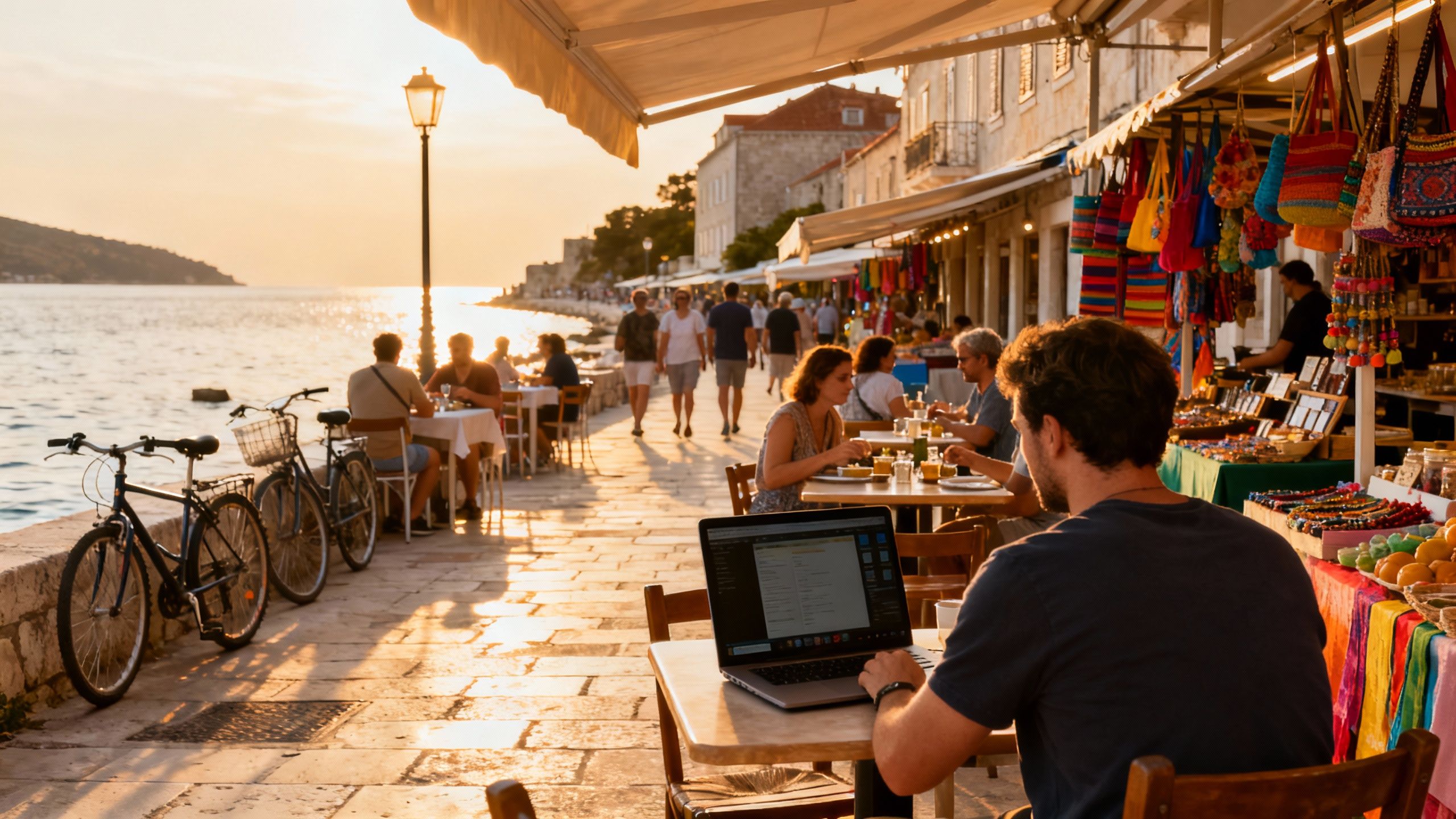
Imagine starting your morning with an espresso at Tkalčićeva Street, then checking into a sunlit corner apartment in Split with a sea view — and still knowing exactly how much that dream will cost. Recent tourism highs and new tax rules mean the numbers that matter when budgeting in Croatia are shifting fast. See the latest market signals for context.
Living Croatia: what your day will feel like
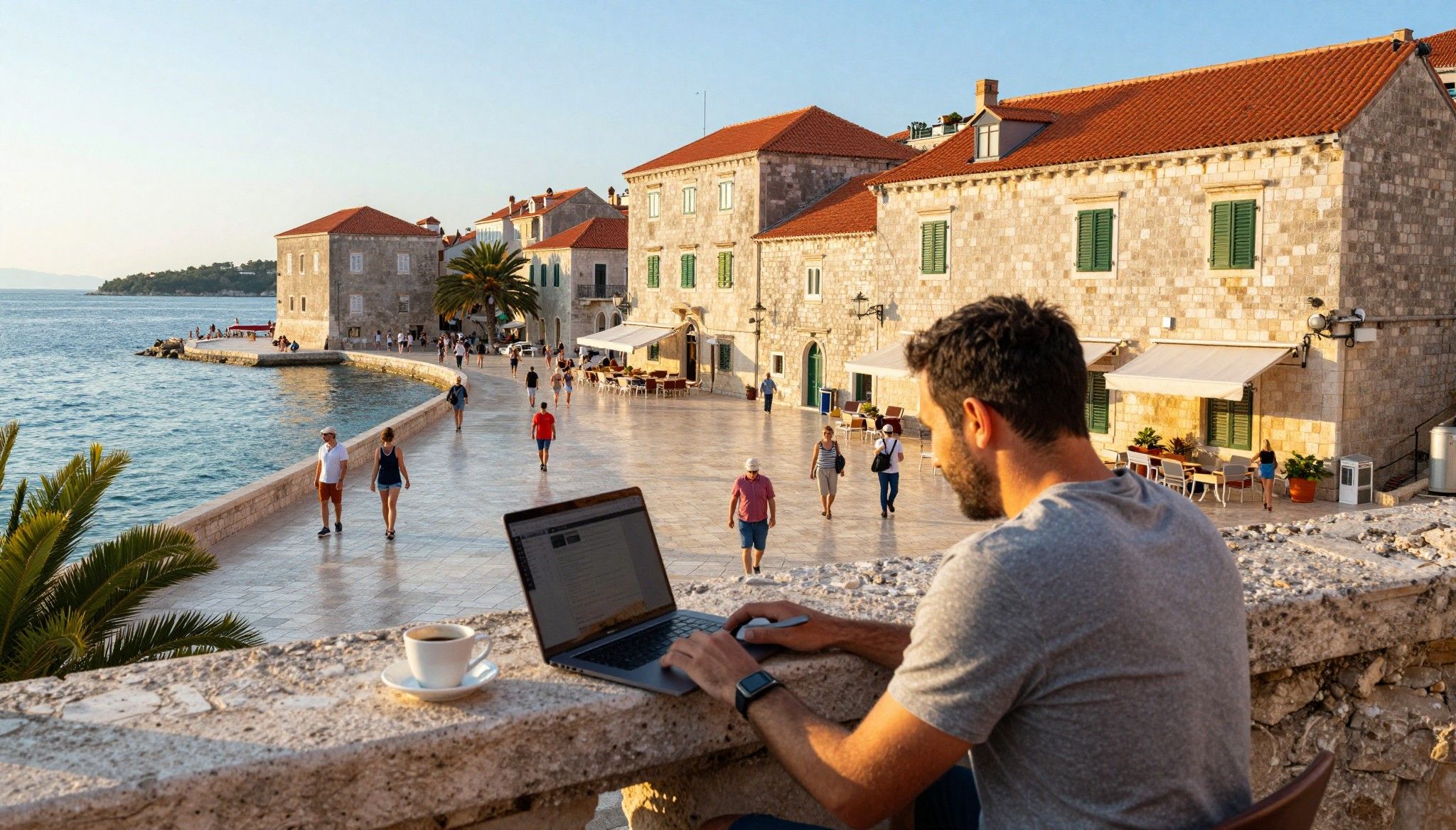
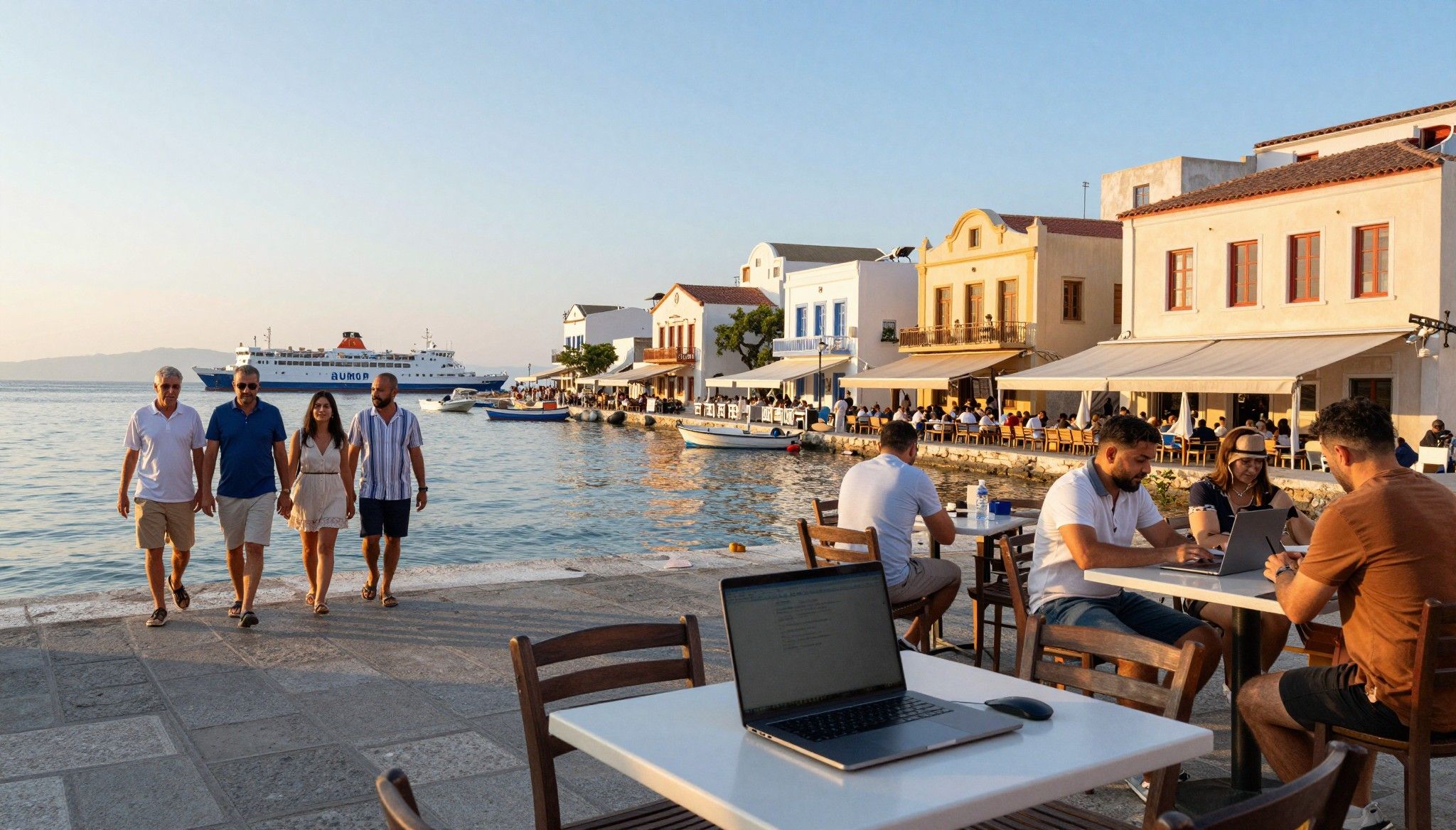
Croatia moves at a coastal rhythm. Mornings blend bakery scents and seafront joggers; afternoons slide into leisurely coffees and remote-work sessions in bright cafés; evenings are for long meals with grilled fish and rakija under fairy lights. Whether you pick Zagreb’s leafy streets, Istria’s truffle-scented hills, or Hvar’s island energy, lifestyle is sensory and social — and your property choice should match that tempo.
Neighbourhood pulse: Zagreb, Split, Istria and the islands
Zagreb’s Lower Town (Donji Grad) is cafés and co‑working meetups; Diocletian’s Palace in Split is daily access to the Adriatic and a compact pedestrian life; Rovinj and Motovun in Istria trade Michelin‑level dining for easy vineyards; the Dalmatian islands (Hvar, Korčula, Vis) offer slow summers and surprisingly quiet winters. Each area demands different budget trade‑offs: island terraces cost more per square metre for views, inland villages reward renovation budgets with space.
Food, markets and the local calendar
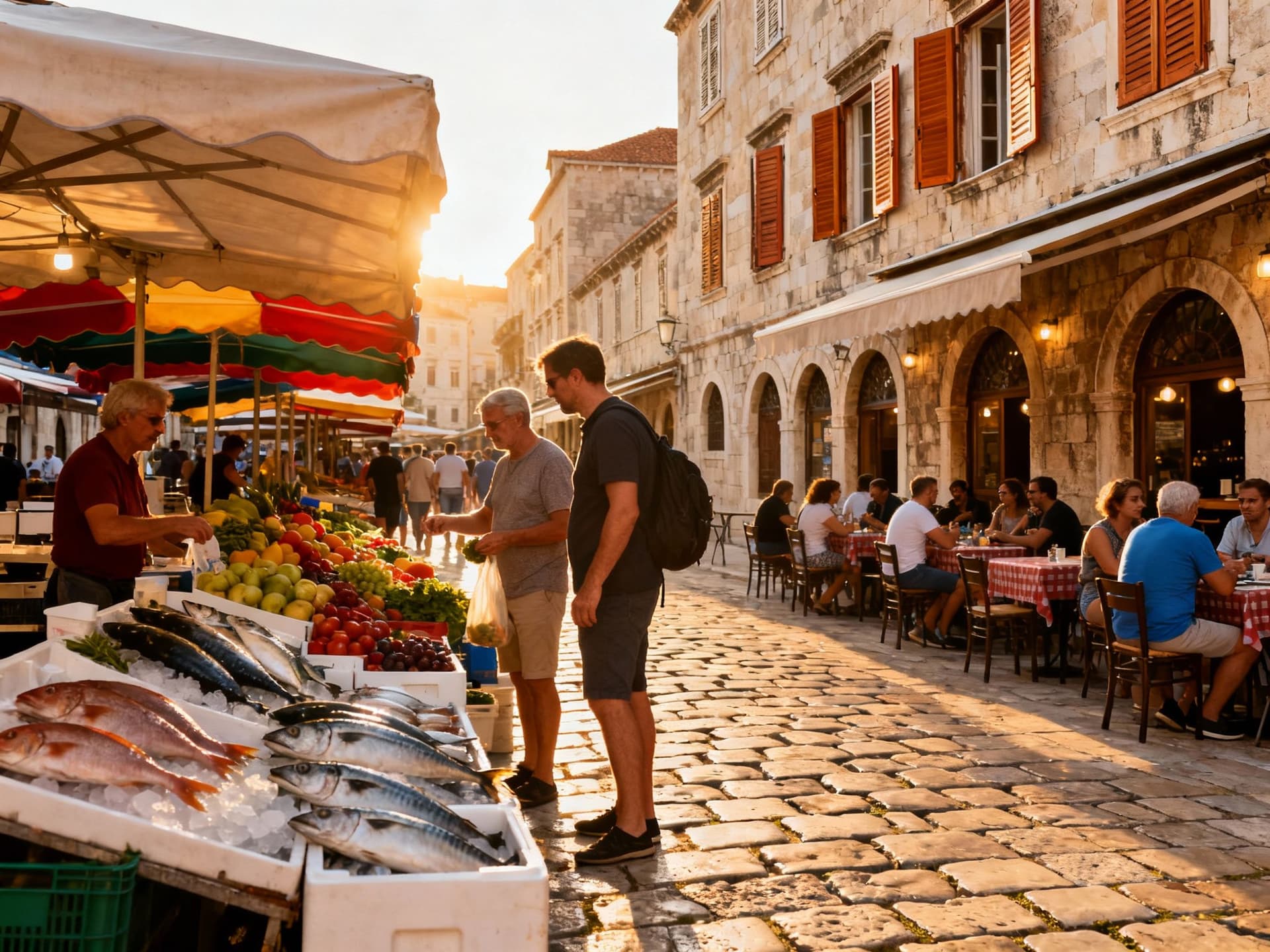
Weekends are market days: fish stalls at Riva in Split, Istrian truffle fairs, Zagreb’s Dolac market. You’ll budget differently if you want a city apartment near market stalls versus a renovated stone house outside town where you’ll drive for groceries. Festivals (Ultra in Split, St. Dominic’s Fair in Dubrovnik) swell short‑term rental demand — and priced‑in peaks during summer.
Making the move: practical budgeting realities
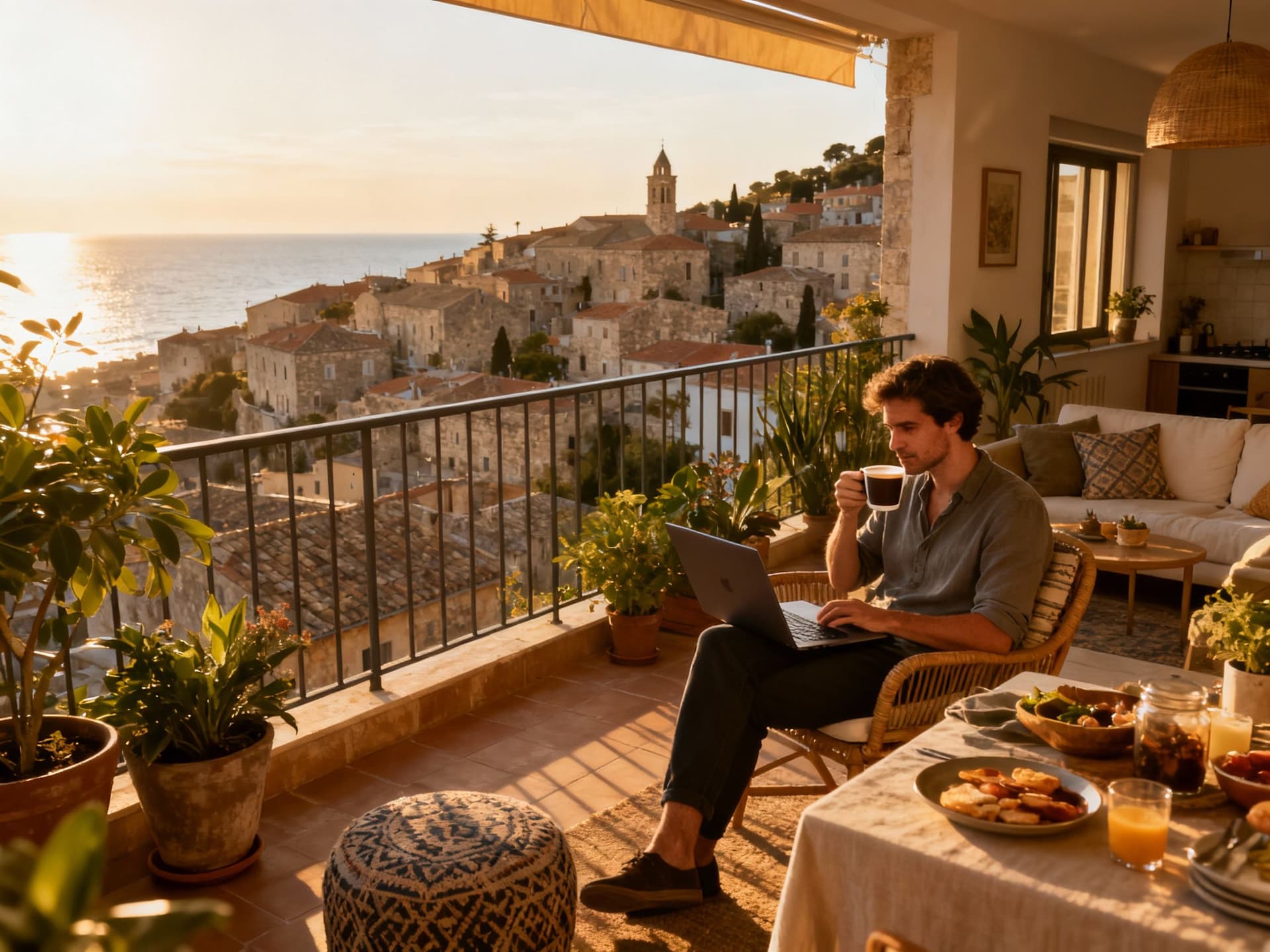
Dreams meet numbers when offers are written. Croatia’s headline transaction costs are moderate compared with Western Europe, but 2025 tax reforms and local property taxes changed the arithmetic. Factor these properly so lifestyle choices don’t blow your budget.
Core fees that reshape your budget
Expect a 3% real estate transfer tax in many purchases (VAT of 25% replaces it for many new builds). From 2025 a new annual property tax replaces the holiday‑home levies, set locally between €0.60–€8/m² — that range can turn a seaside investment into a meaningful recurring cost depending on municipality decisions.
Budget checklist: transactional and recurring costs
- 1. Purchase price and deposit (usually 10% on signature) 2. Transfer tax or VAT (3% transfer tax or 25% VAT on new builds) 3. Notary, court and registry fees (typically small, but fixed) 4. Lawyer and due‑diligence (1–1.5% recommended) 5. Agency commission (often paid by seller but confirm) 6. Annual property tax (municipal rate between €0.60–€8/m²) 7. Utilities, renovation and furnishing (region dependent)
Insider knowledge: seasonal, legal and lifestyle red flags
Here’s the real talk: heavy tourist seasons inflate short‑term rental income but invite regulation. Legislative moves to curb short‑term lets in 2024–25 mean rental yield projections need extra caution. If income is part of your plan, model conservative scenarios and plan for long‑term rental alternatives.
Cultural and practical tax traps expats miss
Non‑EU buyers may need ministry approval for purchases in certain cases — a step that adds weeks and sometimes conditions. Also, local municipal decisions (tax rate choices, short‑term rental permits) vary sharply: ask your lawyer to check the specific municipality’s rules before you sign.
- Quick red flags to stop the deal
• Title chain with missing registration entries • Property listed as ‘tourist category’ where local rules restrict conversions • Seller refusing to confirm whether VAT applies • Municipal debt or liens attached to the property • Unrealistic rental income promises during high‑season only
Why a local agent + lawyer combo saves money
Agents living in the neighbourhood know when a summer hotspot is actually quiet off‑season. Lawyers know local registry quirks and municipal tax drafts. Together they turn lifestyle goals into realistic budgets — spotting when a sea‑view premium is worth it or when renovation budgets will triple because of seismic or heritage rules.
- Local cost-saving tactics: • Buy off-season in late autumn/winter when sellers reprice • Consider inland towns for space and lower annual taxes • Negotiate VAT handling on new builds with developers • Get municipal tax estimate in writing before closing • Plan for renovation by getting 3 local quotes
Picture this: you’ve signed, keys in hand, morning light on a stone terrace and a reliable 200 Mbps connection for calls. That reality comes from lining up lifestyle priorities (walkability, coworking, market access) with budget realities (transfer tax, local property tax, renovation). Take the time to map both sides — it turns a dreamy buy into a sustainable life.
Swedish, relocated to Marbella in 2018 to chase sun and property freedom. Focus on legal navigation and tax for Nordic buyers.