Cyprus Budget Reality: Lifestyle Costs, Fees & Neighborhood Tradeoffs
Cyprus feels like year‑round summer, but budgets vary by micro‑location. Plan for transfer fees, seasonal rhythms, and lifestyle match to buy smarter and live better.
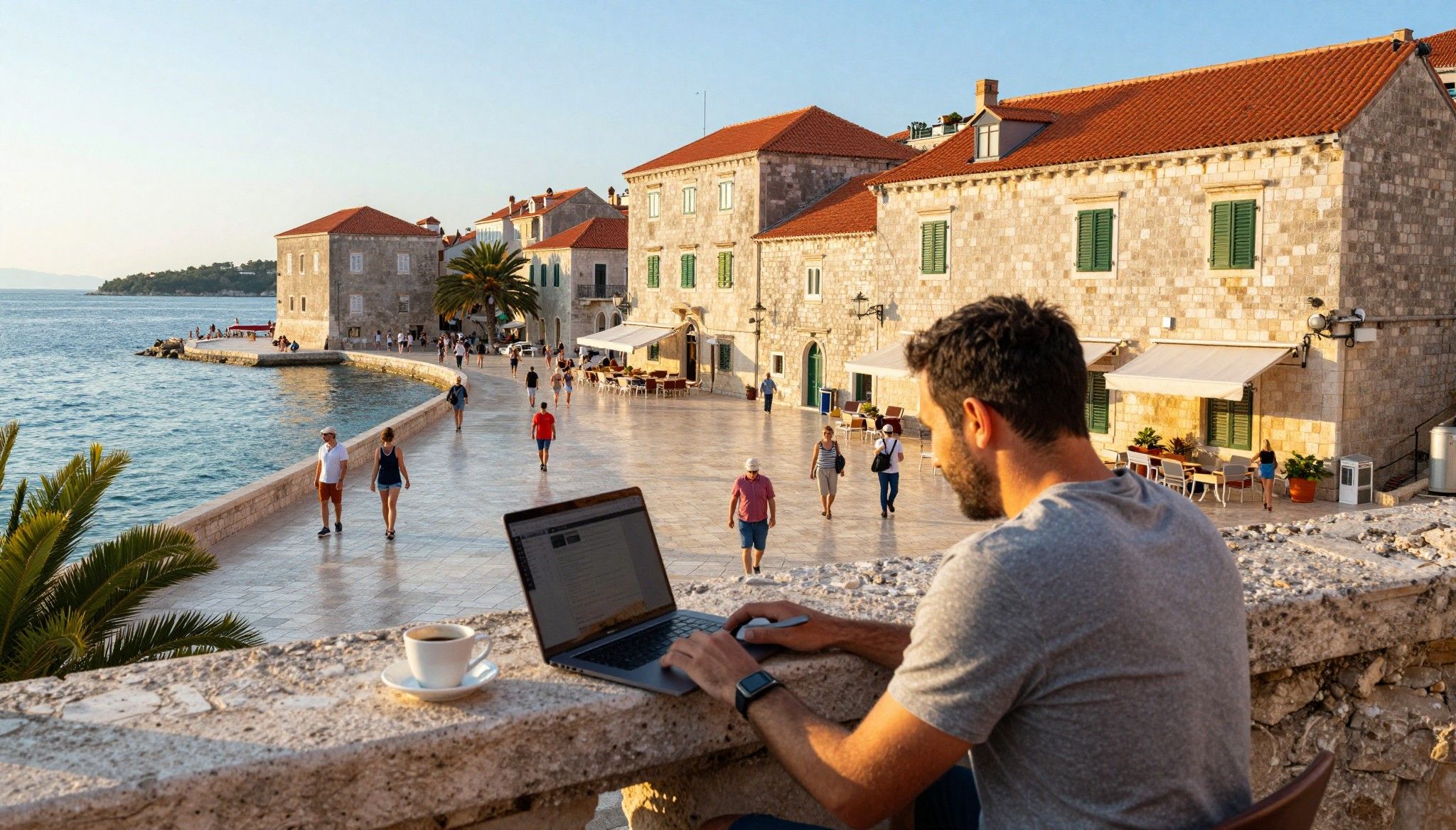
Imagine waking up in a Limassol apartment, espresso in hand, the sea glittering two blocks away and a coworking café five minutes downhill. Cyprus feels like a year-round summer for outdoor life, yet the money story behind that golden light is subtle — steady price rises, regional quirks, and a few budget surprises nomads don’t always expect.
Living Cyprus: sunlit rhythms, tavernas and work-friendly corners
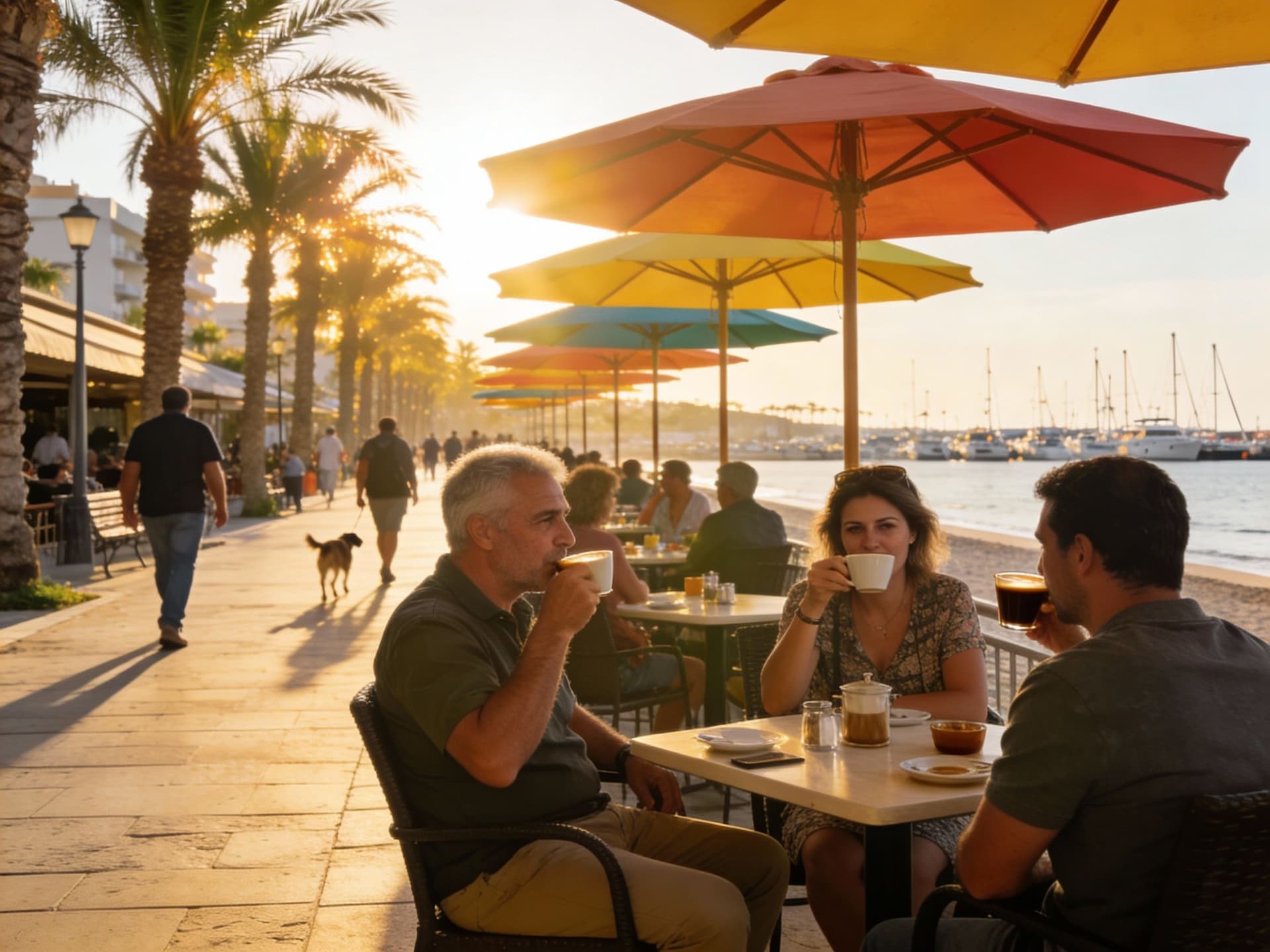
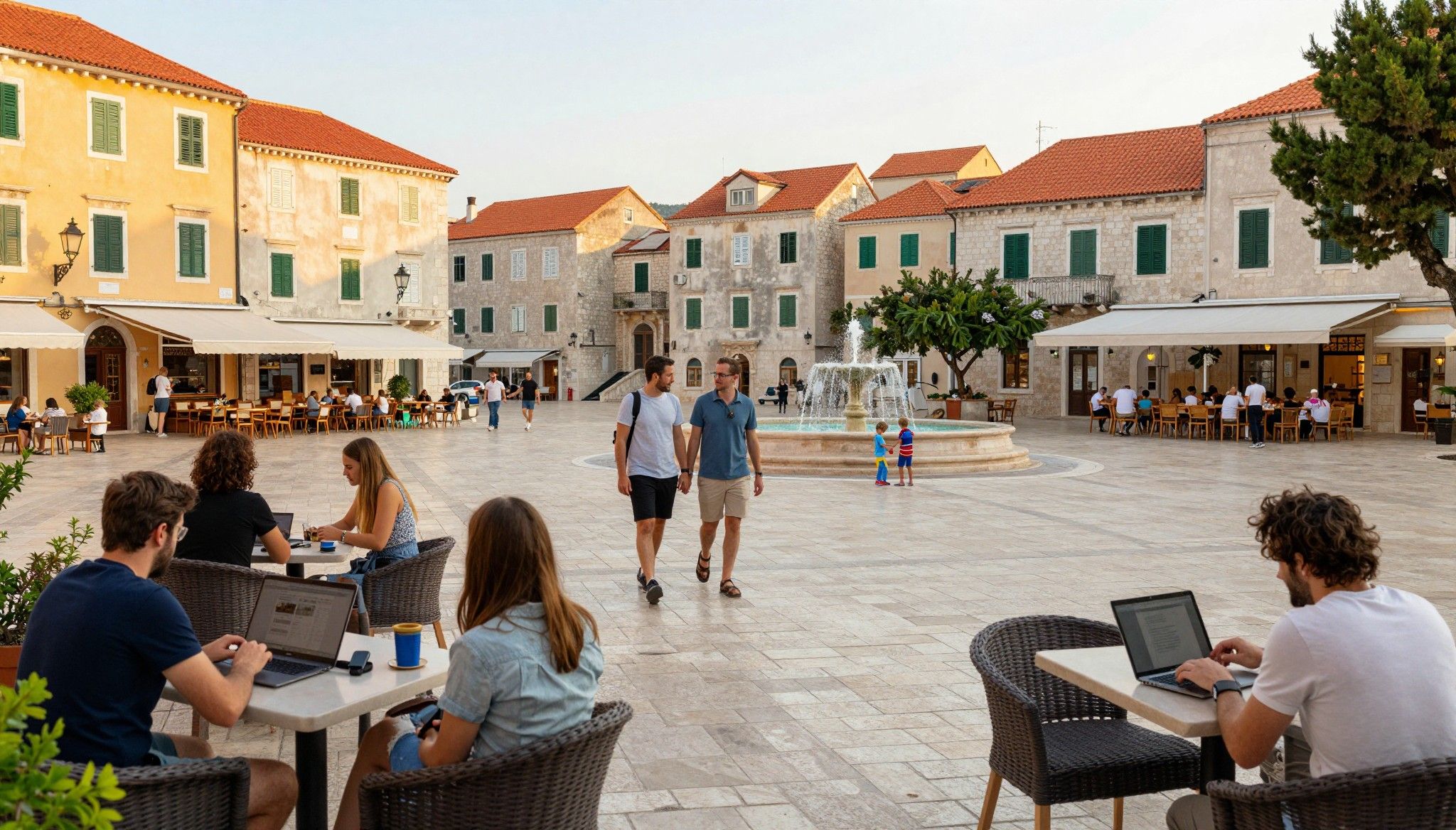
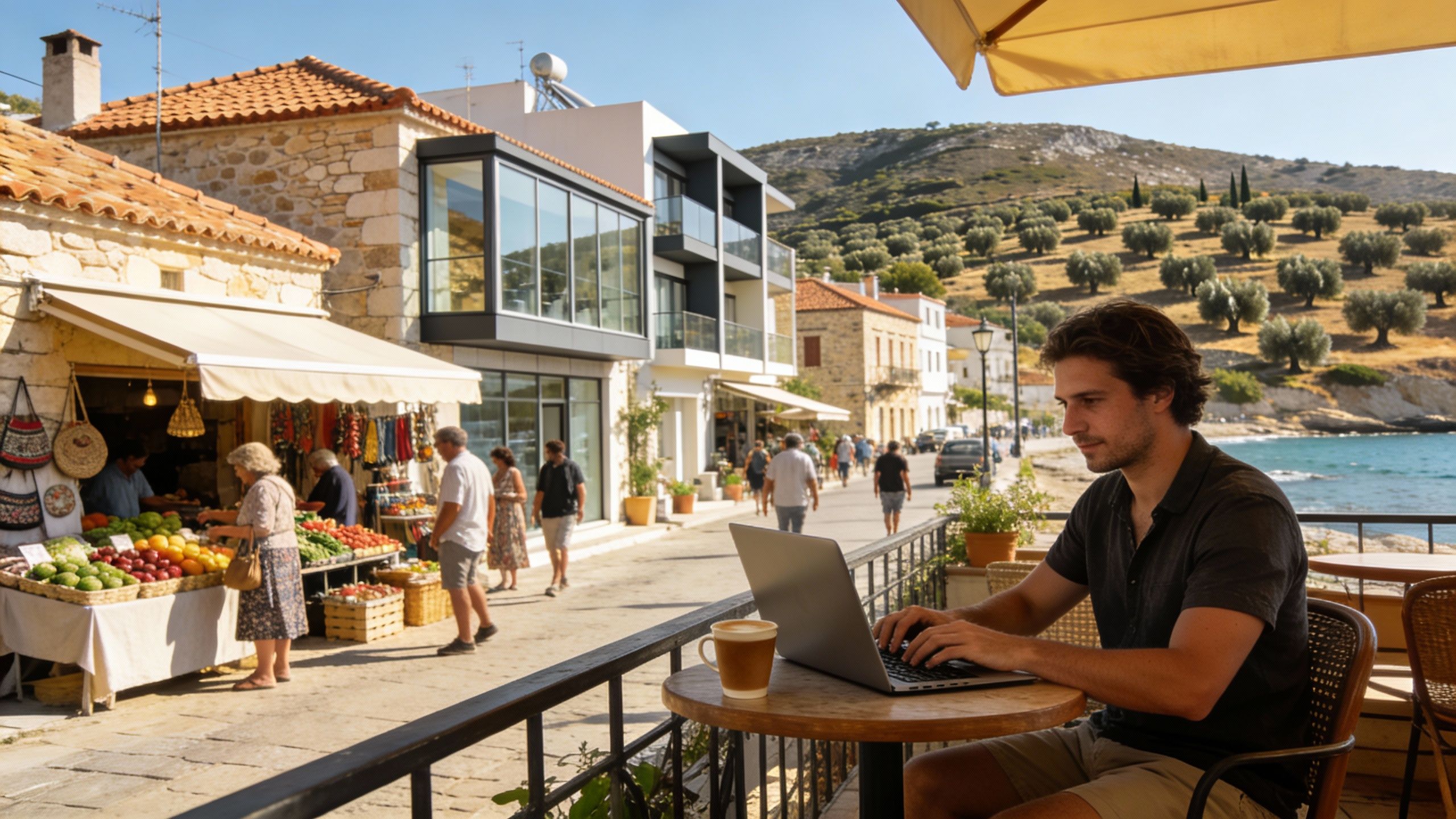
Cyprus is Mediterranean texture in 4K: slow lunches that slide into evening mezze, coffee rituals on sun-bleached sidewalks, and olive trees shading stone lanes. Limassol hums with coasts, marinas and a busy international expat scene; Nicosia feels compact and city‑centered with old‑town lanes; Paphos mixes archaeology with surf-cafés; Larnaca has a quieter, local beat. For remote workers this translates into easy alfresco workdays, reliable cafes with strong Wi‑Fi and a social calendar that includes beach yoga, farmers’ markets and impromptu roof‑top dinners.
Neighborhood pulse: where nomads actually live
In Limassol, Agios Tychon and the old port area attract digital nomads for short walks to the sea and lots of cafés that let you linger with a laptop. Nicosia’s Ledra Street and Engomi neighbourhoods balance compact apartments with coworking proximity. Paphos’s Kato Paphos suits people who want a quieter beach life but still want cafés and short commutes. Each area shifts how much you budget — waterfront streets cost more, inner-town apartments give better value and village houses inland can be surprisingly affordable.
Food, festivals and the weekend ritual
Weekends are for market runs: halloumi and fresh herbs at Larnaca market, a seafood lunch on the Paphos promenade, or a Sunday hike and tavern dinner inland. Festivals — local wine fairs in Limassol, village panigyria in summer — shape when neighbourhoods feel busiest and when short-term rentals spike. For buyers that means thinking seasonally: neighbourhoods that look empty in January can burst with life between April and October.
- Lifestyle highlights
- Morning espresso at a seaside cafe in Molos (Limassol) — beach views and fast Wi‑Fi.
- Saturday market haul in Larnaca — fresh fish, halloumi and friendly haggling.
- After-work drinks in Paphos old harbour — archaeologic sunsets and tavernas.
- Coworking meetups in Limassol and Nicosia — strong expat communities and networking nights.
From daydream to down payment: the money reality

The market has been rising, but not uniformly. Cyprus’s House Price Index shows modest annual gains nationally (around 1–4% in recent quarters), with coastal pockets like Paphos and parts of Limassol seeing faster spikes. That means budgets based on national averages can under- or overshoot depending on the neighbourhood. Treat headline numbers as a compass, not a contract.
What to budget beyond the asking price
Expect transfer fees, stamp duty, legal fees, notary costs and potential VAT on new builds. Typical transactional costs often total 2–4% of price, but transfer fees can be larger without special reductions — and rules about transfer fee reductions or VAT exemptions matter a lot for your final outlay. Always get written estimates from your lawyer before signing.
- Budgeting steps (practical)
- Calculate the purchase price + 3% conservative transactional buffer (legal, notary, admin).
- Ask your lawyer to estimate transfer fees early — these can be based on market value, not declared price.
- If considering a new build, confirm whether VAT applies — VAT affects whether transfer fees are charged.
Property types & local fit: choose the life, not just the layout
Do you want a balcony office with sea breeze, or a tranquil village villa with a lemon tree? Apartments near marinas are sociable and good for short-term rentals; older town homes give character and lower per‑sq‑m cost; detached houses inland offer gardens and space for hybrid work setups. Match property form to daily life: terrace hours, local coffee access, and whether you’ll need a private office space matters more than raw square metres.
Work-from-home checklist — lifestyle features that matter
- Fast, reliable internet (fiber availability in Limassol and Nicosia; check building lines).
- Quiet corner for calls (double-glazed windows if near busy promenades).
- Coworking or café within 10–15 minutes walk for community days and meetups.
Working with local experts who get both life and law
A good Cyprus agent is more than a listings feed — they’re your neighborhood translator, telling you where the best espresso, reliable internet and municipal quirks live. Pair an agent who knows the lifestyle you want with a specialist lawyer familiar with Cyprus transfer rules and departmental timelines. That duo saves money, time and future headaches.
- Practical partnership steps
- 1) Interview 2 agents — ask about recent sales on the exact street you like.
- 2) Hire a lawyer who explains transfer fee scenarios and checks title, mortgages and encumbrances.
- 3) Get a local survey and an internet speed test done before committing.
Insider knowledge: myths, surprises and expat confessions
Myth: "Cyprus is cheap everywhere." Reality: prices vary sharply by district and seafront streets can jump higher than national indices. The Central Bank and Statistical Service show modest national growth, but Paphos and prime Limassol pockets have outpaced averages — so pick micro‑location over generalisations.
Expats say: a few things we wish we'd known
1) Peak summer isn’t ideal for house hunting — short‑term rental hustle makes viewings less honest. 2) Ask neighbours about winter life — coastal noise vs. inland calm matters. 3) Language is easy — English is widely used — but local relationships (and municipal approvals) run smoother when you respect Cypriot rhythms and paperwork norms.
- Red flags to watch
- No clear title deed or long delay in title production — insist on lawyer checks.
- Unclear transfer fee/VAT treatment on developer contracts — get exact calculations.
- Poor internet infrastructure promises — verify real speed tests.
Six months after moving you’ll feel the change: small rituals (a favourite bakery, a Thursday meetup at a coworking space, a morning swim) become anchors. That’s the point — Cyprus gives you a gentle rhythm that supports both work and play. Budget smartly, work with local experts, and pick the micro‑location that matches the life you want.
Ready to translate that espresso-scented dream into numbers? Start with a clear budget (price + 5% contingency), confirm transfer fee scenarios with your lawyer, and schedule viewings outside the peak tourist window. An agent who knows local cafés and municipal quirks will help you land a home that’s not just a property — it’s a life.
Swedish, relocated to Marbella in 2018 to chase sun and property freedom. Focus on legal navigation and tax for Nordic buyers.