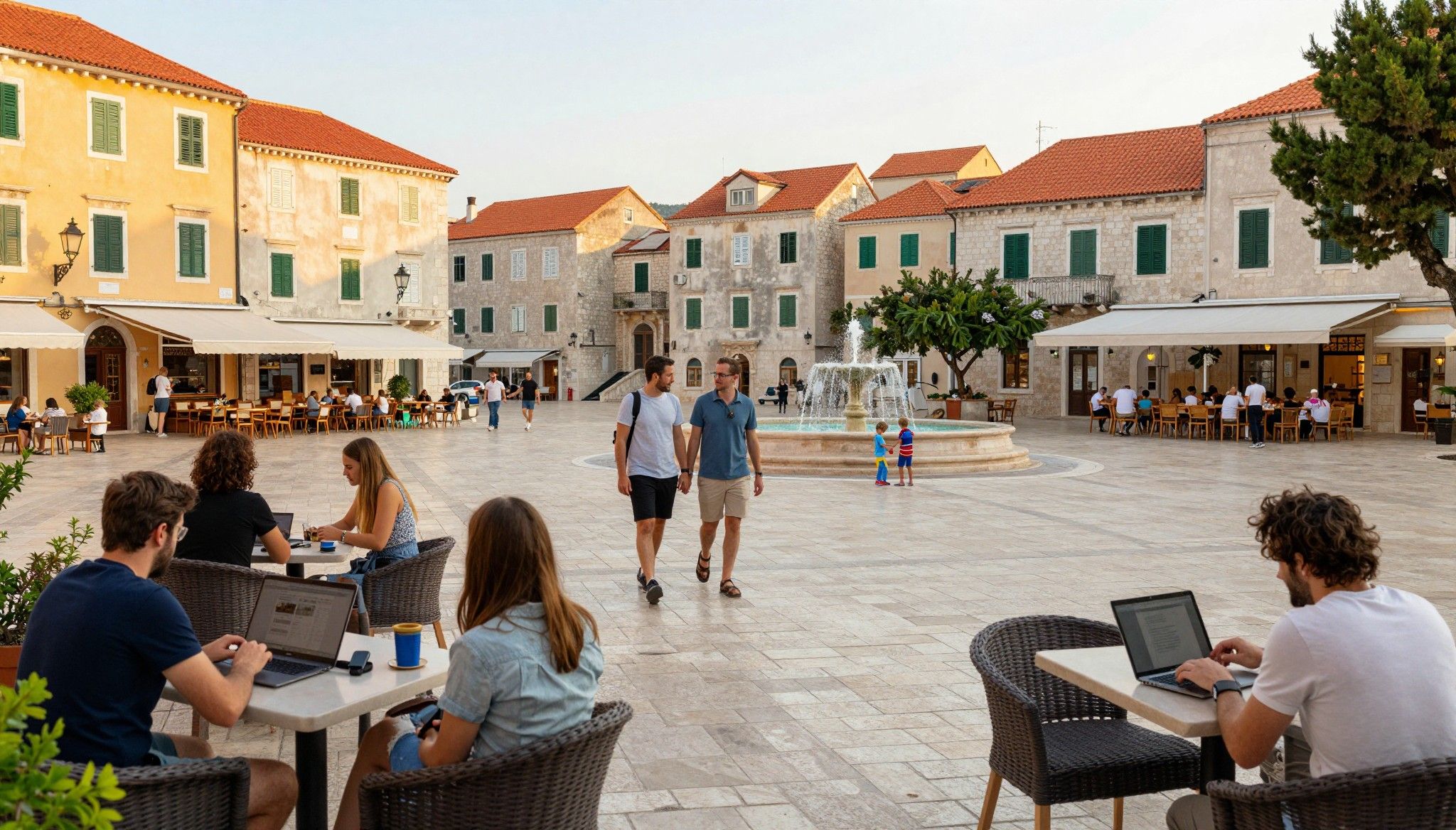
Real Costs of Buying in Croatia: Seasons, Taxes & Neighbourhood Picks
Practical, lifestyle-first budgeting for buying in Croatia: plan for seasonality, recent tax shifts and coastal premiums—budget like a local, live like you’re on holiday.
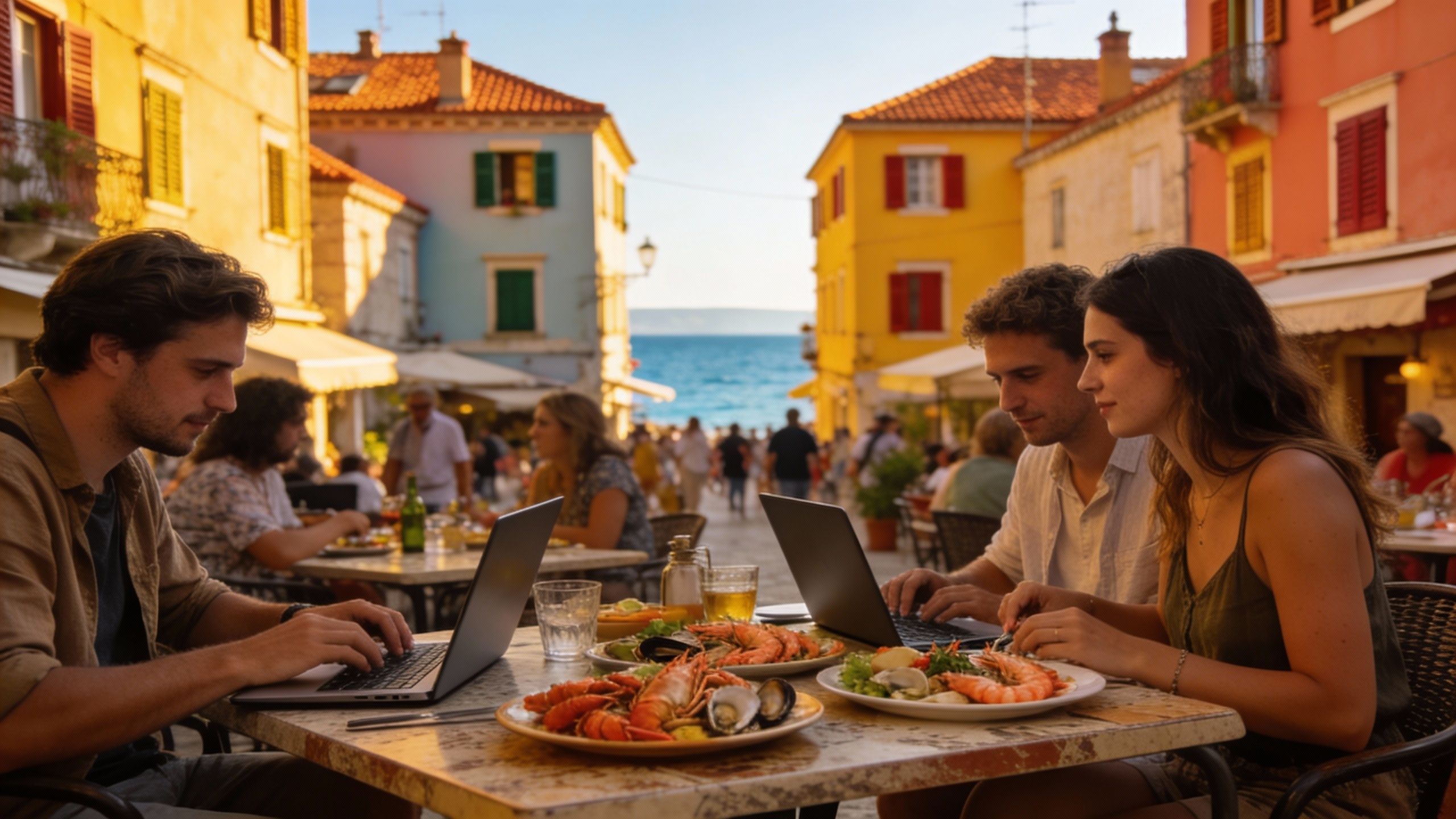
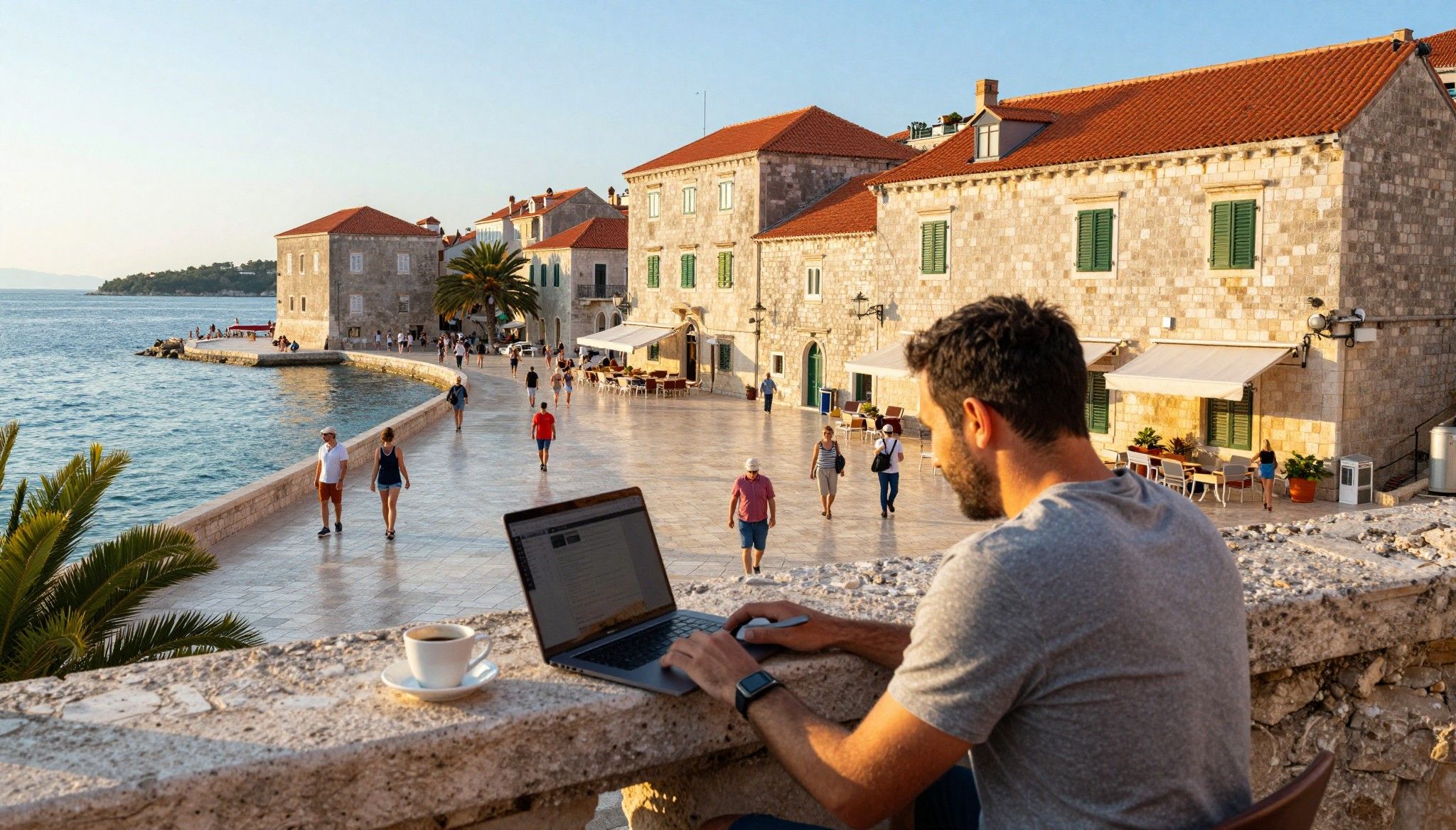
Imagine stepping out at dawn to grab a ristretto on Split’s Riva, then taking your laptop to a sunlit café where the waiter already knows your order. That morning warmth, the scent of grilled fish on a nearby terrace, and the long, slow Adriatic afternoons are why people fall for Croatia. But romance meets reality fast: prices, taxes and seasonal rhythms shape what you can actually buy and where you can afford to live. Recent market analysis shows coastal demand and foreign buying patterns have shifted—so budget with eyes wide open.
Living the Croatia life
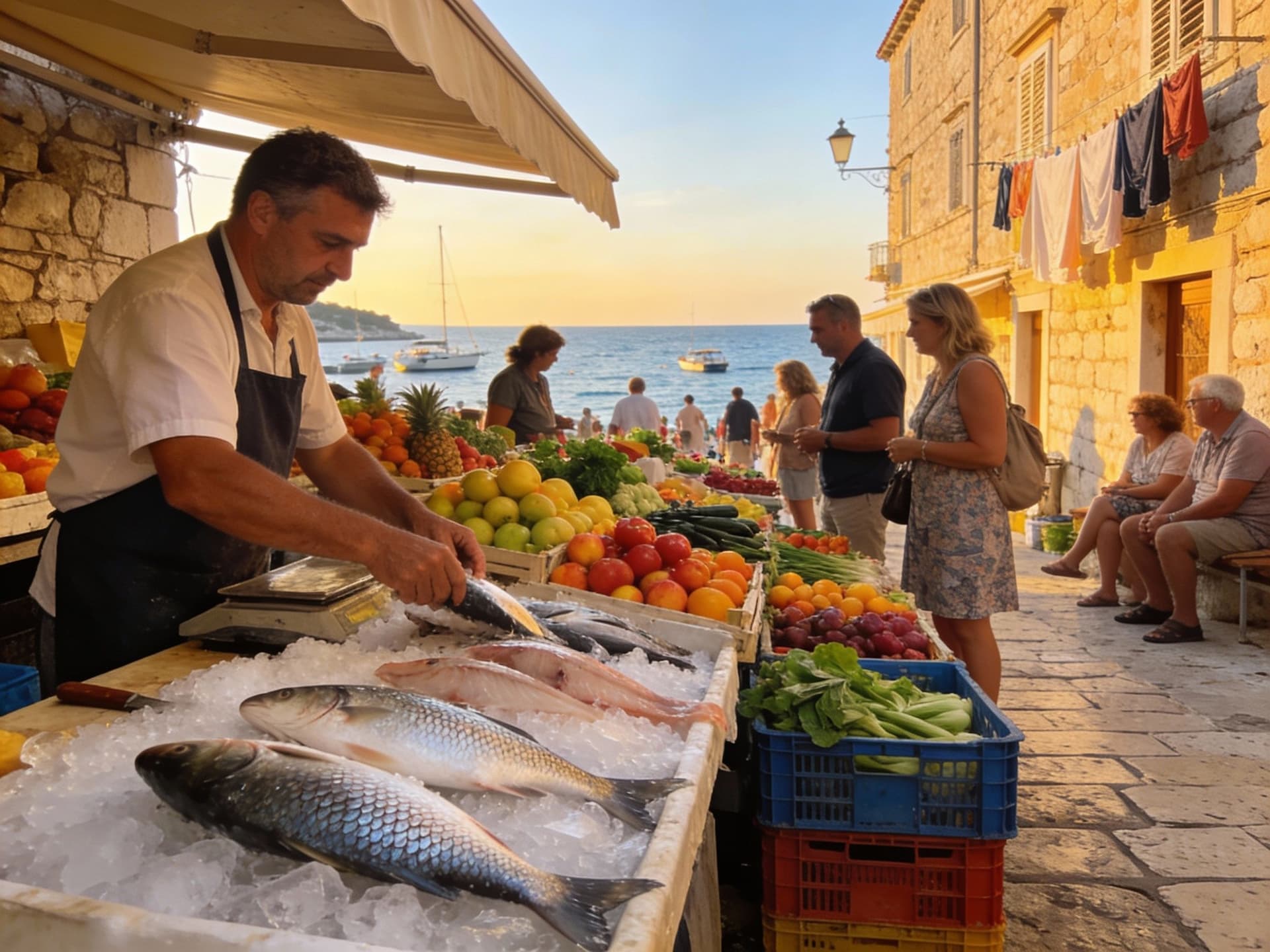
Croatia’s rhythm is coastal mornings and historic afternoons. In Dubrovnik you hear church bells and tourist chatter; in Hvar the marina is a runway of dayboats; in Zagreb neighborhoods like Maksimir and Tkalčićeva pulse with cafés and coworking communities. Day-to-day life blends Mediterranean ease with Central European practicality—fresh markets on Saturday, slow dinners at family-run konobas, and peak social life in July and August. For buyers, that means lifestyle choices (sea view vs quiet hilltop) directly affect budget and running costs.
Coast vs capital: where mornings set the mood
Pick Split or Dubrovnik and mornings smell like salt and citrus; choose Zagreb and your coffee comes with an urban ritual and stronger coworking options. Coastal towns deliver holiday‑season vibrancy and short‑term rental demand—good for income but pricier and more seasonal. Inland and city neighborhoods offer steadier year‑round life, better broadband choices, and community amenities that remote workers depend on. Your budget must reflect the seasonality of your chosen rhythm.
Food, markets and micro‑neighborhood culture
Picture buying morning fish at Split’s fish market, an afternoon of coworking at a converted palace, then a sunset swim off Bačvice. Neighborhoods are defined by one or two gathering points—a market, a piazza, a beachfront café. That micro‑culture matters: if you want a community of creatives and solid Wi‑Fi, scout for streets near coworking hubs in Diocletian’s Palace (Split) or Donji Grad (Zagreb). These small choices change monthly living costs and resale appeal more than square metres do.
- Morning markets, sea swims, and a handful of coworking spaces: lifestyle highlights to budget for
- Split’s Riva and Bačvice beach — social mornings and strong short‑term rental draw
- Hvar Old Town marina — high season premium, slow winter life; expect maintenance and management costs
- Zagreb’s Tkalčićeva & Maksimir — year‑round cafés, coworking, and steadier living costs
Making the move: practical budgeting that keeps the dream real
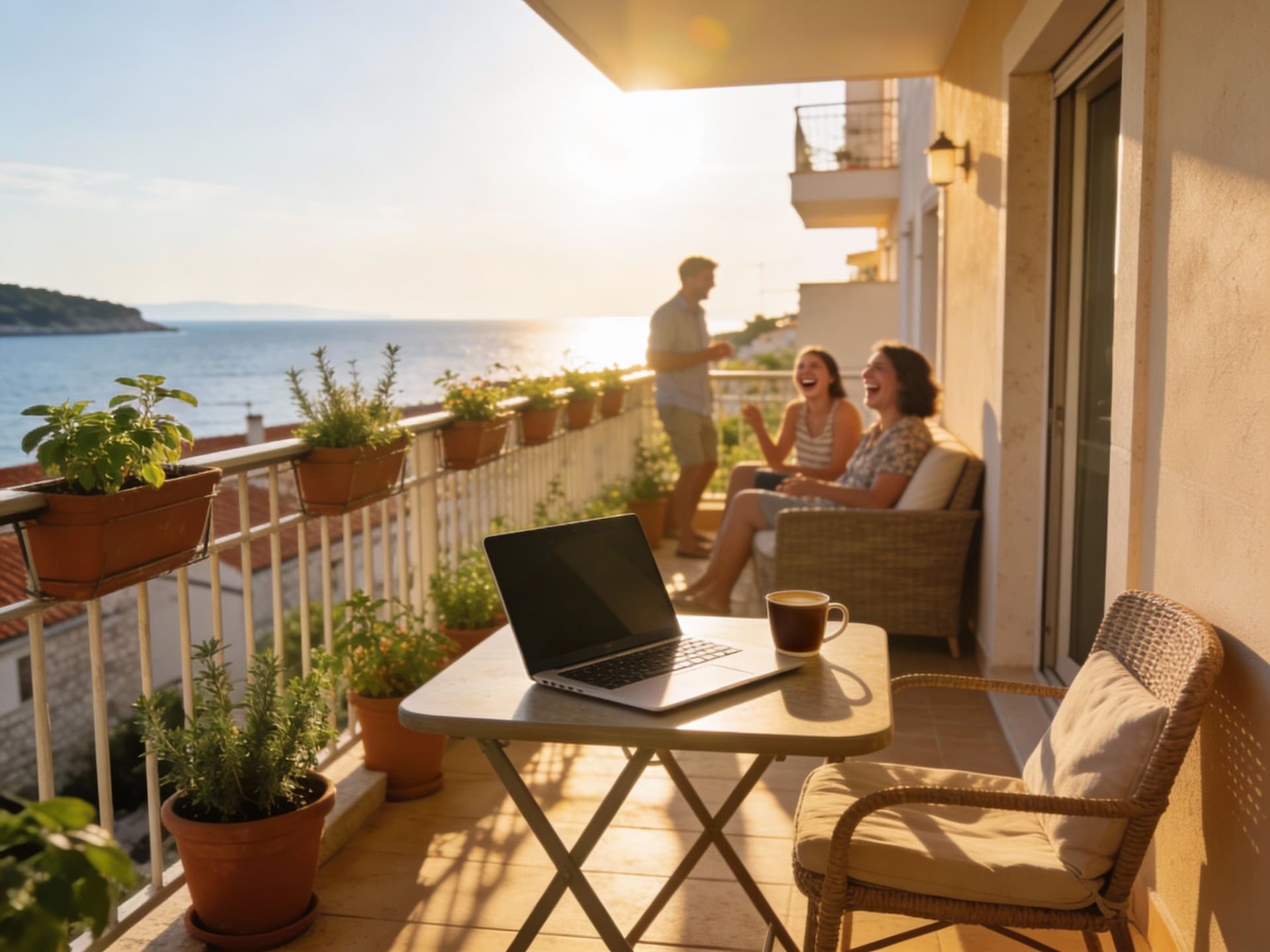
The coastal postcard hides policy shifts that affect budgets. Croatia introduced property tax reforms and has been working to curb short‑term rental pressure—changes that directly alter holding costs and rental income estimates. On top of that, tourism booms drive seasonal demand and prices in popular spots, so plan for heavier costs where tourist flows peak. Use official sources to model annual net costs and don’t assume summer rents will cover year‑round expenses.
Property types and what they actually cost you
A stone house in Istria sounds romantic, but older buildings mean renovation, insulation and plumbing upgrades. New coastal developments carry a premium but lower immediate maintenance. According to recent market snapshots, coastal properties still command significant premiums. Factor renovation, insurance, municipal fees, and a realistic allowance for property management—especially if you plan short‑term lets—into your initial budget.
Work with local experts who know seasons and spreadsheets
Agencies that sell the lifestyle aren’t always the ones who protect your budget. Find agents and lawyers who can model net yields, explain tax exemptions for long‑term rentals, and advise on local utility costs. A good local accountant will show you how recent policy changes affect net returns and whether a property’s busy summer months mask winter vacancies. That expertise is part of your purchase cost—and worth budgeting for.
- Step 1: Build a real‑world monthly budget (mortgage, utilities, maintenance, management, insurance)
- Step 2: Add a 20–30% seasonal buffer for summer‑peak costs and winter vacancy on coastal properties
- Step 3: Quote local trades and factor in renovation timelines (stone houses often need more than cosmetic work)
- Step 4: Include professional fees—lawyer, notary, translator, and a local accountant—to avoid surprises
Insider knowledge: what expats wish they’d budgeted for
Expat forums brim with stories: ‘We forgot to budget for winter heating in a stone shell’ or ‘The summer rent was great, but the October–April months nearly broke us.’ Tourism numbers hit records in 2025, which keeps summers busy—but also increases municipal pressure to tax and regulate short‑term letting. Those policy shifts change the math for buyers relying on tourist income. Plan for the long game, not just the postcard months.
Cultural and seasonal costs that sneak up on you
Local customs—like summer festivals, municipal clean‑up fees, or communal building repairs in stone villages—create expenses that rarely appear in listing sheets. Language can be a cost too: budget for translation of contracts and for extra time with your lawyer if you don’t speak Croatian. Expect to pay for reliable broadband upgrades in older buildings if remote work is non‑negotiable.
Look beyond the obvious: neighborhoods locals buy in
Contrary to the tourist maps, some of the best value is on streets a few blocks from the sea—where locals live, markets thrive, and annual costs are lower. Think Ploče fringe streets in Dubrovnik rather than the Old Town core, or the neighborhoods just above Split’s Riva. These areas offer community, year‑round life, and less pressure from holiday strangers—good for long‑term budgets and mental peace.
- Red flags that should change your budget assumptions
- No energy efficiency cert – means higher heating/cooling costs
- Unclear ownership or pending municipal fines – legal costs add up fast
- Overpriced sea‑view listings with poor access – maintenance and management can eat returns
Conclusion: Fall in love with the life, but budget like a local. Croatia delivers Mediterranean mornings and community‑rich neighborhoods, yet the purchase math is shaped by seasonality, recent tax moves and concentrated foreign demand. Start with a realistic monthly model, add buffers for seasonality and policy shifts, and hire local experts who can translate lifestyle into numbers. When you do, that espresso on the Riva becomes not just a holiday memory but part of an affordable everyday life.
Danish investor and relocation advisor focusing on Portugal and the Algarve; loves coworking culture and expat networks.