The Cyprus Budget Myth: Hidden Costs Nomads Miss
Fall for Cyprus’s sunlit lifestyle — but build a budget that includes transfer fees, VAT traps, communal costs and a negotiation buffer to avoid surprises.
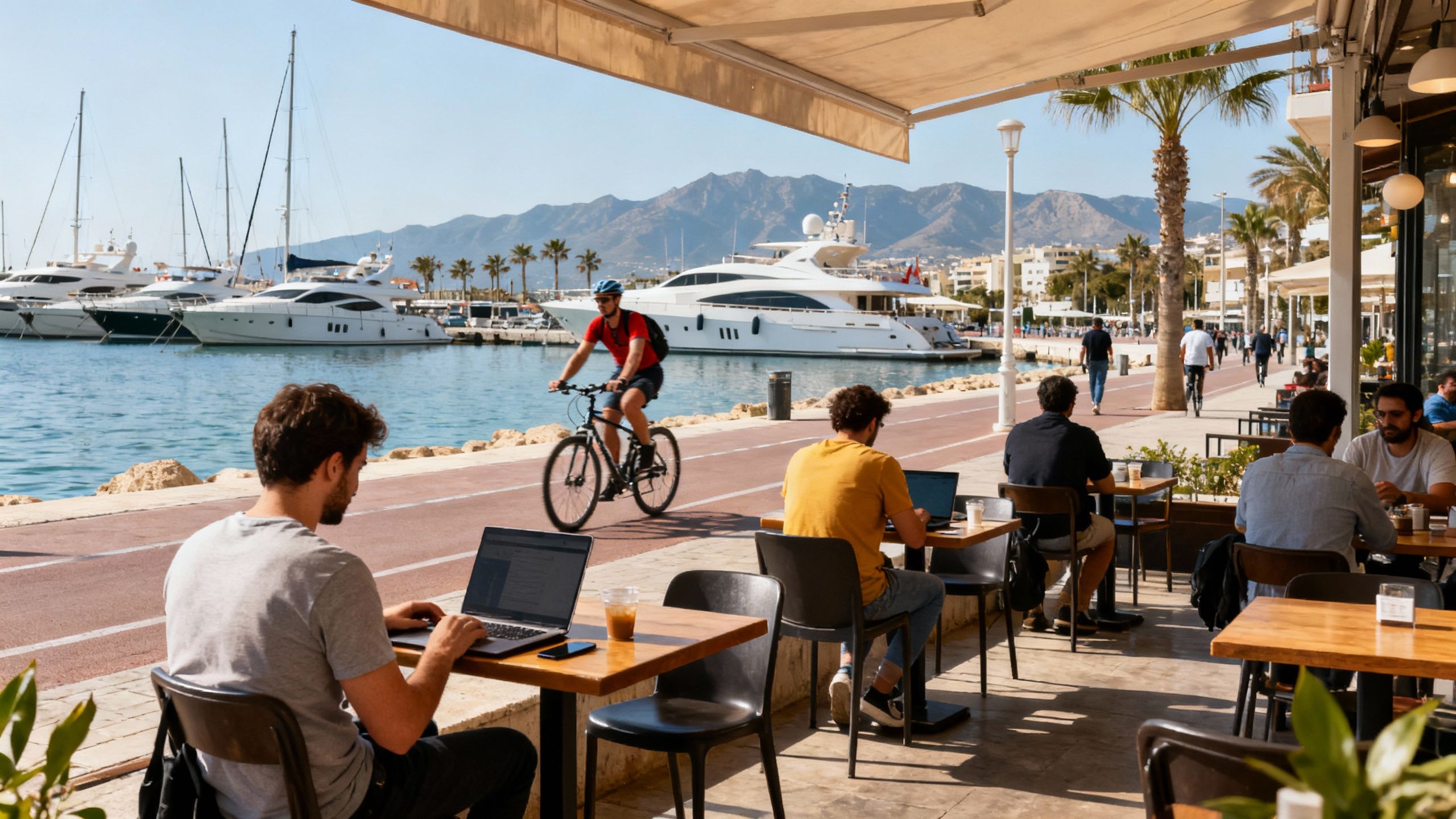
Imagine sipping an espresso on an old stone step in Limassol’s old port as delivery scooters hum past and the sea smells like sun-warmed salt. That easy, sun-soaked routine is what draws nomads to Cyprus — but the money side of making that routine permanent often surprises people. Recent market snapshots show steady but modest house-price growth and an active sales market, and that detail matters when you’re setting a realistic initial budget for a move. Let’s walk the island together — from coffee table to contract — and expose the small costs that quietly reshape budgets.
Living the Cyprus lifestyle

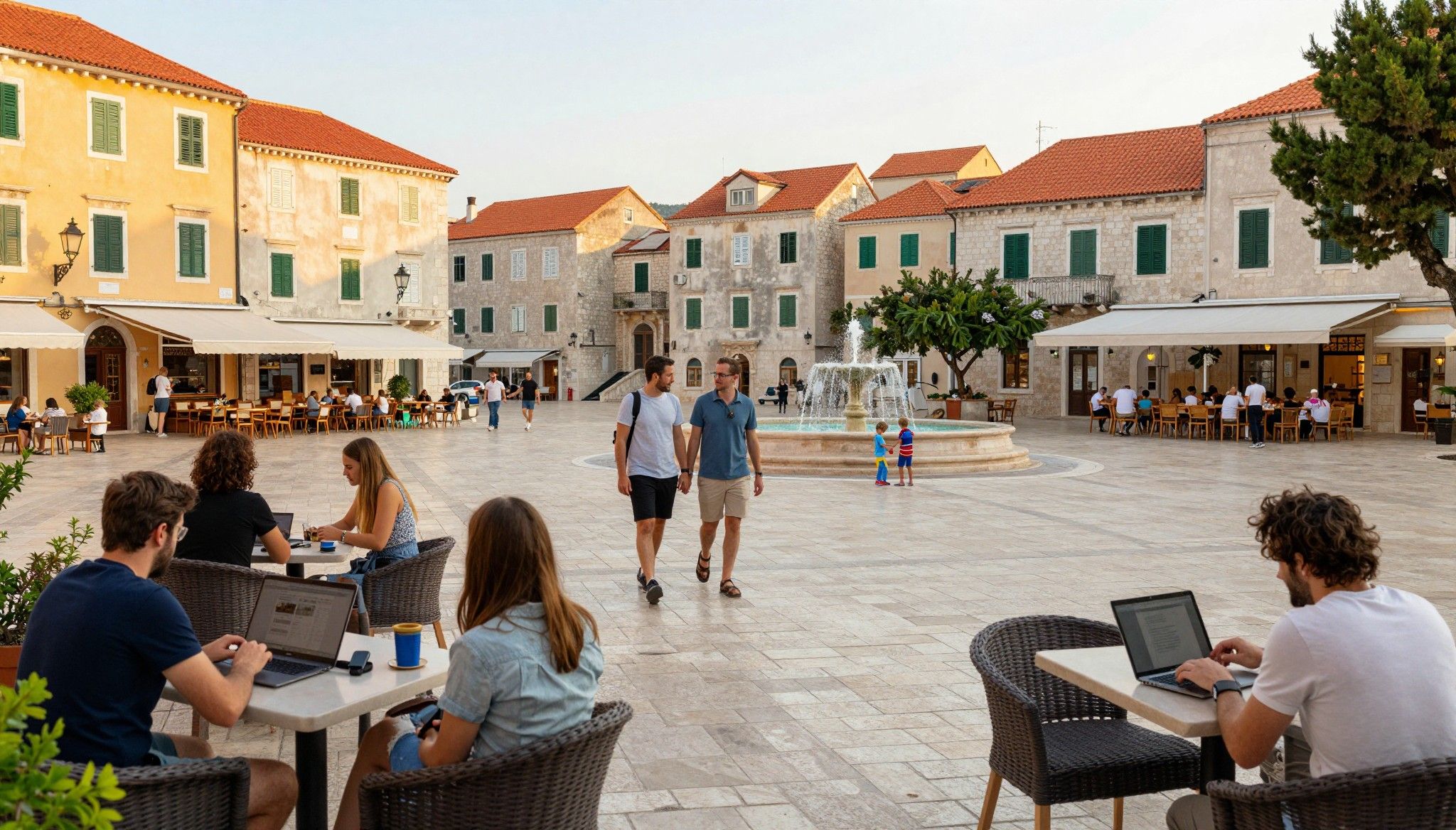
Cyprus feels like two lives folded into one: lazy Mediterranean afternoons and, in the cities, a surprisingly modern coworking and café culture. In Nicosia you’ll find narrow streets lined with lunch plates and fast fibre in converted townhouses; in Paphos quieter mornings and seaside promenades that end with sunset beers. The island’s pace is warm and human — neighbours barter fruit, markets smell of halloumi and oregano, and weekends revolve around beach tavernas or mountain villages in Troodos. For nomads who need both reliable internet and neighbourhood character, Cyprus delivers a compelling combo — but the cost of locking that lifestyle into bricks and mortar needs thought.
Neighborhood spotlight: Limassol Old Port & Molos
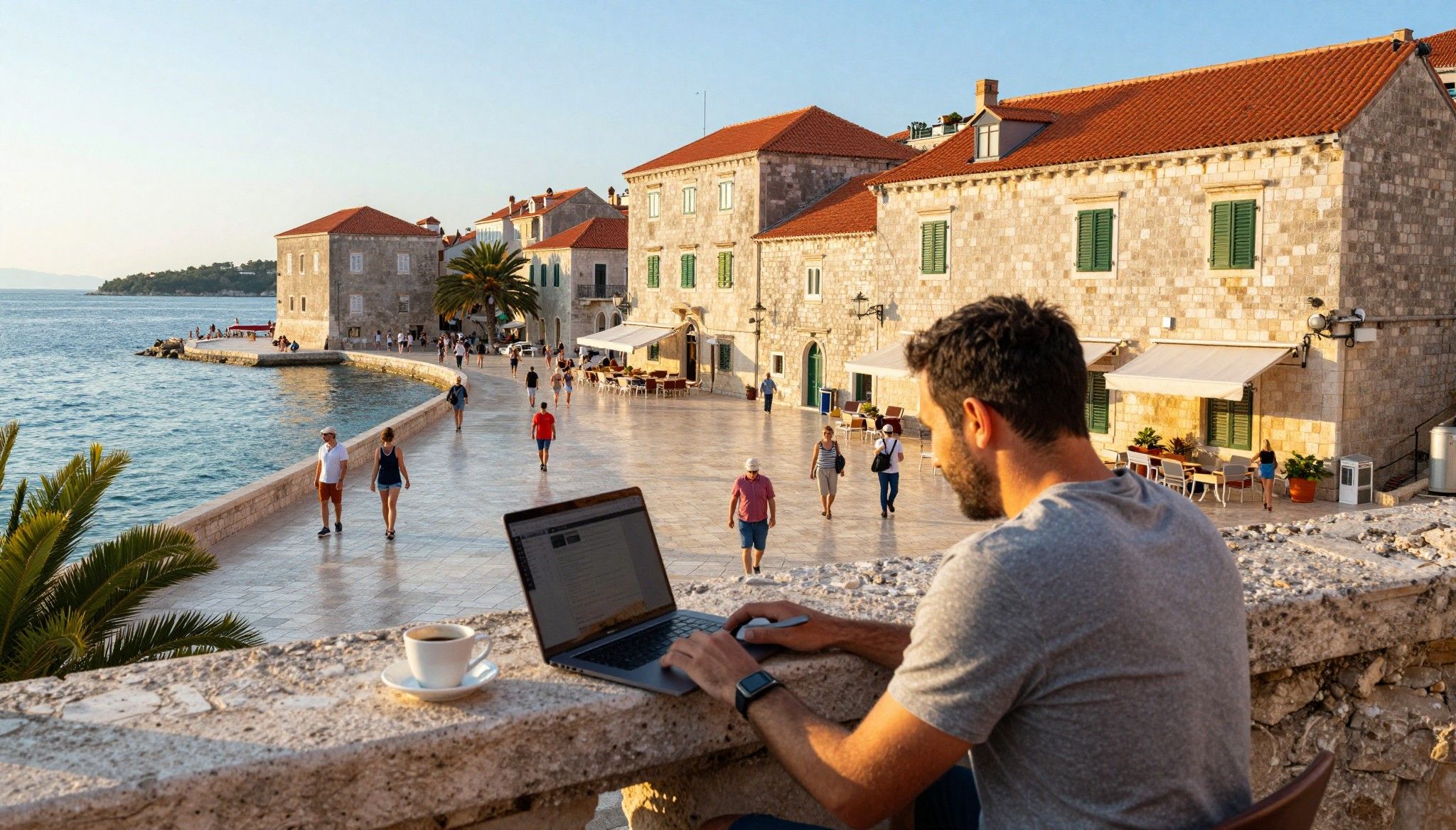
Picture morning runs along Molos, lunchtime mezze at To Katoi, and evening coworking sessions near Designer’s District cafes. Limassol has the island’s most international energy: slick marinas, contemporary apartments, and buzzing bars that keep expats and entrepreneurs connected. That vibrancy comes with a price premium compared with inland towns — so when you budget, account for slightly higher purchase prices, maintenance fees for complexes, and stronger rental demand if you plan to earn income while away.
Food, festivals and weekend rhythms
Weekends in Cyprus unfold around farmers’ markets, seaside meze, and small festivals — from wine fairs in Limassol to church fêtes in the mountains. These social anchors shape where locals buy: streets with cafés and weekly markets keep resale values steady because they tangibly improve daily life. If you want a home that delivers that social calendar, prioritise walkability to markets and a terrace for alfresco evenings when you build your budget.
- Lifestyle highlights to budget around
- Morning coffee at boutique cafés in Old Town (Limassol), sunset walks on Paphos promenade, weekly farmers’ markets (Larnaca Municipal Market), Troodos weekend hikes, local tavernas with seafood catches, community-run festivals that pop up seasonally.
Making the move: practical considerations

The dream is the reason you’re here; the spreadsheet is how the dream survives. Cyprus’s official House Price Index shows modest annual growth around 1–2% in 2025, so prices aren’t sky-rocketing island-wide — but local pockets like Limassol and certain coastal developments can move faster. That means your initial budget needs a buffer for local premiums, transfer costs, and the lifestyle add-ons that make a property feel like home.
Property styles and how they shape budgets
From sea-view apartments and modern gated complexes to quaint stone houses in the hills, each style brings different running costs. Apartments in complexes often include communal fees, pool upkeep and security charges; period village homes may need insulation, roof work or plumbing upgrades. Match the property type to how you’ll actually live: if you’re a remote worker, budget for a dedicated workspace, backup power or faster fibre upgrades where needed.
Work with local experts who know life, not just listings
A great local agent or lawyer doesn’t just show properties — they’ll flag which streets get noisy in high season, which complexes have reliable management, and whether a building’s communal fees are inflated. They’ll also explain when VAT applies (new builds) versus transfer fee structures (resales). Use experts to map lifestyle wants to realistic cost ranges so you don’t fall for the ‘sea-view sticker shock’ mid-process.
- Steps to build your Cyprus purchase budget
- 1) Set your lifestyle baseline: rent a month in your target neighbourhood to feel the rhythm before committing. 2) Add purchase-specific fees: stamp duty, transfer fees or VAT on new builds, and legal fees (typically 1–2% of price). 3) Include one year of running costs: communal fees, insurance, property tax, utilities and modest renovation funds. 4) Add a 7–10% negotiation buffer for hidden fixes or fast decisions.
Insider knowledge: what expats wish they’d known
Expat buyers consistently tell the same story: they loved the lifestyle but underestimated recurring costs and local quirks. Transaction numbers show the market remains active — 2024 recorded high sales volumes — which means good picks are still available but competition in hotspot pockets can be fierce. The honest advantage you can build is local knowledge: knowing which streets flood in heavy rain, which complexes skimp on maintenance, and where fibre is actually delivered matters more than an attractive terrace.
Cultural quirks that change budgets
Cypriots prize outdoor life, which means terraces, pergolas and shaded courtyards dramatically increase a home’s usability — and often the price. Also, many small businesses close for long summer afternoons; if you plan DIY renovations, schedule contractors in the shoulder season. Finally, community connections can unlock better tradespeople and cheaper restorations — invest time in neighbour introductions early on to save money later.
Long-term lifestyle + practical considerations
Think beyond purchase: if you plan to rent the place when away, factor in short-term rental rules, management fees, and seasonal occupancy swings. If residency is a goal, note that Cyprus ended its earlier citizenship-by-investment scheme, so buy for life and income reasons rather than expecting a fast residency shortcut. Over time, properties close to community hubs — markets, good schools, and reliable transport — tend to hold value better, so weight lifestyle convenience in your budget calculus.
- Quick red flags to factor into upfront budgets
- No-issued title deeds, unusually low communal fees (often a sign of deferred maintenance), buildings without up-to-date planning permits, properties sold through opaque channels, and sellers asking for rushed deposits — all of these can blow budgets quickly.
Conclusion: fall for the life, plan for the details. Cyprus offers a vivid, sunlit life for nomads — outdoor cafés, reliable islands of community, and a calm Mediterranean rhythm — but making that life permanent requires an honest budget that covers small but consequential costs. Start with a lifestyle-first wishlist, convert it into purchase-and-running-costs, and work with local agents and lawyers who can translate neighbourhood charm into numbers. When you do that, the stone step espresso becomes yours — and stays yours.
Danish investor and relocation advisor focusing on Portugal and the Algarve; loves coworking culture and expat networks.