When to Buy in Greece: Seasons That Shape Your Budget
Seasonality, transfer tax rules and hidden island costs shape the real budget for buying in Greece—plan for VAT vs transfer tax, notary fees and seasonal maintenance.

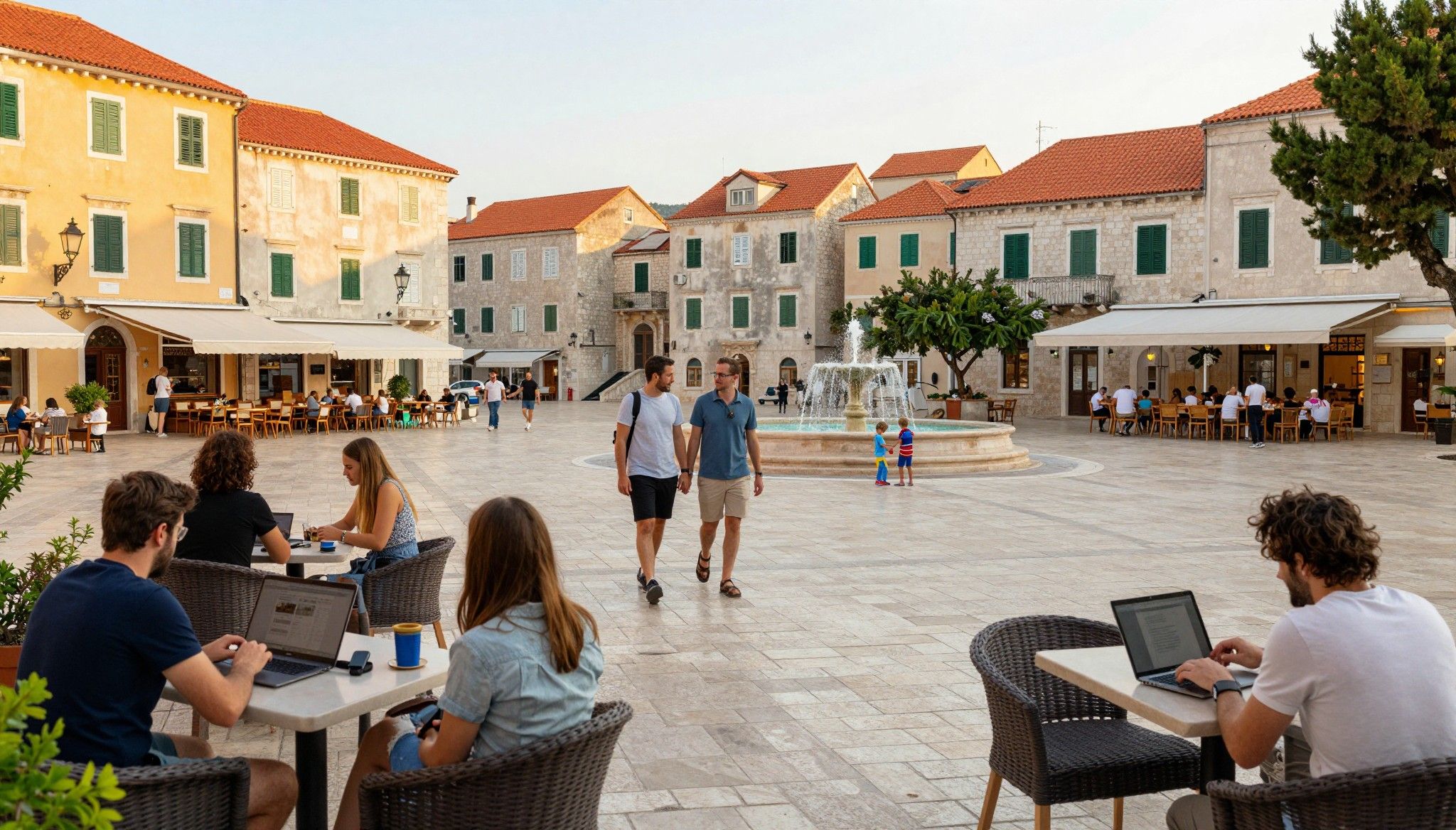
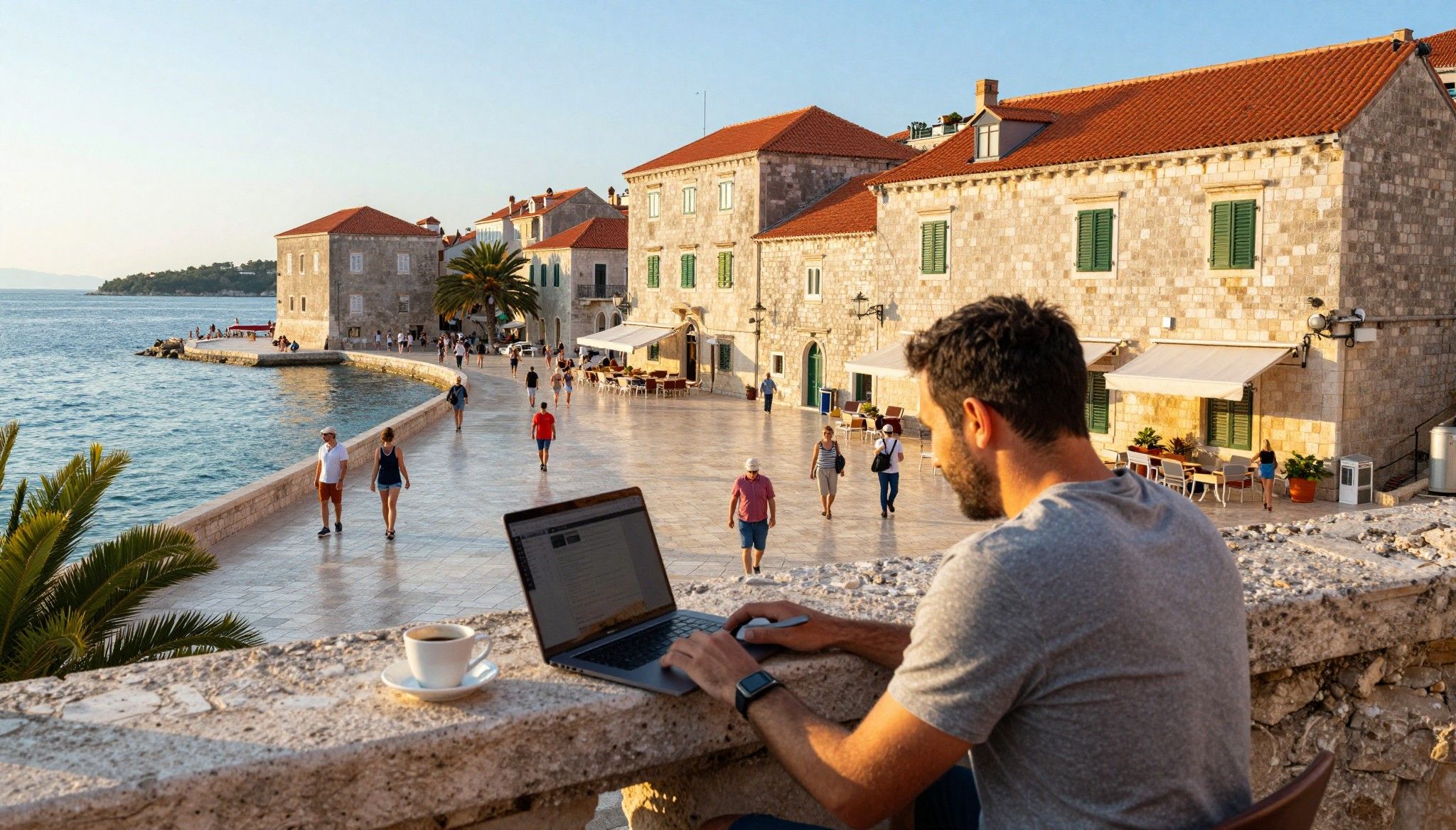
Imagine sitting at a sunlit kafeneio on an Athens side street or sipping ouzo on a Santorini terrace, laptop open, the Aegean just beyond. Greece sells a life — slow mornings, fierce food, a sea-blue calendar of festivals — but the price tag is not only the asking price. Seasonality, tax rules, and local fees quietly shift your real budget. Read on if you want to fall for Greece — and build a realistic, nomad‑friendly budget that actually works.
Living the Greek Life — what you’ll actually feel and spend

Greece is sensory: morning markets smell of thyme and citrus, late‑night plates brim with grilled fish and taverna chatter, and alleyways host neighborhood life that starts early and goes late. For nomads, the important details are practical: stable internet in cities (Athens, Thessaloniki), island connectivity that varies by carrier, and neighbourhoods with cafés that double as daytime offices. That rhythm affects where you should look and how much you’ll budget for everyday life versus property carrying costs.
Athens pockets: Plaka, Koukaki, Pangrati — the weekday/workday tradeoffs
Koukaki and Pangrati pulse with cafes and coworking spaces; you can work from a rooftop near the Acropolis and still find quieter streets for evening walks. Expect curious tradeoffs: central places save commuting time but cost more per square metre. Yet they also save you on coworking or transport subscriptions — a budget win for remote workers who value time over square footage.
Island contrasts: Mykonos and Santorini vs Naxos and Syros
Yes, Mykonos and Santorini command premium per‑m² prices, but lesser‑known Cyclades like Naxos and Syros offer much of the island life at a fraction of the cost. If you crave beaches, tavernas, and a tight‑knit community, those islands give lifestyle for less — especially outside July–August when tourist rent premiums evaporate.
- Lifestyle highlights: markets, beaches and places to work
- Morning coffee in Exarchia or Plaka; people‑watching at Athenian markets
- Coworking and rooftop cafes in Koukaki and Monastiraki
- Ferries at dawn to Naxos for rustic beaches and lower costs
- Local tavernas that double as community hubs and informal networking spots
Making the move: practical considerations that shape your budget

The property market in Greece has been rising steadily: national house price indices show year‑on‑year growth, concentrated in desirable islands and Athens suburbs. That means timing — season and micro‑location — impacts not just asking price but negotiation room. Budgeting here is about spotting when lifestyle demand inflates price and when it relaxes.
Property styles and what they mean for living costs
Stone townhouses, new builds with rooftop terraces, or apartment blocks each bring different hidden costs: restoration and seismic upgrades on older homes, VAT vs transfer tax differences on new builds, higher maintenance for seaside exposure. Factor maintenance, insurance, ENFIA (annual property tax) and potential VAT when the property is new into your initial budget.
Working with local experts who protect your lifestyle budget
Hire a Greek lawyer and a local agent who understand seasonal pricing and the island‑specific quirks (water rights, access easements, cadastre status). Notaries, registry fees, and agent commissions are predictable costs — but local experts tell you when a property’s paperwork will trigger VAT versus transfer tax, which can save or cost you tens of thousands.
- Step-by-step: realistic budgeting for a purchase in Greece
- Estimate the purchase price and add 3% transfer tax (or confirm VAT rules for new builds).
- Add notary, registry and lawyer fees (commonly 1–2% + 1–2% + VAT where applicable).
- Budget for agent commission (typical market practice) and a renovation contingency (10–20% if older property).
- Factor annual carrying costs: ENFIA, utilities, insurance, and summer rental management if you plan to offset costs with short‑term lets.
Insider knowledge: what expats wish they'd known before buying
Here’s the real talk: island photos hide extra costs (seasonal ferry freight, higher construction prices, limited contractor availability), and Athens listings hide noise and HOA quirks. Expat buyers also underbudget for slow admin timelines. Knowing these realities keeps your dream intact — without surprise bills.
Cultural and seasonal realities that affect budgets
Expect slower bureaucracy and seasonal slowdowns (many municipal offices and builders semi‑close in August). Also watch for banking rules around transfers and fees — recent policy moves have eased some retail banking charges, but account setup and international transfers can still add time and small expenses to your plan.
Longer-term: how lifestyle choices change your financial picture
Choose a lifestyle first and a property second. If you value coworking and stable internet, plan toward Athens or Thessaloniki pockets where subscription and living costs can be lower than island premiums. If you want island time, budget for seasonal income fluctuations and higher maintenance. Over five years, lifestyle choices often outweigh marginal price-per-m² differences.
- Red flags and quick checks before an offer
- No cadastre/land registry entry — paused or incomplete titles require lawyer review.
- Seller claims of ‘seasonal premium included’ — verify recent off‑season rents or sales data.
- Unclear utility access (water on some small islands is rationed in summer) — budget for tanks/solutions.
Conclusion: Fall for Greece, but budget like a local. Start by picking 2–3 neighbourhoods or islands that match your work rhythm, confirm tax and VAT status with a lawyer, and build a buffer for seasonal maintenance and admin delays. A good local agent becomes your lifestyle translator — they’ll help you match day‑to‑day life (cafés, connectivity, community) with a realistic financial plan so your Greek life feels effortless, not surprising.
British expat who moved from Manchester to Mallorca in 2017. Specializes in market analysis and helping fellow Brit navigate local regulations.