Bid Smart in Croatia: Offer Tactics for Faster Closings
Croatia’s prices rose double digits recently; blend lifestyle-first choices (markets, ferries, coworking) with offer tactics—pre-contracts, cadastre checks and bilingual lawyers—to close smart.
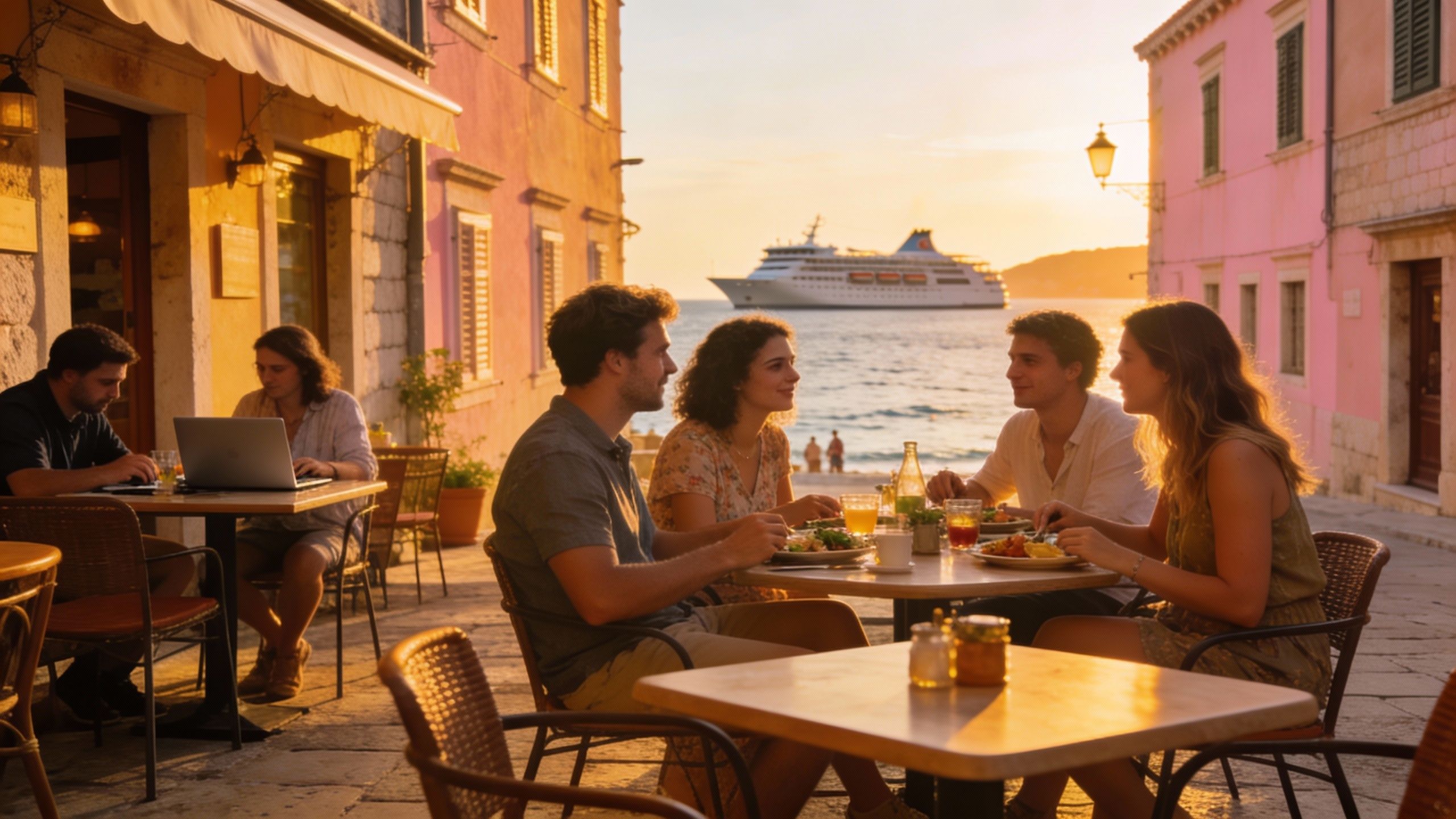
Imagine stepping out onto Split’s Riva at 7 a.m., espresso in hand, the sea a sheet of silver and bakers already setting out trays of burek. That morning light, the market calls in Zadar, the lavender-scented lanes of Hvar — Croatia sells a slow, sunlit life. But behind the postcard lies a fierce market where prices climbed double digits recently; dreaming without a plan costs you both lifestyle and leverage.
Living the Croatia lifestyle
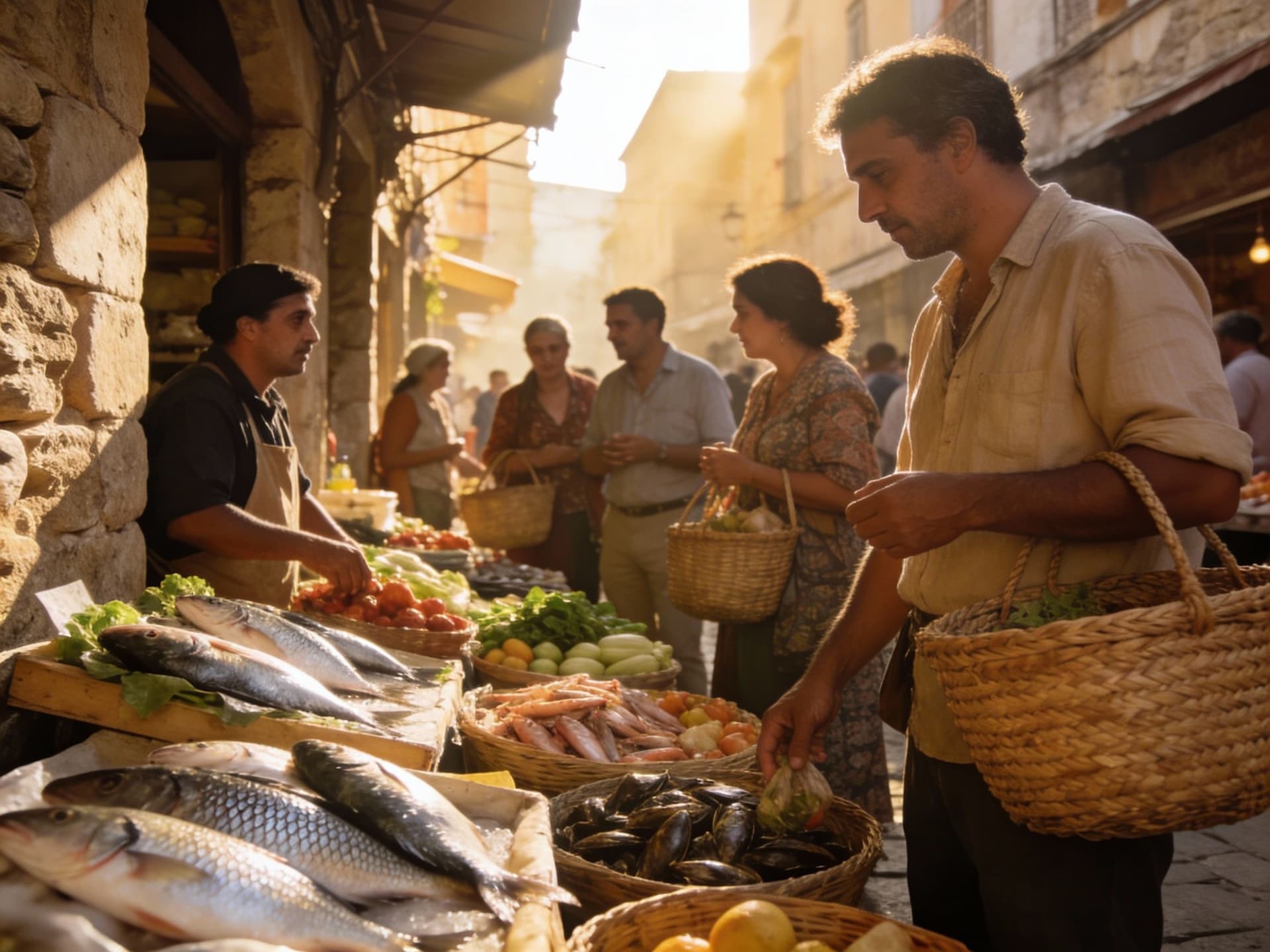
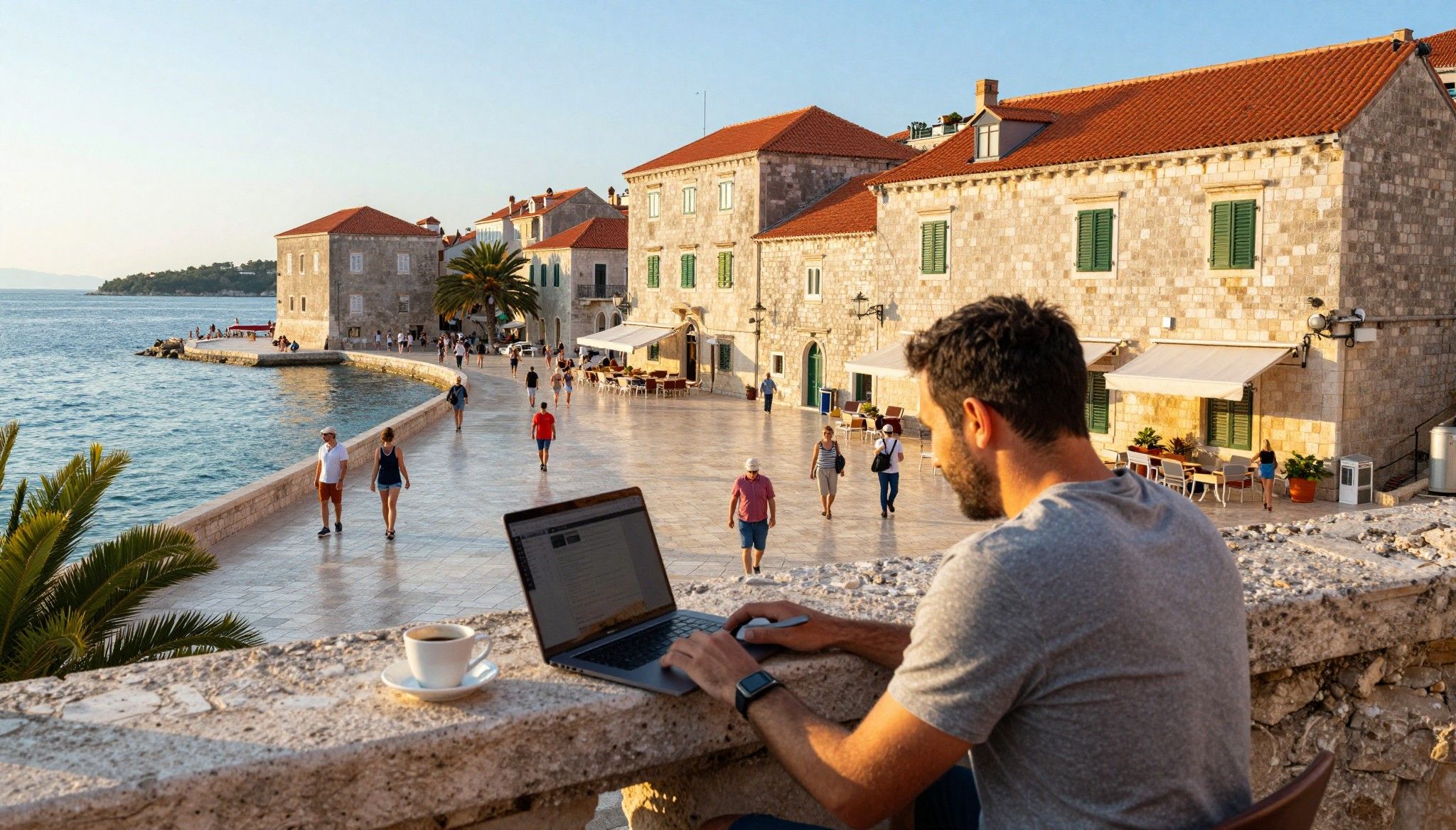
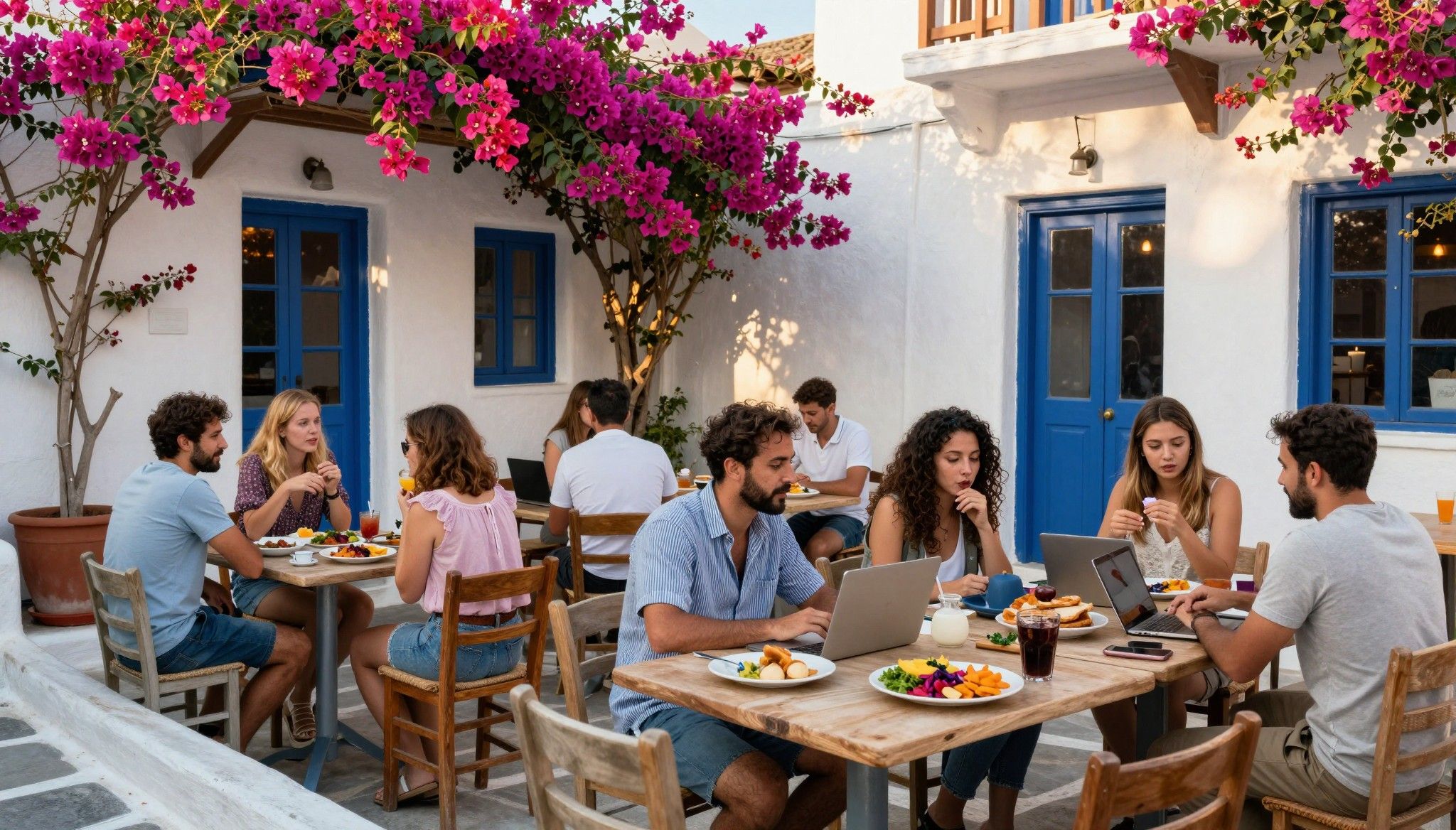
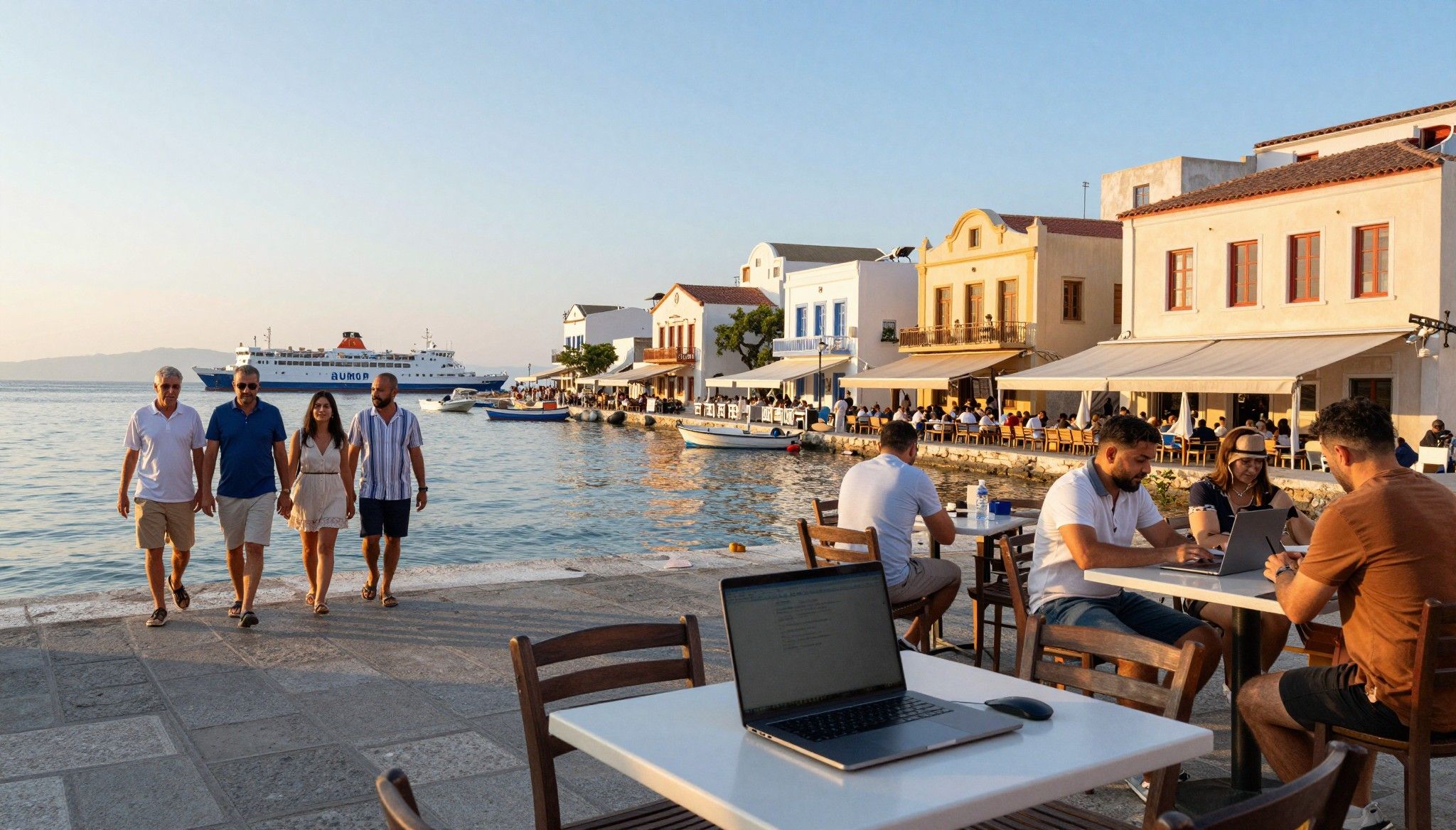
Croatia is coastal cafés, island ferries, late-night konobas and neighbourhoods where everyone knows your name. Mornings mean market runs for fresh sardines; afternoons are for laptop sessions in shaded squares or coworking spaces in Zagreb; evenings are long under a pergola with local Pošip or Malvazija. That rhythm shapes what you actually need in a home: a reliable internet nook, covered outdoor space, and a short walk to community life.
Spotlight: Dubrovnik, Split, Rovinj — different seas, different days
Dubrovnik’s Old Town hums high-season but becomes intimate in shoulder months; Split’s Varoš and Bačvice serve a blend of daily life and seaside leisure; Rovinj and Motovun in Istria trade tourism for food, truffles and a tight-knit expat/artisan crowd. Each area asks different things of a buyer — tolerance for tourists, maintenance on old stone facades, or tolerance for seasonal quiet.
Food, markets and the small rituals that anchor life
Weekends revolve around markets — Dolac in Zagreb, Pazar in Split — and seasonal rituals: truffle hunts inland, island ferry picnics, and summer festivals that thread the calendar. If you love hosting, prioritize a kitchen with storage for market hauls; if you want solitude, think inland villages with faster price appreciation and quieter winters.
- Lifestyle highlights worth mapping to property choices: 1) Morning espresso spots (Riva, Split) 2) Farmers’ markets (Dolac, Split Pazar) 3) Ferry access for island living (Hvar/Su?uraj lines) 4) Local konobas for community evenings 5) Coworking hubs in Zagreb and Split 6) Seasonal festivals and market days
Making the move: practical considerations at offer & closing

The romance meets reality when you make an offer. Croatia’s market surged — DZS reported double-digit annual growth in recent quarters — so speed matters but so does diligence. EU buyers enjoy parity with locals; non-EU buyers often need ministry consent. That legal difference changes your timing, your negotiation stance, and what concessions you can realistically ask for.
Property styles and how they shape daily life
Think beyond square metres. A stone Dalmatian apartment with shutters gives you character and cooler summers but often needs expensive maintenance. New-builds in Zagreb or Split offer warranties and parking but less soul. For remote work, target apartments with a balcony, a quiet room for calls, and fibre broadband — not every historic lane has reliable connections.
Work with local experts who actually live the lifestyle
Good agents are guides to community life, not just salespeople. Hire brokers who know which streets fill with festival noise, which buildings flood in storms, and where fish markets mean daily foot traffic. They’ll help craft offers that reflect local norms — earnest deposits, closing timelines, and contingencies — and suggest inspection priorities that match coastal realities.
- Offer & closing steps that balance lifestyle and leverage: 1) Verify your status (EU vs non-EU) and timeline before bidding. 2) Ask for a pre-contract (predugovor) with clear deposit rules. 3) Insist on cadastral/title check and up-to-date utility charges. 4) Tie contingencies to internet speed and flood/sea-level checks (coastal). 5) Stage closing around municipal consent if needed (non-EU). 6) Bring a bilingual lawyer for contract nuance and tax clarity.
Insider knowledge: expat lessons and red flags
Expats tell the same stories: they fell in love with a view, then discovered renovation costs or tourist-season noise. Recent policy shifts aim to tax short-term rentals more, which affects yield calculations if you planned to Airbnb. That law-level change is a reminder: market rules can flip the economics of a dream property overnight.
Cultural quirks that change negotiation tone
Croatians value directness but also local relationships. Sellers may prefer cash deals or quicker closings. Expect a handshake culture around deposits (predugovor and a 10% deposit are common), but never skip written confirmations. Use a lawyer who speaks both languages — translation errors in clauses about utilities or shared maintenance are common and costly.
Long-term lifestyle & practical watch-outs
Think five years ahead: will you want a year-round community or a summer playground? Coastal homes have strong capital appreciation but can suffer from seasonal vacancy and maintenance. Inland and smaller Istrian hill towns may offer lower entry prices and a steadier off-season life. Factor in property tax reforms, rising building costs, and local rental rules into your closing math.
- Red flags to catch before closing: - Missing cadastre/ownership documents or unclear parcel boundaries - No recent inspection for damp, salt damage or structural wear (coast) - Seller pressure to skip lawyer review or rush deposit - Unresolved building permits for renovations or extensions - No verified broadband speed listed in contract for remote work needs
Closing in Croatia can be joyful and straightforward if you pair a love of place with disciplined steps. Use local agents to uncover lifestyle fit, hire a bilingual lawyer to lock down the contract, and schedule inspections that reflect coastal realities. When your offer matches both human rhythm and legal reality, that first sunrise on the terrace will feel deserved, not accidental.
Practical next steps: check DZS price trends for your target county, confirm EU/non‑EU purchase rules on gov.hr, shortlist local agents who know the neighbourhood rhythm, and book a licensed lawyer for the pre-contract. Then — go taste the market: a week of cafés, a walk through markets, and a cheap ferry ticket will tell you more than photos ever could.
Norwegian who has helped 200+ families relocate from Oslo to Spain; expert in relocation services and community integration.