Offer & Close in Croatia: Lifestyle‑First Negotiation
How Croatia’s 2025 market shifts (coastal premiums, fewer foreign buyers) change the way nomads should write offers, negotiate and close with local experts.

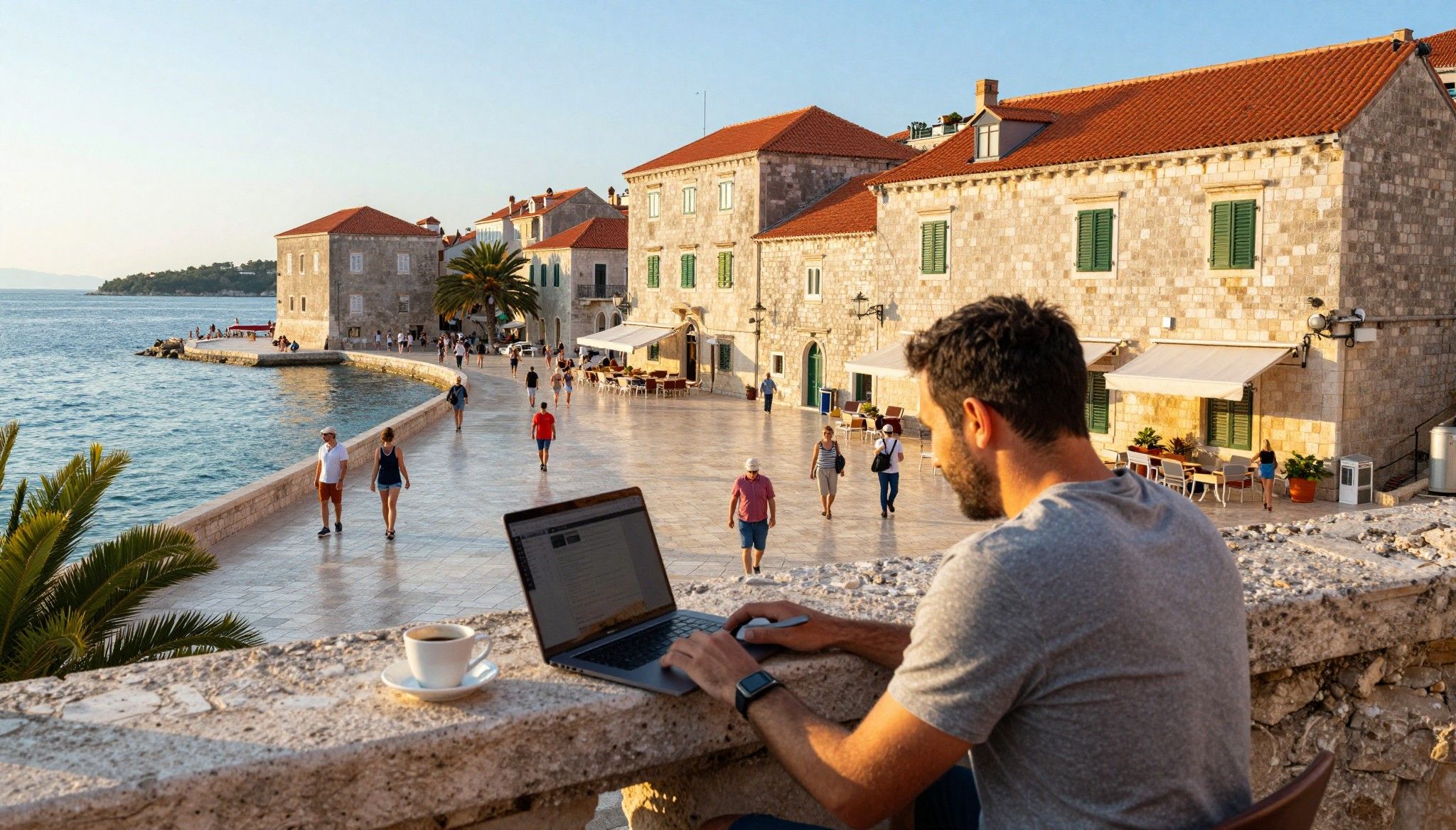
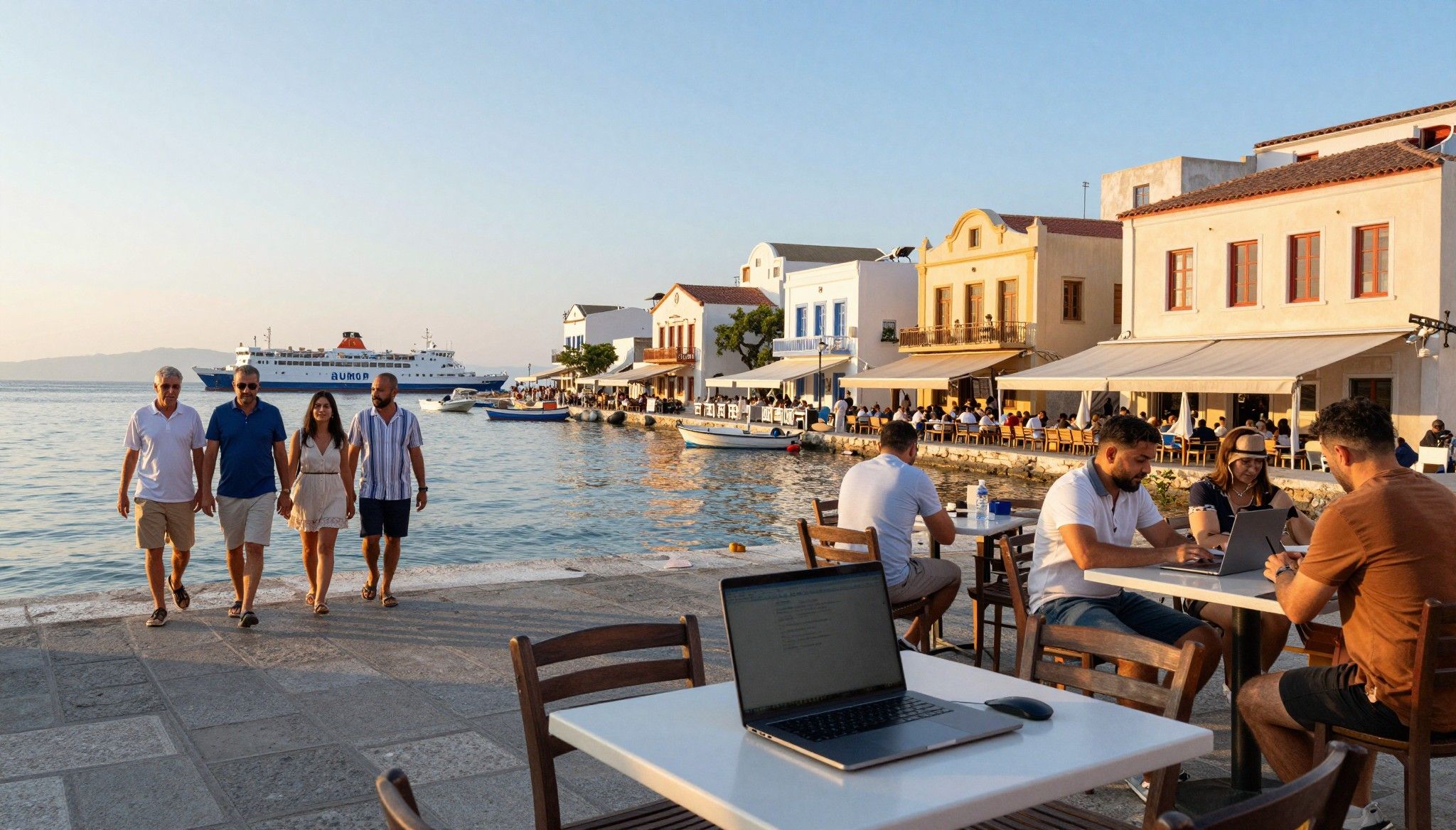
Imagine an espresso at Café U Dvorištu in Split, then a quick ferry hop to an island where centuries‑old stone houses meet a modern coworking loft. Croatia moves at two paces: slow, social afternoons and fast, efficient digital workdays. That rhythm reshapes how—and when—you should make an offer. According to recent market analysis, coastal demand, rising new‑build prices and shifting foreign buyer patterns are changing the negotiation landscape for international buyers.
Living Croatia: the everyday you’ll actually love

Croatia feels Mediterranean but with Central European efficiency. Morning markets brim with figs and peka breads; lunchtime is a slow affair on Adriatic terraces; evenings mean neighbourhood bars where conversations last. Yet the property market is unmistakably modern: new‑build prices rose sharply in 2025, and coastal towns face more competition than inland villages. That tension—ancient streets and contemporary demand—creates both lifestyle magic and negotiation quirks when you make an offer.
Zagreb, Split, Dubrovnik: three different work–life rhythms
Zagreb hums like a creative capital: coworkings, galleries and year‑round cafés make it great for remote work. Split is a coastal hybrid—digital nomads and families coexist; ferry links make island weekends effortless. Dubrovnik is cinematic and tourist‑heavy in summer, quieter and community‑focused off‑season. Which rhythm suits your job and temperament should influence not just where you look, but how aggressive your offer is and what closing timeline you propose.
Food, markets and micro‑neighbourhoods that matter
Eat like a local and you’ll learn the best micro‑neighbourhoods. In Split, Varos and Varoš Hill reward morning walkers; in Zagreb, Tkalčićeva and Maksimir combine green space with cafés; in Istria, Rovinj’s old town connects to inland truffle farms. Coastal buyer pressure is often concentrated on these beloved pockets—foreign purchases remain focused on Istria and Kvarner—so your offer strategy should reflect both local desirability and seasonality. Knowing where locals actually buy gives you leverage in negotiations.
- Morning market coffee in Pula’s Green Market; ferry brunch on Hvar; winter walks in Zagreb’s Botanical Garden; aperitivo at Split’s Riva; truffle hunting weekends near Motovun; island coves off Vis.
Making the move: offer strategy & closing smart in Croatia
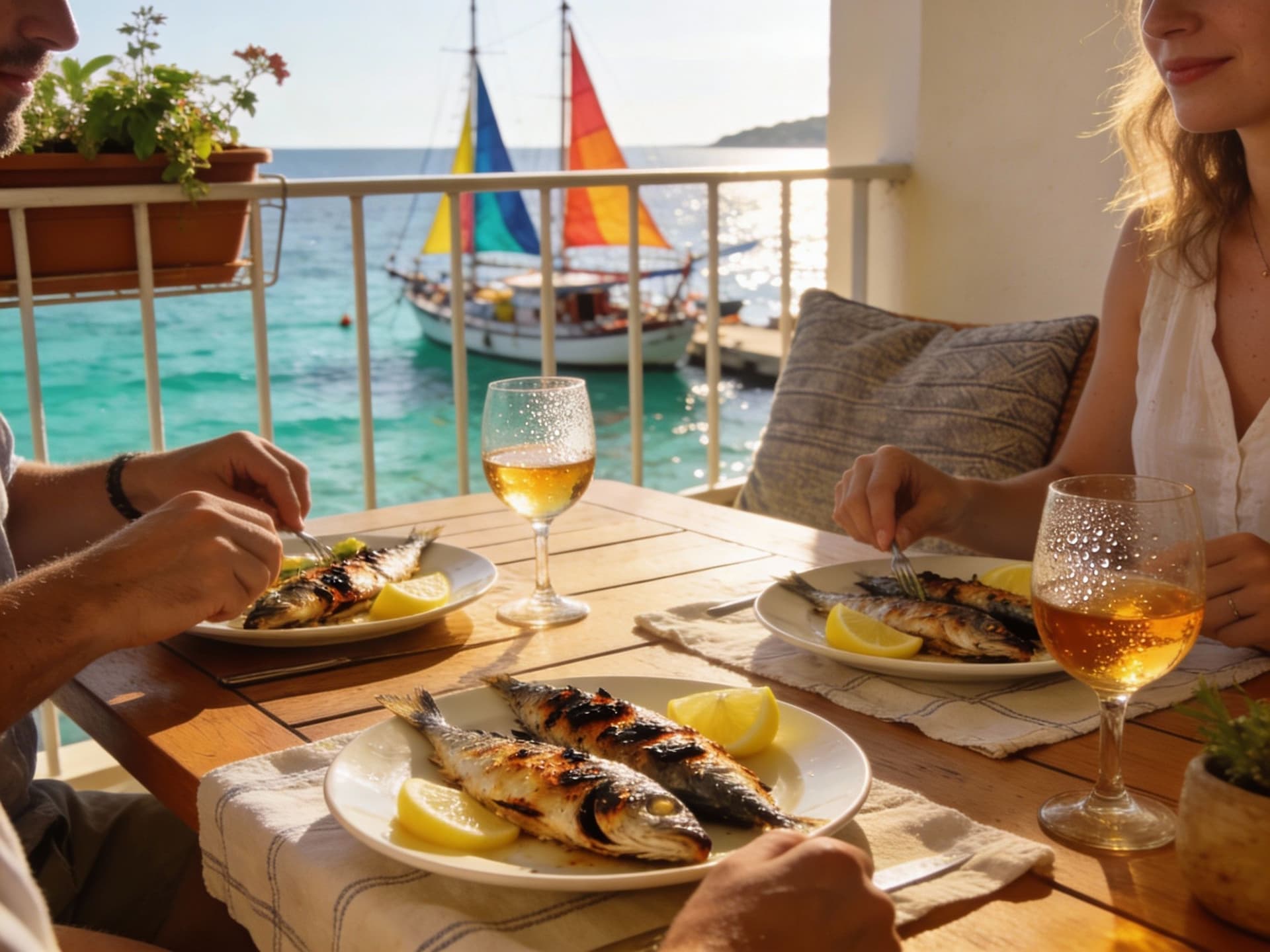
Dreams meet paperwork at the offer stage. Recent reporting shows transaction volumes slowing in 2025 and policymakers moving to tax property differently to cool speculation. That creates opportunity: sellers in some coastal areas are more willing to negotiate, while new‑builds still command premiums. Your offer and closing timeline should be tailored to where the property sits on that spectrum—old stone by the sea or brand new apartment in Zagreb.
Property types and what your offer should reflect
A restored Dalmatian stone house and a new coastal apartment sell to very different buyers. Stone homes often need permits for renovations and utilities upgrades, which lengthen closing and raise contingency needs. New builds are cleaner contracts but carry developer pricing and VAT quirks. Match offer structure: shorter deposit and faster close for turnkey apartments; larger due diligence window and conditional clauses for restorations.
Work with local experts who know lifestyle + law
- Hire a Croatian notary‑familiar lawyer to draft contracts; use local estate agents who show neighbourhood life, not just photos; commission a cadastral and utility check early; confirm permit history and renovation rights; arrange an independent structural survey if the house is older; prepare proof of funds and a translated passport copy to speed closing.
Insider knowledge: things expats wish they’d known before signing
Real buyers tell a common story: they fell in love with the street, then lost weeks on missing permits or municipal rules. Croatians treasure local customs—neighbours expect transparency—so community tone can affect everything from renovation approvals to rental demand. Market slowdowns mean more room for negotiation, but also more careful checks: a lower asking price is rarely a reason to skip due diligence.
Cultural cues that change offers and closings
Sellers often price with summer tourism in mind; offers written in the off‑season can land better deals. Locals value face‑to‑face negotiation—meet the seller or agent in person when possible, bring a local lawyer, and show seriousness with a modest but real deposit. That social currency speeds trust, shortens post‑offer haggling, and often results in better closing terms.
Hidden costs and practical closing checkpoints
- Notary and registration fees; municipal connection fees for water/electric upgrades; property tax changes and exemptions for long‑term rentals; VAT on new builds in some cases; translation and authentication of documents; unexpected heritage or zoning restrictions.
A quick, realistic buying checklist will save time at closing. First, verify title and cadastre entries; second, confirm permitted use and renovation rights; third, have proof of funds or mortgage pre‑approval ready; fourth, agree on deposit size and timeline in the preliminary contract; fifth, plan a final walk‑through the week before completion. These steps marry the Croatian lifestyle you crave with the diligence a cross‑border purchase demands.
- Find a bilingual lawyer; visit neighbourhoods at different times of day; test internet speed and mobile coverage; ask neighbours about utilities and winter access; check local long‑term rental demand if you may rent.
Final thought: choose lifestyle first, close with confidence
Picture mornings at the market, afternoons on a sunlit terrace, and evenings in a neighbourhood where you’re known by name. Let that picture guide the search and let rigorous, local due diligence shape the offer. The current Croatian market—rising new‑build prices but cooling transactions—means sensible buyers can be both bold in lifestyle vision and careful at closing. Book a local viewing, bring a lawyer, and make an offer that reflects life, not just square metres.
Danish investor and relocation advisor focusing on Portugal and the Algarve; loves coworking culture and expat networks.