Offer & Close in Croatia: Lifestyle-First Negotiation
Fall for Croatia’s coastal cafes and island life—but use HPI data, local rules, and smart, conditional offers to win a home without overpaying.
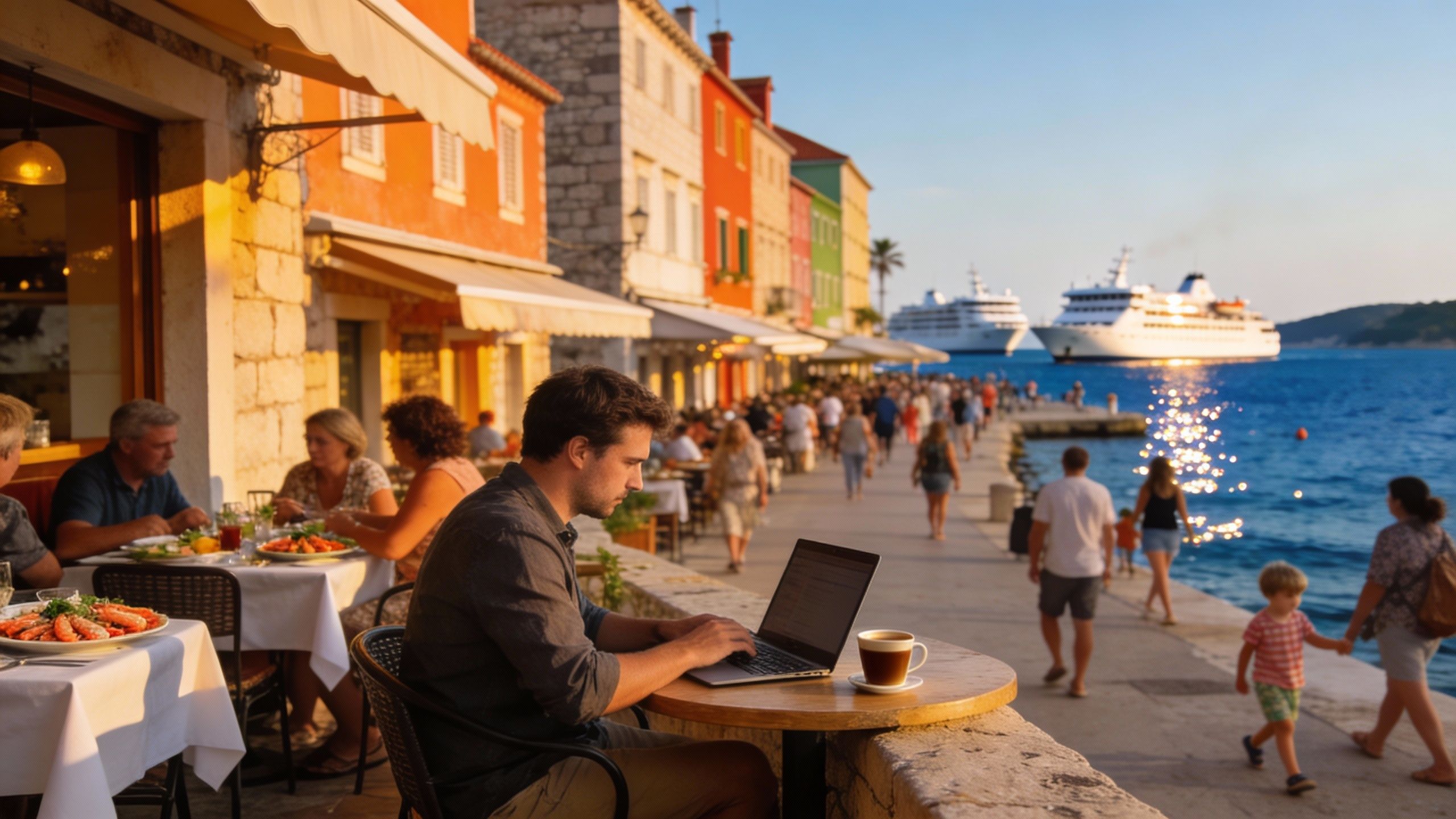
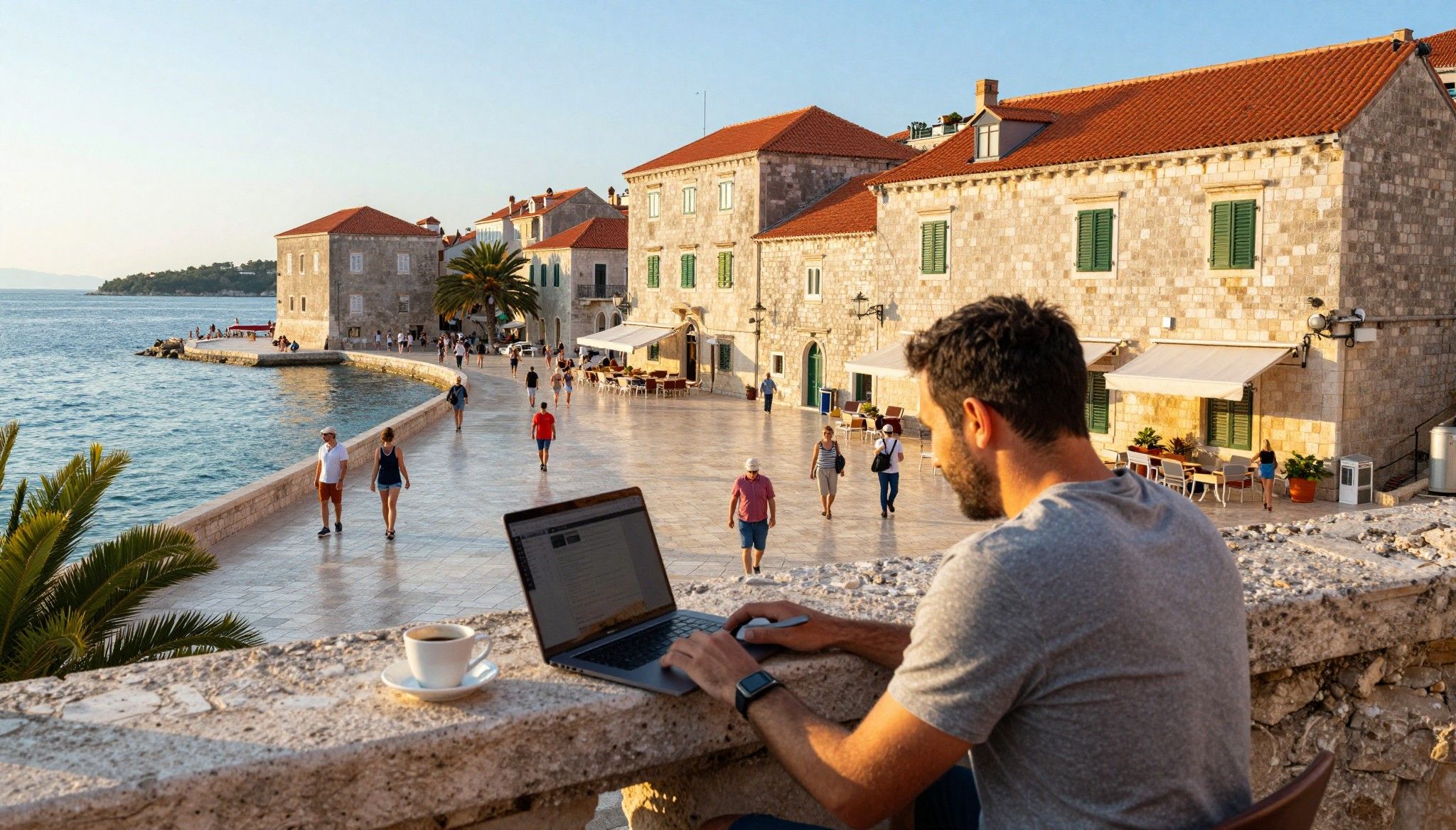
Imagine sipping espresso on Split’s Riva as fishermen mend nets behind you, then heading to a sunlit co‑working space where fast fibre and a sea view are part of the daily commute. Croatia feels like a slow Mediterranean dream and a surprisingly efficient European country at the same time—historic stone streets, island ferries, buzzy markets, and a rising real‑estate market that’s no longer a secret. For nomads and remote workers this mix is addictive: culture and connection by day, solid broadband and straightforward logistics by work‑hour. But the love affair needs a plan—especially when offer strategy and closing can make or break your Croatian dream.
Living the Croatia lifestyle

Life in Croatia is tactile: the grit of a stone alley underfoot in Dubrovnik’s Old Town, the briny air off Brac at dawn, and aperitivo crowds filling Zagreb’s Tkalciceva by evening. Weekends are fresh markets (Dolac in Zagreb), island hopping (Hvar, Vis), or finding a quiet bay outside peak season. Seasons shape everything—summer hums, winter quiets to local rhythms—and that affects where you want to buy and how you’ll use the place (full‑time life vs. seasonal escape). Think beyond square metres: look for streets with a café culture, a reliable cafe table for laptops, and a tiny grocery that’s open on Sundays.
Zagreb, coast, and islands: different daily beats
Zagreb feels urban and year‑round—coworking hubs, international schools, tram-lines, and leafy residential streets like Pantovcak and Marticeva where cafés double as office extensions. The Adriatic towns—Split’s Varos, Rovinj’s old port, or Korčula’s lanes—offer stone houses, terraces, and intense summer life but much quieter winters. Islands trade convenience for character: expect slower logistics, ferries, and an almost village pace that’s dreamy for some and isolating for others. Pick a place that matches your rhythm: weekly markets and language classes if you want integration; good airports and regular ferries if you still travel a lot.
Food, markets and the everyday pleasures that signal neighbourhood quality
Markets like Dolac (Zagreb) or Pazar in Split are more than produce—they’re community noticeboards where you’ll meet neighbours and spot the pulse of a street. Local bakeries, fish shops, and konobas (family taverns) tell you if a neighbourhood sleeps in winter or stays lively year‑round. For remote workers, also check: is the nearest café friendly to laptops? Is there a grocery that stocks international staples? Those small comforts shape your daily life much more than a gym membership or rooftop pool.
- Lifestyle highlights to scout during viewings
- Morning espresso spot that knows your order (e.g., Zinfandel Wine Bar in Split or Cogito Coffee in Zagreb).
- Local market within a 10–15 minute walk (Dolac market in Zagreb, Pazar in Split).
- Nearby coworking or reliable café with power outlets and decent daytime crowd (e.g., Impact Hub Zagreb or clubs in Split).
- Weekend spots: an accessible beach or island ferry terminal for quick escapes (Brač ferry from Split, ferry routes from Zadar).
Making the move: practical considerations

Croatia’s market has been heating up—official data show double‑digit annual rises in recent quarters, with coastal and tourist hotspots leading the pack. That means timing, offer strategy, and due diligence are crucial: sellers often receive multiple bids in attractive spots, and regulations on short‑term rentals are changing fast. Before you write an offer, check the local market pace (are listings selling in days or weeks?) and recent comparable sales—this protects you from overpaying in a rising market. Use government HPI releases to ground your price expectations and watch local news for rental regulation shifts that might affect yield.
How regulations change deal economics
New rules targeting short‑term tourist lets can shift yields dramatically overnight—cities like Dubrovnik have already tightened permits. If you're buying with rental income in mind, insist on seeing recent occupancy and permit records. Ask the seller for utility bills, local tourist tax receipts, and proof of compliant registration for holiday lets. An agent who knows municipal rules and where bans or quotas exist is worth their weight in gold; they’ll save you both legal headaches and a bad investment.
Property styles and what they mean for daily life
Stone townhouses, modern coastal apartments, and inland family homes each offer different tradeoffs: stone restorations look charming but can be expensive to insulate and renovate; new builds have warranties but often sit further from the historic centre. For nomads, prioritize reliable fibre, a usable balcony or terrace for work breaks, and a small dedicated workspace inside the property. Check orientation and insulation—Adriatic summers can be hot and winters surprisingly cool; a building’s thermal performance affects comfort and bills. Finally, ask about parking and storage—many island homes lack garages and monthly storage becomes essential.
- Step‑by‑step offer checklist blending lifestyle and negotiation
- 1) Confirm market comps and recent sold prices for the street or neighbourhood. Use official HPI data as a sanity check.
- 2) Get a pre‑offer survey scope: structural basics + fibre check + clear title search. That lets you price in immediate fixes and avoids surprises at closing.
- 3) Decide your negotiation levers: flexible closing date, deposit size, or assuming some local utility paperwork—sometimes non‑monetary concessions win in tight markets.
- 4) Use conditional offers smartly: a short due‑diligence window (7–14 days) keeps sellers engaged while protecting you to walk if title or permits don’t check out.
Insider knowledge—expat lessons and negotiation truths
Real expat insight: sellers often overprice sea views and renovate kitchens for photography—don’t confuse staging with substance. Locals sometimes avoid buying in certain old‑town pockets because infrastructural work or strict heritage rules make renovations costly; for foreigners, those areas can be a bargain if you accept renovation constraints. Another truth: make a quick, clean offer if the property is priced right—bargains vanish fast. Use local lawyers and ask for everything in writing (previous permit approvals, energy certificates, and proof of taxes paid).
Cultural cues that affect closings
Croatians value face‑to‑face negotiation and a calm, respectful tone—meet the seller or agent if you can. Expect a notary‑led closing process; the notary verifies documents and lodges ownership transfer at the land registry, so confirm who pays each fee up front. Timing can be seasonal—summer closings may slow as municipal offices and lawyers take holidays—so plan deadlines outside peak months if you need a fast turn. Finally, prepare to be patient but firm: a polite follow‑up email every few days keeps momentum without offence.
Longer‑term lifestyle and ownership realities
Policy shifts matter: recent government moves to tax properties and curb short‑term rentals aim to free up housing but can change carry costs for owners. If you plan a portfolio for short stays, model scenarios with tighter permit rules and higher taxes. If instead you want community and permanence—look for neighbourhoods with active year‑round residents, schools, and local services. Over time, Croatia’s EU ties and euro adoption have made it more mainstream—expect infrastructure and digital services to keep improving, which helps long‑term lifestyle satisfaction.
- Red flags to walk away from or price heavily: unclear title history, missing permits for extensions, inconsistent utility records, and seller resistance to independent surveys.
- Small wins to push in your offer: a flexible closing date outside high season, taking on minor cosmetic work yourself, or agreeing to a slightly higher deposit for a price reduction.
Conclusion: Croatia gives you a life of sea‑salt mornings, market friendships, and golden‑hour work breaks—if you marry that lifestyle vision with a smart offer and disciplined closing process. Start with local HPI and market checks, hire a trusted local lawyer and agent who get nomad priorities (fibre, workspace, community), and structure offers with short conditional windows and clear documentary demands. When you tie the sensory—café corners, island ferries, local konobas—to concrete checks (title, permits, tax exposure), you buy more than a property: you buy a life you can actually live.
Norwegian who has helped 200+ families relocate from Oslo to Spain; expert in relocation services and community integration.