Why Winter House‑Hunting in Croatia Wins
Why house‑hunting in Croatia off‑season beats the summer rush: seasonal insights, negotiation tactics and closing steps backed by Croatian statistics.

Imagine stepping out at 8am to buy fresh figs at Dolac Market, then sipping espresso on Tkalčićeva as the tram clacks by. Picture afternoons in Split’s Varoš alleyways or weekend ferry hops to Hvar for a sunset swim. Croatia’s rhythm — sea-salted air, stone streets, and late-night konobas — seduces you first and asks the paperwork questions later. If you're dreaming of this life, the offer and closing stage is where romance meets realism: the right move makes the day-to-day effortless, the wrong one ties you to stress and extra costs. This guide walks you through offer strategy, negotiation moves and closing steps tuned to Croatia’s market and culture, with data-backed tips so you can fall in love wisely.
Living Croatia: the daily soundtrack

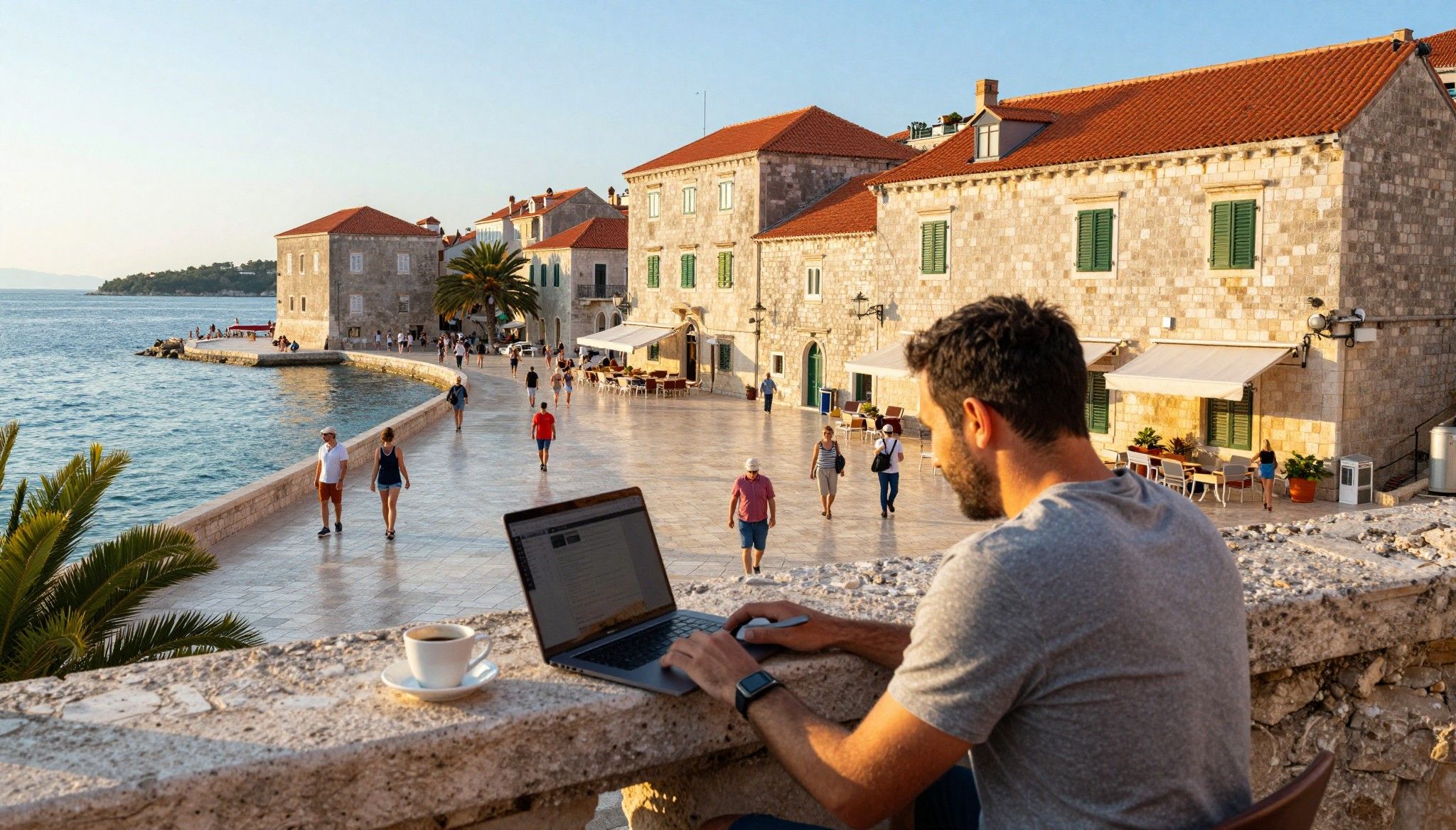
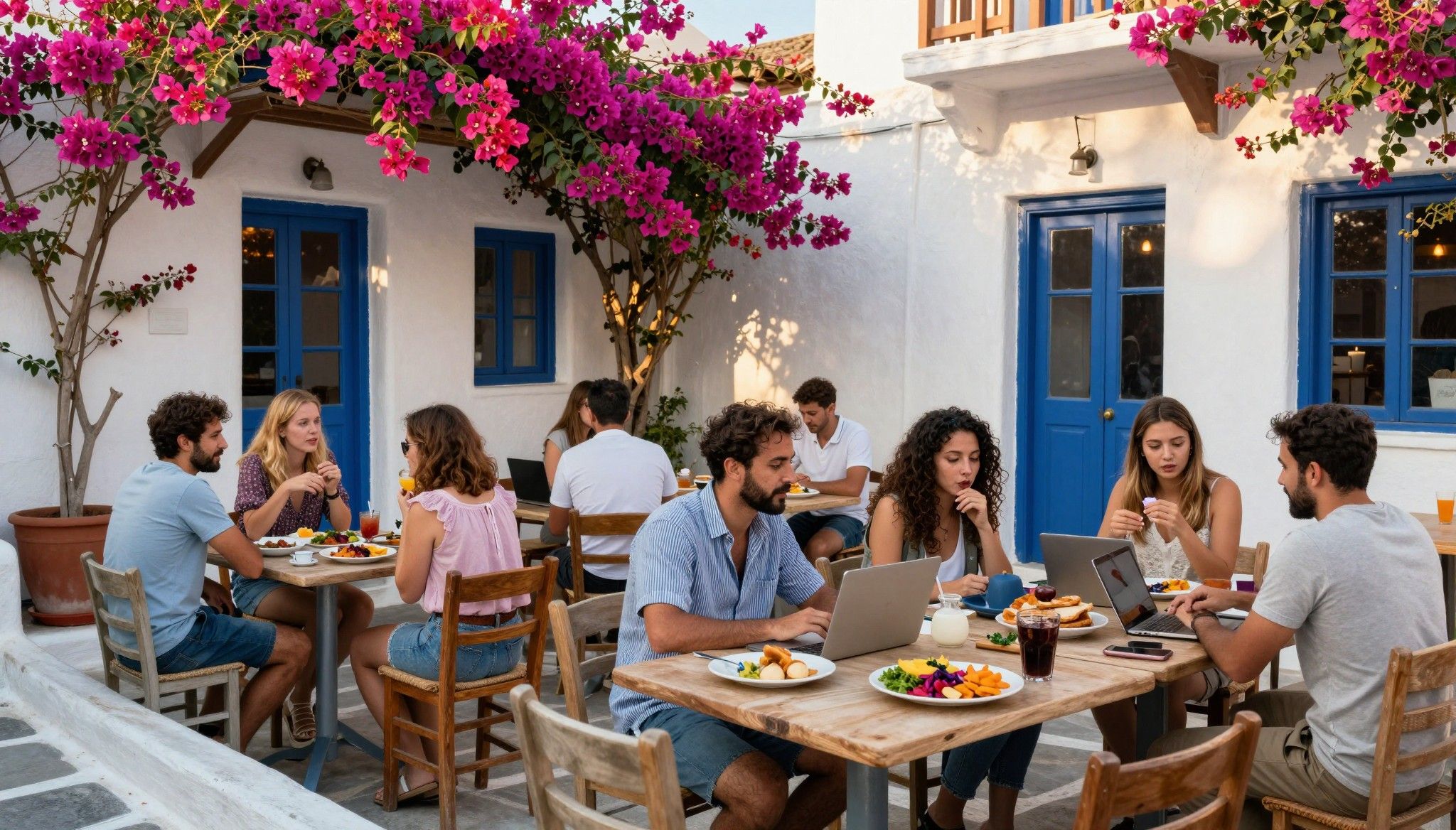
Croatia feels like post-card slow mornings and lively evenings. In Zagreb you get leafy squares, coworking hubs and a cafeculture that makes working remotely social; on the Dalmatian coast life orbits the sea, where small grocery shops close for the afternoon and neighbours know your name. Weekends are market runs, family meals rich with olive oil and grilled fish, and seasonal festivals that fill plazas with live klapa singing. These patterns shape what properties suit you: narrow stone houses in historic cores, terraces facing the Adriatic, or modern apartments near reliable fibre and coworking spaces. Understanding the rhythm helps you craft offers that match real living needs, not just pretty photos.
Zagreb, Split & Istria — different beats, same charm
Gornji Grad and Tkalčićeva in Zagreb mean cobbled lanes, theatres and espresso-fuelled mornings; offer accordingly for convenience, parking and soundproofing rather than views. In Split, neighborhoods like Varoš and Sustipan are postcard-perfect but come with narrow stairs and older plumbing — bid with renovation costs in mind. Istria (Rovinj, Pula) blends Italianate charm and slow food culture; buyers prize terraces, wine-country proximity and all-season heating for cooler months. Each micro-neighbourhood has trade-offs that change negotiation levers: sewer permits, terrace ownership, or shared access rights all become bargaining chips.
Food, festivals and the year that shapes living
Seasonality in Croatia is profound: summer tourism makes coastal towns hum and pushes short‑term rental demand, while winter reveals the true year‑round neighbourhood. Plan offers with season in mind — a sea‑view apartment looks different in November when quiet streets return. Festivals like Outlook or the Dubrovnik Summer Festival change local dynamics and can hide issues during viewings, while truffle season in Istria uncovers rural charm and community bonds that don’t show on listings. Understanding the calendar helps you decide when to escalate an offer and when to slow down.
Lifestyle highlights — places and small pleasures
Dolac Market mornings in Zagreb for seasonal produce and coffee culture
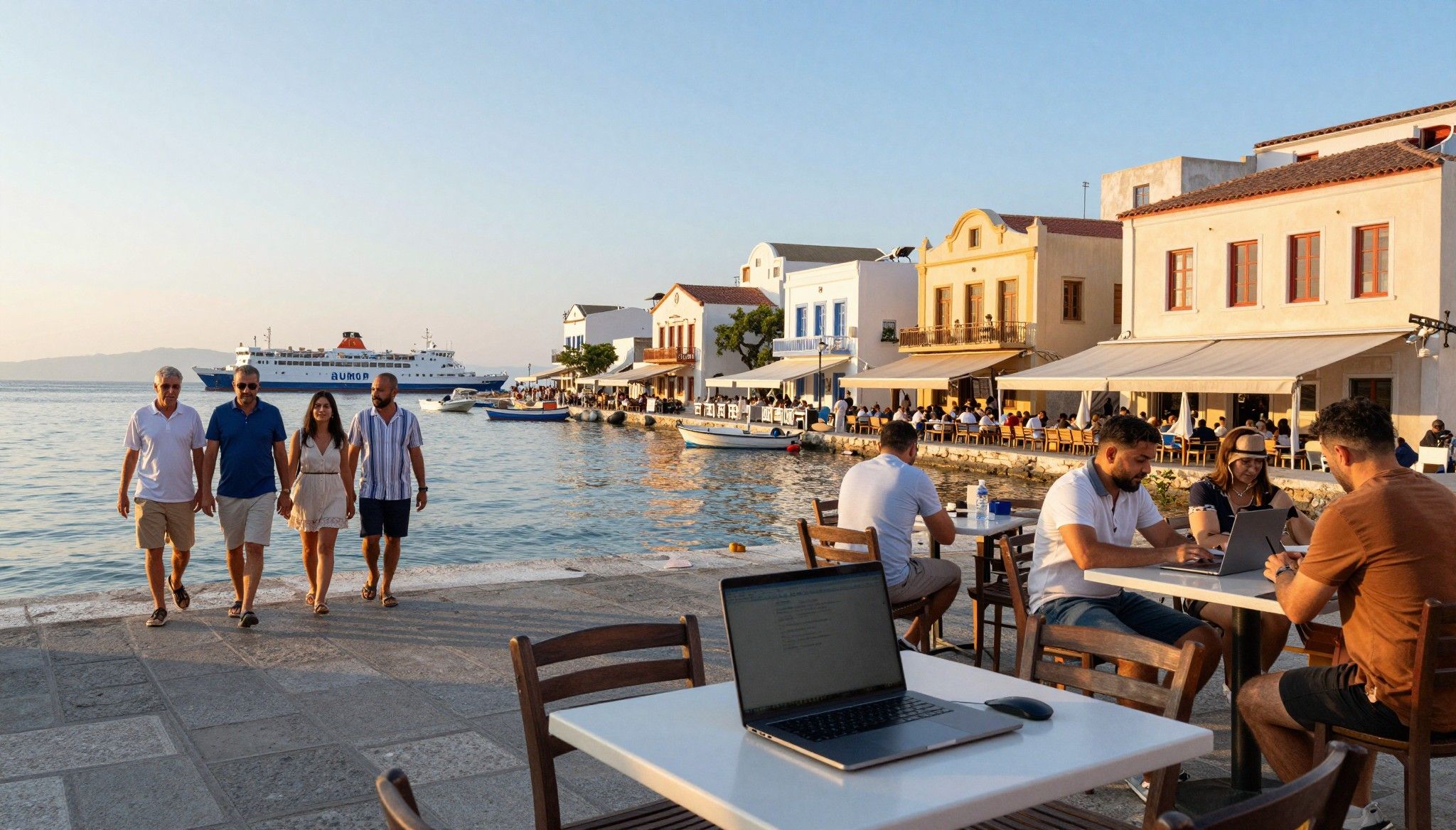
Evening strolls along Split’s Riva, finishing with a konoba dinner in Varoš
Istrian hilltop towns and truffle-hunting weekends that shape countryside living
Island hopping from ferry ports like Split or Zadar for weekend escapes
Making the move: practical offer & closing rules
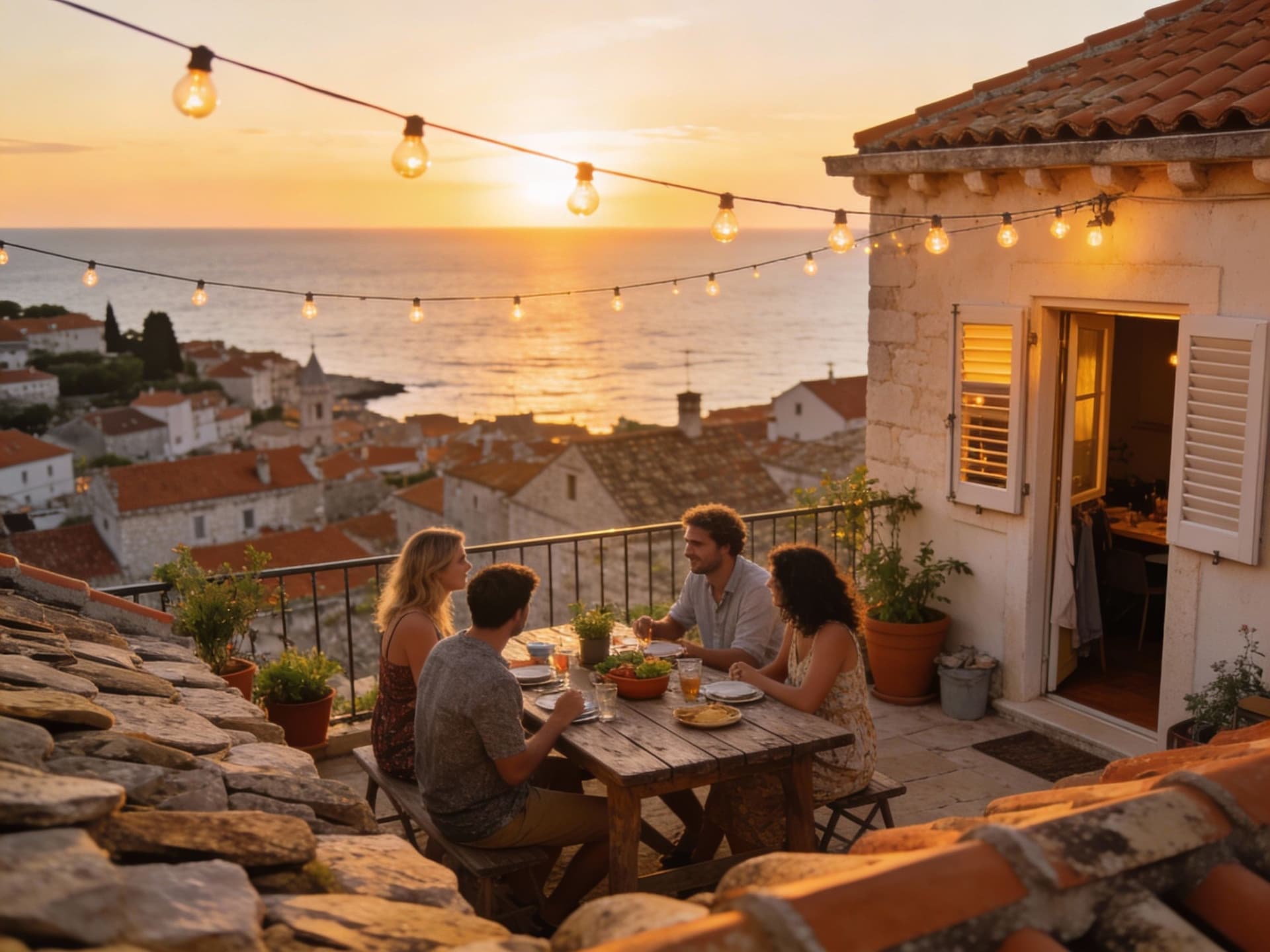
Croatia combines EU ease for many buyers with local quirks you must respect. EU, EEA and Swiss citizens generally acquire property on equal terms, while other nationals often need ministerial consent — factor that into timescales and offers. The market has seen strong price growth in recent years, especially on the coast, making timing and realistic bids critical. Data from national statistics and market reports show price rises and cooling sales volumes simultaneously, so smart offers balance urgency with verification. Bring permits, property history and a local lawyer into the negotiation early; that moves a seller from polite interest to signed contract faster.
Property types and the lifestyle they deliver
Stone townhouses give you character and terraces but usually need retrofitting for modern wiring and insulation; expect to negotiate on visible and hidden renovation costs. New-builds near Zagreb or Split offer plug-and-play modern comforts: reliable fibre, elevators and warranties but often higher per-m² costs. Coastal apartments promise views and rental potential; inland villas buy peace, green space and lower price per square metre. Match property type to how you work: a remote worker needs desk space, backup power and fast internet more than an extra guest room, so make those features non-negotiable checklist items in your offer.
Working with local experts who sell the lifestyle (and the title)
A local agent fluent in English and local bureaucracy helps you read neighbourhood vibes and legal fine print; they can surface off-market opportunities beloved by locals. A Croatian notary and an attorney verify title, search land registry entries and confirm consent requirements for third-country nationals. An independent surveyor checks for damp, structural issues and illegal additions that could stop a closing. Use a local mortgage broker or bank early to firm up financing contingencies and strengthen your offer. Lastly, hire a translator or bilingual agent to ensure contract language is crystal clear before signing.
Step-by-step offer strategy (a quick checklist)
1) Research comparable sold prices in the exact neighbourhood; coastal sea‑view premiums can be 20–60% above inland rates. 2) Get a pre-approval or proof of funds — sellers take offers with financing certainty more seriously. 3) Include a realistic but time-limited deposit clause to show commitment without overexposure. 4) Add conditional clauses for title checks, survey results and any necessary ministerial consent if you are a non‑EU buyer. 5) Plan closing timelines around local administration calendars and ferry schedules if the property is on an island.
Insider knowledge: expat lessons and seasonal contrarian tips
Expat buyers often say the same thing: don’t buy in July after a single sunny visit. We’ll tell you why. Summer viewings gloss over noise, traffic and maintenance issues that only show in quieter months. Visiting in off-season — late autumn or winter — reveals heating adequacy, neighbour activity and how the place feels when the ferries slow. Many savvy buyers get better leverage then, because sellers rely on summer demand and often accept lower, quicker offers when tourism fades. This contrarian timing tactic has turned 'I’ll wait' into signed contracts for many international buyers.
Cultural cues that affect negotiations
Croatians value courtesy and face-to-face rapport; a warm, respectful approach in negotiations goes further than aggressive lowballing. Expect polite back-and-forth, sometimes with family involvement on coastal island sales. Be ready to show patience but also to close decisively when trust is built — sellers often prefer a buyer who understands local rhythms. Bringing small gestures (a translated letter about your plans for the home or how you’ll respect community traditions) sometimes tips soft negotiations in your favour. Use local agents who can translate both language and cultural subtext.
Red flags to spot before you bid
Unregistered extensions or terraces — might block legal occupancy or cause fines
Ambiguous ownership chains — multiple heirs or unclear inheritance histories
Lack of utility records for full-year use — important for remote workers relying on heating and power
Seller pressure to waive surveys or title checks — politely decline and make checks conditional
Thinking long-term: how life changes after closing
After closing you’re not just a property owner — you become part of a neighbourhood, its rhythms and responsibilities. Expect to learn municipal waste rules, community association rhythms, and local maintenance norms that affect living costs and comfort. If you plan to rent short-term, register compliantly and factor in seasonal peaks and lows; rental yields vary widely between inner-city Zagreb and summer-only Dalmatian hotspots. Most importantly, invest in local relationships: neighbours and a trusted handyman will often save more time and money than a cheaper contractor.
Conclusion: fall in love, then check the title
Croatia sells a lifestyle first — sea air, markets, festivals — and a proper buying plan second. Use off-season visits, local experts, and tough conditional offers to marry the romance of place with solid protections. Start with clear proof of funds, a local lawyer, a surveyor and realistic expectations about timelines, particularly if ministerial consent is needed. If you approach offers like a local who respects community rhythms, you’ll secure a home that feels right and closes cleanly. Ready to make an offer that matches the life you want? Bring the lifestyle vision; let the local experts handle the paperwork.
Danish investor and relocation advisor focusing on Portugal and the Algarve; loves coworking culture and expat networks.