Offer & Close in Croatia: Lifestyle-First Tactics
Fall for Croatia’s markets and neighborhoods — then make offers that win. Practical offer tactics, red flags, timing tips, and legal must‑dos for non‑EU buyers.
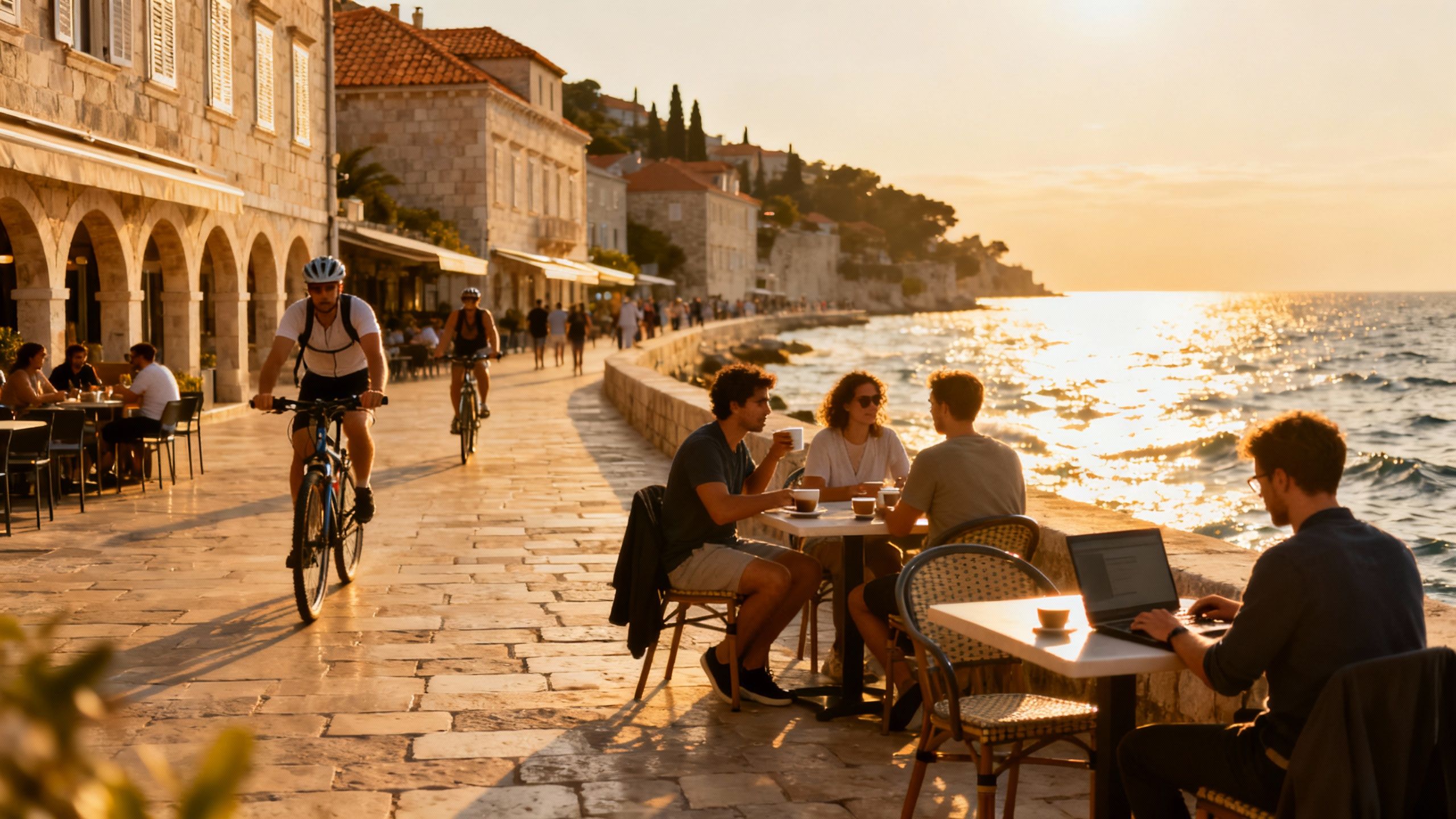
Imagine late afternoon in Split: espresso steam, cyclists on Marmontova, and a neighbour hanging laundry from a sun-warmed balcony. Croatia moves at a warm, convivial pace — coastal towns pulse with festival seasons and island rhythms, Zagreb hums with cafe coworking, and hilltop villages keep time with harvests. But the dream of seaside dinners and cobbled streets meets a very real market: prices have risen sharply and rules for non-EU buyers still matter. This guide pairs the feel of life here with offer and closing tactics that help you win a property and start living that dream — without surprises.
Living Croatia: morning markets, coastal nights, and workspace vibes
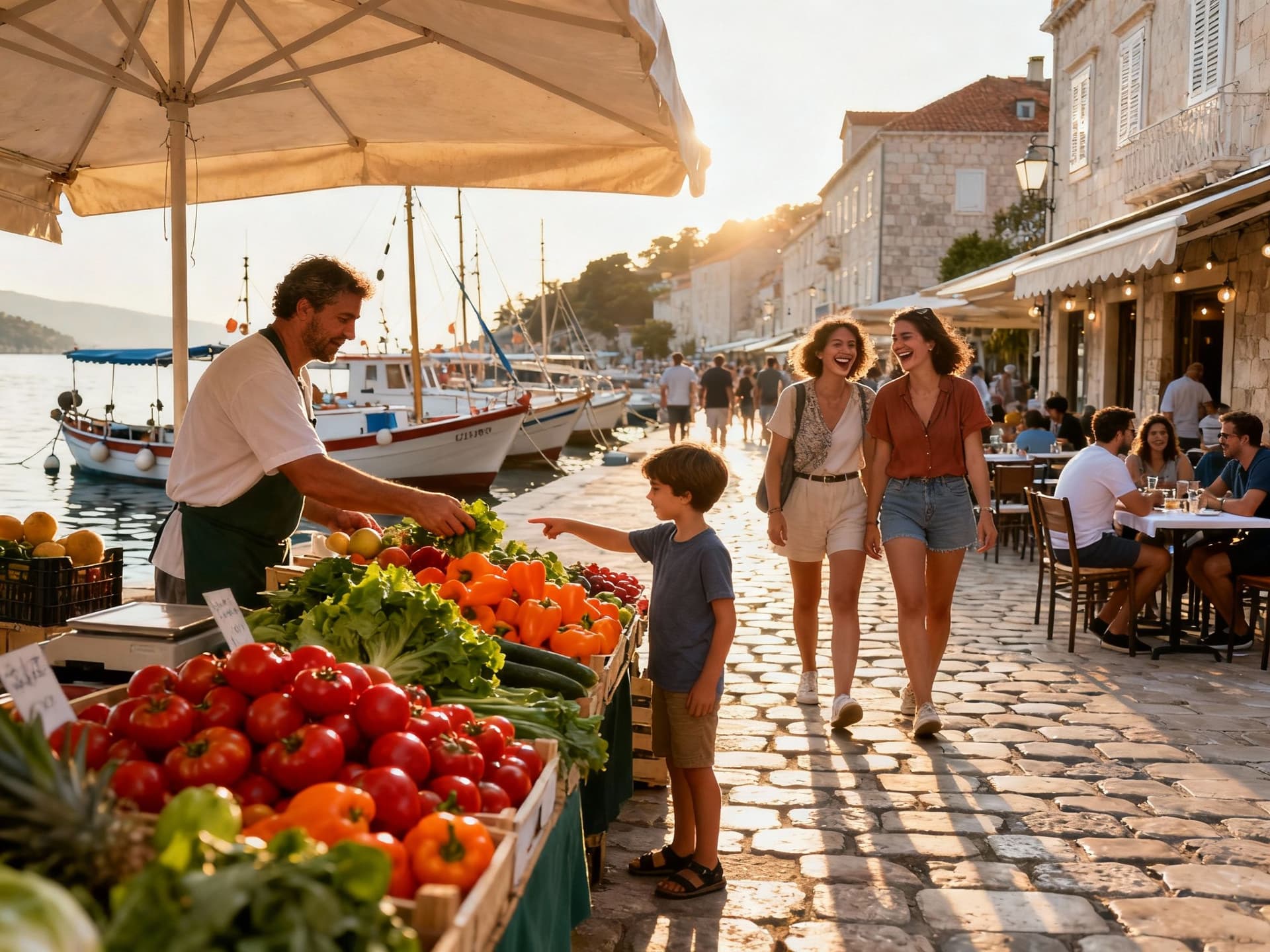
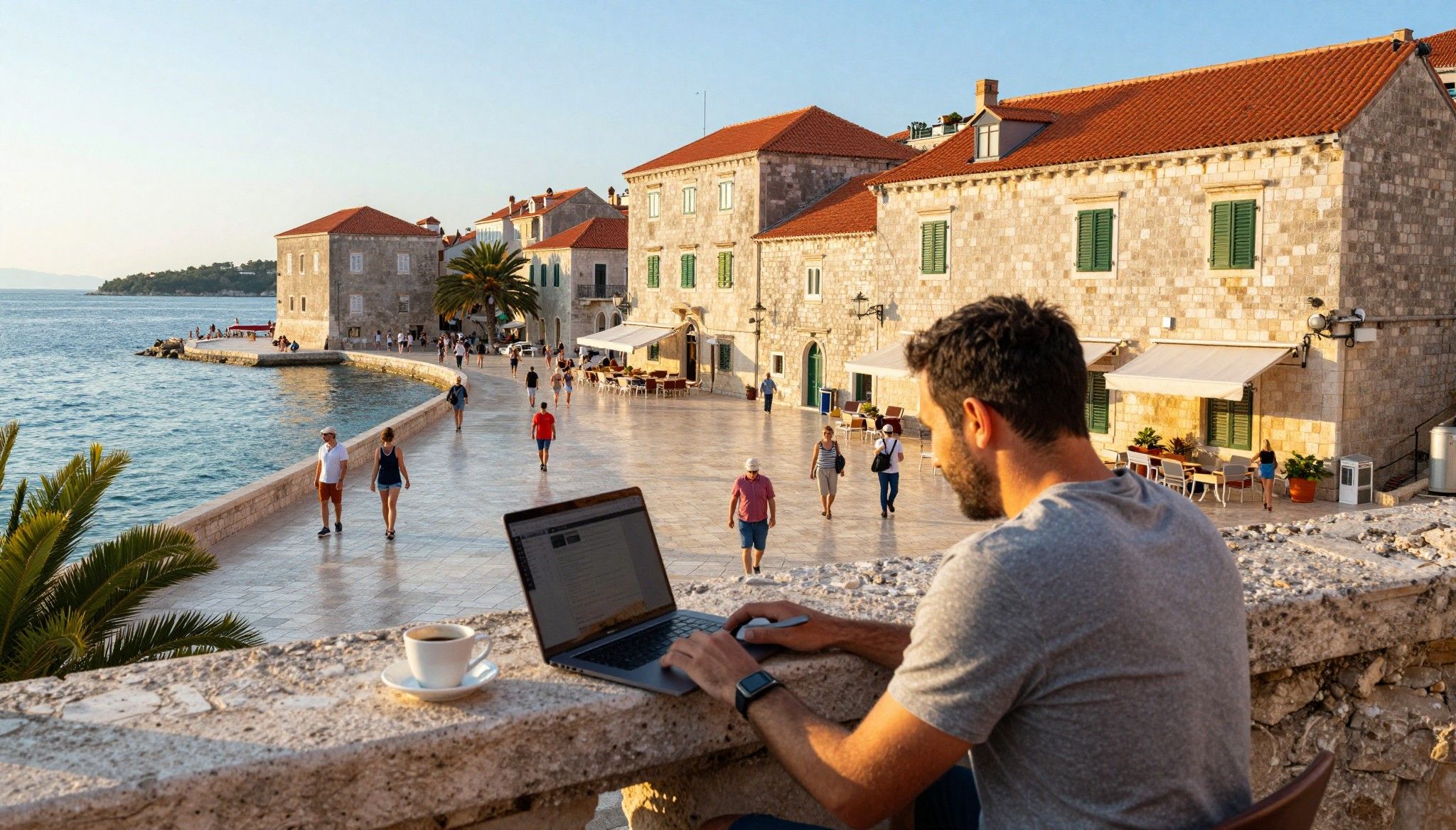
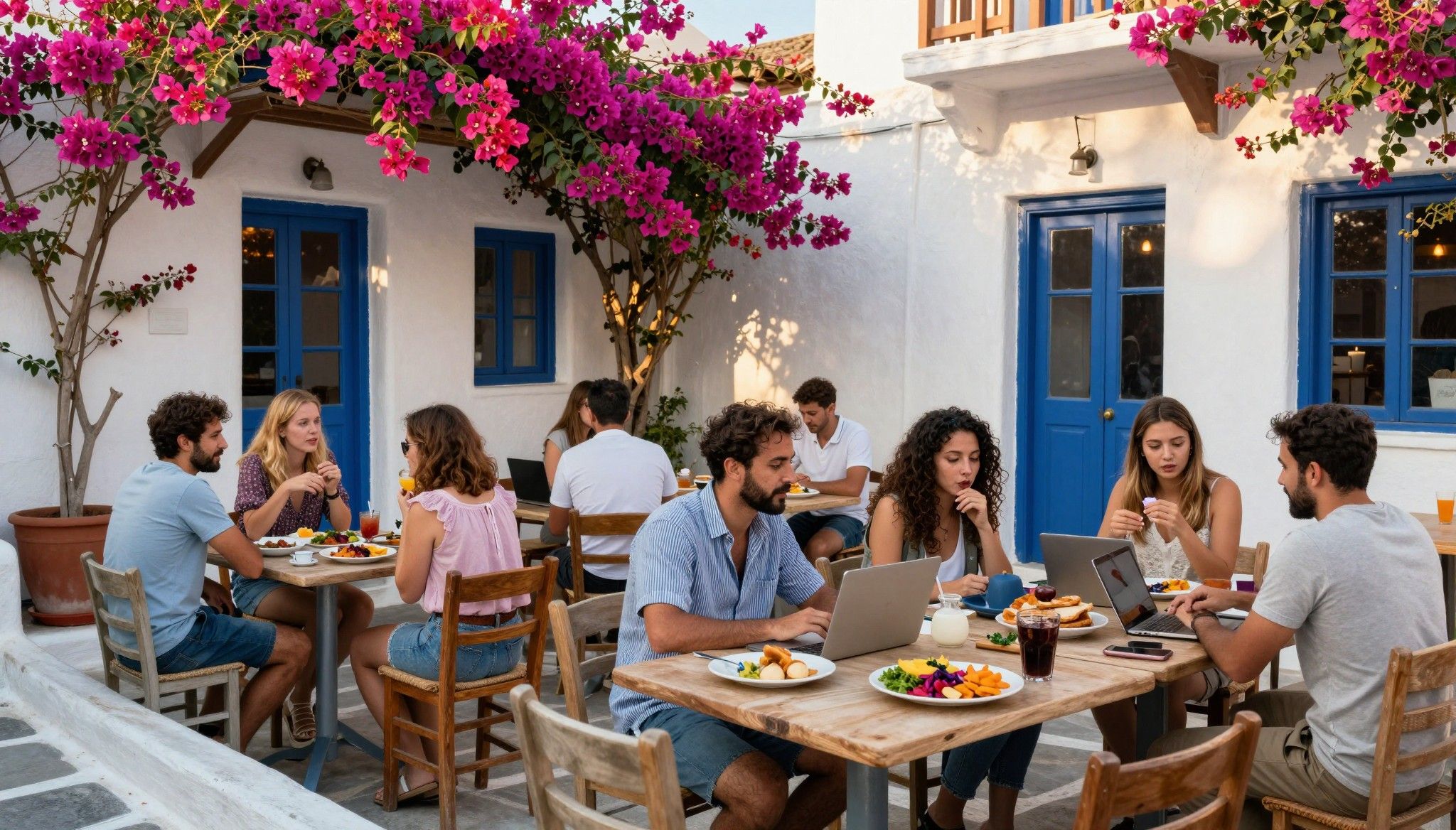
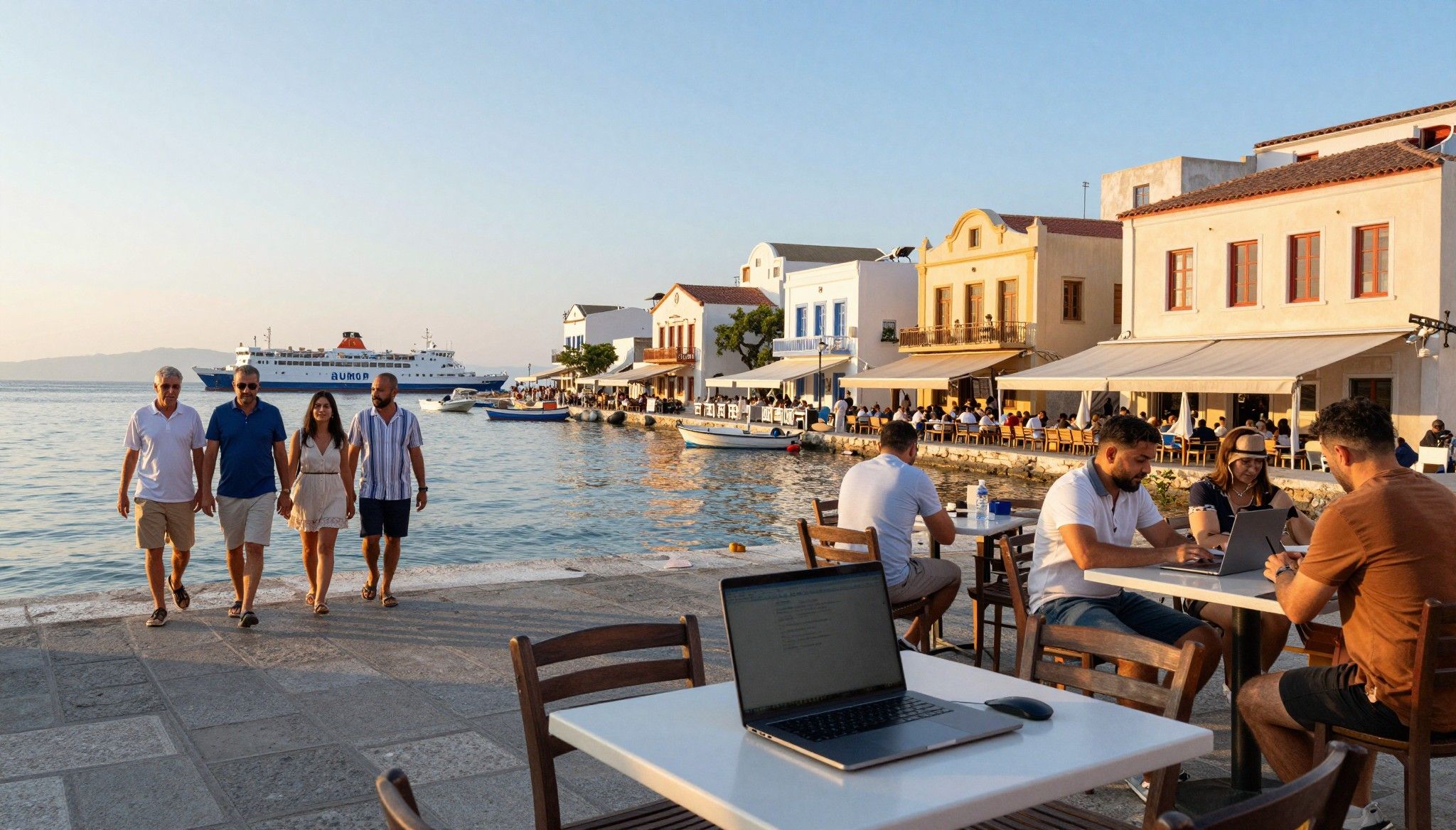
Croatia’s personality flips between Adriatic sun and continental routine. Mornings mean fish markets in Hvar or Pula, afternoons are for remote work in sunlit cafes with fast fibre, and evenings are all about shared plates and late walks along promenades. Life here is tactile and social — you’ll barter at markets, learn a few Croatian phrases, and quickly find neighbours who invite you to a local feast. For buyers, this translates to searching for properties with terraces, reliable internet, and easy access to a lived-in neighbourhood rather than an isolated holiday villa.
Neighbourhood focus: Zagreb’s Trešnjevka, Split’s Varoš, and Rovinj’s old town
Trešnjevka in Zagreb is gritty, local and full of cafés — a favourite for younger buyers who want city life without the tourist price tag. In Split, Varoš rewards early morning risers with bakeries and short walks to the Riva, but the stone houses can mean steep renovation bills if you want insulation and AC. Rovinj’s old town is picture-perfect and expensive, ideal for buyers after immediate lifestyle payoff and short-term rental potential. Note the market context: transactions cooled in H1 2025 while prices kept climbing, so neighbourhood-specific timing matters when you make an offer.
Food, festivals and seasons that shape where you’ll live
Festival season (from summer coastal fiestas to autumn truffle fairs in Istria) transforms towns into lively markets and test-drives the neighbourhood vibe. Winters are quieter, revealing whether a place feels like community year-round or just a tourist stage. Practical note: new local property levies introduced in recent reforms affect second homes and short-term rentals — another reason to prefer properties that work as full-time homes if you want community stability.
- Morning fish markets in Split (Green Market), espresso courtyards in Zagreb’s Britanski trg, Hvar’s harbour aperitivos, Istrian truffle weekends, island ferry commutes that double as scenic office breaks, and local konobas where owners remember your coffee order.
Making the move: practical offer and closing strategies in Croatia

Here’s the truth: loving a street and winning a contract are different skills. Croatian sellers respond to offers that show speed, certainty, and local knowledge — especially in coastal hotspots where demand outpaces supply. Non-EU buyers need to factor in the Ministry consent process where reciprocity applies; that can add time and paperwork, so structure offers to show readiness while allowing breathing room for approvals.
Property types and how they influence your offer
Stone apartments in old towns sell different from new-build coastal flats. An old stone home gives instant character and proximity to life, but expect negotiations over renovation responsibilities and utilities. Newly built apartments attract buyers seeking turnkey comfort and clearer legal titles, but often carry VAT or developer clauses. Tailor your offer: lower strike price but faster closing for challenging titles, stronger offer with a clean title for high-demand coastal units.
Work with a local team who speaks lifestyle and law
- 1) Get a local real estate lawyer early — they secure OIB, run land-registry checks and handle Ministry consents for non‑EU buyers. 2) Ask your agent for recent comparable sale prices and typical closing gaps (asking vs final) in the micro‑area you love. 3) Build a timeline: deposit, conditional pre-contract (if needed), Ministry consent (non‑EU), and final deed transfer at the notary. 4) Make offers with a slight escalation window — show you can move fast on financing or cash, but keep an out for legal checks. 5) Confirm utility status and municipal levies: new local property levies may affect holding costs if the unit is a second home.
Insider knowledge: red flags, smart concessions, and timing tricks
Insider buyers watch two numbers: transaction volume and price momentum. In 2025 transactions cooled while HPI climbed — meaning fewer deals, more competitive listings, and sellers who can wait for the right buyer. That dynamic makes timing and the right concessions crucial: a flexible move-in date, willingness to cover simple registry corrections, or offering a clearer proof of funds can tip a negotiation.
Common red flags and how to turn them into negotiation leverage
- Unregistered extensions or terraces (ask for cadastral plans), unclear utility connections (demand proof of meters), pending municipal levies or new local taxes (seek seller disclosure), titles with co‑owner disputes (delay final unless resolved), and properties advertised for short‑term rental without licences (factor compliance costs).
Counterintuitive timing: why off-season offers can win you a home
Summer brings buzz and emotional attachments; sellers holding out for tourists’ high moods can be stubborn. Make a quiet autumn or winter offer when negotiation heat cools — agents tell us motivated sellers respond faster and you avoid bidding wars. That said, avoid times when municipal offices are closed (mid-August is tricky), because legal checks and registrations stall and your timeline stretches.
Practical closing checklist
- 1) Confirm seller identity and land registry extract; 2) Verify existence and type of taxes/levies (new local property levies may apply to second homes); 3) Ensure Ministry consent filed if you’re a non‑EU buyer; 4) Agree deposit, conditions and escrow timing; 5) Schedule notary deed transfer and register at the Land Registry immediately after signing.
Life after closing: how to turn the purchase into the life you imagined
Once keys are yours, build local routines: pick a favourite konoba, join a coworking hub in Rijeka or Split for reliable internet and community, and register with the municipality for utilities and residency formalities. Invest early in soundproofing and AC if you plan year‑round living — coastal summers are beautiful but warm. Finally, lean on your agent and lawyer for ongoing property management options so your home stays cared for when you travel.
Small renovation priorities that protect your lifestyle
- Fast internet and a clean workspace, effective heating and cooling, secure shutters for seaside storms, good water pressure and modern plumbing, and a simple terrace upgrade for outdoor dining.
Croatia seduces with everyday joys: markets, festivals, easy sea access, and neighbourhoods that feel like small, warm countries within one. But the market is real and rules matter — rising prices, cooling transactions, and foreign‑buyer permissions change how you structure offers. Fall in love with a street, then move with a plan: local experts, timely offers off-season, and a checklist that turns romance into a reliable purchase. Ready to view properties matched to how you want to live? A local agency who understands both the lifestyle and the law is the fastest route from dreaming to living.
Dutch investment strategist guiding buyers to Greece and Spain; practical financing, tax, and portfolio diversification.