Offer Timing Secrets: When to Push, Pause & Close in France
Fall for France's markets and light — then win the offer. Use cultural timing, clear deposits, and the notaire cadence to turn romance into ownership. ([insee.fr](https://www.insee.fr/en/statistiques/8595552?utm_source=openai))

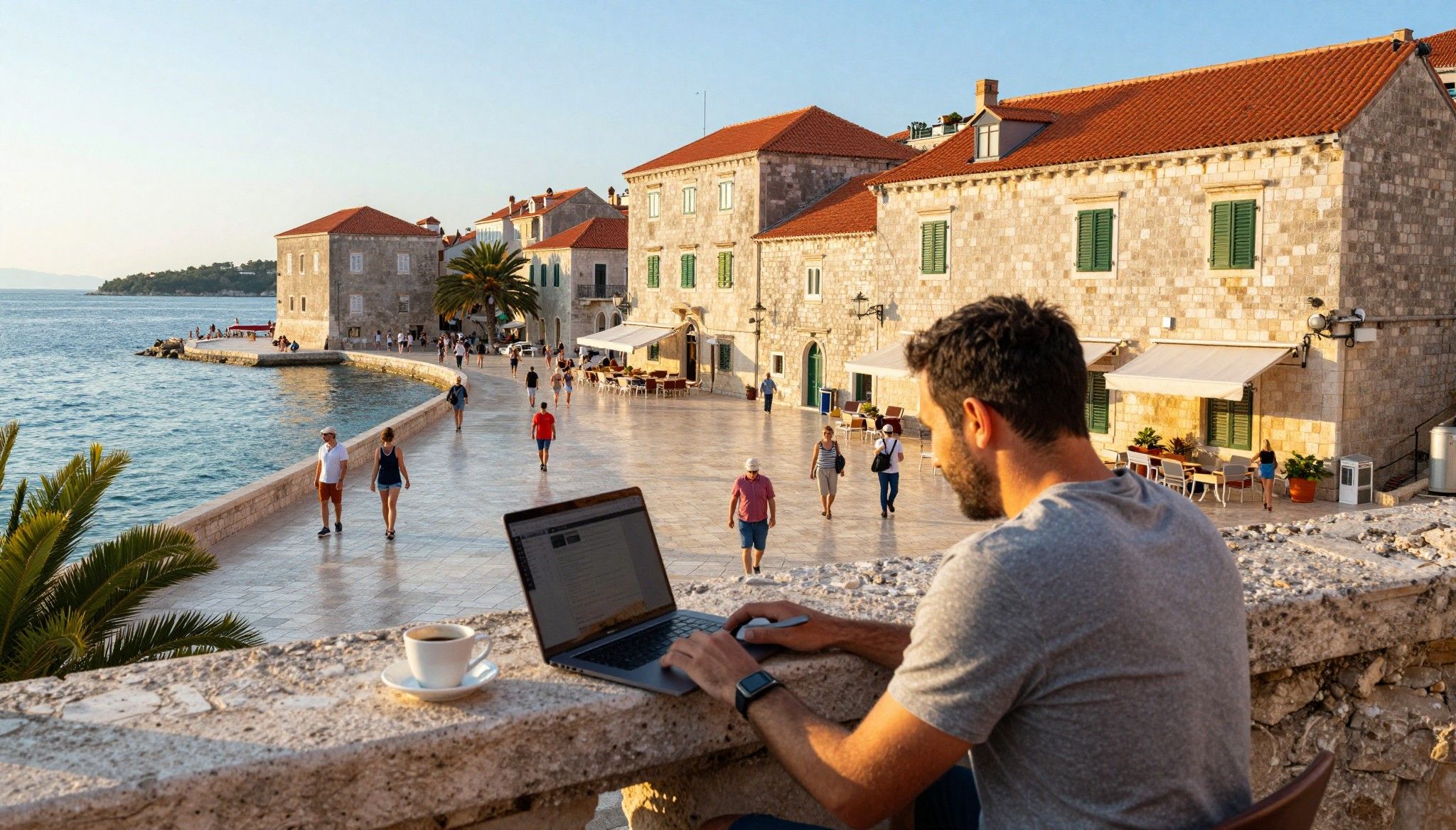
Imagine sipping an espresso at Café de Flore, laptop open, then strolling to the marché for oysters and a baguette. That easy rhythm — long mornings, lively mid‑day markets, and golden‑hour walks along the Seine or a Côte d'Azur promenade — is part of why buyers fall for France. But love alone doesn't win offers here: timing, local customs and the notaire’s checklist shape whether a dream becomes yours or slips away. Research shows French prices have steadied and even rebounded in recent quarters, so a well-timed, culturally-aware offer matters more than ever. ([insee.fr](https://www.insee.fr/en/statistiques/8595552?utm_source=openai))
Living the France Life: senses, streets and seasons
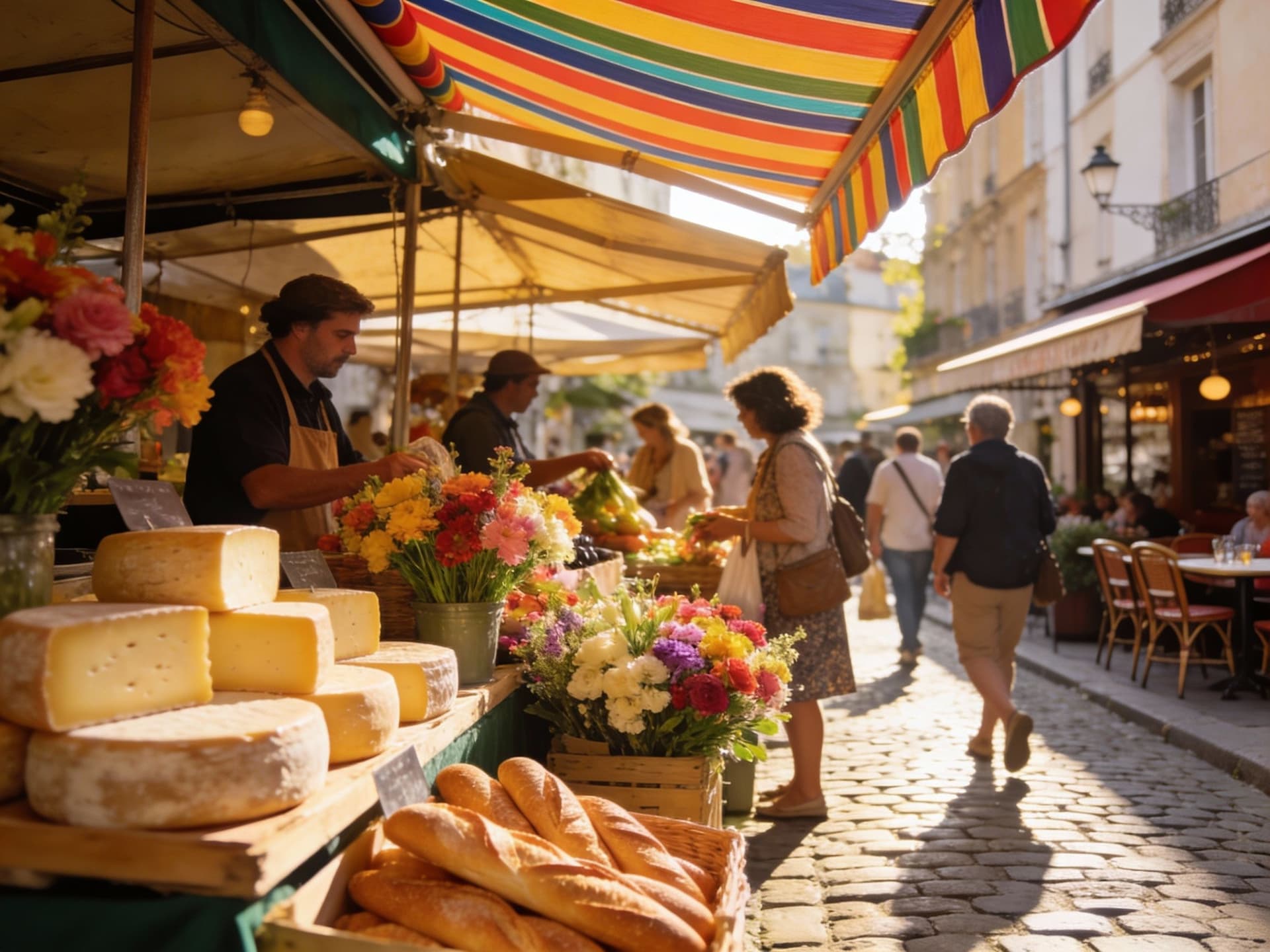
France is sensory. In Lyon you wake to pastry smoke and market chatter; in Marseille the sea sends salt and bouillabaisse aromas down alleys; in Bordeaux vineyards shape weekend plans. Streets matter: narrow medieval lanes mean no parking but brilliant walkability; coastal promenades mean outdoor cafés and a different daily pace. For a nomad, that translates into choices about workspace, commuting rhythm and the small comforts — a terrace with sun, a café with reliable Wi‑Fi, a boulangerie within a five‑minute walk.
Neighbourhood focus: Saint‑Germain, Le Marais, Vieux‑Port
Saint‑Germain (Paris) hums with cafes, independent bookshops, and slow afternoons — perfect if you want classic French life and quick access to coworking hubs. Le Marais mixes Jewish delis, hip galleries and compact apartments with excellent walkability. On the Mediterranean, Vieux‑Port (Marseille) gives sea air, fish markets and a working‑class authenticity that attracts creatives and chefs. Each spot looks beautiful — but liveability depends on Internet, noise, and local rhythms, so test mornings and evenings before you bid.
Food, markets and the seasonal beat
Weekend life in France orbits markets — Marché d'Aligre in Paris, Cours Saleya in Nice, Marché des Capucins in Bordeaux — and those rituals shape how you’ll use a kitchen or dining terrace. Festivals (Fête de la Musique, harvest fairs) and seasonal closures (many small shops shut in August) affect daily life and property desirability. If you want a sunlit terrace for summer entertaining, coastal towns win; if cosy winters with a wood stove appeal, consider Dordogne or Haute‑Savoie.
- Lifestyle highlights to check on visits: morning markets (name a market), nearest cafe with reliable fibre, weekend cultural spots, typical noise at 7am and 10pm, neighborhood green spaces, and proximity to coworking hubs.
Making the move: offers, negotiation rhythm and closing

Dreams meet contract language at the compromis de vente. In practice, the timeframe, deposit rules and signature mechanics determine how aggressively you can move. In France the common cadence: sign a compromis (or promesse) then expect roughly two to three months before the acte authentique at the notaire — that window is your negotiation playground and due‑diligence runway. Bring local timing into your offer: sellers expect certainty and speed, but also respect for formalities. ([edito.seloger.com](https://edito.seloger.com/conseils-d-experts/acheter/fixe-date-signer-l-acte-de-vente-chez-notaire-article-37225.html?utm_source=openai))
Property types & what they mean for offers
A stone farmhouse in Dordogne brings renovation timelines and hidden costs; a Haussmann apartment in Paris carries copropriété rules and syndic fees; a new build (VEFA) has capped deposit rules but longer delivery waits. Your offer should reflect the type: lowball a high‑demand Le Marais flat and you'll lose; offer clean, quick funds and a respectful deposit and you might beat higher bids. Think lifestyle first — will you entertain on a terrace, need workspace light, or require calm streets? — then translate that into conditions and deadlines in the compromis.
Money on the table: deposits and cool‑off. Deposits aren’t strictly capped for resale housing, but customary amounts range from 5–10% and are held in escrow by the notaire or agency. French law enforces a 10‑day cooling‑off after signing, so the deposit isn’t immediately locked in. For VEFA (new builds), statutory caps apply (typically 5% if delivery under 1 year). Make sure your compromis spells out deposit methods and conditions so you keep flexibility while signalling seriousness. ([edito.seloger.com](https://edito.seloger.com/conseils-d-experts/reglementations/depot-de-garantie-cadre-d-un-compromis-de-vente-obligatoire?utm_source=openai))
- Offer steps that win in France: 1) Visit early morning and evening to test rhythm; present photos or references that show you’re a real buyer. 2) Issue a clear, written offer with price, proposed notaire and preferred closing window. 3) State your financing condition and a reasonable deposit (5–10%) with escrow instructions. 4) Ask for a short exclusivity period to order diagnostics and legal checks. 5) Respect the 10‑day cooling‑off rule in the compromis text and set a realistic acte date (often 2–3 months).
Insider knowledge: what expats wish they'd known
A few real‑talk notes from people who bought here: French prices have shown stabilization and pockets of growth, so waiting for big discounts isn't always wise — especially in desirable neighbourhoods. INSEE data shows modest rebounds in house prices in early 2025, so strategy matters: be flexible on move‑in dates, firm on non‑negotiables, and use timing (end of season, winter) to find less competitive windows. ([insee.fr](https://www.insee.fr/en/statistiques/8595552?utm_source=openai))
Cultural cues that affect negotiations
Sociable formality rules the day. Small courtesies — a polite written note in French, a quick call from your agent, punctuality at visits — go a long way. Sellers rarely like abrupt low offers without rationale. Instead, anchor your price with local data (recent sales on the street) and a warm, direct pitch about why you’ll preserve the home — that human touch often softens bargaining and speeds acceptance.
Longer view: what owning in France feels like after year one
After a year you’ll notice the daily tradeoffs: August closures, the rhythm of school holidays, and neighbourly systems (municipal trash days, parking passes). But you’ll also discover rituals — aperitifs on a small square, trusted local tradespeople, and seasonal market runs. Plan for maintenance on older stock (roofing, insulation) and budget annual syndic or taxe foncière lines into your projected living cost.
- Red flags to pause on before you sign: missing diagnostic reports, unclear copropriété minutes, unexpected servitudes on title, persistent damp smells, or lack of fibre broadband in a location that markets itself to remote workers.
Conclusion — fall in love, but bring proof. France offers a daily life that’s hard to beat: markets, cafés, seasons that change how you live. To capture that life, combine sensory scouting with an offer strategy that respects local cadence — clear written terms, sensible deposit, realistic timing and the right notaire. Want a practical next step? Have your agent prepare a short local comparables pack, name the notaire you prefer, and set a 48‑hour inspect-and-offer window so you strike while enchanted — not rushed.
British expat who moved from Manchester to Mallorca in 2017. Specializes in market analysis and helping fellow Brit navigate local regulations.