Buy Where Locals Live: Italy’s Underrated Neighbourhoods
Discover undervalued Italian neighbourhoods where everyday life and steady market performance meet — lifestyle tips plus ISTAT-backed trends for confident buying.
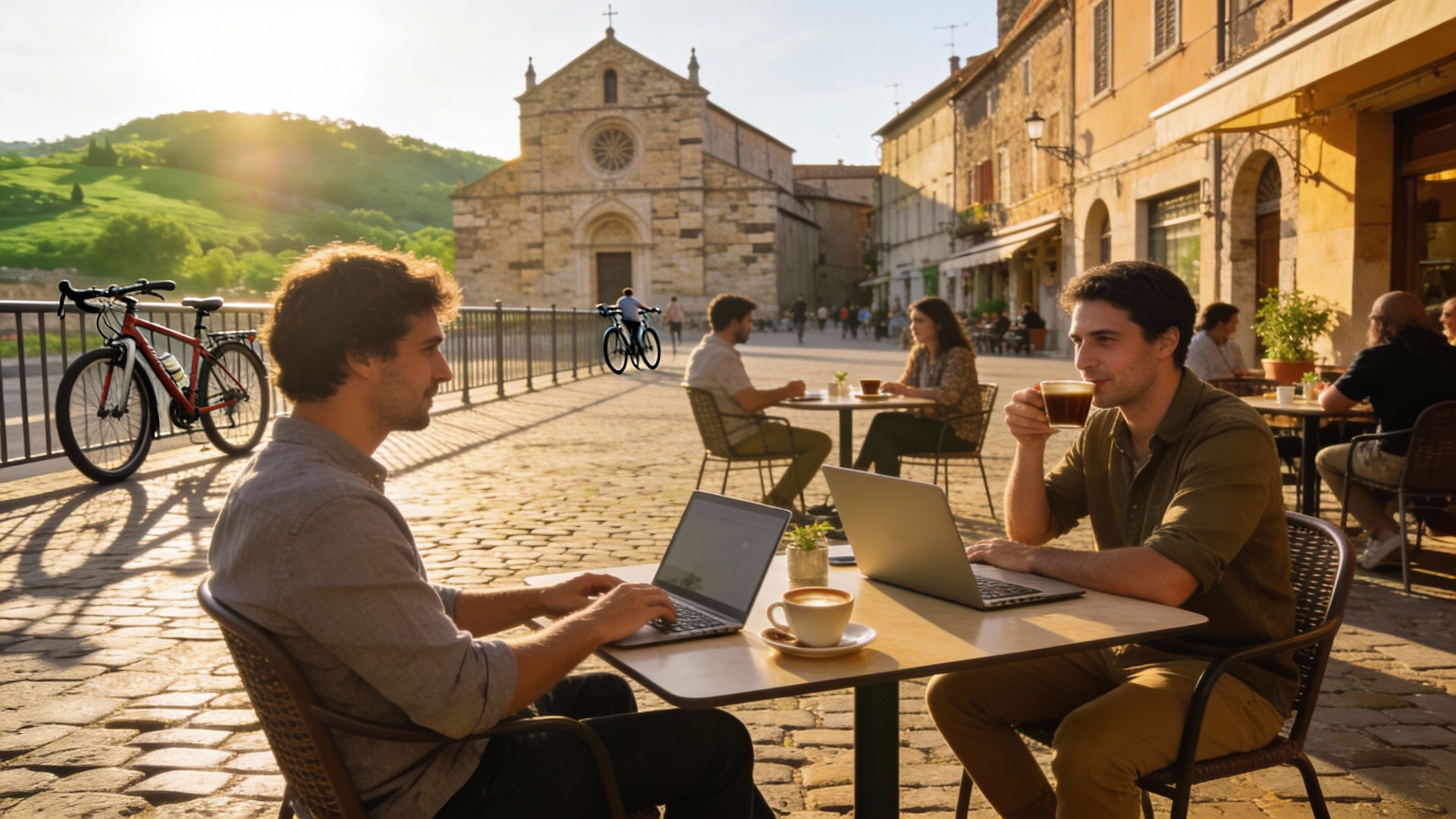
Imagine sipping a morning espresso at Bar Luce in a sunlit piazza, then walking five minutes to a coworking where everyone knows your name. Italy isn't a single vibe — it's a dozen slow‑motion stories: alpine mornings, Adriatic afternoons, cobbled afternoon passeggiatas. For nomads dreaming of a base that's both charming and connected, the trick is to look where locals actually choose to live, not where glossy travel feeds point you. This guide flips common assumptions: we'll show underrated neighbourhoods that deliver lifestyle plus market resilience, backed by recent data and local colour.
Living the Italy lifestyle: more than postcards
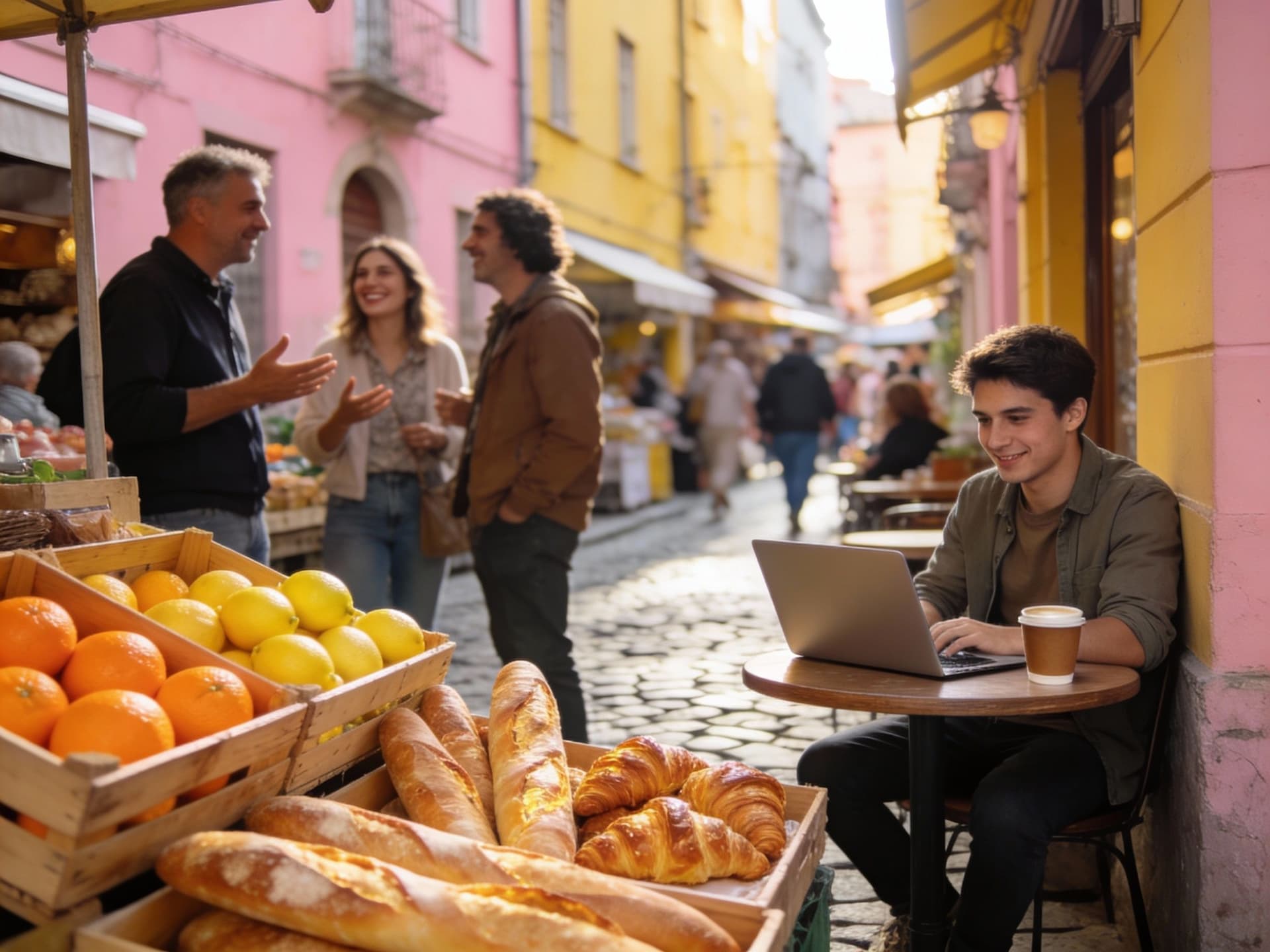
Daily life in Italy moves at a delicious rhythm: early coffee, late lunches, markets that pulse on Saturday mornings and aperitivo hours that stretch toward dusk. Neighborhoods have personalities — Milan’s Navigli hums with design and after‑work cocktails, Bologna’s Santo Stefano smells of baked bread and student chatter, and Lecce’s centro storico glows honey‑gold at sunset. These textures matter when you buy: the apartment that feels perfect for a nomad needs fast wifi and a balcony for morning calls as much as proximity to a lively piazza. Recent market writing shows prices rising unevenly, so pairing lifestyle fit with regional price trends keeps your move savvy and joyful.
Local heartbeat: streets, cafés and the daily passeggiata
Walk any neighbourhood between 8–10am and you’ll meet the local rhythm: tabaccherie queues, bakers’ vans, kids in school uniforms crossing piazzas, and retirees reading the paper on benches. Pick a street with a morning market — like Rome’s Testaccio or Palermo’s Ballarò — and you get food, community and weekend social life within a 10‑minute stroll. For nomads, that means less reliance on cars, more spontaneous meetups, and a built‑in social calendar. When scouting, ask locals where they buy groceries and where the nearest coworking or reliable café signal is; those answers tell you more than glossy listings.
Food, seasons and festivals that shape where you live
Food anchors life here: weekly mercato runs, neighbourly recipe swaps, and seasonal festivals that pack whole towns with music and food stalls. Coastal towns empty in mid‑August and come back to life in September; mountain villages peak in winter for ski season and quiet down in spring. Coworking growth is strong in Italy, especially in Milan and other northern hubs, so you can have café culture and professional infrastructure together — a huge plus if you want both community and reliable internet. Knowing the festival calendar and coworking density will help you choose a neighbourhood that fits your work rhythm and social life.
Neighborhood spots that surprise: where locals actually buy

House prices in Italy rose unevenly through 2024–25: existing homes pushed much of the annual gains while new builds lagged in some quarters, according to national HPI releases. That means neighbourhoods full of character — older buildings with good bones — can outperform expectations because they’re in demand by locals and renters. We’ll pick neighbourhood types where value and lifestyle intersect: university quarters, revitalised port areas, and hilltown perches with commuter links. Each choice balances atmosphere (cafés, markets, green space) with market logic (sales volume, HPI trends).
1) University quarters (vibrant, affordable, always rented)
Think Bologna’s Santo Stefano fringe, Padua’s Prato della Valle edges, or Pisa’s San Francesco side streets — students and young professionals keep demand high and rental turnover healthy. Properties here are often older flats with high ceilings and small courtyards: perfect for a nomad who wants community and cashflow when they're away. Practical tip: look for buildings with recent plumbing/electric upgrades; those are the bargains that won’t surprise you with renovation bills later. Expect steady rental yields and an energetic street life, but check noise levels and insulation before buying.
2) Small port regeneration zones (sea, cafés, new bars)
Places like Genoa’s port fringe, Trieste’s waterfront, or pockets of Puglia near Monopoli are being quietly upgraded — grab a seaside terrace without Lake Como prices. These areas blend fishermen’s markets and new bistros; they’re excellent for nomads who want outdoor life, seafood, and weekend boat trips. But waterfront means maintenance: check salt‑air corrosion, roof condition, and local building rules before you fall for a balcony view. A local agent with experience in coastal listings is essential to spot structural pitfalls and seasonal rental demand.
3) Hilltop commuter towns (quiet charm, fast trains)
Perched towns with a 30–60 minute train to a major city — think Treviso near Venice or Moncalieri near Turin — give you a slower pace without losing city access. You’ll trade skyscrapers for piazzas, morning bakeries and communal life. These spots often have lower price per square metre and good long‑term appeal for families and retirees, and they’re increasingly popular with remote workers seeking calm. Check commuter timetables and track investments in regional rail: a faster connection can lift resale value quickly.
Making the move: practical considerations that keep the dream alive
Lifestyle sells you on a place; logistics keep you there. Before you sign, map the daily loop: where you’ll buy coffee, where friends meet, how long a grocery run takes, and whether your building gets fast fiber. Local agents who actually live in the neighbourhood — not just 'cover' large regions — will point out things listings won’t: common‑area maintenance quirks, neighbour dynamics, wiring age, and microclimate issues like damp in winter. Pair the feel of a neighbourhood with hard data on prices and sales to avoid buyer’s remorse.
Property types and how they shape your life
Historic apartments give you high ceilings and soul, but think about insulation and cooking smells — important if you’ll be on video calls. Newer conversions offer plug‑and‑play living and better layouts for a home office but often lack the neighborhood charm that draws friends out. For nomads, a third‑floor flat with a balcony and a reliable elevator wins more often than a top‑floor attic with killer views but no lift. When viewing, test wifi, check mobile signal in rooms, and imagine an 8am client call while the building below wakes up.
Steps to marry lifestyle and market sense
1) List your non‑negotiables: commute time, fiber, green space, market proximity. 2) Shortlist three neighbourhoods and spend 48 hours living like a local in each — cafes, groceries, coworking, late nights. 3) Commission a local survey and ask agents about recent comparable sales, not just listing price. 4) Check regional HPI trends and rental demand to judge resale and income potential. 5) Meet a mortgage broker and a notary early; Italy’s process rewards preparation. These steps turn romantic choices into smart investments.
Insider knowledge: expat truths, red flags and long‑term living
Expats often underestimate micro‑seasonality: coastal towns boom in summer and quiet in winter, while university districts pulse during term and soften in July. National stats show overall price growth but regional disparity — your buy will behave very differently in Lombardy than in Calabria. Red flags to watch: missing building permits (condono history), inconsistent floor‑area measurements, and unclear common‑area cost splits. Local notaries and agents who specialise in your target neighbourhood are your best filter against these issues.
Cultural realities that affect daily life
Language helps but isn’t mandatory: many younger Italians in coworkings and cafés speak English, yet paperwork and neighbourhood chit‑chat often happen in Italian. Embrace local rhythms — shops close mid‑afternoon in many towns — and you’ll find this slows you down in the best way. Integration happens through routine: market stalls, baristas who learn your order, and volunteering at local festivals. These interactions transform a flat into a community home.
Practical check‑list before an offer
- - Confirm fiber availability and mobile coverage in every room. - Ask for recent condominium (condominio) minutes and expense history. - Commission a surveyor for roof, damp and wiring checks. - Verify cadastral (catasto) maps match the listing and floor area. - Speak to neighbours about noise, lifts and parking realities.
Conclusion: fall in love smartly
Italy gives you morning markets, late dinners and neighbourhoods that hold memories — but it rewards buyers who pair romance with preparation. Start with lifestyle scouting: live locally for a few days, test internet and commute, then bring in local experts for checks and comparables. If you want help matching neighbourhood personality to property practicality, an agent who lives and breathes that quarter will save you time and guard your budget. Ready to pick your piazza? Start with a shortlist and go stay a weekend — you'll know quickly where you belong.
Swedish, relocated to Marbella in 2018 to chase sun and property freedom. Focus on legal navigation and tax for Nordic buyers.