Counterintuitive Italian Pockets Where Nomads Thrive
Nomad-friendly pockets in Italy hide value: rent-test neighbourhoods, verify fibre, and use neighbourhood-savvy agents — backed by Nomisma market forecasts and visa updates.

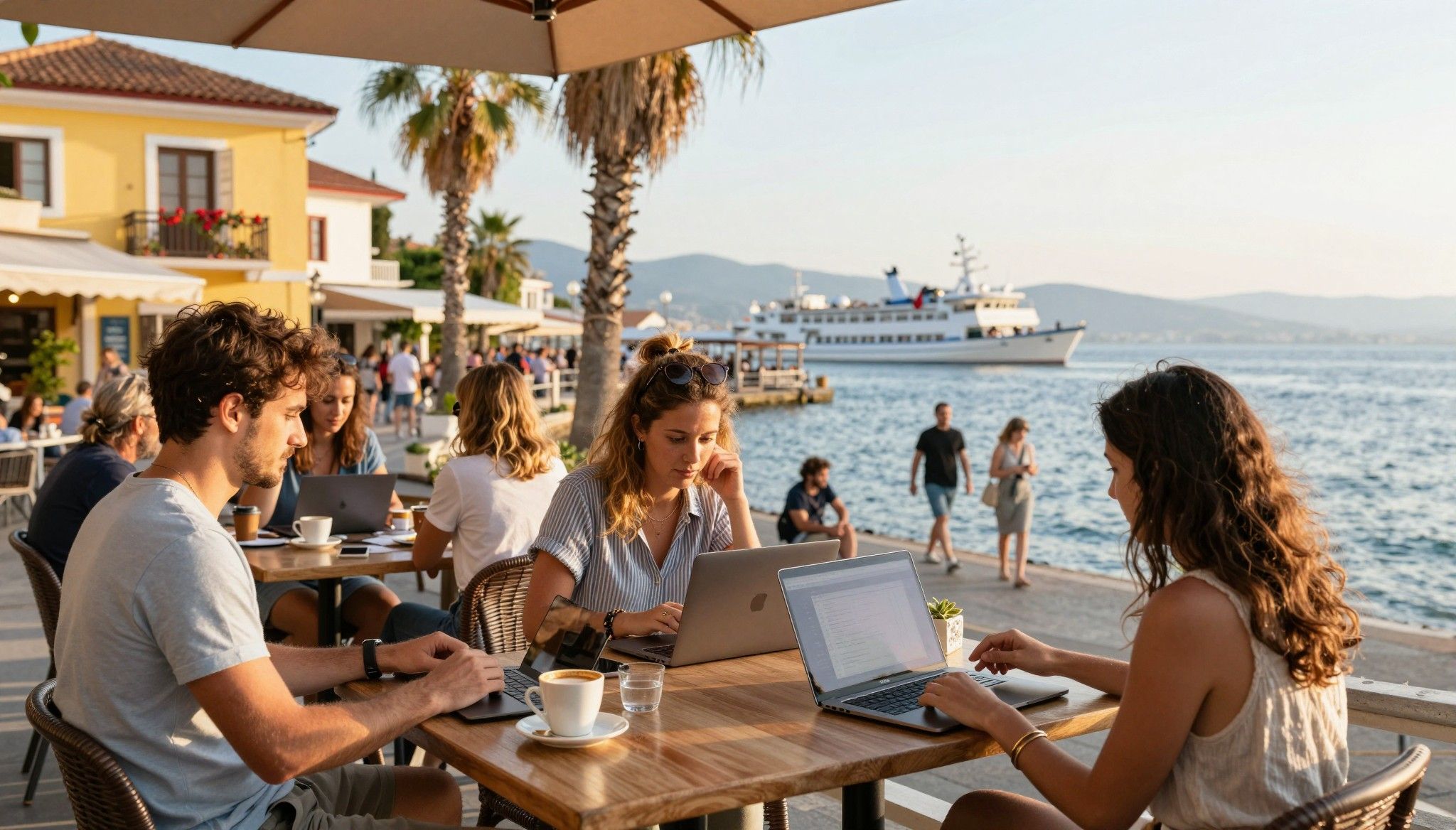
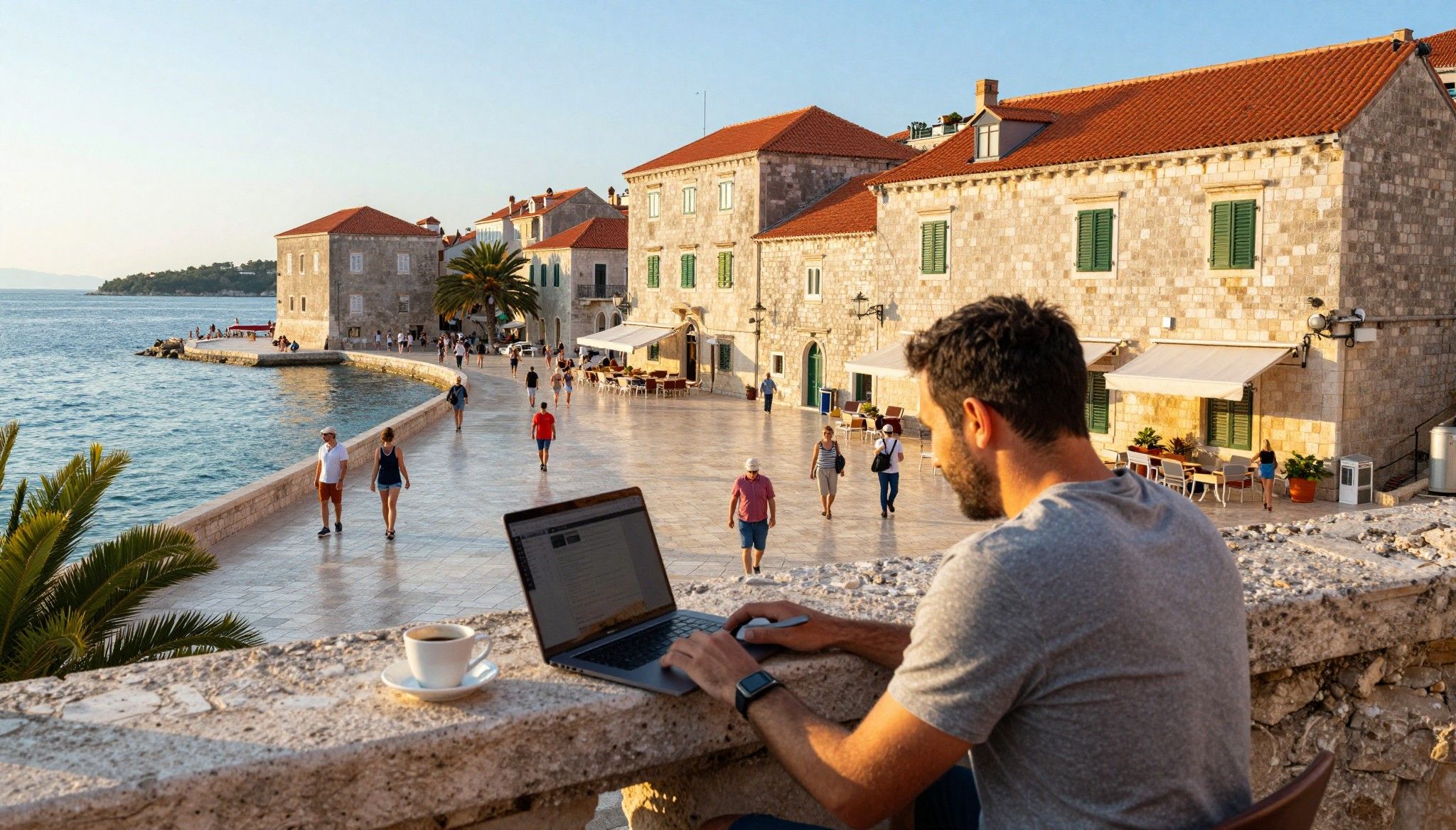
Imagine sipping an espresso on Via del Governo Vecchio in Rome at 9 a.m., then editing a client deck from a sunlit coworking terrace an hour later. Italy moves at a human pace — piazzas, markets, gelato stops — but beneath that romantic surface are neighbourhoods where remote workers and nomads quietly build comfortable, connected lives.
Living the Italy lifestyle — real and lived

Italy isn’t one thing. It’s cobbled historic centres, buzzy university quarters, seaside lanes with fishing boats, and hilltop villages where life slows to a friendly conversation. Mornings often start at a bar counter with a quick espresso and a newspaper. Afternoons stretch into long passeggiatas. Evenings mean aperitivo and laughter spilling into narrow streets. For nomads that means neighborhoods that support a mix of walkability, decent fibre, and coffee culture — the essentials for working and living well.
City pockets with unexpected calm: examples
Take Milan’s Ticinese or Rome’s San Lorenzo: both are close to major hubs, but offer quieter side streets, late-night bars and local markets. They’re not the postcard central squares, yet you get fast trains, coworking cafés and a strong neighbourhood identity. Recent market commentary shows these city markets stabilising and offering pockets of value as interest rates ease. Nomads benefit from being near services without the eye-watering rents of prime historic cores.
Food, rituals and weekend rhythms
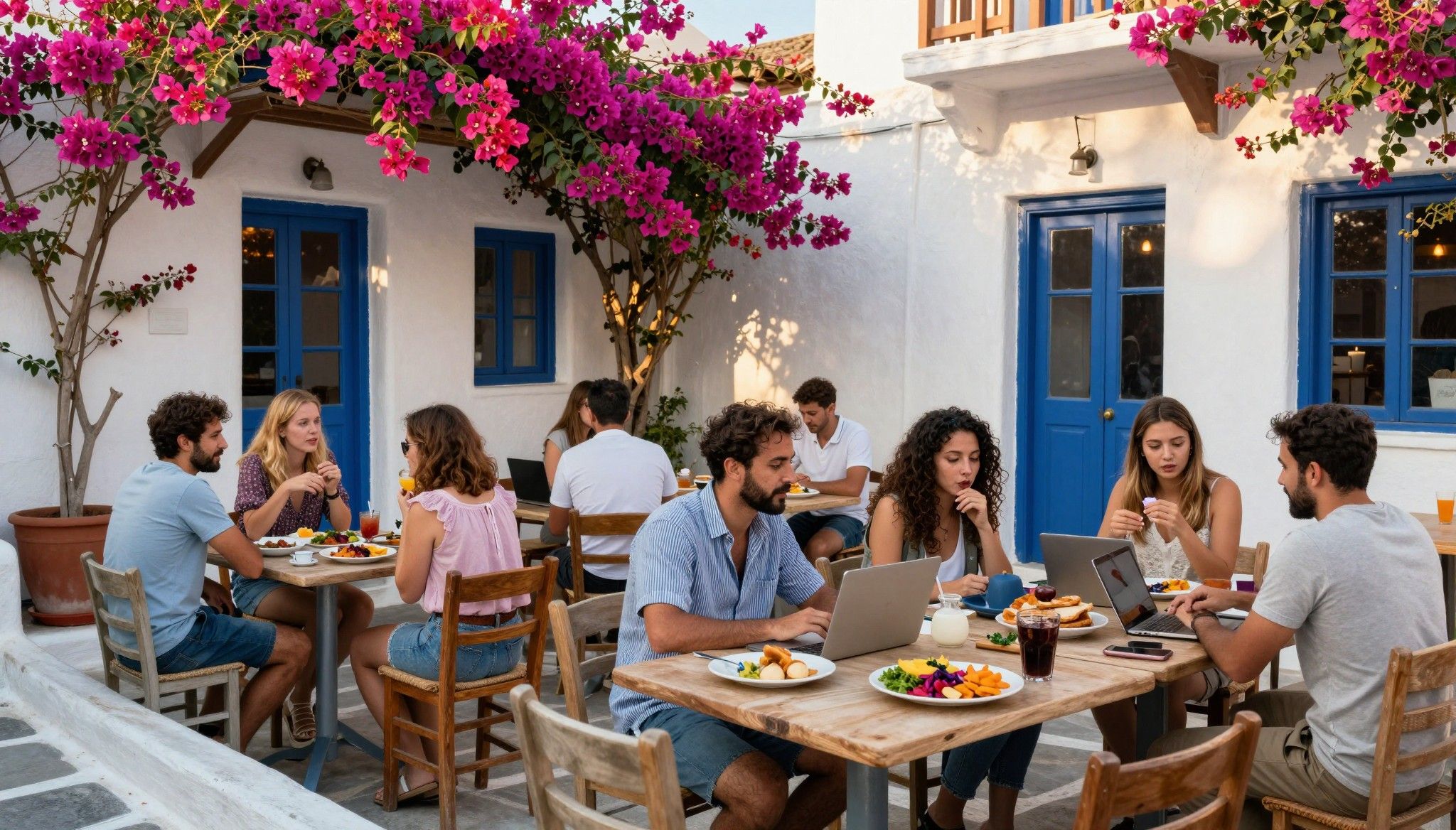
Markets pulse on certain mornings: Mercato di Sant’Ambrogio in Florence, Pescheria di Rialto in Venice, or smaller farmer stalls in Pigneto (Rome). Saturdays mean local hikes in the hills outside cities or beach mornings along the Ligurian coast. These routines shape how you live — you’ll want a kitchen for market cooking, a balcony for evening wine, and storage for fresh pasta and olive oil.
- Lifestyle highlights to look for in a neighbourhood
- Daily espresso bar within a 5–10 minute walk
- At least one coworking space or reliable café with Gigabit or good 5G
- Weekly market or local grocery for fresh produce
- Green spaces, cycle lanes or easy weekend escapes
Making the move: lifestyle meets the property search

Your dreamy morning and practical move collide in three places: visas, neighbourhood fit, and property type. Italy’s digital nomad visa (introduced in 2024) changed the game for many remote professionals: it’s valid for up to 12 months and requires proof of income, insurance and accommodation — so a rental-to-buy trial can be smart before committing. Work with an agent who understands these visa timelines and can match temporary leases to potential purchase areas.
Property types that support nomad life
Small historic flats: romantic, central, and walkable — but check insulation, elevator access and internet cabling. Modern apartments in peripheral pockets: often cheaper, better fibre, and rooftop terraces. Country houses: great for slow seasons and privacy but consider commute and utilities. Pick for how you’ll work: dedicated desk space, daylight, and quiet during overlap hours with clients.
How local experts bridge lifestyle and paperwork
A neighbourhood-savvy agency will preview fibre availability, suggest streets with a living community (not just short‑term rentals), and flag renovation realities. They’ll also help arrange short lets that let you test morning routines — can you buy oranges from the same vendor every Saturday? — before signing up for mortgages or long-term contracts.
- Steps to blend lifestyle and deal-making
- 1) Rent first in 2 different neighbourhoods for 4–8 weeks to compare morning routines and commute times
- 2) Test internet at the exact apartment and peak hours; ask neighbours about outages
- 3) Check local services (post office, pharmacies, market days) and proximity to coworking
- 4) Use an agent who can provide recent sale comparables and introduce a notary with language support
Insider knowledge: what expats wish they’d known
Expats often tell the same story: they fell for the postcard scene, then learned that small details determine daily happiness — working lifts, reliable deliveries, heating hours in winter, and whether your street shuts down during August festivals. Market data suggests modest national price growth compared to earlier volatility, but local micro-markets vary. That means the right neighbourhood choice can give you the Italian dream without overstretching your budget.
Culture and community: blending in without losing yourself
Learn key social rhythms: shop local small hours, greet shopkeepers, join a corso or language exchange. Attend sagre (village food festivals) and become the person who asks after someone’s nonna — that’s how neighbours include you. Language will open doors: a few months of classes dramatically changes your life and bargaining power when buying property.
Longer-term realities: taxes, planning and seasonality
Beyond lifestyle, there are predictable cycles: summer brings tourists and lively streets (and sometimes noise), while winter reveals delivery gaps and heating bills. Smart buyers factor seasonal costs into budgets and ask agents about annual utility patterns. Recent forecasts show transaction volumes rebounding as credit conditions ease — that can open negotiation room if you’re patient and local-market aware.
- Practical red flags locals mention
- No documented fibre availability at the apartment (verify via provider sites)
- Properties marketed as “recently renovated” without permits or energy upgrades
- Streets dominated by short-term rentals — community feel and services may suffer
Conclusion — imagine the life, then confirm the logistics
Fall in love first: taste the coffee, test the commute, try living two mornings in a neighbourhood before saying yes. Then work with a local agency that can check fibre, introduce a notary, and arrange short lets tied to visa timing. Italy rewards those who blend curiosity with due diligence — the result is a life rich in food, friends and work that flows between piazza and laptop.
Dutch investment strategist guiding buyers to Greece and Spain; practical financing, tax, and portfolio diversification.