Fall for French Neighbourhoods, Buy with Real Data
How to buy in France the nomad way: fall for neighbourhood rhythm, test internet and seasons, and use local agents who match lifestyle to market data (INSEE-backed).
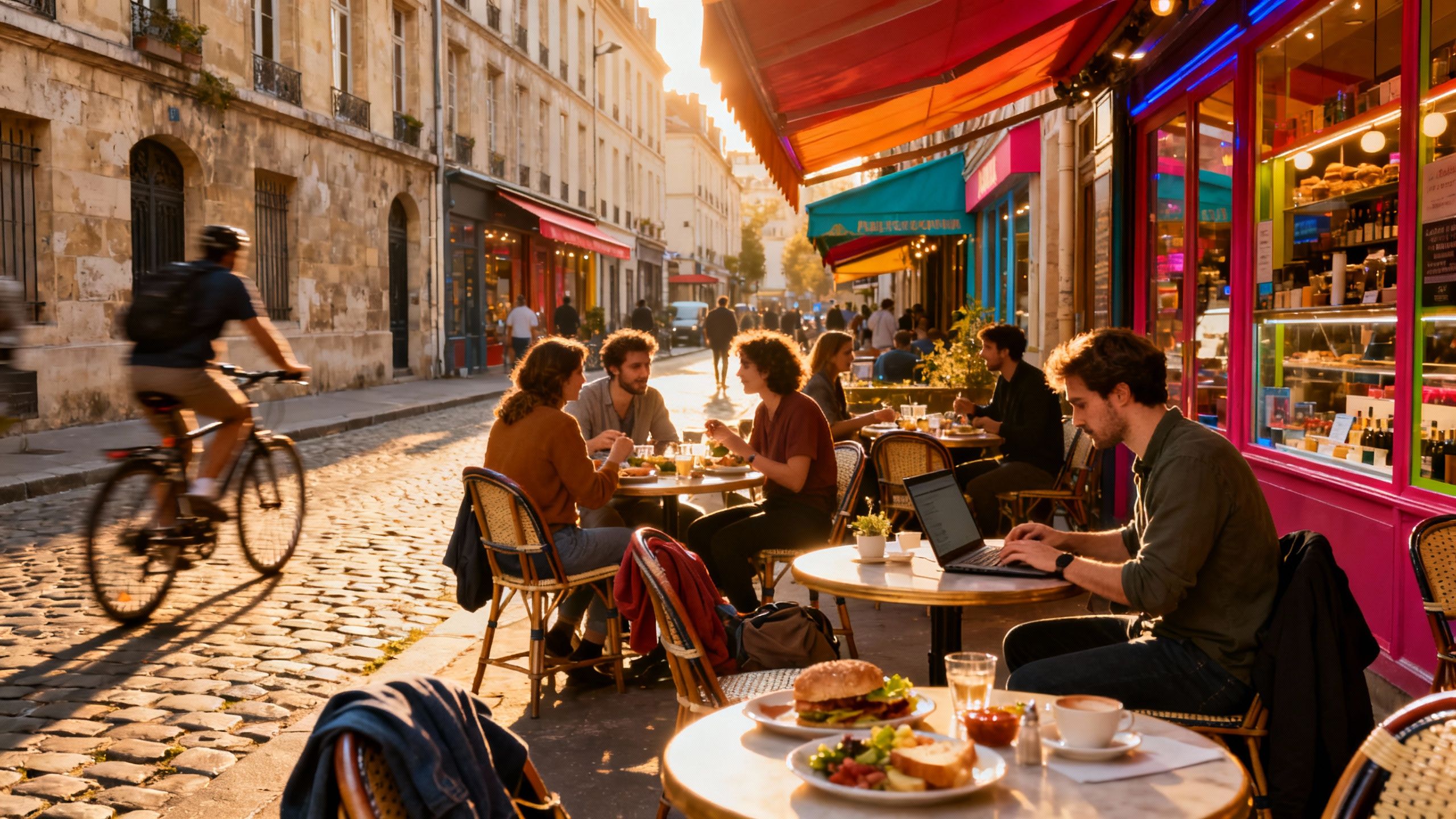
Imagine a Saturday morning in France: a boulangerie line on Rue du Faubourg, cicadas in Provence in July, students crowding a canal-side café in Lyon, and a remote worker editing code from a sunny Bordeaux terrasse. That mix — ritual, seasonality and work‑friendly rhythms — is what draws so many nomads and international buyers. But lifestyle romance and practical property choices don’t always line up. Read on for the neighbourhood truths, surprising market data and insider moves that actually let you live the French life well.
Living the French lifestyle: more than postcards
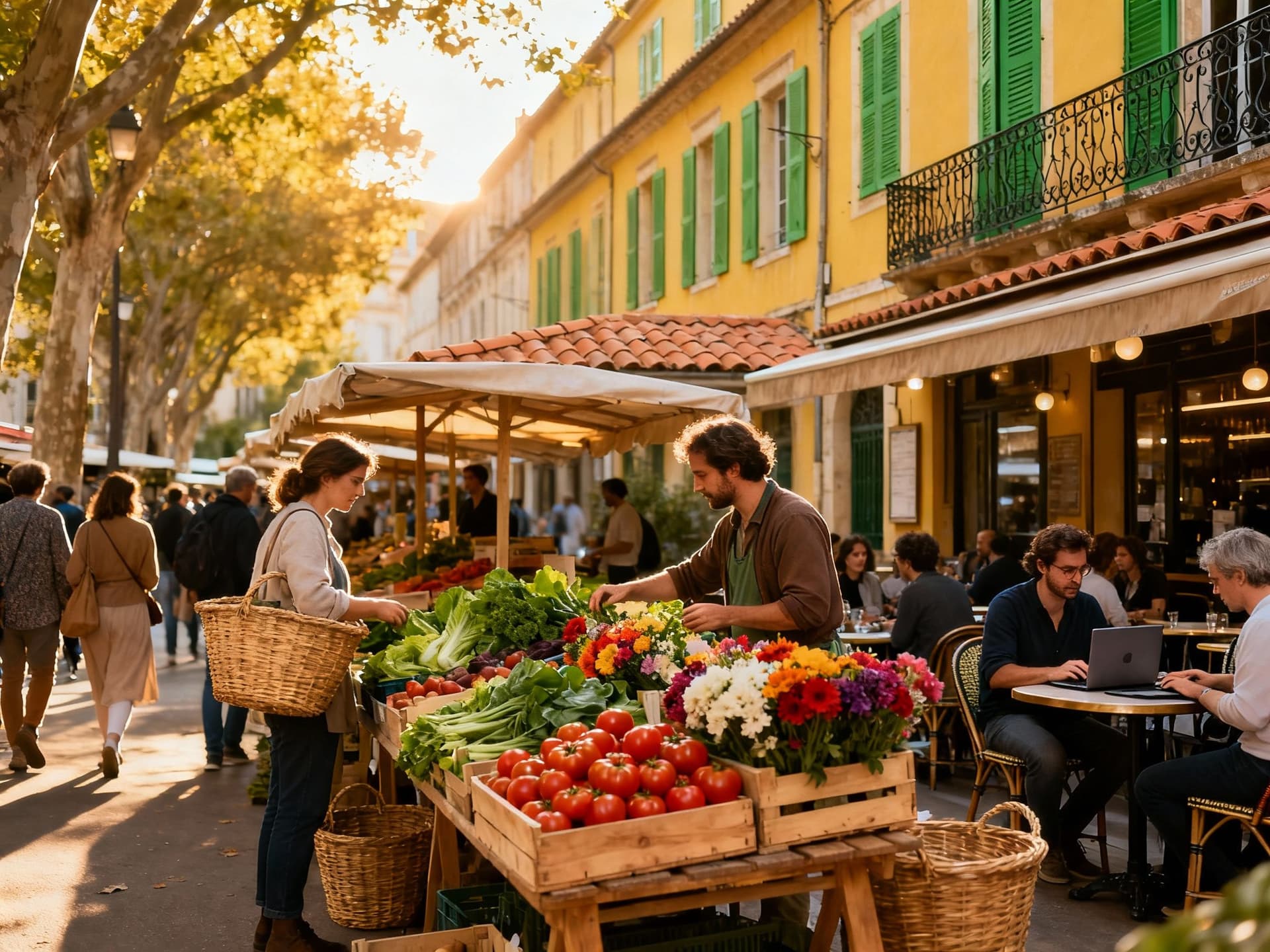
France is a collage of daily rituals: morning espresso at Rue Montorgueil in Paris, late-night aperitifs in Marseille’s Le Panier, weekend marché runs in Nantes or Tai Chi at the Parc des Buttes-Chaumont. Neighborhood character shifts block by block — a lane where tradespeople open early, a square where seniors play pétanque, a riverside wharf now full of co‑workers with laptops. For international buyers, that texture matters more than square meters: you’re buying into routines, not just walls. Keep an eye for areas where cafés, parks and reliable internet coexist; they tell the real story of lived life.
Paris, Lyon, Bordeaux: familiar names, different lives
Paris still sparkles for culture and connectivity, but living there means choosing between historic charm and the compromises of density. Lyon offers a balanced urban life—riverside runs, bouchons, and an increasingly strong tech scene—while Bordeaux blends wine country calm with fast TGV access to the capital. Regional hubs have been quietly climbing the coworking ladder and improving services; census and price indexes suggest provincial flats regained momentum in Q1 2025, so choices outside Paris are both lifestyle-smart and market-savvy. Look beyond skyline clichés: which city rhythm matches your weekly routine?
Coastal towns and rural retreats: when slower is faster
Seaside life on the Riviera or Brittany brings a different tempo — markets slow in winter, burst in summer. Many buyers romanticize Côte d’Azur year-round glamour, but towns like La Ciotat or Sète offer the same Mediterranean light with lower density and better value. Rural villages in Dordogne and Lot let you buy larger spaces and gardens, perfect for creative nomads or families wanting farm-to-table life. Check seasonal service availability (medical, schools, groceries) before committing; a charming winter village can feel very different in January.
- Weekend rituals and local picks: boulangeries on Rue de Bretagne (Paris), Marché des Capucins (Bordeaux), Café Mokxa (Lyon), Plage du Veillon (Vendée).
Making the move: lifestyle-first practicals
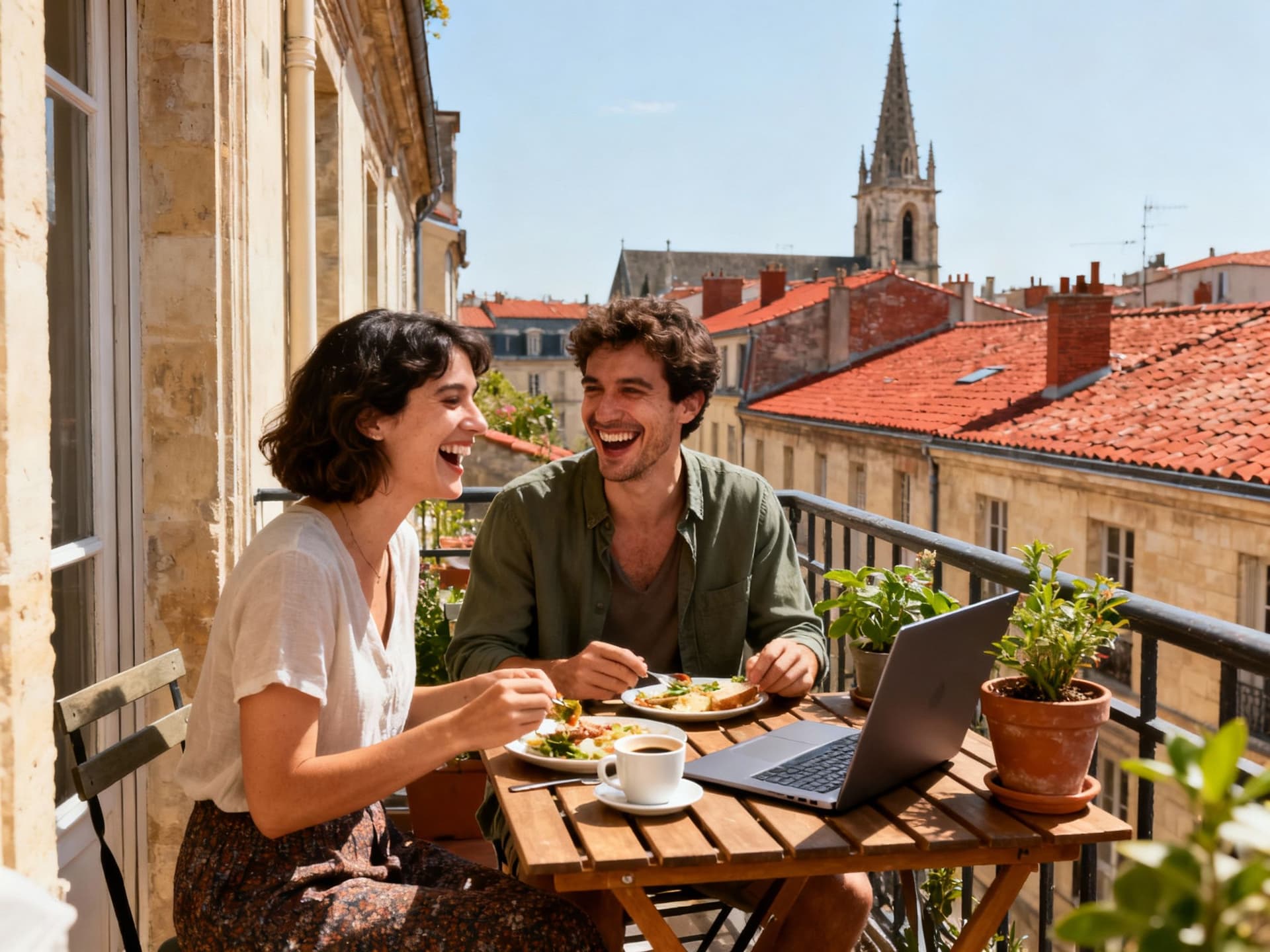
Dreams meet deeds here: recent INSEE data shows house prices in France rose in Q1 2025 after a period of stability, reminding buyers that timing and place matter. That rebound means negotiating power varies wildly by region; provincial flats and houses are rising modestly while Parisian pockets behave unevenly. For nomads, the sweet spot is a property that supports work — stable internet, a bright room for a desk, and nearby third places — while still delivering the lifestyle you want. Blend market signals with daily needs and you won’t just buy a home, you’ll buy a life.
Property styles that fit nomad life
Haussmannian flats in Paris give atmosphere and walkability but often lack work-friendly layouts unless adapted; a mezzanine or alcove can become a great office. Modern apartments in Bordeaux or Nantes frequently include balconies, better natural light and easier parking—great for hybrid routines that mix coworking and home office days. Country stone houses deliver space and gardens, but check heating systems and connectivity before signing; long winters without reliable fibre can make remote work difficult. Prioritise fibre availability, quiet rooms, and a comfortable terrace if you love outdoor breaks between calls.
Working from France: coworking and connectivity
The coworking scene expanded strongly in 2024 and 2025, with regional cities opening more flexible spaces and reducing the need to live in capital hotspots. That’s great news if you want café culture plus reliable desks nearby; many towns now host vibrant weekly meetups and tech events. For buyers, check proximity to at least one coworking hub and confirm fibre or 4G/5G performance; lifestyle-friendly neighbourhoods almost always pair with good digital infrastructure. Agencies who know local coworking ecosystems make a surprisingly big difference when aligning property with work life.
- Steps to align property with lifestyle: 1) Map daily routes (coffee, grocery, workspace). 2) Test internet speeds at different times. 3) Visit in both high and low season. 4) Ask agents about community events and neighbour profiles.
Insider knowledge: myths, mistakes and local cues
Here’s the real-talk: France isn’t uniformly ‘expensive’ and not all coastal towns equal Côte d’Azur. Foreign buyers account for a modest slice of transactions, roughly 2% recently, concentrated in pockets of Provence and the south-west. That concentration creates misconceptions—small towns near tourist hotspots often offer better value and an easier integration into local life. Learn the signals sellers use (phrases like “à rénover” and “rare sur le marché”); a seasoned local agent translates real meaning into bargaining advantage.
Cultural cues and everyday integration
French social life leans small and steady—neighbours at the marché, aperitifs on Thursdays, school fêtes in summer—so being part of local routines speeds integration. Learning basic phrases opens doors; so does showing up at the same café or market stall weekly. Don’t expect instant friendships; invest time in local clubs or language exchanges and you’ll build the community that makes the place feel like home. Agencies with community connections can introduce you to the right cafés, associations and English-friendly services.
Long-term practicals buyers often miss
Hidden costs are less dramatic than stories suggest but real: renovation standards, local heating systems, and seasonal municipal fees. Also, mortgage availability and rates have shifted markets—watch central bank trends and local lender terms before deciding. If you plan to rent out occasionally, check local short‑term rental regulations; cities like Paris and parts of the Riviera restrict tourist rentals tightly. A local notaire or bilingual lawyer will save time and headaches; they explain clauses and local customs that aren’t obvious in translated contracts.
- Quick red flags to watch: unclear renovation permits, missing heating certificates, fibre not connected, shared building reserve fund low, and vague ownership history.
So what now? Fall in love first, but choose with eyes wide open. Visit neighbourhoods in different seasons, prioritise connectivity and third places, and work with an agency that treats lifestyle as the primary brief. Ready to scout French neighbourhoods with a nomad lens? Ask for properties near reliable coworking spots, test internet live, and plan a return trip for low-season reality-checks — those few extra steps turn dreamy listings into everyday joy.
Swedish, relocated to Marbella in 2018 to chase sun and property freedom. Focus on legal navigation and tax for Nordic buyers.