Italy: Affordable Neighbourhoods Foreign Buyers Miss
Italy’s national price tag hides neighbourhood goldmines. Find lifestyle-rich, affordable pockets and practical steps—connectivity, seasonality, and agency choices—backed by recent market data.

Imagine stepping out at 8am to buy a warm brioche on Via del Governo Vecchio in Rome, or cycling past pastel houses to the beach in Puglia at sunset. That everyday magic—small piazzas, noisy markets, aperitivo crowds—defines why people buy in Italy, not just the price per square metre. But here’s the twist: the country’s “expensive” label masks huge local variety. Recent market analysis shows rising international interest, yet pockets of affordability and under‑the‑radar value remain if you know where to look.
Living the Italy lifestyle
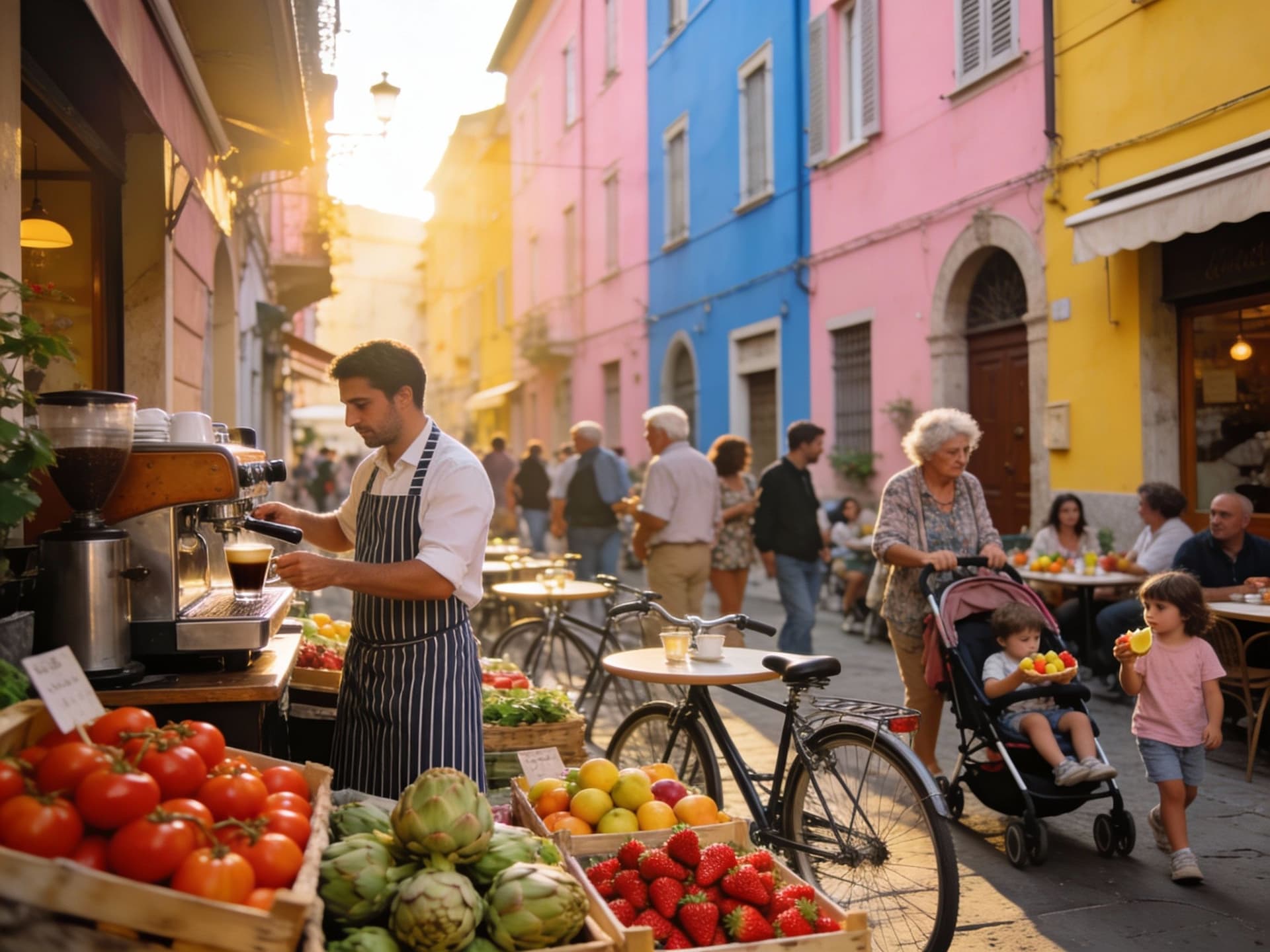
Wake up routines here are tactile: quick espresso at the corner bar, a bakery run for focaccia, and people‑watching that stretches into late afternoon. City centres pulse with scooters, narrow lanes and centuries of layers—Florence’s Oltrarno, Milan’s Navigli, Bologna’s Quadrilatero—while the countryside offers slow rhythms: chestnut markets in Emilia, truffle hunts in Piedmont, and seaside life along the Amalfi and Salento coasts. House prices and rents have generally risen across Europe, but Italy’s regional differences mean lifestyle and cost can diverge dramatically from one town to the next. That split is exactly where international buyers can find better value without sacrificing the Italian way of life.
City heartbeat — Rome, Milan, Bologna
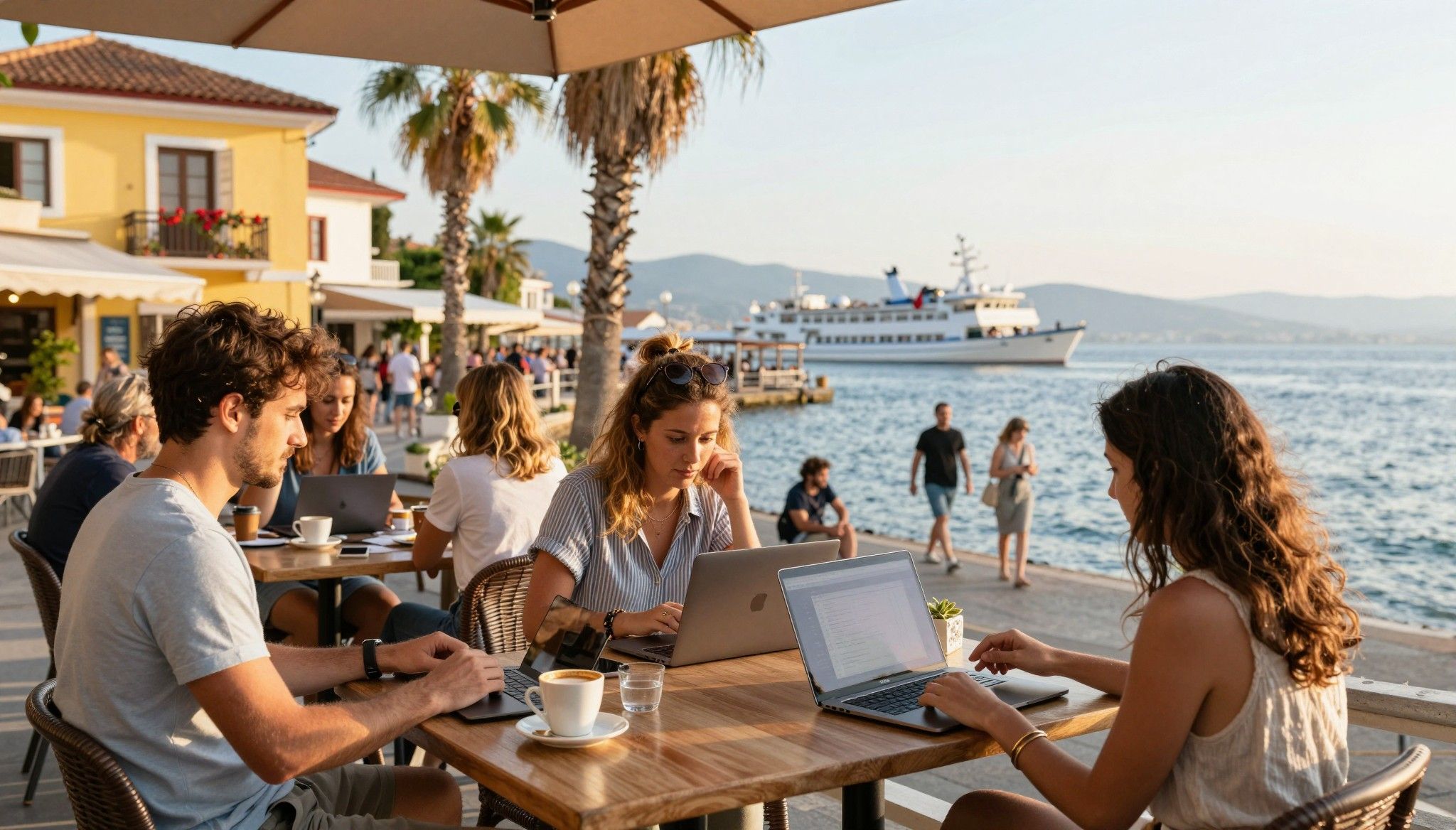
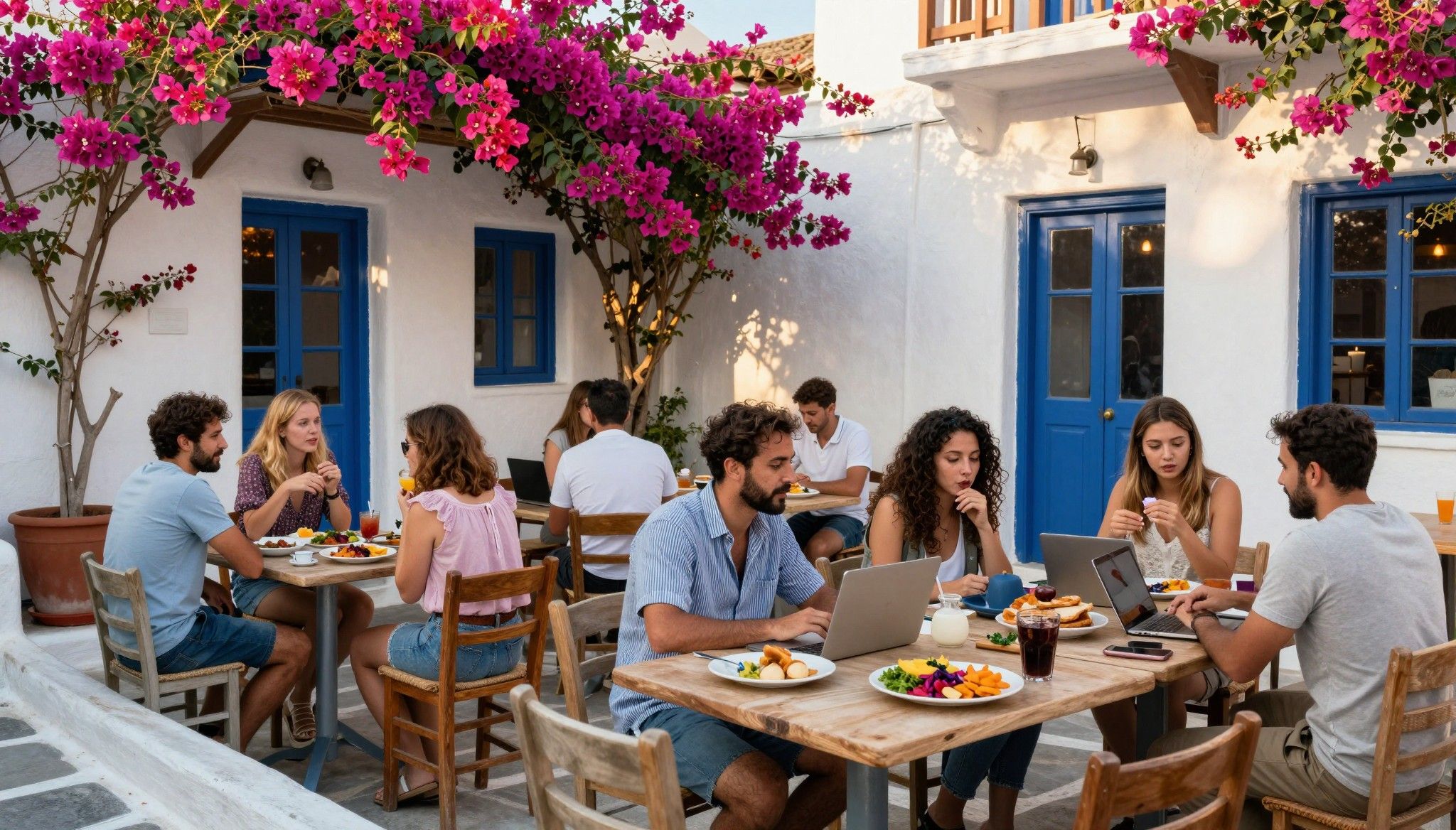
If you crave cafés, galleries and coworking, Rome’s Trastevere and Monti feel endlessly lived‑in, while Milan’s Isola and Porta Romana fuse design energy with solid broadband and coworking options. Bologna’s centro storico and latero districts are a surprising magnet for nomads who want student energy, cheap local food and canalside strolls without Milan price tags. In each case, look two streets away from the tourist spine and you’ll often find calmer streets and better value—little trattorie, municipal parks and markets that tell the real story of daily life.
Coast and countryside — Liguria to Puglia
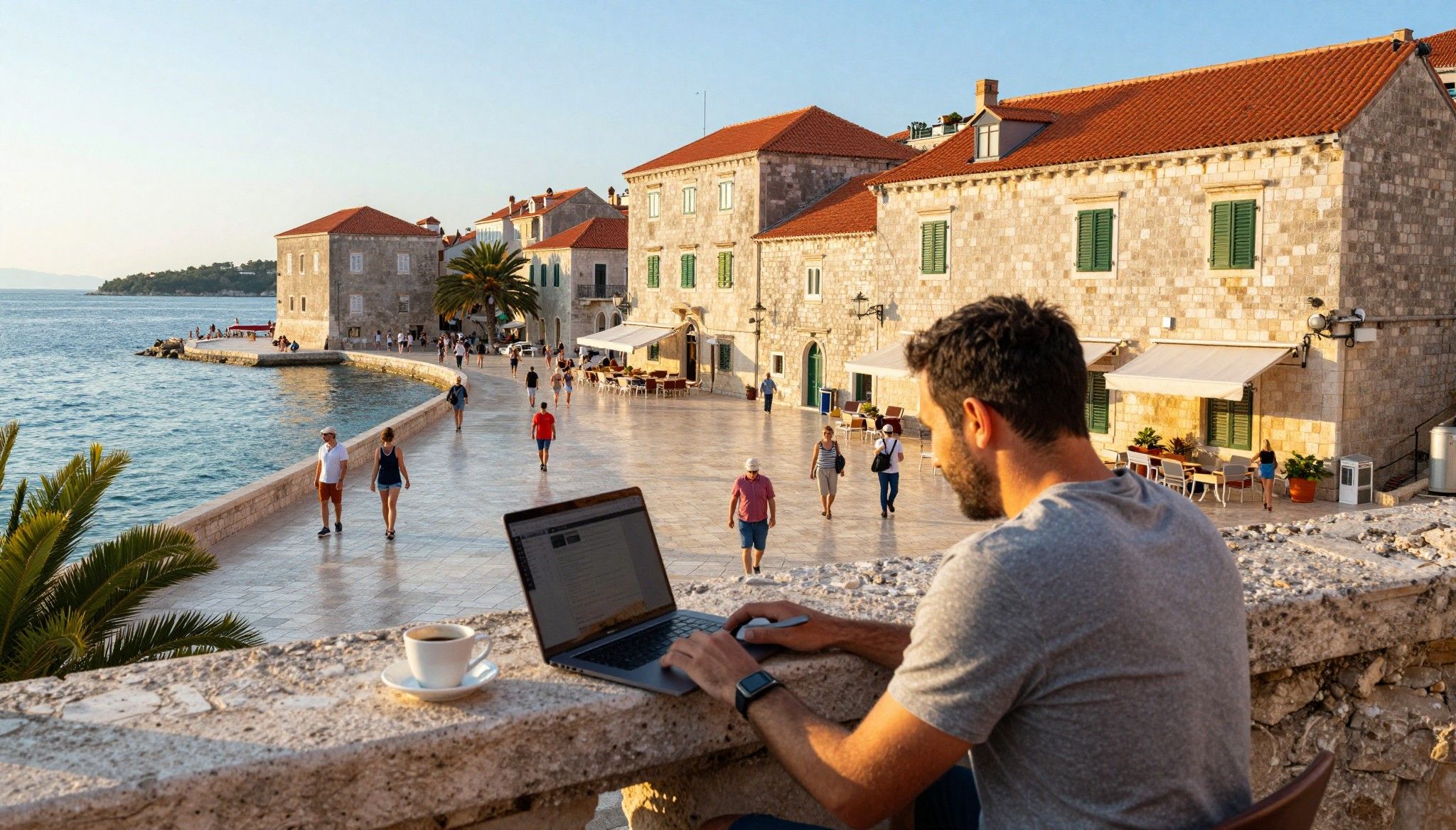
Coastal towns come with obvious romance—cinque terre vistas, Venetian canals, Salento beaches—but they also hide practical tradeoffs: seasonal tourism, maintenance for salt‑air façades, and fluctuating rental demand. Northern coasts like Liguria are pricier; mid‑south Puglia and Calabria often give you sea views and more square metres for the same money. For a nomad who wants both sand and a reliable workspace, towns like Bari or Lecce combine fast trains, lively locals and lower prices than the major tourist magnets.
Making the move: practical considerations
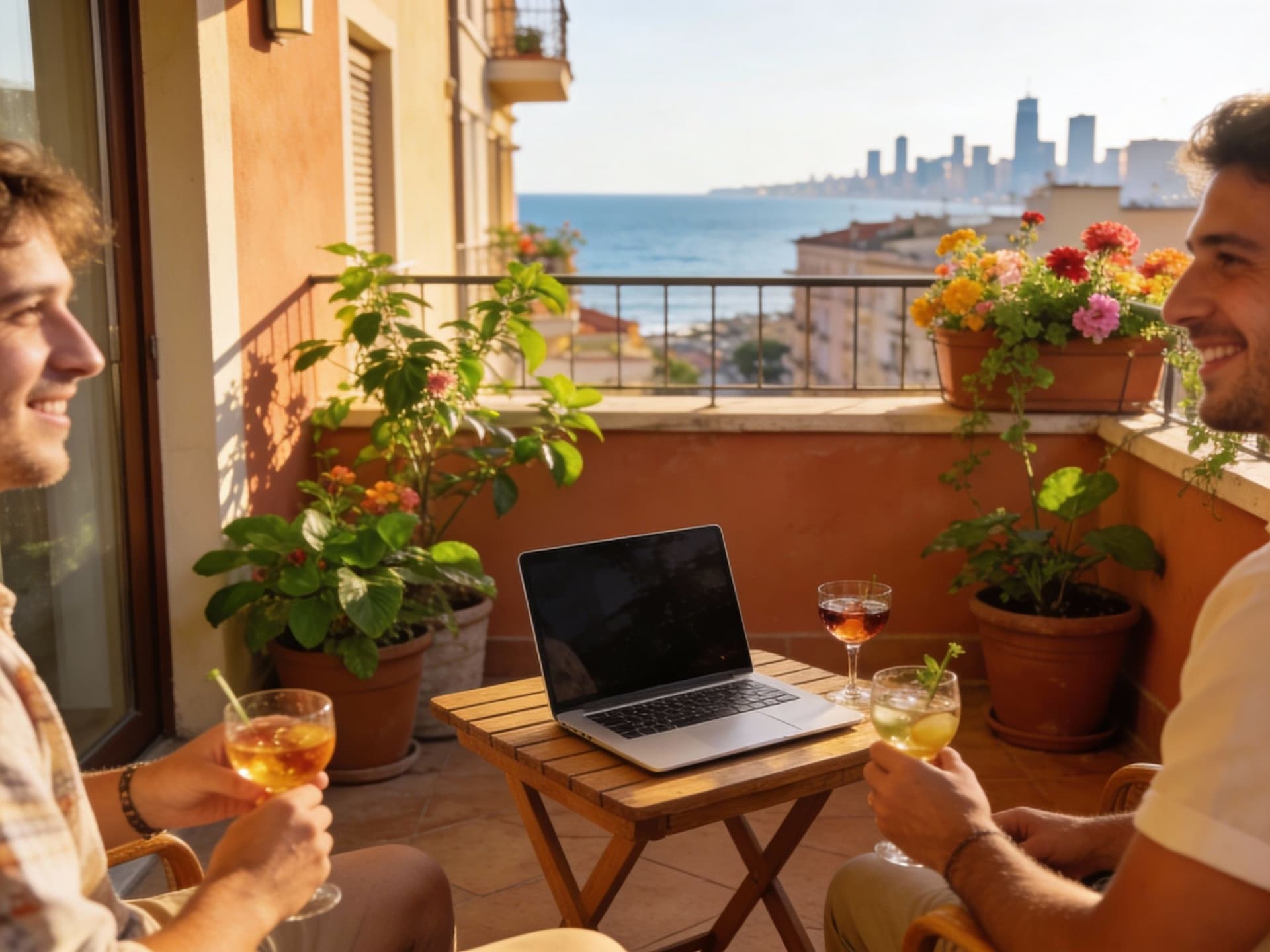
Dreams meet logistics fast: connectivity, property type and local services shape whether that dreamy terrace becomes a daily joy or a maintenance headache. Broadband rollout varies—Italy is improving but rural gaps remain—so check real upload/download speeds for each building before you sign. National house price indices show gradual recovery and regional swings, meaning timing and location choice matter more than ever for value‑minded buyers.
Property styles and how you’ll live in them
Historic city apartments offer charm—high ceilings, shutters, central squares—but often need modernising: insulation, wiring and plumbing can be expensive. New‑builds or converted industrial lofts give plug‑and‑play internet and energy efficiency but sit farther from the storybook piazzas. In regions like Umbria or Sicily, renovated farmhouses can be surprisingly affordable, but expect extra paperwork and longer renovation timelines. Choose by lifestyle: if you work full‑time remotely, prioritise buildings with reliable fibre or easy mobile coverage; if you crave local daily life, a modest centro apartment may be perfect.
- How to marry lifestyle with practicality (steps)
1) Map your non‑negotiables (fibre, international airport access, school or coworking). 2) Narrow regions by vibe—north for design and business, centre for culture, south for sea and value. 3) Check actual building connection (ask vendors for recent speed tests). 4) Use a local agency that knows the streets, not just listings—ask for video walk‑throughs at different times of day. 5) Factor seasonality: coastal rental demand spikes summer but slows off‑season, affecting both lifestyle and rental income.
Insider knowledge: what expats wish they’d known
The common surprises hit small and practical: the bureaucracy tempo, the importance of friendly neighbours, and how much life happens outside official hours. Expat communities cluster in predictable spots—Florence’s Santo Spirito, Milan’s Navigli, and on islands like Sardinia—but you’ll often make deeper connections in less obvious neighbourhoods where local life still hums. Seasonality matters: winter house‑hunting in coastal towns reveals true year‑round noise levels, utility costs and whether the baker really stays open on Mondays.
Language, social norms and daily integration
Learning some Italian opens doors—literally. Neighbours, local banks and artisans appreciate the effort and tend to be more helpful when you try. Expect a slower but friendlier pace: shop hours, long lunches and village festivals can reshape the week, and they’re part of the charm. For nomads, joining a coworking community or language class accelerates belonging and helps you test neighbourhood compatibility before committing.
- Expat tips and red flags from real buyers
• Red flag: No written confirmation of condominium rules—ask for the minutes of the last assembly. • Tip: Visit neighbourhoods both at 10am and 10pm to feel noise and life cycles. • Red flag: Sellers who refuse to share recent utility bills—high costs often hide behind charming facades. • Tip: Use local agencies familiar with expat needs; ask them about connection speeds and coworking passes.
Longer-term lifestyle and value
Over five to ten years, Italy’s varied markets often reward patient buyers who buy where locals live and invest modestly in modern comforts. National indices show gradual rises in many regions, but smart buyers watch local pipelines—transport and fibre upgrades often precede value growth. If you plan to rent, target towns with year‑round economies (universities, hospitals, digital hubs) rather than purely seasonal tourism spots.
Ready to feel it in person? Start with a short reconnaissance trip: pick three neighbourhoods that match the vibe you want, book coworking day passes, and see apartments in each area at different times of day. Use a local agency as a cultural translator—someone who can tell you which streets have morning markets and which ones go quiet after sunset. Italy’s secret isn’t in a single city; it’s in choosing the right neighbourhood for your life. Book that week, pack a few shirts and a notebook, and give yourself permission to fall slowly—this is how the best moves begin.
Swedish, relocated to Marbella in 2018 to chase sun and property freedom. Focus on legal navigation and tax for Nordic buyers.