The Italian Neighbourhood Everyone Avoids — A Nomad Goldmine
Look beyond Italy’s tourist hubs: quieter neighbourhoods and regional pockets offer nomad-friendly life, fast-growing coworking and value — backed by ISTAT housing data.
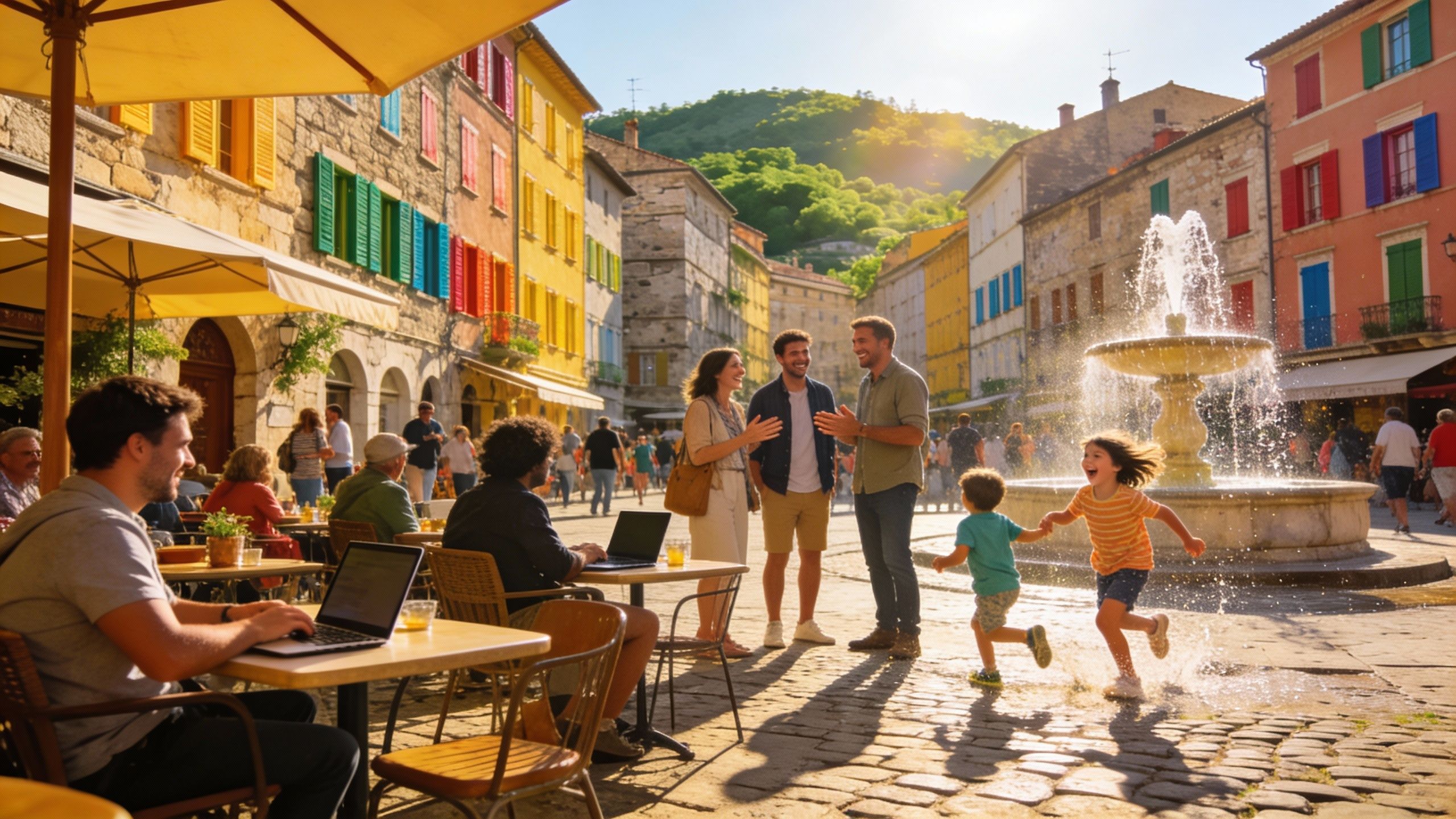
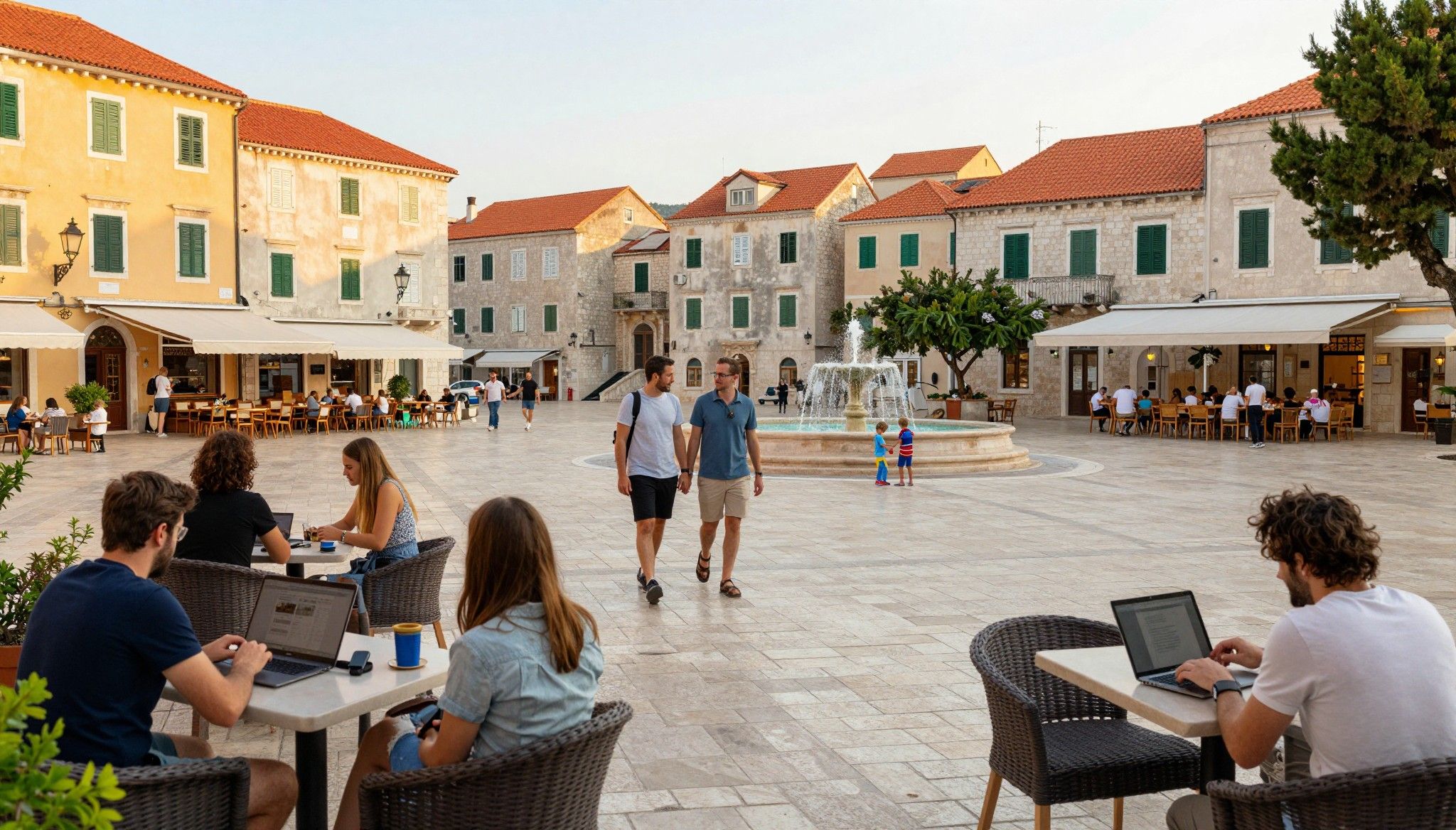
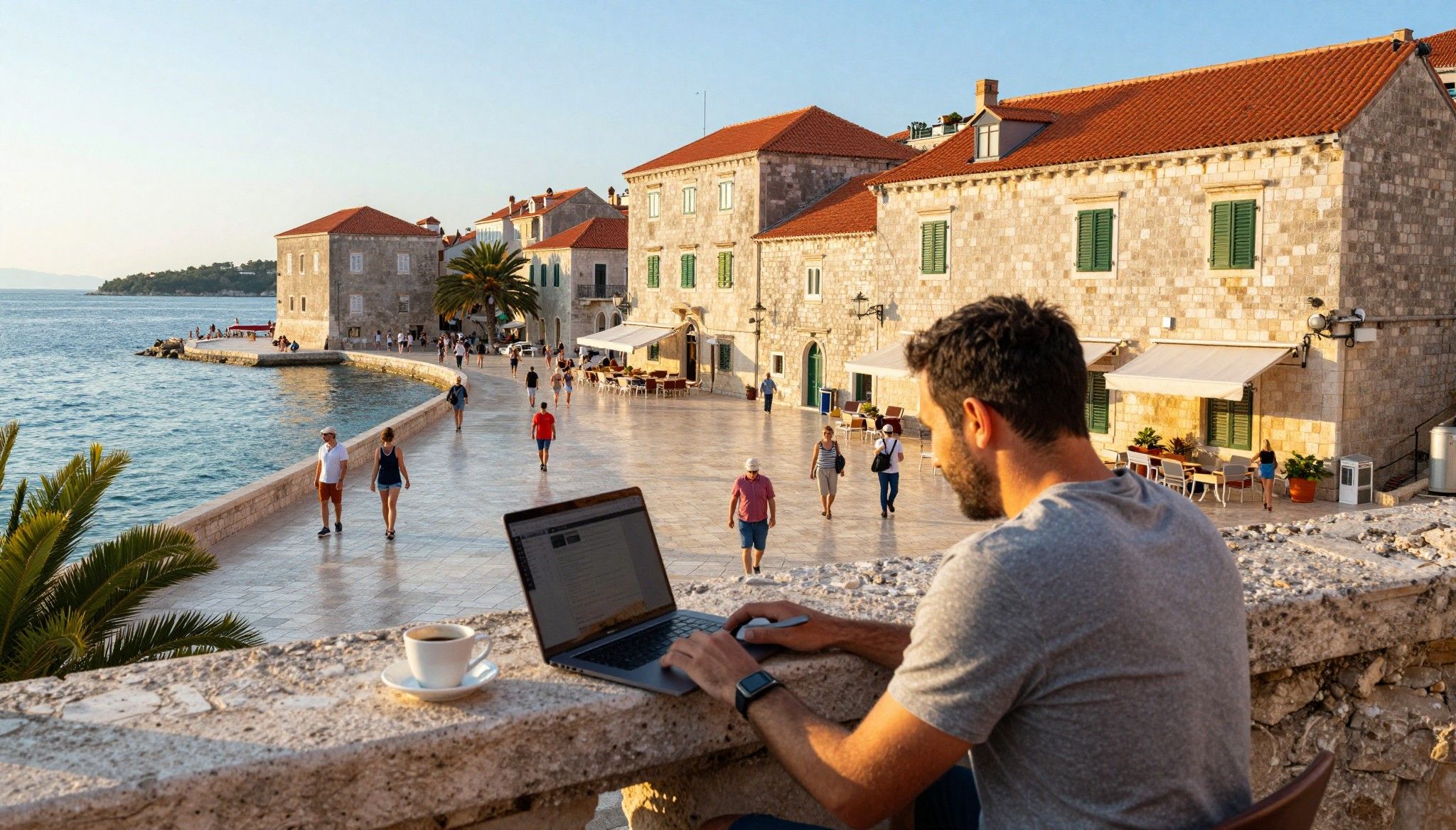
Imagine sipping espresso on a quiet piazza at 9am, then opening your laptop in a sunlit corner apartment while the city hums below. Italy lives in layers — centuries-old streets, afternoon mercado chatter, aperitivo spillovers and serene seaside escapes — and those layers shape where nomads actually want to live. In this piece I’ll flip a common script: the neighbourhoods most tourists avoid often hide the best everyday life and value for remote workers and international buyers. I'll pair sensory neighbourhood stories with up-to-date market signals so you can fall in love — and buy — with eyes wide open.
Living the Italian lifestyle — not the postcard
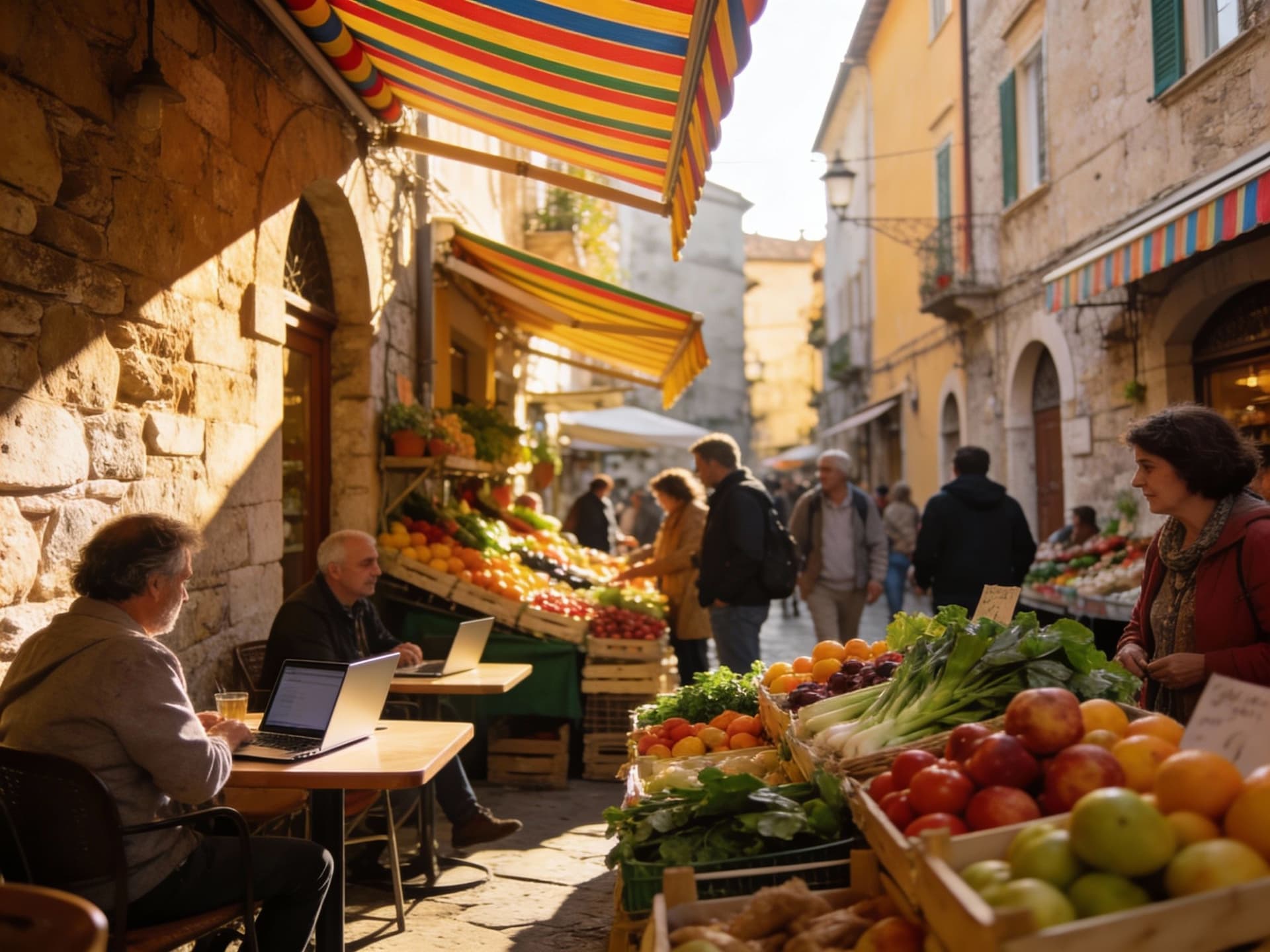
Italy isn’t one mood — it’s many. In Milan you feel the crisp pulse of design and finance, in Trastevere (Rome) evenings are cinematic, while towns like Lecce hum with slow-baroque afternoons. Yet national data show price moves are uneven: existing homes across Italy rose year-on-year in 2025 while new-build trends lagged in places, meaning opportunity pockets still exist if you look beyond headline cities. Those quieter, sometimes-stigmatized rioni often offer better broadband, coworking access and community — the practical ingredients nomads need for daily life, not just Instagram.
A rione that feels like a village — but is 10 minutes from the centro
Take Genoa’s old port quarters. Historically sidestepped by outsiders, parts of the waterfront and adjacent streets now pulse with small cafés, fishmongers, and surprisingly fast commutes to Milan by train for weekend trips. I recently walked down Via Pré and felt like I found a neighbourhood where locals shop at the market and remote teams cluster at a single café with reliable Wi‑Fi. Urban renewal projects have nudged investment here, but prices still lag Milan and Rome — meaning you trade some polish for authentic daily life and better value.
Food, rhythm and small rituals that shape how you’ll live
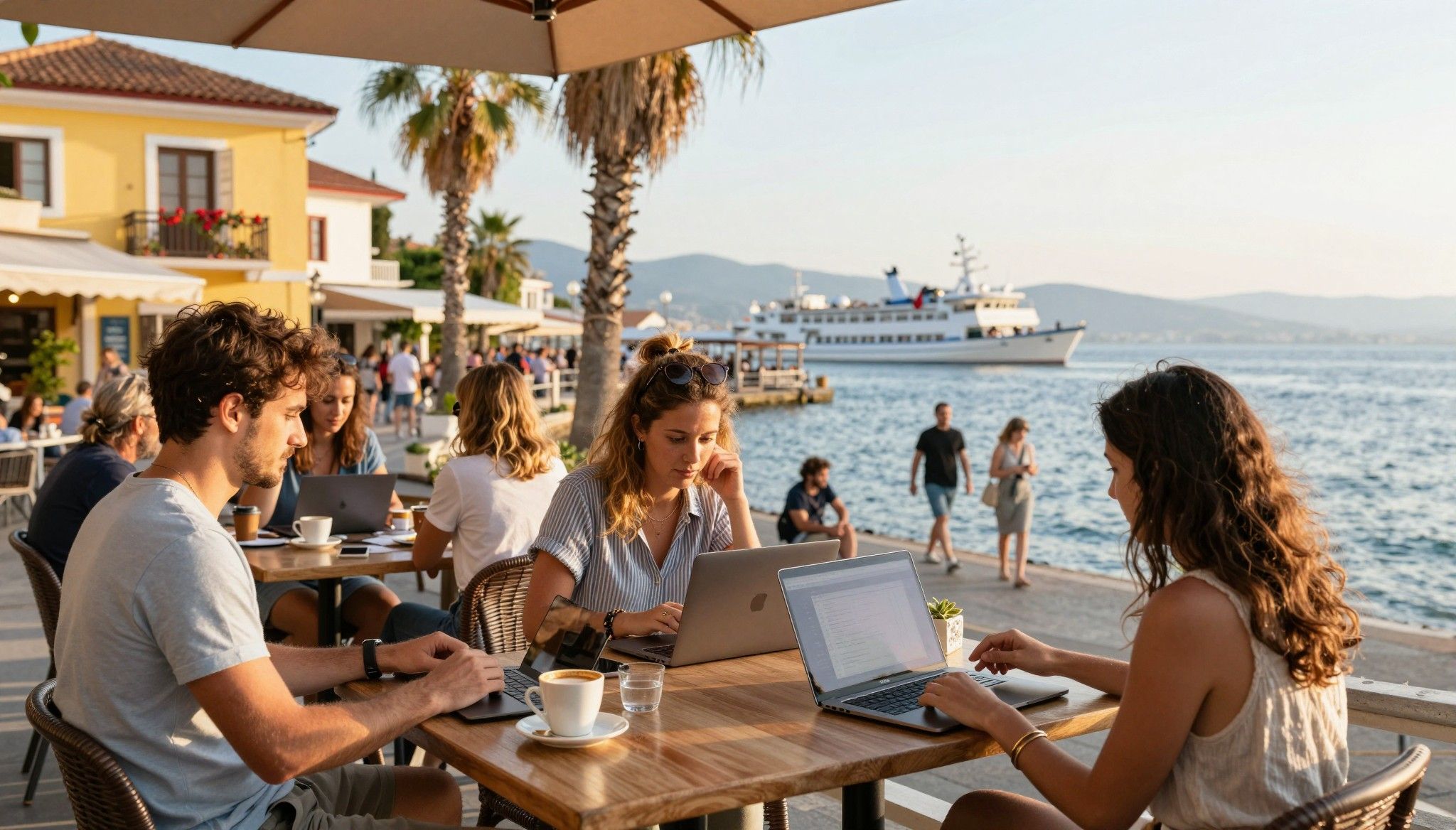
Mornings here are local: the baker knows your order, markets close mid‑afternoon, and evenings belong to piazza life. That rhythm affects how properties feel — terraces for late-night dinners, ground-floor kitchens for market haul, and rooms with desk space for focused work. Coworking growth in Italy is real (Milan leads but smaller cities are catching up), so neighbourhoods once dismissed as ‘boring’ frequently host hybrid work hubs within walking distance. That’s the lifestyle trade-off: fewer tourists, more authentic daily rituals and practical infrastructure for nomads.
- Lifestyle highlights to test when you visit a neighbourhood
- Find a morning espresso bar where baristas remember names and Wi‑Fi isn’t an afterthought.
- Walk a 10‑minute radius: do you hit a market, a park, and a coworking or library?
- Check evening noise: is there real community nightlife or tourist bustle?
Making the move: practical considerations that match the life

Dreams meet contracts. National indices show existing-dwelling prices rising in many areas while new builds slow, so hunting for restored apartments in local rioni can be both liveable and smart. But remember: old facades can hide wiring issues, so budget for inspections and upgrades if you want reliable internet and an ergonomic workspace. Work with agencies who specialise in the neighbourhood lifestyle you want — they’ll know where quiet streets meet practical transport links and which properties already have fibre or simple upgrade paths.
Property types that suit nomad life in Italy
Choose practical layouts: a separate bedroom + living room gives you a quiet office corner; terraces are gold for late afternoons; restored apartments in palazzi often have thick walls that keep noise out. Confirm broadband type: FTTH availability varies and national rollout delays mean some promising pockets still need upgrades. If a unit lacks fibre, factor in the time/cost to bring it in — sometimes a fixed wireless solution or a coworking membership fills the gap while you upgrade.
How local experts translate lifestyle into a good buy
A neighbourhood-savvy agent is your friend: they’ll point out which streets avoid seasonal tourism, which landlords accept short-term rentals for extra income, and where new coworking spaces are planned. Good agencies know the micro-details — the bakery that closes Monday, the pharmacy with English‑speaking staff, or the small gym frequented by other expats. Use them to align your lifestyle wish list (quiet mornings, evening social scene, fast commute to trains) with realistic pricing and local seller expectations.
- Steps to test a neighbourhood on a short trip
- Book a 5‑day stay and work from three different cafés to check Wi‑Fi, noise and power outlets.
- Walk routes at 8am, 2pm and 9pm to sample safety, sundown life, and grocery options.
- Ask a local agent to meet you at two properties and show comparable sales — watch how they talk about long-term livability, not just square metres.
Insider knowledge: what expats wish they'd known
Real expat wisdom is blunt: the ‘quieter’ rione can be friendlier, cheaper and more useful for a real life than a glossy centro apartment. Price averages vary wildly across regions — Milan and Florence stay expensive while large parts of the south remain affordable — so pick by lifestyle, not only by a city’s brand. Also, expect bureaucracy and slow public office queues; learning a few phrases and a patient rhythm will save time and stress. The payoff is huge: a neighbourhood that feels like home — morning vendors, friendly neighbors, and rooftop dinners — changes everything.
Language, community and daily rituals
You don’t need fluency to belong, but learning basic Italian unlocks deeper friendships and better service. Join local groups — cooking classes, language exchanges, or co-living meetups — to find regular faces and practical tips. Many neighbourhoods host monthly sagre (food festivals) that double as community mixers; show up early, chat with stallholders, and they'll point you toward local rental contacts and trusted builders.
How life changes after you buy
Six months after a move you’ll notice small shifts: your grocery list adapts to market finds, your workday may migrate to a favourite café on rainy days, and your network will widen via neighbours and local professionals. From a practical angle, rising demand for existing homes suggests holding periods of 3–5 years often smooth transaction costs and tax advantages, but always confirm details with a local tax/real‑estate professional. Treat purchases as lifestyle investments first — they should support your daily routines, not just future resale value.
- Red flags to watch in seemingly 'cheap' neighbourhoods
- Persistent water damage smells or mould — common in older buildings and costly to fix.
- Unclear ownership or long-standing co-op debts in condo statutes — ask for a certified amministratore report.
- No proof of recent broadband installation where you need it — confirm ISPs will service the address.
If the neighbourhood checks out, your next practical steps are simple but decisive: book a local surveyor, verify building debts and minutes from condominium meetings, and confirm fibre options. Agencies that live in the neighbourhood will handle much of the legwork — from trusted electricians to notaries who speak English — and they’re worth their fee when they align lifestyle promises with legal certainty. In short: buy where you want to live, but do the small technical homework first.
Conclusion — where to start if this sounds like you
If you’re craving authentic daily life, skip the tourist blocks on your first trip and linger instead in the quieter rioni or small regional towns. Test cafés, try evening walks, and meet a local agent who knows the neighbourhood’s rhythm. Italy rewards the patient buyer: you’ll find places where locals live well, neighbours remember your name, and your remote work setup actually thrives. When you’re ready, talk to a local MoveSettleGo‑recommended agency that values lifestyle fit as much as price — that’s how the dream becomes an everyday life.
Norwegian who has helped 200+ families relocate from Oslo to Spain; expert in relocation services and community integration.