Where Italian Neighbourhood Life Meets Smart Buying
Fall for Italy’s everyday rituals — then match them to market reality: regional price gaps, fibre checks, and seasonal demand shape where nomads should buy now.
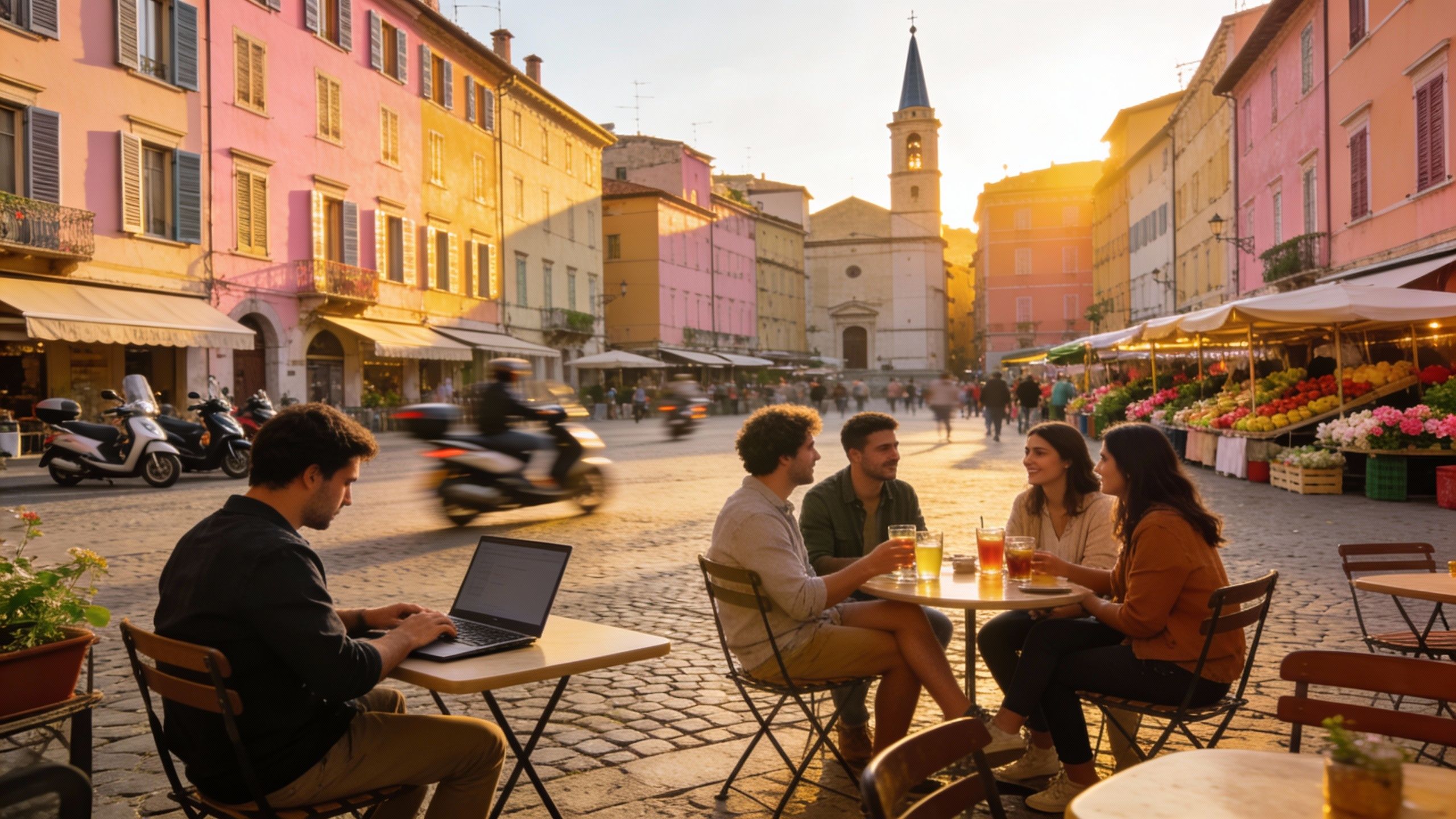
Imagine stepping out at dawn to buy warm focaccia on Via Garibaldi, then opening your laptop on a sunlit balcony with a view of terracotta roofs — welcome to Italy, where everyday life feels curated by centuries of taste. For remote-workers and nomads, Italy isn’t just scenic: it’s a set of neighbourhood rhythms, market rituals, and cafe corners that shape how you live, work, and make friends. This piece pairs that dreamy surface — gelato, piazzas, coastal mornings — with the practical realities international buyers actually face now.
Living the Italy lifestyle
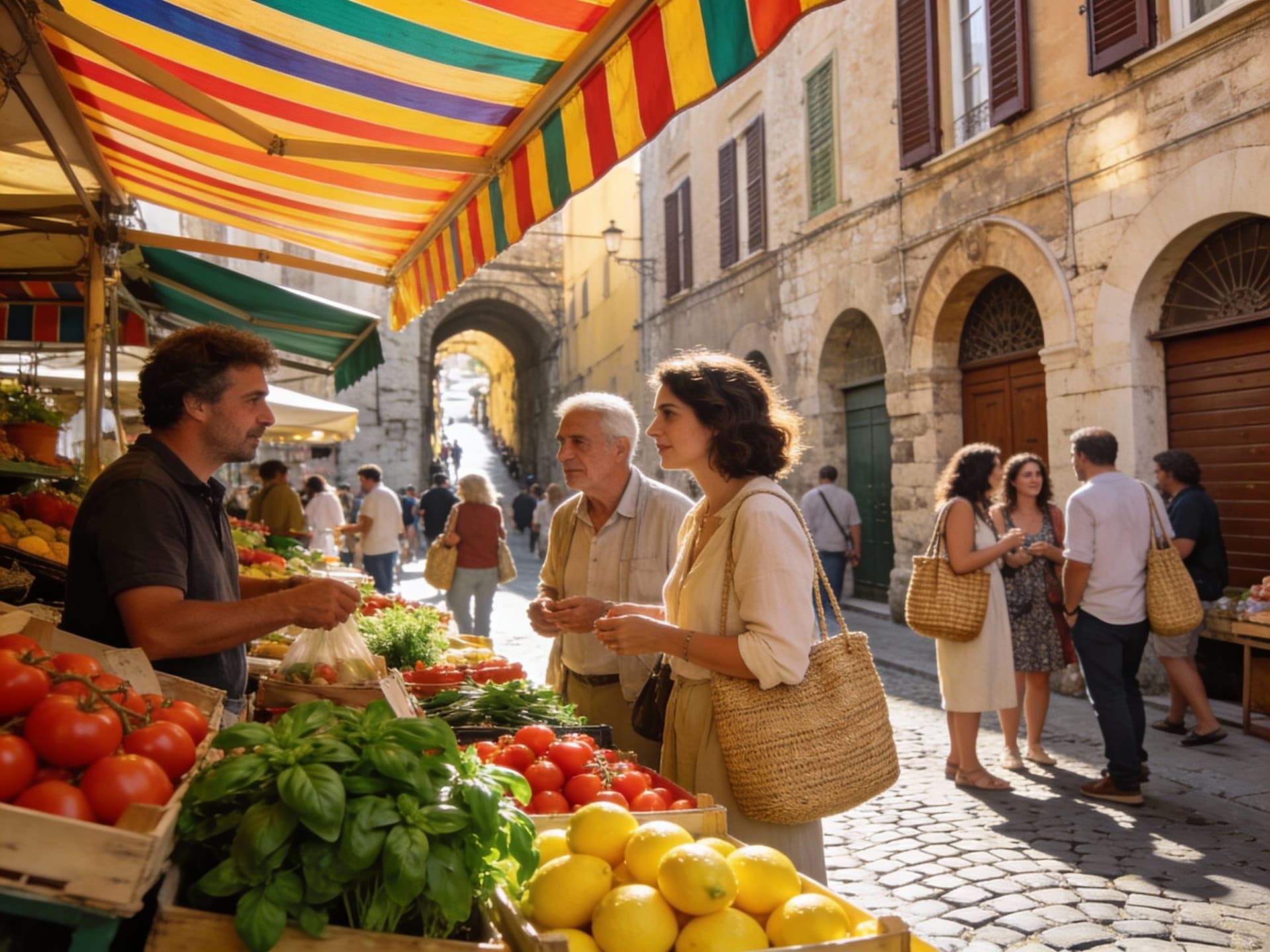
Italy’s daily rhythm blends slow, social mornings and lively evenings. In neighbourhoods from Rome’s Trastevere to Milan’s Navigli, espresso bars double as micro-offices and piazzas host evening aperitivo crowds. The result? You can build an urban life that supports remote work (fast cafés, coworking hubs) while slipping into deeply local routines — weekly markets, neighbourhood festas, and coastal weekend rituals. Recent reporting shows city interest is shifting as Rome sees renewed investment while Milan cools a touch, creating fresh opportunities in historically authentic pockets.
Spotlight: Trastevere, Rome — lived-in history
Picture cobbled alleys, trattorie that remember regulars, and morning markets on Piazza Santa Maria. Trastevere is social, walkable, and full of small apartments with classic beams and tiny terraces. For nomads, the tradeoff is that charm comes with narrower streets (deliveries, scooters) and patchy parking — but excellent cafe broadband and a tight community make it addictive. If you crave village-feel inside a capital city, this is it. For quieter coastal alternatives, regions like Puglia are attracting buyers who want space and slower seasons.
Food, markets and the social calendar
Food isn’t a hobby in Italy — it’s how neighbourhoods meet. From Palermo’s Ballarò market to Florence’s Mercato Centrale, weekend shopping anchors community life. Seasonal rituals — chestnut festivals, olive harvests, summer sagre — shape when neighbourhoods hum and when they sleep. If you love meeting locals over produce stalls and small bars, picking areas with regular markets is a lifestyle multiplier; for rental income, festival seasons often spike short-term demand.
- Marketable lifestyle highlights: • Piazza coffee rituals: Trastevere (Rome), Campo de' Fiori (Rome), Piazza Santo Spirito (Florence) • Coastal morning routines: Lungomare di Bari, Amalfi’s Path of the Gods access • Markets: Mercato Centrale (Florence), Ballarò (Palermo), Porta Palazzo (Turin) • Nightlife/aperitivo scenes: Navigli (Milan), San Lorenzo (Rome) • Weekend agriturismo escapes: Val d’Orcia (Tuscany), Salento (Puglia)
Making the move: practical considerations
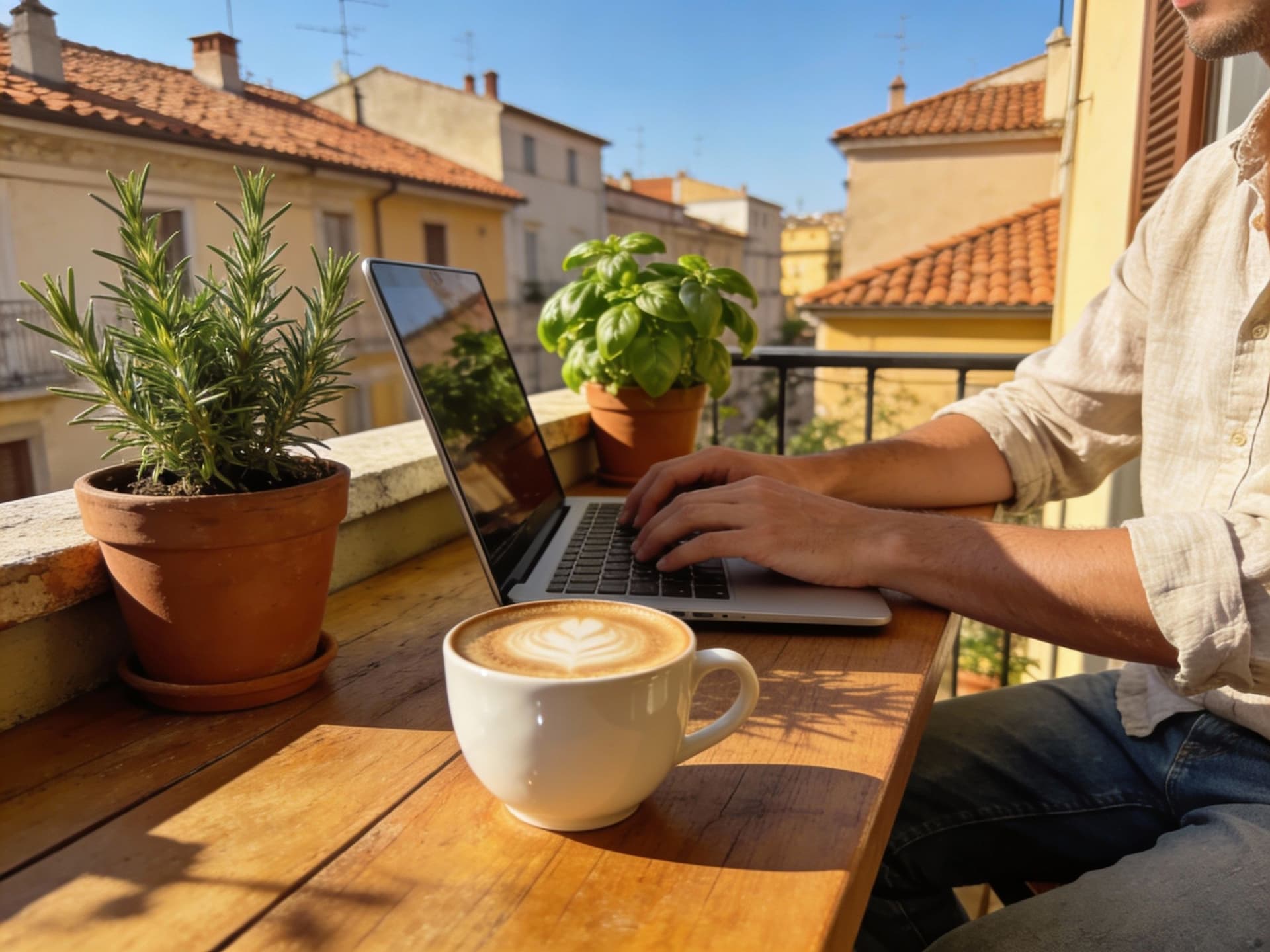
Dreams meet paperwork here. Prices are rising modestly and demand from abroad is growing, but regional differences are huge — Milan and Rome behave differently from Sicily or Puglia. Energy-efficiency incentives and tax tweaks are changing renovation math, so what looks like a bargain may carry renovation upside (or constraints for historic properties). Understanding local market rules and seasonal demand is essential before you fall in love with a facade.
Property styles — which fits your nomad life?
A central apartment with thick stone walls and a tiny balcony is perfect for culture-first nomads who want walkability and cafe life. A renovated farmhouse in Tuscany or Puglia suits those who prize outdoor space and slower rhythms but need reliable internet upgrades. New builds in Milan or Bologna serve digital workers who prioritize plug-and-play live/work spaces and coworking proximity. Each property type requires different checks — from fibre availability to permitted renovations in heritage zones.
Why local experts change the outcome
Agencies with deep neighbourhood knowledge save you time and avoid emotional mistakes. They spot red flags — disputed renovations, zoning limits, or unreliable rental demand — and connect you to vetted notaries and renovators. For nomads, ask agencies about fibre lines, coworking partnerships, and community meetups. The right agent frames listings in lifestyle terms: commute time to the nearest coworking space, morning cafe with reliable Wi‑Fi, and seasonal population swings.
- Steps to match lifestyle with a purchase: 1. List weekly routines (market day, gym, coworking) and rank proximity needs. 2. Shortlist neighbourhoods and spend one to two weeks living like a local. 3. Ask agents for real internet speed tests, neighbour references, and recent renovation permits. 4. Compare rental seasonality if you plan to rent (festival months vs off-season). 5. Budget for 10–20% renovation surprises in historic homes.
Insider knowledge: expat truths & seasonal surprises
Expats often underestimate two things: seasonality and bureaucracy. Places that feel empty in winter can be blissfully affordable; coastal towns fill in summer. Renovation permits and historic-preservation rules can slow projects for months. Also — the myth that Italy is uniformly expensive is false: prices vary widely from Milan’s premium rates to very affordable Sicilian towns. Recent data shows foreign buyer interest is expanding beyond luxury markets into mid-market and southern towns, reshaping where value hides.
Cultural integration: small rituals that matter
Learn basic Italian greetings and festival etiquette; it unlocks the best neighbors and invitations. Join weekly markets, volunteer at a local festa, or sign up for a language class run by a cooperative — these are the fastest paths to feeling at home. Many nomads find that once they invest time in small rituals, they get neighbourhood goodwill that makes renovations, deliveries, and landlord relationships smoother.
Long-term lifestyle realities
Expect your life to slow and deepen. Weekends turn into food pilgrimages and tiled-terrace dinners. But plan for connectivity: arrange fibre or 5G uplinks if you can’t tolerate downtime. Consider property management if you’ll travel frequently — good caretakers keep Airbnbs profitable and paperwork current. Over time, many nomads trade central apartments for village houses that offer community and space.
- Expat red flags to watch for: • No documented permissions for renovations in heritage buildings • Vague claims about fibre availability — ask for speed test screenshots • Overly touristy streets that empty outside season • Sellers who resist using a notary or insist on cash-only deals • Neighborhoods with heavy scooter congestion and limited parking
Next steps: imagine, then verify. Spend a week living in your favourite neighbourhood, work from local cafes and coworking spaces, and test commute times during rush hour. Ask agencies for neighbourhood dossiers (school options, medical access, internet providers) and request recent transaction comparables. With the right local partner, you’ll translate that morning balcony espresso into a sustainable, long-term life.
Swedish, relocated to Marbella in 2018 to chase sun and property freedom. Focus on legal navigation and tax for Nordic buyers.