Italy Neighbourhoods: Lifestyle Picks, Seasonal Pitfalls
Fall for Italy’s daily rhythms — then buy smart. Regional price gaps, seasonal rents, and fibre checks separate romance from regret; use local agents for real neighbourhood intel.
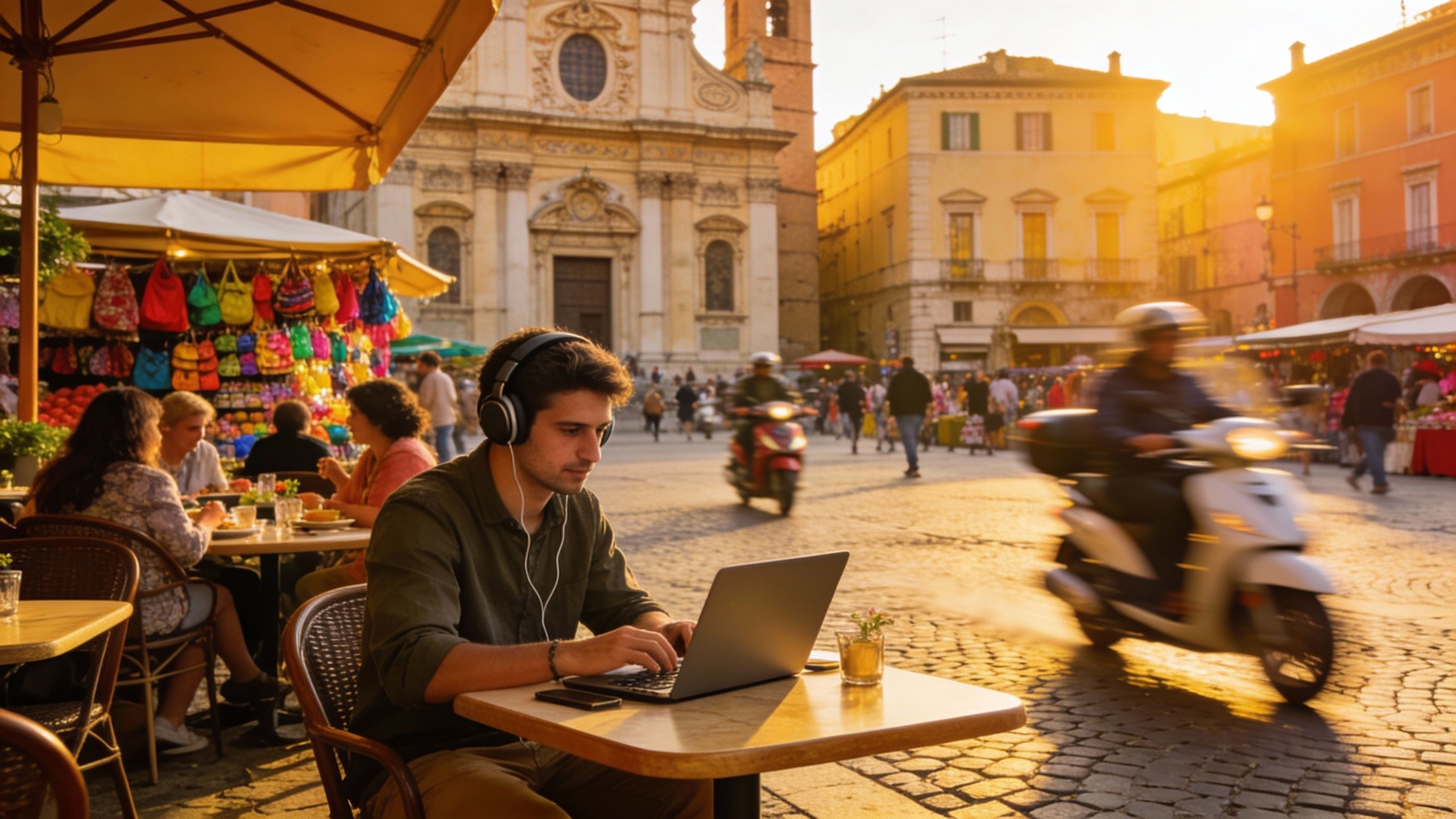
Imagine sipping espresso outside a sun-warmed caffè in Trastevere, then cycling home past fruit stalls and ancient stone. That easy, layered rhythm — food first, errands on foot, work between a terrace and a coworking table — is Italy’s daily magic for nomads. But the same streets that feel timeless also hide shifting price pockets and seasonal quirks that change where you should buy. This piece stitches the romance and real numbers together so you can picture life here and plan a smarter move.
Living the Italy lifestyle: rhythm, neighborhoods, seasons
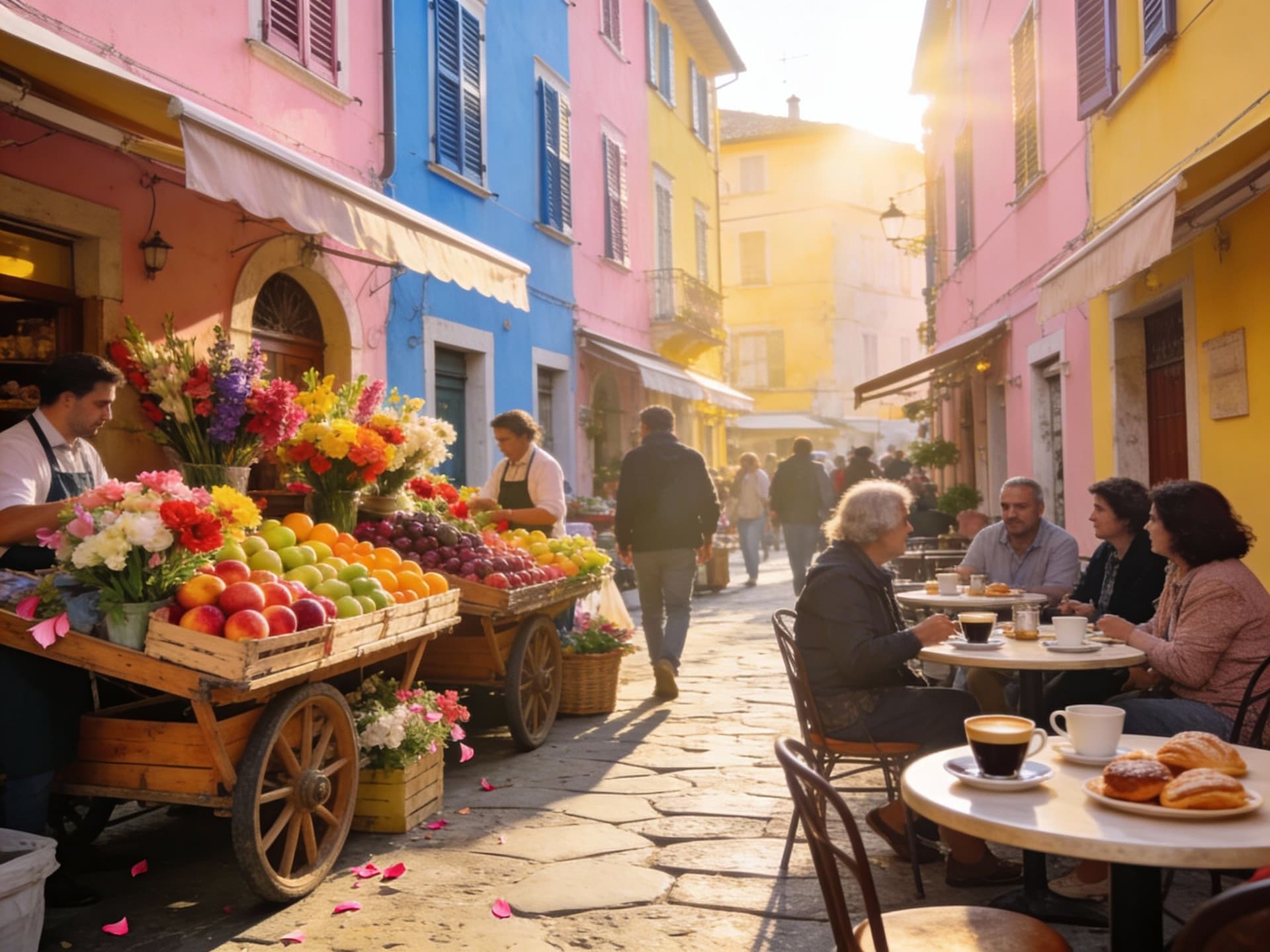
Italy is not one city. It’s piazzas at dawn in Florence, scooter traffic in Milan’s Navigli, sleepy fishing nets in Liguria, and farmhouse quiet in Umbria. Mornings smell of fresh bread and espresso; evenings are for aperitivo and lingering conversation. Seasons matter: summers bring coastal bustle and higher short-term rents; winters reveal quieter towns and negotiation room for buyers. For a nomad, that means choosing a base by lifestyle first — then checking the numbers.
City pocket: Rome’s Trastevere vs. EUR
Trastevere gives you cobbled alleys, sidewalk cafés, and late-night social life — perfect if your workday can flex around lively evenings. EUR offers modern buildings, faster commutes, and more predictable broadband in office-style blocks. If coworking and stable upload speeds matter, EUR or Parioli-style neighborhoods often outperform the romantic centre in practical day-to-day productivity. Choose by how you want to live and work, not just postcard beauty.
Coast & countryside: Amalfi for weekends, Puglia for slow life
Weekends on the Amalfi Coast are cinematic — lemon trees, cliffside cafes, and yacht silhouettes — but prices and tourism seasonality spike returns and costs. Puglia and inland Umbria deliver farm-to-table life, larger gardens, and often a lower entry price per square metre. For nomads who split weeks between work and exploration, a smaller pied-à-terre in a lively town plus a countryside retreat can be the sweet spot.
- Lifestyle highlights to scout (actual places): • Morning espresso at Caffè Grecco (Rome) and work from coworking Impact Hub Trastevere. • Sunset strolls along Venice’s Dorsoduro canal and late seafood dinners in Calle Lunga. • Weekend hikes and farmers’ markets in Montepulciano (Tuscany). • Fresh focaccia breakfasts in Bari’s old town and Puglia beaches for remote afternoons.
Making the move: property types, teams, and timing

Dreaming is fun. Paperwork is not — but it’s simpler when you think in scenarios. Italy’s house price index rose year-on-year through 2025 in many regions, yet growth is uneven between cities and the countryside. That means timing a purchase by season and region can materially change what you pay. If you want summer beach life, expect competition; if you prefer winter quiet, you can often negotiate more aggressively.
Property styles and how they fit remote work
Historic centro apartments are dreamy but often come with thin walls and tricky wiring; confirm fibre availability before falling in love. New builds and converted warehouses in Milan or Turin typically offer dedicated work nooks, better insulation, and reliable elevators. Rural stone houses give outdoor space and calm, but plan for backup power, heating upgrades, and a local SIM for remote work reliability. Match property type to your work routine — fast upload > glazed balcony views.
Working with local experts who know the vibe
- How local agencies add nomad value: • Fibre & permit checks: They test actual internet lines and recent permit histories. • Community fit: Agencies suggest streets with meetup culture or quieter corners for family life. • Seasonal pricing intel: Local agents know when landlords offer winter discounts. • Renovation partners: Trusted builders who speak English and handle Superbonus paperwork if relevant.
Insider knowledge: expat truths and red flags
Expat life in Italy is as social as it is scenic. Expect to build friendships at language classes, markets, and coworking events. But watch for three common surprises: seasonal rent swings around festivals, older buildings with costly maintenance needs, and patchy broadband in beautiful historic pockets. Knowing these ahead keeps the romance alive without surprise bills.
Cultural and practical cues that change where you buy
Locals value small, personal relationships — your neighbourhood agent, barista, and postman matter. Bureaucracy can be slow; expect extra time for permits and cadastral updates. After recent reforms and higher scrutiny in some cities, due diligence is non-negotiable: ask for previous permit records and check stalled-project histories. These steps save time and money and prevent getting tangled in political or legal backlog.
- Practical checklist before you sign (step-by-step): 1. Confirm fibre availability and a test upload speed at the flat during business hours. 2. Request recent energy bills and the building’s maintenance ledger to spot hidden costs. 3. Ask your agent for a summary of local seasonal rental demand if considering income. 4. Commission a quick structural survey and a cadastral/title check through a notaio-recommended servicer. 5. Negotiate a clause for small works so you can upgrade a workspace without contractor headaches.
The numbers back a balanced approach. National indices show modest price rises with strong city-by-city variation, while investment flows favor Milan and Rome but increasingly push into secondary cities. That means you can still find lifestyle value by looking at lesser-known neighbourhoods where locals actually buy — and where a savvy offer goes further.
Picture yourself here: morning work sprint at a sunlit kitchen table, a mid-day stroll to a market for fresh mozzarella, and evening coworking drinks with other nomads. That’s the Italy we help you aim for — not just a photo but a lived rhythm. Next steps: shortlist two neighbourhoods that match your work rhythm, book a 10-day live-first trip across them, and call an agent who’ll test fibre and pull permit histories before you make an offer.
British expat who moved from Manchester to Mallorca in 2017. Specializes in market analysis and helping fellow Brit navigate local regulations.