Italy’s 'Expensive' Myth: Where Neighbourhood Value Hides
Italy’s ‘too expensive’ label hides neighbourhood bargains — scout piazza life, fiber, and coworking density to find real value backed by ISTAT and Nomisma data.
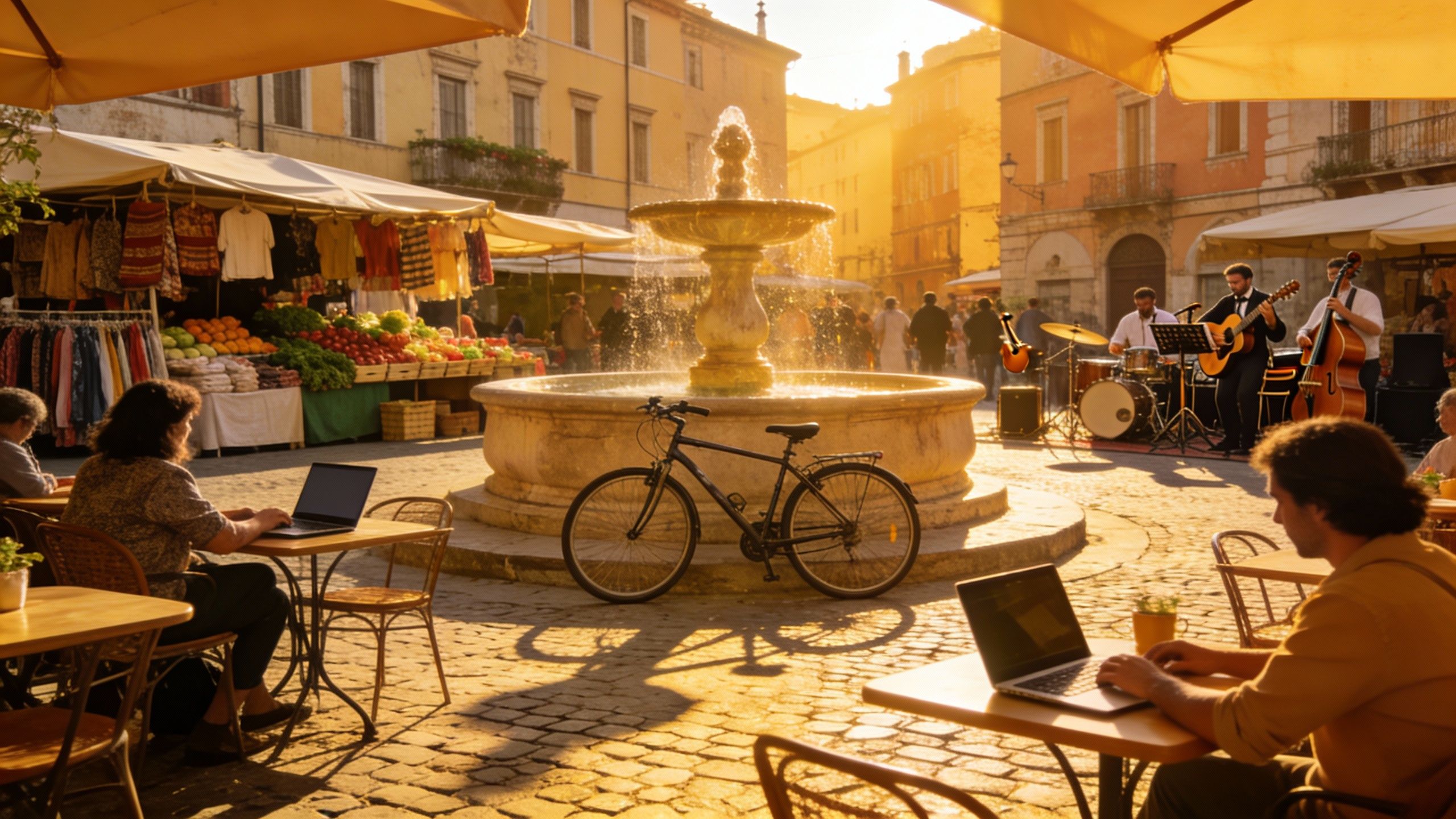
Imagine ordering a late-afternoon espresso on a sunlit piazza in Trastevere, then walking three minutes to a coworking with fast coffee and an even faster fiber connection. That easy rhythm — market, cafe, work — is Italy for the modern nomad: vivid everyday life, neighbourhood character, and a property market that's more nuanced than the "too expensive" headlines. We’ll show where value hides, which streets locals quietly love, and how the lifestyle you crave maps onto real buying choices.
Living the Italy lifestyle: mornings in markets, evenings in piazze
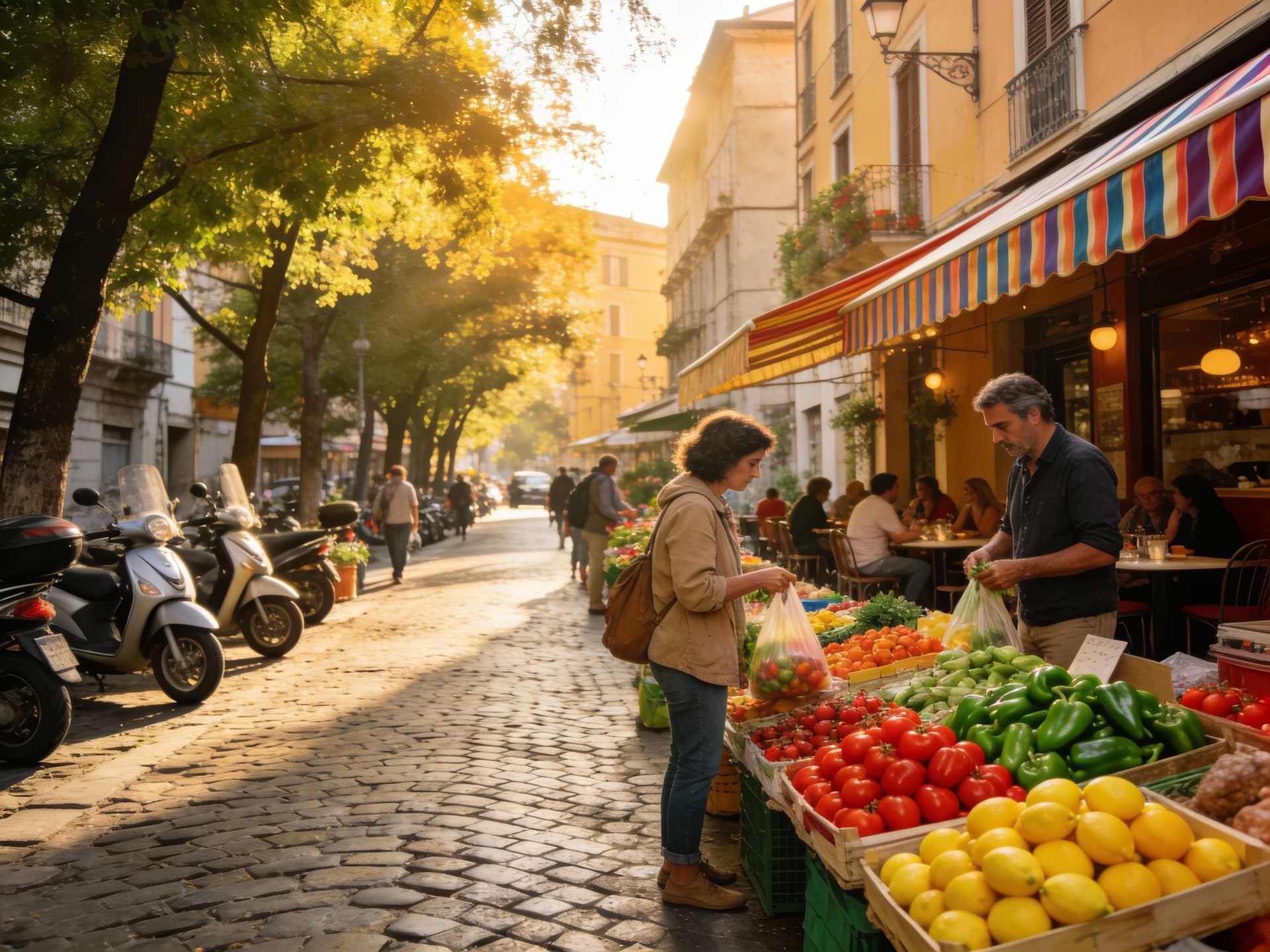
Italy is sensory. Mornings smell of fresh bread from a corner forno and espresso steams against cobbled streets. Afternoons drift into aperitivo hour, where a spritz and small plates anchor social life. For buyers, that means neighborhoods matter more than square metres: you buy rhythm and community as much as walls and floors. Picture walking to the mercato, grabbing a fennel-laced salad in summer, then cycling home through plane trees — that's what your daily life will feel like here.
Rome: Trastevere, Testaccio and the slow-centre vibe
Trastevere and Testaccio are classic examples of neighbourhoods that feel lived-in. Narrow alleys, family-run osterie, and weekend markets create a social web that turns neighbours into friends. For nomads, the area offers walkability, evening energy, and short commutes to central coworking hubs in Rome. Expect older stone flats with high ceilings — romantic but sometimes in need of fiber upgrades and modern plumbing.
Milan: Navigli and Porta Romana — coffee culture meets startups
Milan feels efficient and buzzy: design shops, late-night aperitivi by the Navigli, and a heavy coworking presence. Areas like Porta Romana combine quieter residential streets with hip bars and short tram rides to central business districts. Milan’s market has shown modest growth and strong rental demand — great if you’re balancing remote work with short-term rentals or co-living experiments.
- Lifestyle highlights to scout in neighbourhoods
- Daily morning markets (e.g., Campo de' Fiori, Mercato Centrale) — lively community anchors that indicate neighbourhood health.
- Evening aperitivo strips (Navigli, Trastevere, Santa Croce) — great for social life and local networks.
- Proximity to coworking (Milan, Rome, Bologna have clustered spaces) — check Businesscoot’s map for density.
Making the move: lifestyle-first, market-smart
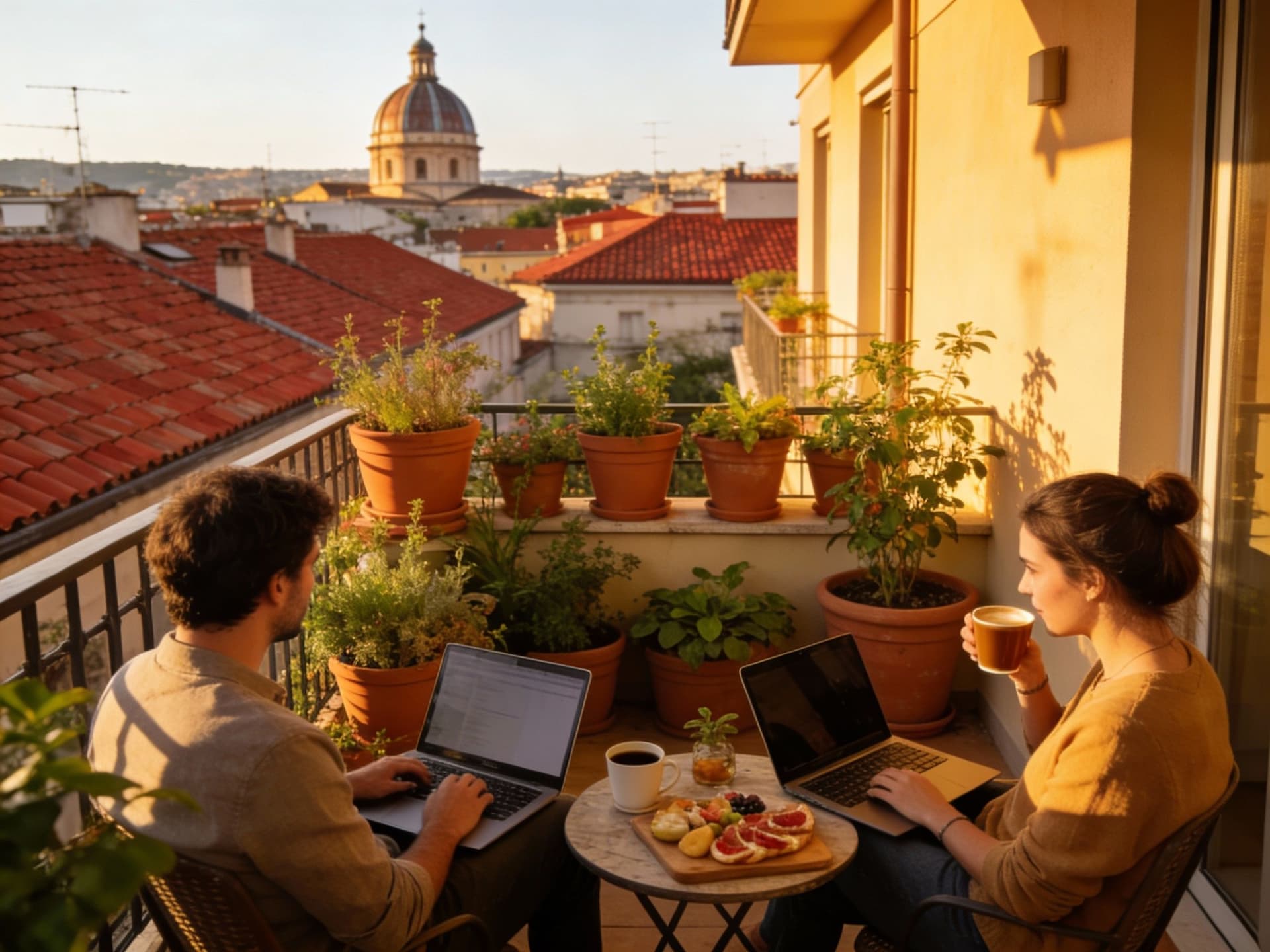
Dreams meet paperwork here. Italy’s national price indices rose year-on-year in recent quarters, but the story varies sharply by region and by new vs existing stock. ISTAT shows modest national growth in 2025 with stronger rises in existing-dwelling prices, which means renovated historic flats in the right streets can outperform bland new builds. That’s why lifestyle scouting must pair with market data: where locals actually buy, price momentum follows.
Property styles and how they shape daily life
Stone palazzi in city centres offer character: tall windows, frescoed ceilings, and balconies that open onto piazze. They can be noisy and lack modern insulation, though, which affects heating costs and summer comfort. Newer builds on city edges or in seaside towns give outdoor space, parking and modern systems — but often trade off immediacy to the social life of a piazza. Match the property type to how you want to live: rooftop aperitivi vs five-minute espresso runs.
Working with local experts who get nomad life
Local agencies and estate agents translate neighbourhood rhythm into property potential. Pick agents who talk fiber speeds, municipal renovation incentives (sisma bonus, ecobonus), and short-term rental rules as readily as they talk square metres. Ask for references from other nomads and check whether an agency coordinates with local property managers who can handle rentals, cleaning and guest check-ins while you’re remote.
- Steps to marry lifestyle with market sense
- Scout neighbourhood life: spend mornings at a market, an afternoon at a coworking, and evenings on a piazza to test the rhythm.
- Compare prices street-by-street: use local portals and ISTAT data to see if charming streets are actually priced above similar nearby areas.
- Confirm connectivity: ask for measured fiber or 4G/5G test results; coworking maps show real-world daily internet reliability.
Insider knowledge: what expats wish they'd known
Expats often arrive chasing postcard images and learn quickly that the small details change everything. Garbage collection schedules, market days, and a building’s lift (or lack of one) shape daily convenience. Locals choose neighbourhoods based on schools, small social clubs, and the nearest alimentari. Those micro-decisions are what make a place feel like home — and what good agents will surface for you.
Cultural integration: how to make neighbours, not just clients
Learn the local rhythms: say buongiorno in the morning, respect quiet hours (often after 2–4pm and late at night), and shop small when you can. Language helps — even basic Italian opens doors to friends, recipes, and invitations. Join local meetups, volunteer at a mercato stall, or sign up for a ceramics class: these are the real ways to become part of the community rather than just a remote resident.
Long-term lifestyle and market signals to watch
Watch population trends, new infrastructure projects, and renovation incentives that can shift a neighbourhood’s trajectory. ISTAT’s quarterly indices and local municipality plans signal where demand will grow. If a town is widening fiber coverage or renovating old waterfronts, expect lifestyle improvements and price adjustments in the following 12–36 months.
- Red flags to watch for when a place seems "too good to be true"
- Empty streets after 6pm — may mean tourism-only economy, not stable community.
- No local grocery or market within walking distance — daily life friction you’ll notice fast.
- Limited or unreliable internet — fatal for remote work unless you plan upgrades.
Conclusion: fall in love deliberately, buy with eyes open. Italy hands you extraordinary daily life — piazze, markets, and a culture that celebrates lingering. But the smartest nomads pair romantic scouting with data: ISTAT’s price indices, Nomisma forecasts and coworking density maps reveal where lifestyle and value align. Talk to local agents who understand both the market and the life you want; book long weekend scouting trips; and test the internet before you sign. Then sip that espresso and settle in.
Swedish, relocated to Marbella in 2018 to chase sun and property freedom. Focus on legal navigation and tax for Nordic buyers.