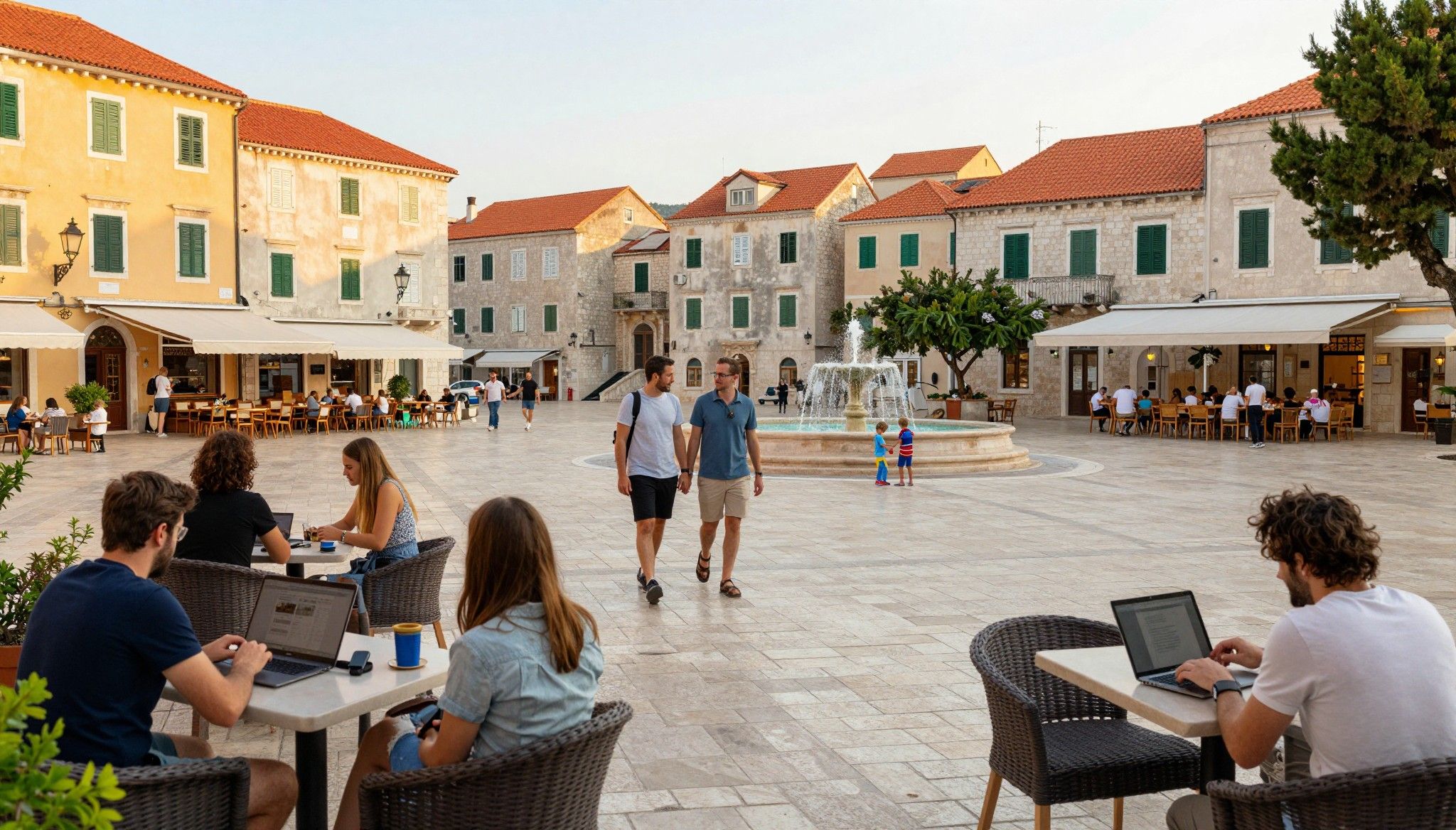
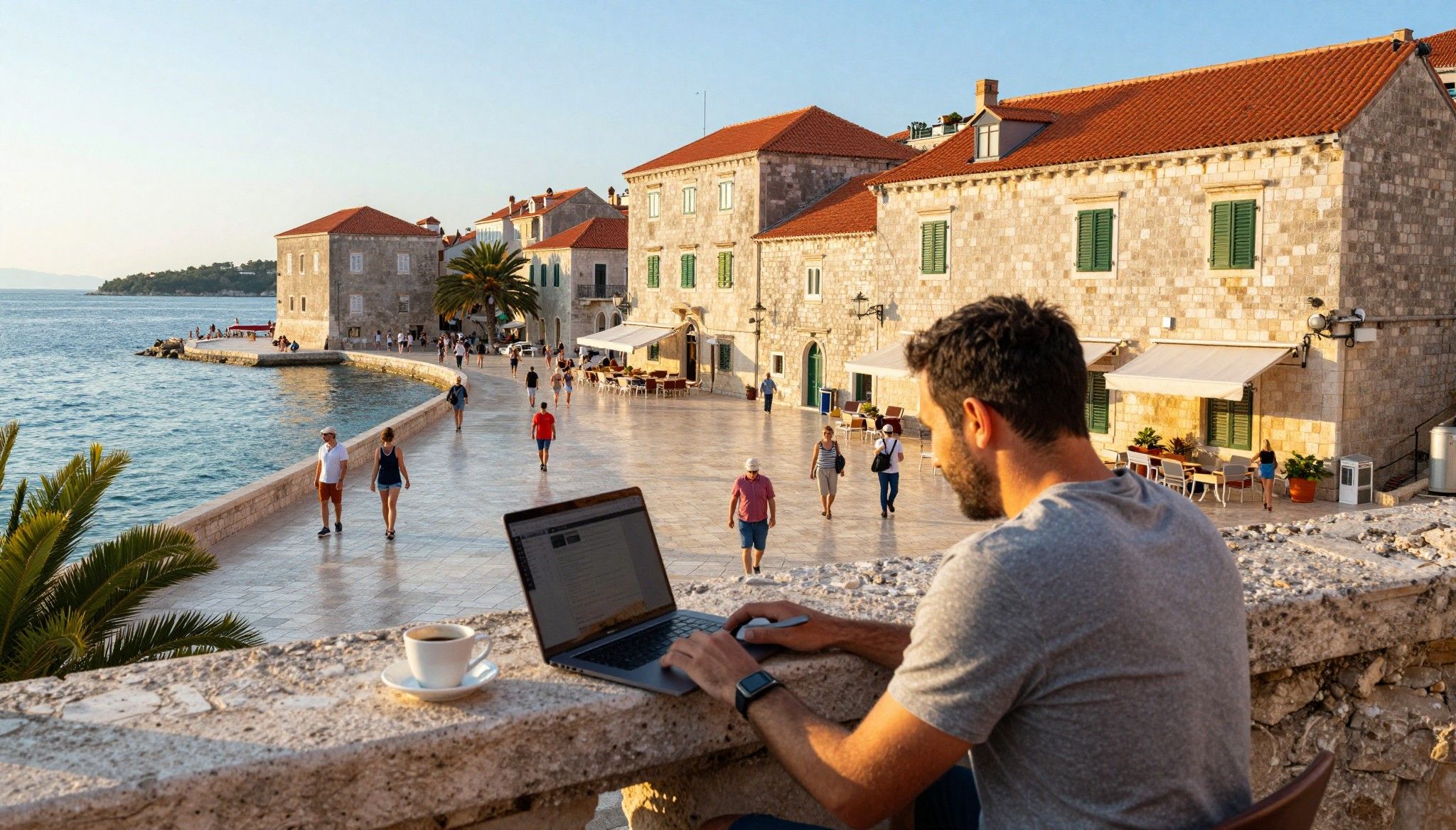
Italy’s Overlooked Neighbourhoods That Outsmart Price Tags
Discover overlooked Italian neighbourhoods where everyday life beats tourist hype—practical tips, market data and local tricks to match lifestyle to property.
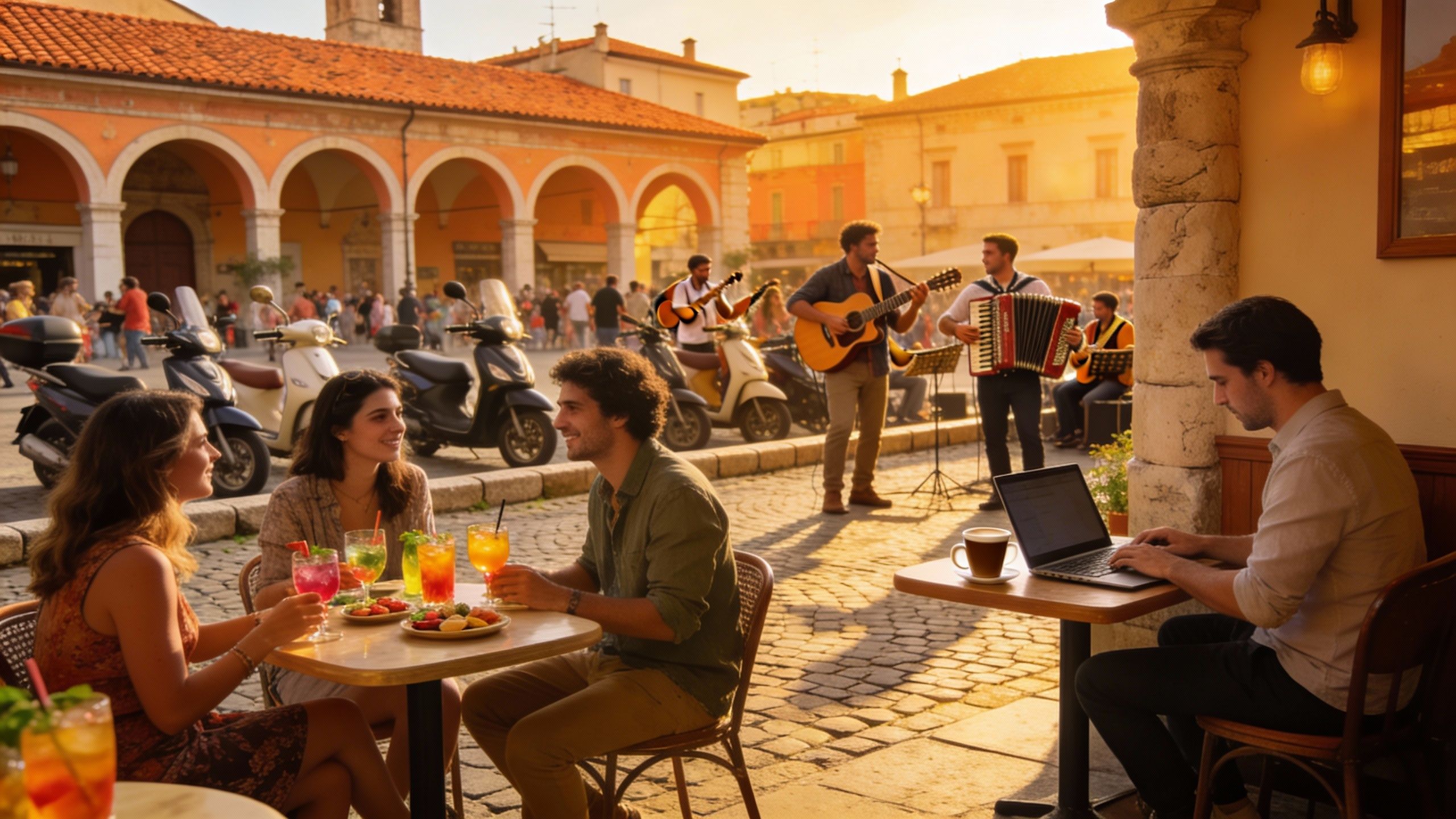
Imagine stepping out of a narrow cobbled street in Bologna, a cappuccino in hand, and finding a sunny apartment with a balcony overlooking wisteria and scooters. Italy still moves like that—sensory, slow-ish, deliciously alive—but the prices and neighbourhood reputations you read about don’t tell the whole story. In this piece I want to flip common assumptions: 'expensive' towns hide affordable pockets; avoided districts often have the best daily life; and the season you visit for the first time can skew everything. Read on if you want neighbourhood feels that match how you want to live—plus the practical moves to make them yours.
Living the Italy lifestyle: more than monuments
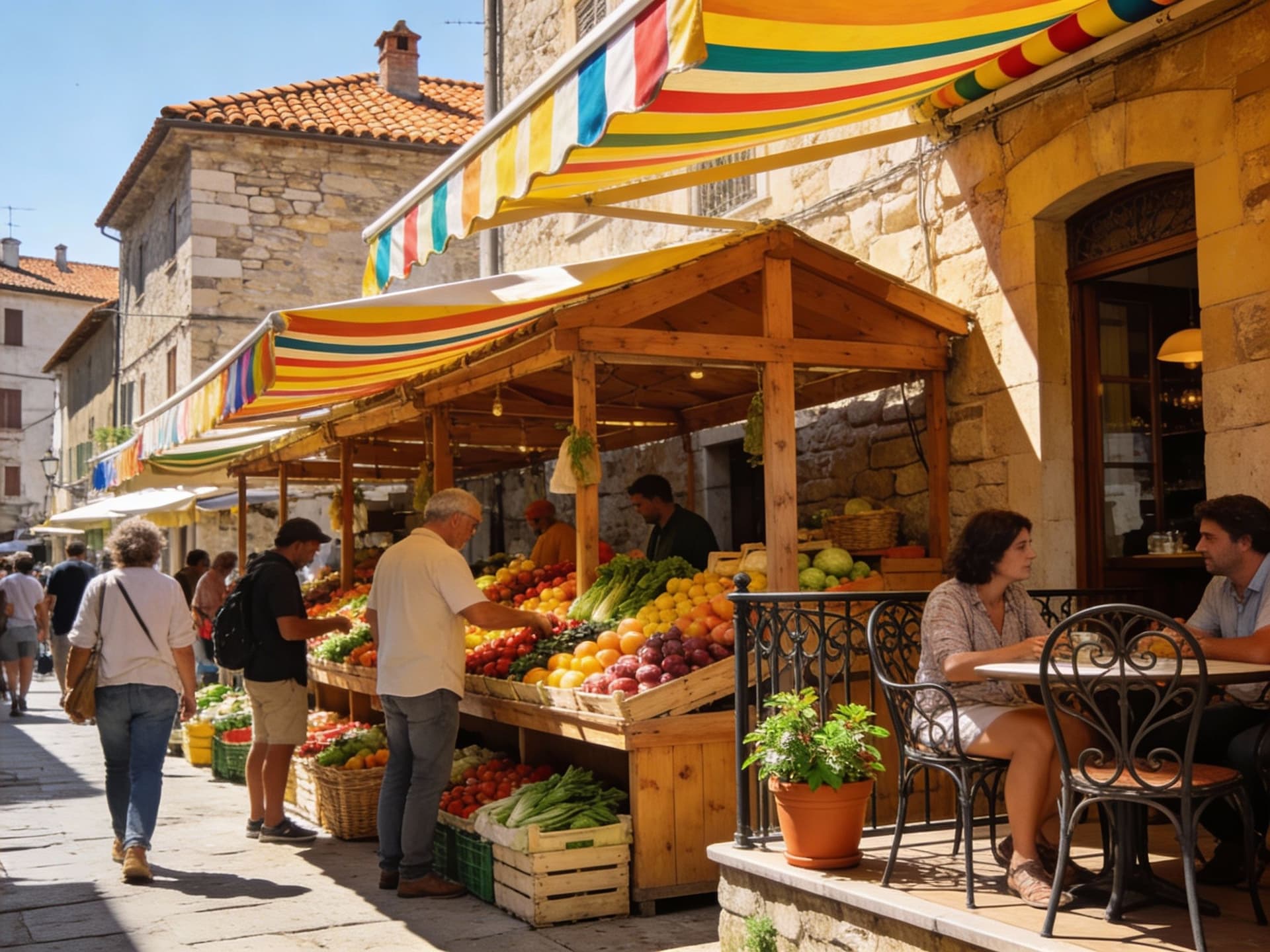
Italy isn’t a single vibe. Mornings are market-chaos and espresso; afternoons are for a slow stroll and mail from the comune; evenings are aperitivo hours that stitch neighbours together. Picture seaside towns like Cefalù where fishing boats set the rhythm, or Milan’s Isola where co-working cafés hum with designers. Each neighbourhood writes its own script—some loud and youthful, some quiet and generational—and your property choice should match the part you want to play.
Hidden local pockets: where neighbours actually buy
Locals often favour streets away from the tourist spine. In Rome, areas like Monteverde Vecchio and San Saba feel lived-in and family-friendly but don’t carry Trastevere’s price premium. In Naples, the Vomero hill offers calm and views without the constant tourist churn of the historic centre. These are practical choices for long-term living: better groceries, quieter evenings and long-term rental demand that steadies resale value.
Food, markets and ritual: neighbourhood life by taste
Your weekend will look different depending on the block. In Turin’s San Salvario you’ll find hole-in-the-wall aperitivo bars and a lively Sunday street market. In Puglia’s Polignano a Mare, life orbits the sea: early swims, late seafood suppers, and neighbors who know each other’s kids. If food culture is non-negotiable, choose proximity to daily markets and small trattorie—the kind that anchor a community and make apartment life feel immediate and joyful.
- Daily lifestyle highlights to scout on visits
- Morning espresso ritual: scout piazzas and barista speed (try Bar Borsi in Santa Croce, Florence for a real local crowd).
- Weekly markets: market stalls are social hubs—look for fresh produce markets that run year-round (e.g., Mercato di Testaccio, Rome).
- Coworking & fast wifi: neighbourhoods with multiple coworking spaces (Isola in Milan, Navigli fringe areas) mean daytime social life and reliable connectivity.
Making the move: practical considerations that respect lifestyle

It’s easy to romanticise piazza life, but the property search needs realism. National data shows modest price growth and regional differences that matter: city centres and tourist hotspots still command premiums while inland towns and southern regions often offer better square metre value. Use official statistics to set expectations before falling in love with a façade.
Property styles and how they fit nomad life
Historic apartments with high ceilings are beautiful but can be chilly, costly to heat, and tricky for fiber installation. Newer conversions or renovated units often deliver better insulation, reliable wiring and modern kitchens—key for remote work and comfort. If you want rooftop access, prioritize buildings with lift access or terrace easements; if you value quiet, look for courtyard-facing flats rather than street-front units.
Work with local experts who know lifestyle trade-offs. Agents with local roots help you uncover off-market flats, explain condominium rules (condominio), and navigate renovation permits. In cities, specialised agents in pockets like Milan’s Brera or Florence’s Oltrarno will know which buildings attract long-term tenants versus short-term holiday lets—important if you want both income and a low-turnover community.
- Steps to match lifestyle to property (quick checklist)
- Visit the neighbourhood three times: morning market, weekday afternoon, and evening aperitivo to sense noise and community rhythm.
- Test connectivity: check fiber availability and mobile signal inside the exact unit at typical work hours.
- Talk to neighbours: ask about delivery reliability, elevator history, and whether building funds cover major repairs.
Insider knowledge: what expats wish they'd known before signing
Expats often underestimate bureaucracy and seasonality’s effect on neighbourhood life. Buying in high-season can hide noise problems; visiting in winter reveals real heating and street calm. Also, some neighbourhoods are architecturally stunning but lack everyday grocery variety—choose a balance that fits your weekly routines, not just Instagram moments.
Language, community and making local friends
You don’t need perfect Italian to belong, but learning basics speeds everything up—from interacting at the mercato to understanding building meetings. Join international meetups, local volunteer groups or language exchanges in neighbourhood cafés to meet both locals and other nomads. Over time, Friday aperitivo hosts become your neighborhood calendar and the people who turn a street into home.
How neighbourhood choice ages with you
Think five years ahead: will you want more space for a partner or a kid? Will you trade proximity to nightlife for quieter parks? Areas with good public transport and diversifying economies—like Bologna or Padua—tend to retain value and evolve with residents’ needs. A neighborhood that fits your present nomad life might need small upgrades to be your long-term base.
- Red flags to spot in viewings (listen for these)
- Unusual smells or damp on walls—often expensive to fix and common in older buildings without good insulation.
- Open disputes in the condominio meeting notes—ask the agent to see recent minutes before committing.
- Windows facing noisy streets without secondary glazing—ask about past complaints and daytime noise checks.
- If you’re ready: three quick next steps to make Italy feel like home
- Book a mixed itinerary: two full neighbourhood days in at least three different towns to compare rhythms and costs.
- Hire a bilingual local agent with renovation experience if you want an older apartment—renovation quotes vary wildly by region.
- Check national stats and market forecasts before making offers; modest national growth and regional variation suggest timing and neighborhood matter more than headlines. (see sources below).
Italy offers a thousand small lives. You can buy into the slow seaside routine, the artful bustle of a university town, or the efficient hum of a northern city. Match neighbourhood character to the life you want—then use local expertise and hard visits to turn romance into a wise purchase. Ready to fall in love with a street? Start with a weekend visit, a coworking day, and an agent who knows the block.
Sources: ISTAT house price index and market reports from Nomisma / Idealista that show modest national price growth and strong regional differences. Use these to confirm local pricing and mortgage prospects before you make an offer.
British expat who moved from Manchester to Mallorca in 2017. Specializes in market analysis and helping fellow Brit navigate local regulations.