Malta Neighbourhoods: RPPI Reality, Festa Life & Fiber Checks
Malta feels postcard-perfect but its compact market is heating up. Learn which neighbourhoods match nomad life and how RPPI trends, festa culture and internet checks change the buy.
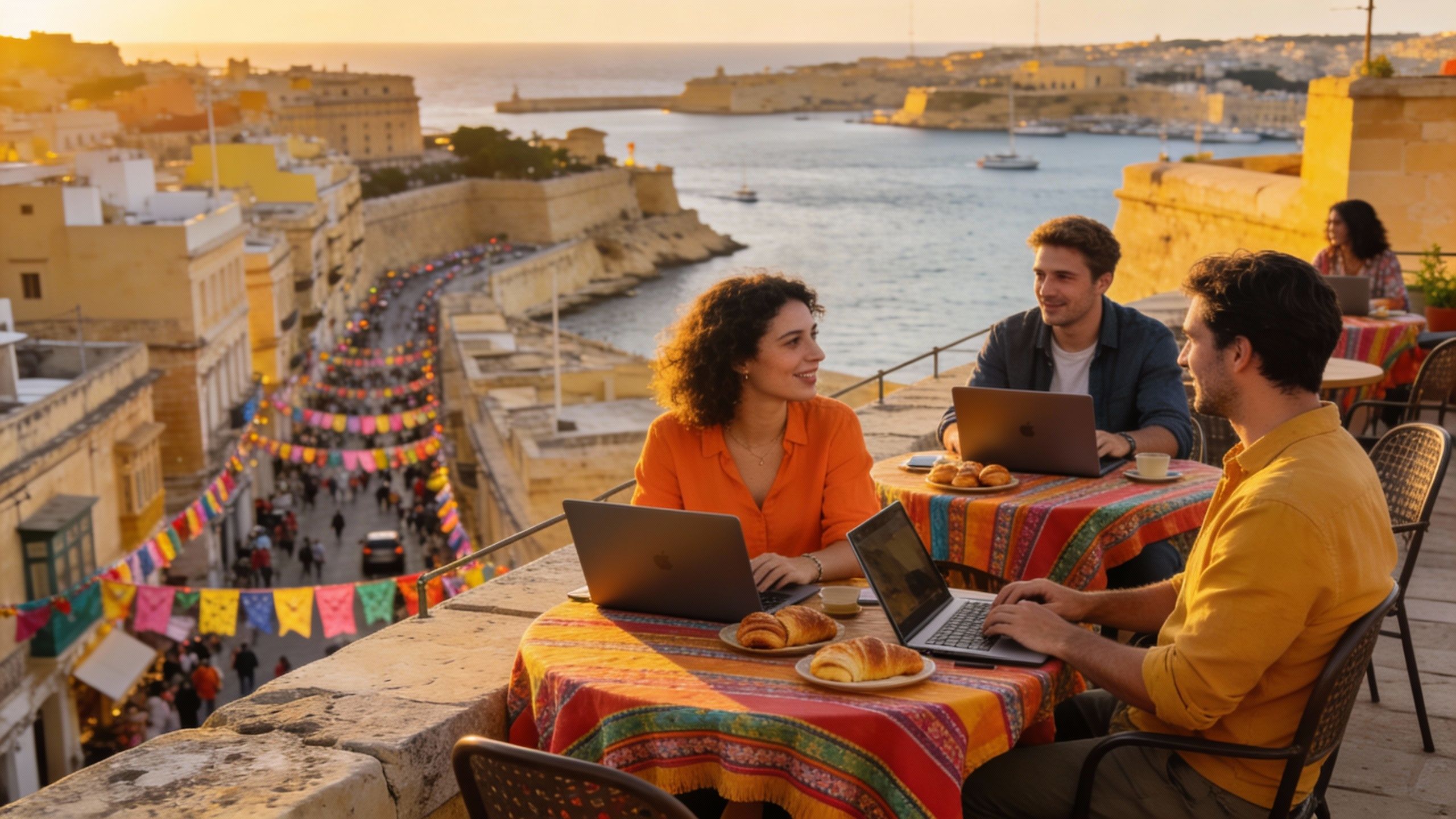
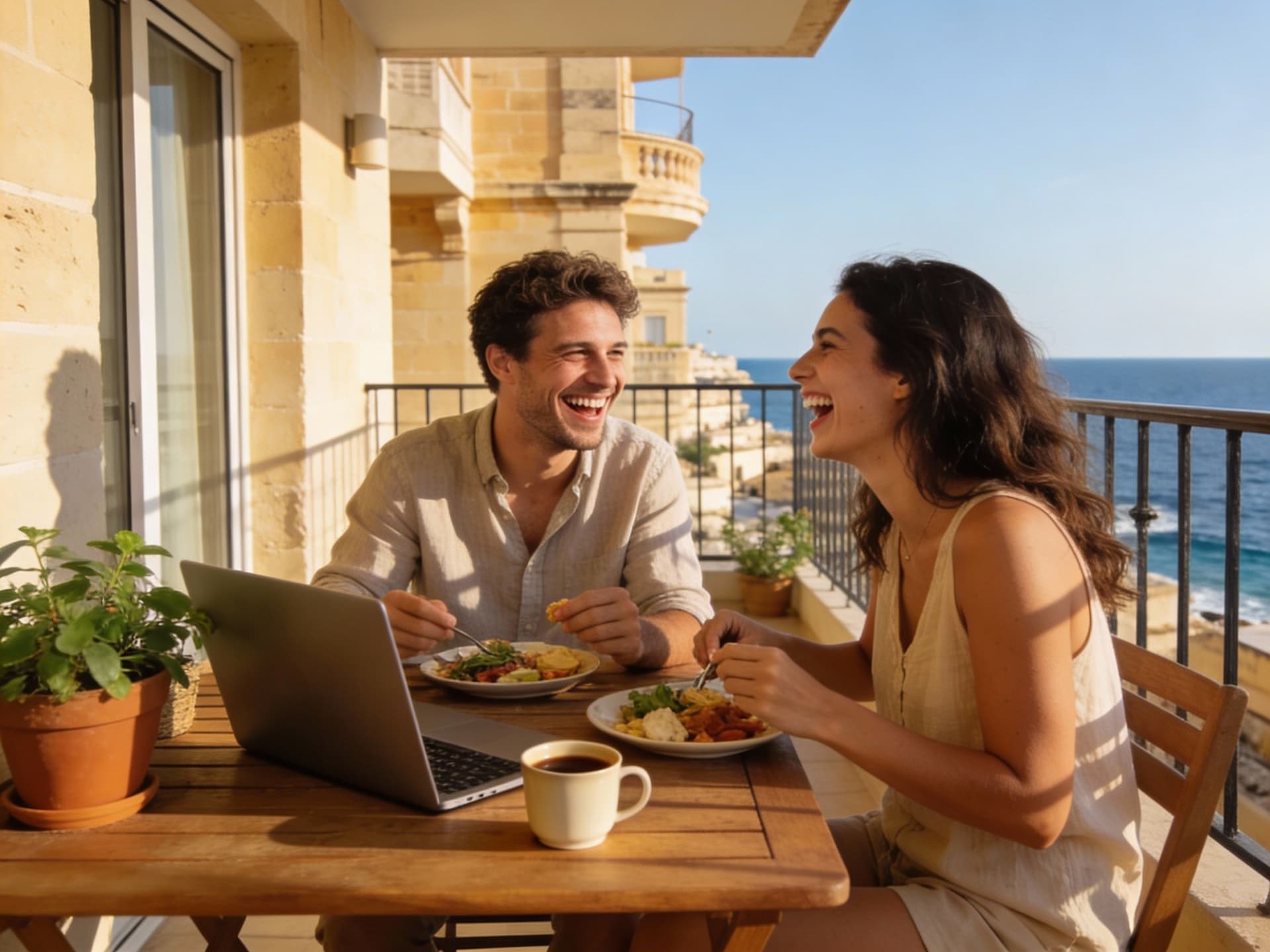
Imagine sipping espresso on a limestone balcony as fishing boats cut across a sapphire harbour — and then realising you can walk to that view in 15 minutes. Malta feels small, sun-washed and intensely lived-in: narrow streets, late-night pastizzi runs, cafés that smell of roasted coffee and seawater, and neighbourhoods that change character block by block.
Living Maltese Days: rhythms, corners and community
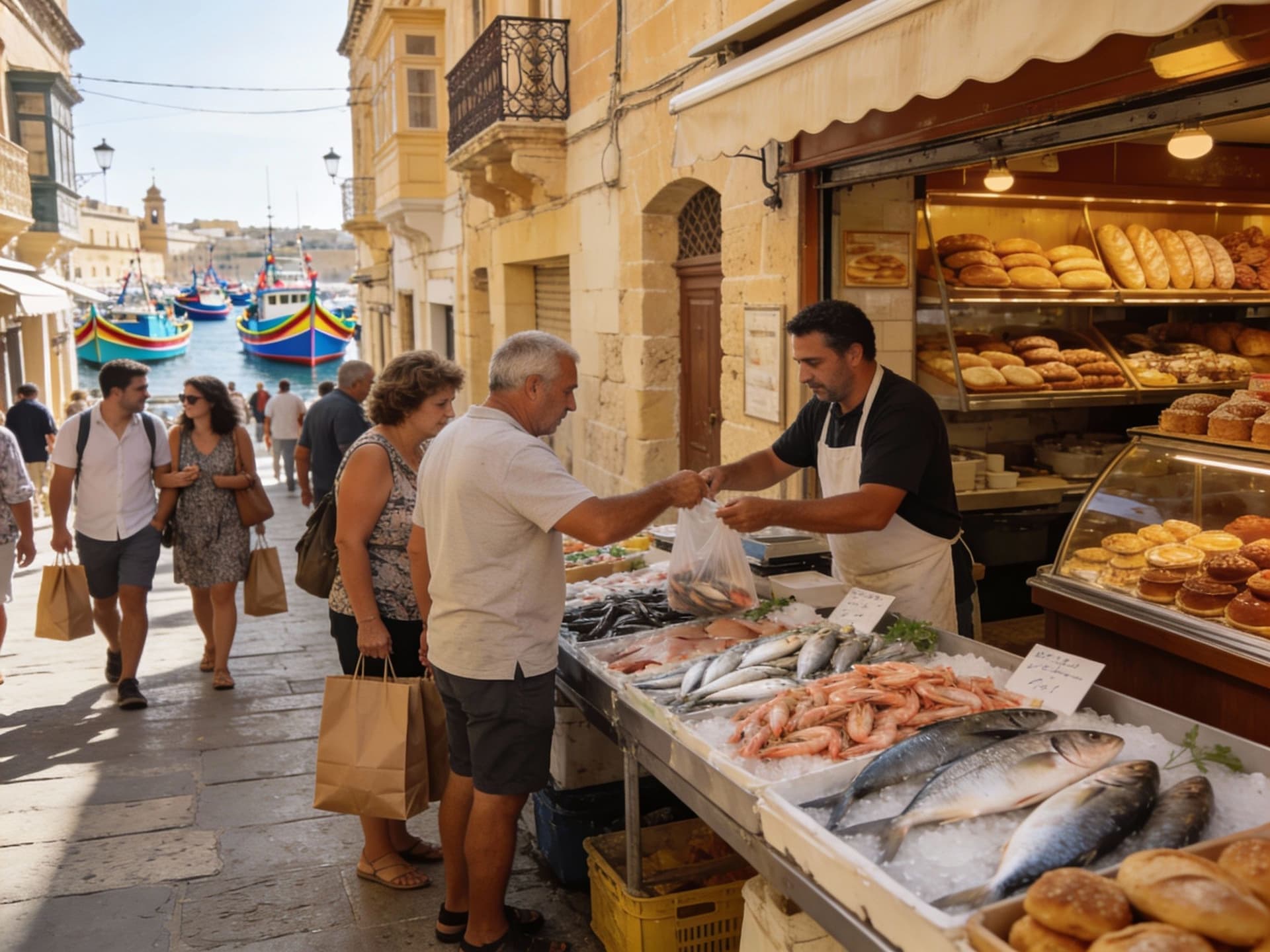
Mornings here are practical and sociable — market queues in Marsaxlokk, kids cycling past terraced maisonettes, remote workers clocking in from Sliema cafés with reliable fibre. Afternoons drift into beach swims at Mellieħa or a slow siesta in Mdina’s shaded lanes. Evenings bring festa fireworks in village squares and seafood feasts by the water.
Valletta, Cottonera & the old-town heartbeat
Valletta is theatrical — baroque facades, theatre nights, tiny rooftop terraces with harbour views. Live here if you want historic streets, short commutes to cultural events and cafés where people actually linger. Cottonera (Bormla, Cospicua, Senglea) offers gritty charm, lower prices for harbour-facing homes and a growing café culture that’s quietly attracting creatives.
Sliema, St Julian’s & the seaside social life
If you want sea promenades, coworking spots and late-night restaurants, Sliema and St Julian’s are the pulse. Expect modern apartments, easy ferry rides to Valletta and a dense mix of expats and locals. These areas are lively and convenient — but they carry the price and bustle that comes with central, coastal living.
- Lifestyle highlights: local cafés (Café Cordina in Valletta), Mellieħa Bay swims, Sunday markets in Marsaxlokk, rooftop terraces in Sliema, festa nights in Żurrieq, coastal walks from St Julian’s to Pembroke.
Making the move: property realities behind the postcard
Here’s the blunt truth: demand is strong and prices have been rising. Malta’s Residential Property Price Index rose notably through 2024 and into 2025, so your dream cliffside flat may cost more than you expect. That said, small pockets and character houses still offer value if you know where to look.
Property types & how they fit a nomad life
Apartments dominate coastal towns and city centres — great for walkability and cafes, often with fast fibre. Maisonettes and townhouses give you terraces and storage for gear, but can need more maintenance. Houses of character (traditional Maltese homes) are dreamy but may need renovation and plumbing updates.
Find an agent who knows the life you want
- 1. Ask about internet speeds and backup power (essential for remote work). 2. Request real, recent rental comparables if you plan to rent out. 3. Check walk score to cafés and coworking spaces. 4. Ask whether the property has PA/sea‑view noise issues during festa season. 5. Confirm whether the seller is foreign or local — ownership chains matter in Malta.
Insider knowledge: what expats learn after move-in
Expats often tell the same story: Malta is intoxicatingly small and easy to enter (English is official), but local networks and timing shape everything. Recent rulings ending citizenship-for-investment pathways have changed investor dynamics, meaning property demand is increasingly local and long-term rather than purely speculative.
Cultural quirks that affect where you live
Festas (village feast days) are loud, communal and joyous — fantastic for social life but noisy for sensitive sleepers. Shops close Sunday mornings in some villages; cafés remain busy. Expect close-knit neighbourhoods where everyone knows the baker, which is a plus if you want rooted community.
Long-term life: what grows after year one
After a year you’ll swap tourist routes for local rhythms: a favourite fishmonger in Marsaxlokk, a rooftop yoga spot in Sliema, weekend hikes on Gozo. Your property choices — balcony size, storage, shutters — start to matter as much as that view you fell for.
- Practical buyer checklist: verify RPPI trends, prioritise fibre and backup power, budget for renovation on older houses, check festa calendar for your chosen village, and work with an agent who understands both local paperwork and lifestyle match.
Fast facts (backed by Malta sources)
Malta’s RPPI was 165.22 at Q4/2024 (about +5% year-on-year), and subsequent 2025 reporting shows continued upward pressure on prices. Land scarcity and high central demand have pushed overall housing value sharply in recent years, so plan for price resilience and occasional volatility in coastal hotspots.
- 1. Visit off-peak (late autumn) to feel true neighbourhood life. 2. Test internet in any apartment during a weekday work hour. 3. Stay in a maisonette for a week to judge maintenance needs. 4. Ask agents for recent RPPI-based comparables, not just asking prices.
Picture this: a sunlit terrace in Pietà where you answer calls with the harbour in view, then wander to a festa in the evening and make friends over rabbit ravioli. That’s Maltese life — intimate, seasonal and full of flavour. With the right local help you can build a life here that’s both practical and deeply satisfying.
Ready to explore options? Start by narrowing neighbourhoods by daily rhythm (beach mornings, city culture, village festas), ask agents about recent RPPI comparisons, and schedule weekday visits to test connectivity and noise. An agency that understands both nomad needs and local seasonality will turn your Malta daydream into an address.
Swedish, relocated to Marbella in 2018 to chase sun and property freedom. Focus on legal navigation and tax for Nordic buyers.