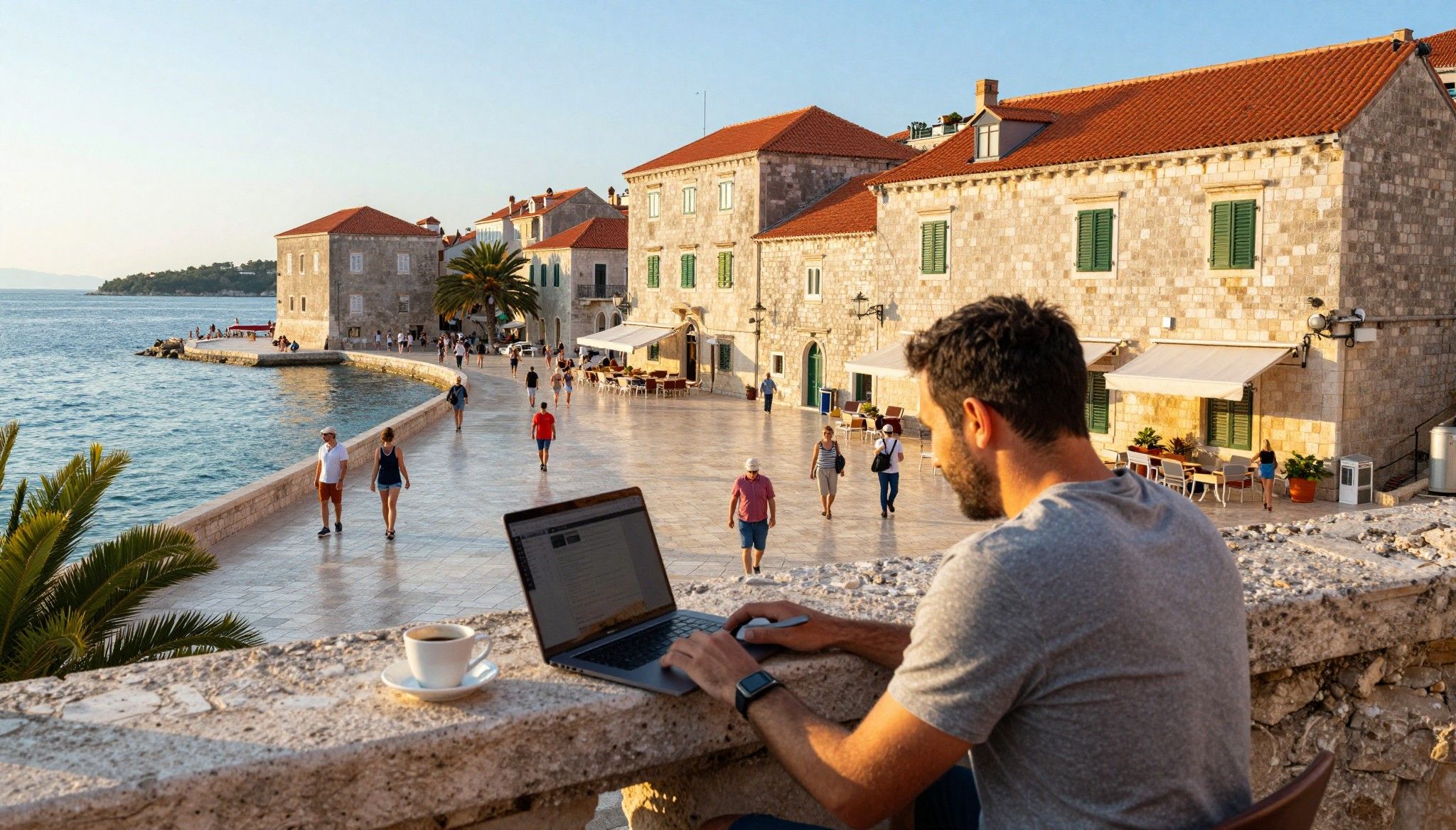
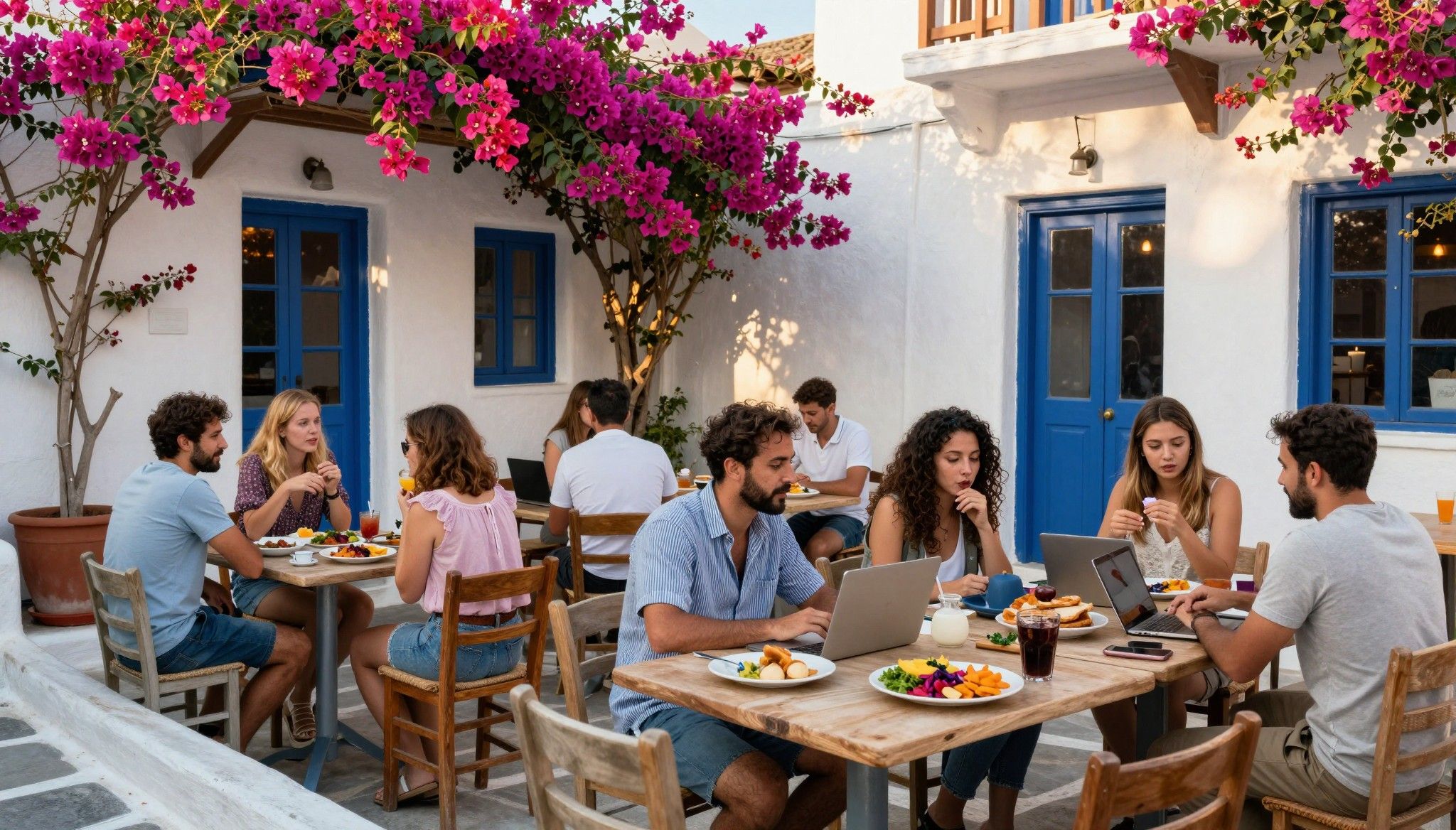
Malta’s Streets, Rituals & RPPI: Lifestyle‑First Buying
Malta’s sunlit neighborhoods seduce, but rising RPPI and land scarcity demand lifestyle-first buying: live the street, check RPPI trends, and map fibre and festa dates.
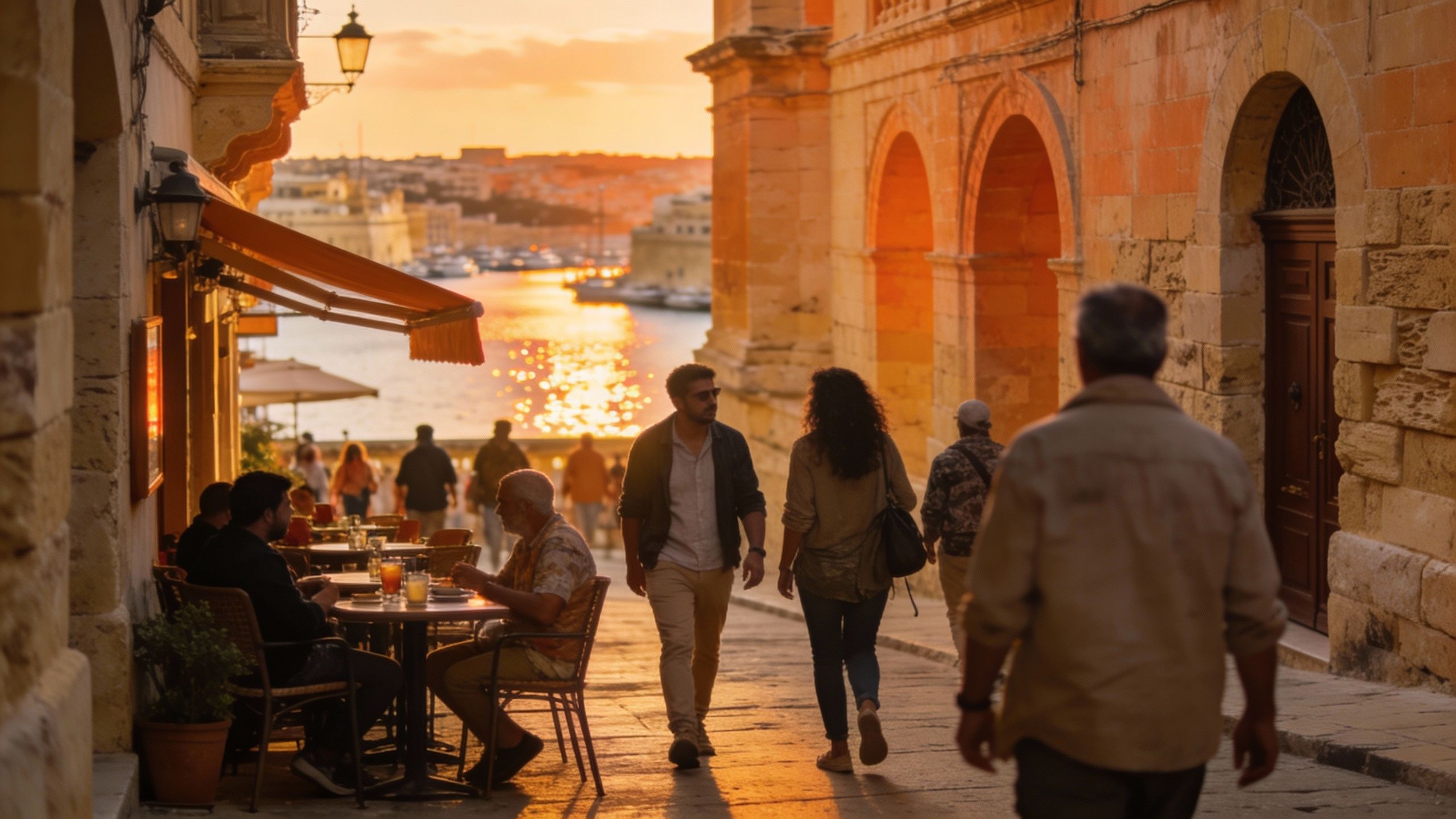
Imagine stepping out at dawn to buy a cornetto from Caffe Cordina in Valletta, then walking the limestone streets to a coworking spot with sea views — that light, the buzz of ferry horns, and espresso steam are what sell Malta to nomads. But behind the postcard mornings there’s a market shaped by limited land, fast-rising prices and absentee ownership. If you love the idea of Mediterranean mornings, this guide pairs those lifestyle scenes with the real estate moves you’ll actually need to make here.
Living the Malta life
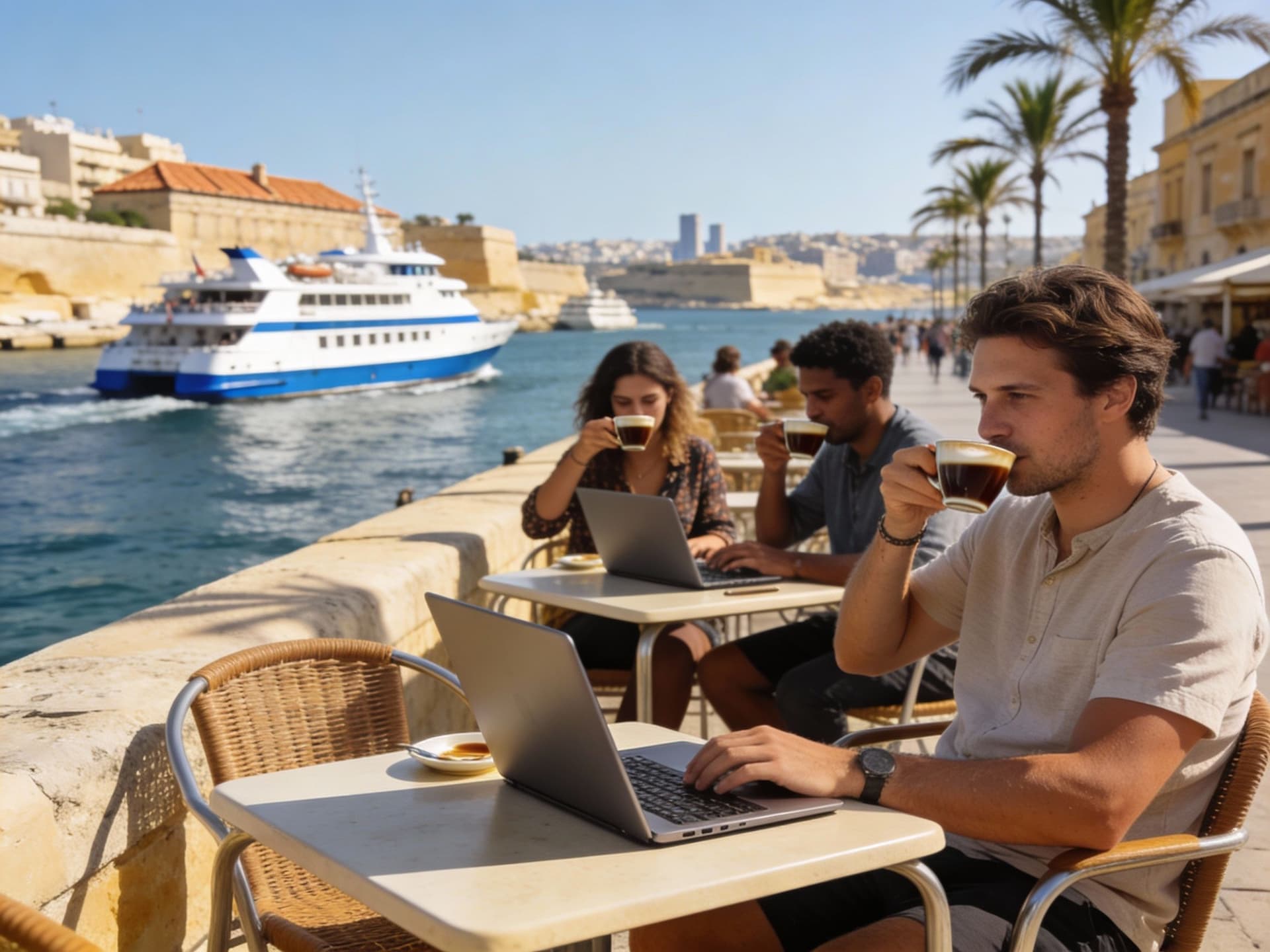
Malta is compact and loud in the best ways: tiny islands, big personality. Daily life folds around the sea, neighborhood festas, and late-night pastizzi runs. Walkable neighborhoods mean shops and cafés shape your social life; you’ll pick a street as your living room and know your barista by name. The rhythms change with the seasons — summers hum with tourists and rooftop parties, winters settle into slow, local rhythms — and that affects everything from noise to rental demand.
Valletta & The Three Cities: history meets coffee culture
Valletta is the city you fall for on foot: baroque facades, tiny balconies, and a cafe on nearly every corner. Early-morning light on Republic Street is perfect for remote work from a terrace; afternoons drift into museums or harbour walks. Across the Grand Harbour, Senglea and Cospicua feel quieter and more local, with old fishermen’s houses, pocket parks, and slower coffee rituals. Expect steep stairways and historic quirks — brilliant for charm, tricky for moving furniture.
Sliema & St. Julian’s: the nomad corridors
If you want cafés with fast fibre and late-night meetups, Sliema and St. Julian’s deliver. Coworking spaces sit beside seafront promenades and international eateries; you’ll spot remote workers at every café table. These areas are lively, modern, and expensive — great for networking but noisier and more tourist-facing. For many nomads, the tradeoff is worth it: reliable internet, easy ferry links to Valletta, and a big expat community.
Lifestyle hotspots and hidden corners
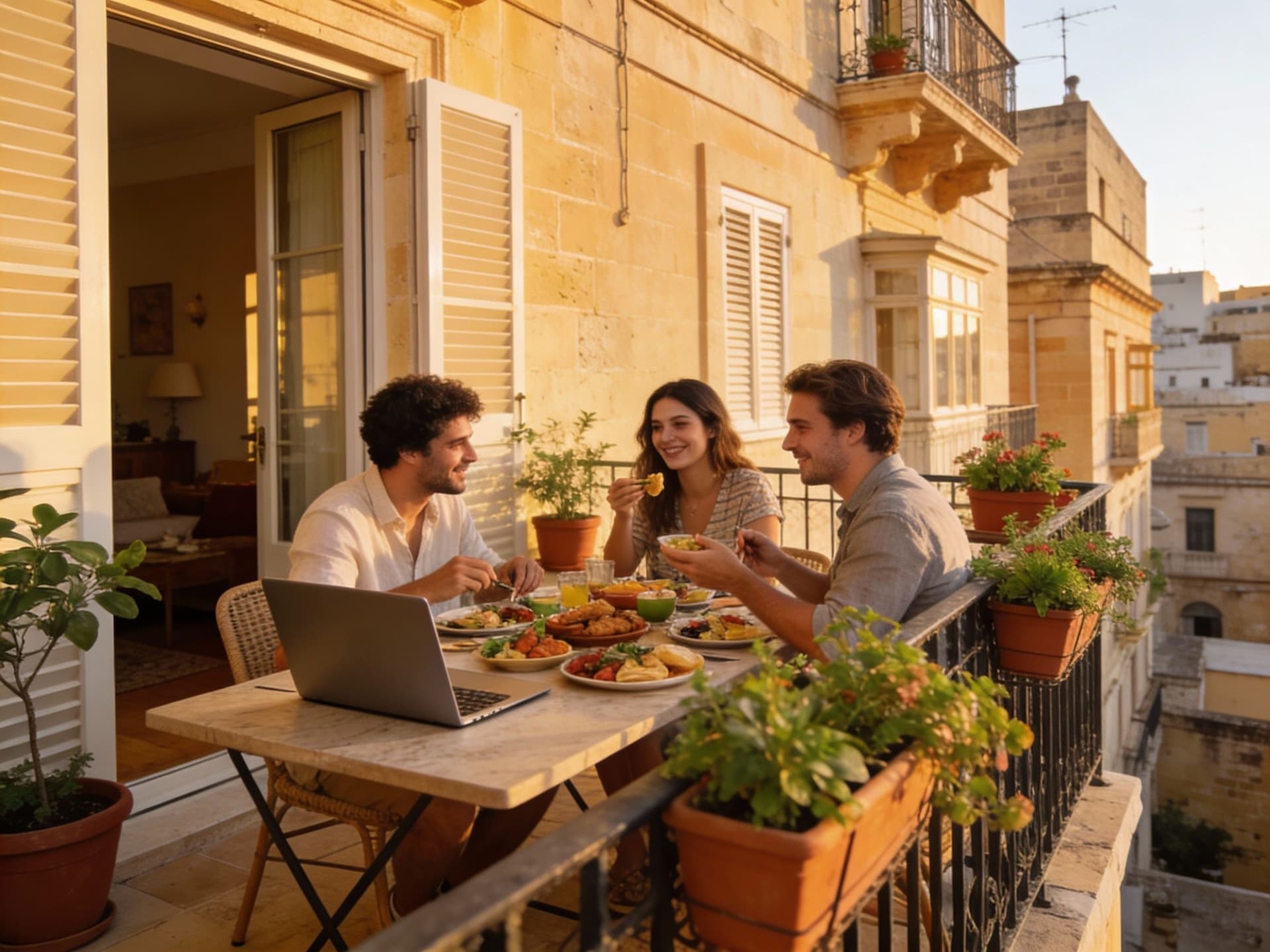
Beyond the headline areas, Malta hides tiny pockets that feel like secret neighborhoods. Zebbug and Naxxar offer slow village life with easy access to city amenities. Gozo, especially Xlendi and Victoria, trades the bustle for wide skies, cheaper square metres and a slower pace — ideal if you crave weekend hikes and coastal workdays. Knowing these micro-differences shapes what you buy: one-bedroom in Sliema is a different life than a maisonette in Rabat.
Seasonal shifts that matter
Summer looks magical but it’s also peak tourist season — short-let demand spikes, noise rises, and some neighborhoods feel transient. Winter shows you the island’s true resident life and can be a better time to judge community fit. Recent analysis highlights how land scarcity and speculative demand push prices across seasons, so timing a purchase around quieter months can help you assess real listings instead of staged summer showings.
- Lifestyle highlights: Caffe Cordina breakfasts, Sliema promenade runs, Għar Lapsi swims, Żejtun street festas, Marsaxlokk fish market visits, Sunday hikes in Ta' Qali.
Making the move: practical considerations
Your dream street and the numbers can disagree — and they often do in Malta. The NSO shows steady annual rises in the Residential Property Price Index, reflecting that prices are still trending up nationally. That means realistic budgets, quick decision-making, and local help matter. Work with agents who know which neighbourhoods are heating up and which have short-term rental saturation — it changes resale and living quality.
Property styles & how you’ll live in them
Historic townhouses and charming maisonettes bring terraces, internal courtyards and character — perfect if you want a sunny terrace office and local authenticity. Modern apartments near the promenade give reliable fibre, lifts, and easier maintenance but often less outdoor private space. On Gozo, expect larger footprints and calmer streets; in central Malta you pay a premium for proximity and walkability. Choose by lifestyle first: if rooftop aperitifs matter, prioritize terraces over square metres.
Working with local experts who get nomads
Find an agency that understands fast fibre needs, short‑let restrictions, and village dynamics. The right local agent will flag neighbourhood festa dates, seasonal noise patterns, and whether a property has legal permission for terraces or renovations. Ask agents about internet providers in the block, proximity to coworking, and neighbours’ typical lifestyles — these seemingly small details shape your daily life more than marble floors.
- Steps to marry lifestyle with market sense: 1. Spend a week living in your target neighbourhood across two seasons. 2. Verify RPPI trends for the district and compare to national averages. 3. Confirm short‑let rules if you plan to rent part‑time. 4. Check fibre availability and local coworking distance. 5. Get an agent to map noise, festas, and moving logistics.
Insider knowledge: what expats wish they’d known
Expats often romanticize the island, then get surprised by the logistics: moving furniture up narrow staircases, negotiating festa noise, or finding a reliable plumber. Many also underestimate how quickly prices can outpace wages; recent reporting notes affordability pressures and rising asking prices in 2024 and 2025. The good news: being informed turns those surprises into small bumps. Know the local rhythms and you’ll fit in faster.
Language, customs and community
English is official and widely used, so bureaucracy and daily life are friendly for anglophones. Still, learning basic Maltese greetings wins you instant local warmth at markets and festa gatherings. Neighbourhoods operate on personal ties: a neighbour’s tip can reveal an off-market maisonette for sale. Participating in local rituals — helping with set-up for a festa or joining a village church feast — is how you stop being a visitor and start being a neighbour.
Long-term lifestyle and future-proofing your purchase
Think about resale in a market where land is king: central locations and outdoor space hold value. If you plan a multi‑year stay, prioritise connectivity, community, and building quality over short‑term bargains. For investors, monitor RPPI reports and local planning changes that affect supply. And if you crave sustainability, consider properties with good insulation and shaded terraces — small design choices cut cooling costs and improve daily comfort.
- Red flags to watch for: undeclared short‑let conversions, lack of terrace permits, unclear title history, poor drainage in older stone houses, and inconsistent internet options.
Conclusion: fall for the mornings, plan for the paperwork. Malta gives you sea-air mornings, neighborhood rituals, and an easy English-speaking day-to-day — but it also requires local knowledge to turn the dream into a livable home. Spend time in the streets you think you want, check RPPI and local listings, and team up with an agent who treats lifestyle as seriously as title checks. Ready for a coffee by the harbour? Start by booking a week in your favourite neighbourhood and asking an agent to map out fibre, festas, and moving logistics.
Norwegian who has helped 200+ families relocate from Oslo to Spain; expert in relocation services and community integration.