Where French Neighbourhoods Match Your Day‑to‑Day Life
Fall in love with France’s daily rhythms — markets, cafes, and coworking — then use local data and neighbourhood checks to buy a home that fits how you’ll actually live.
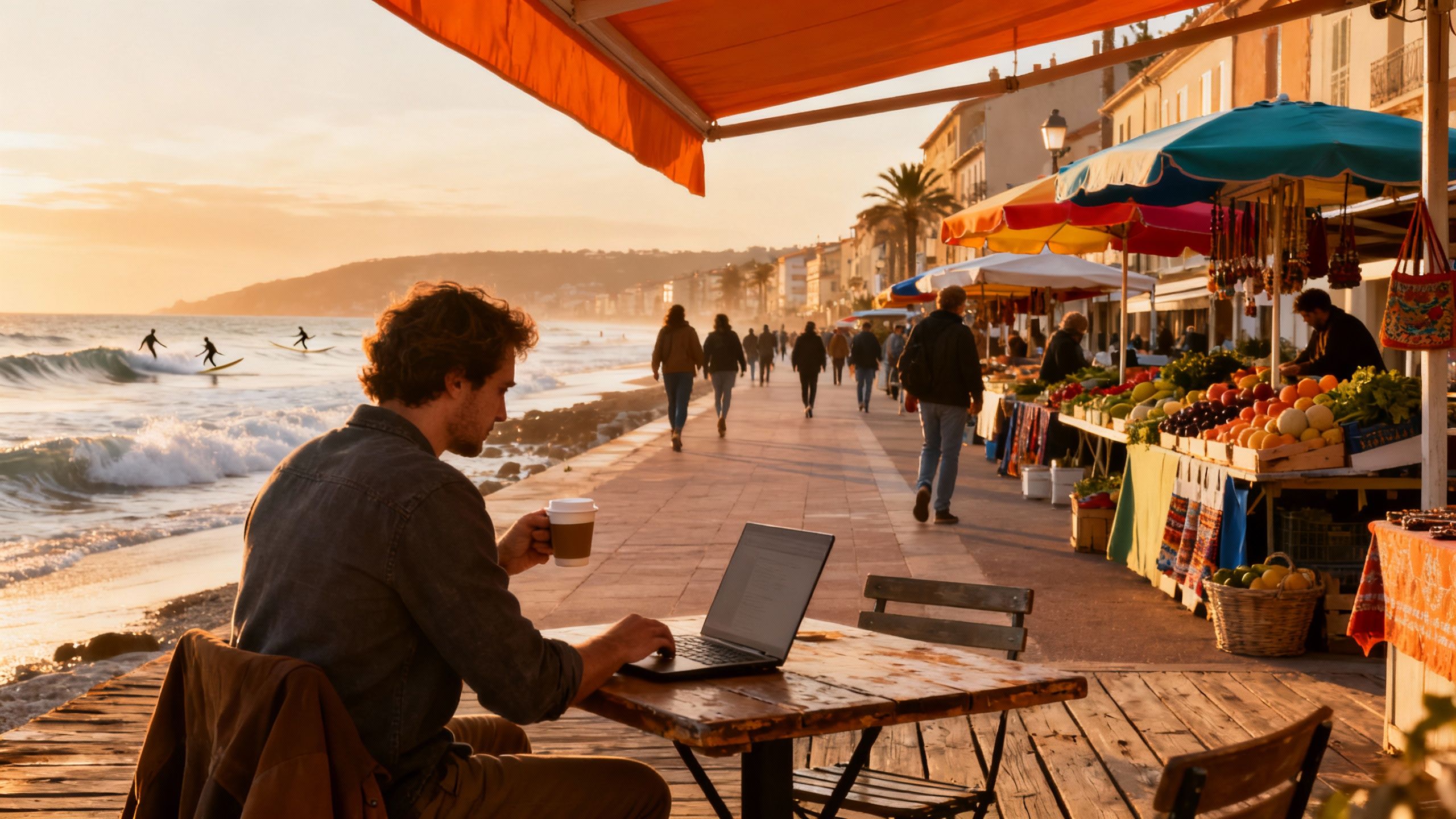
Imagine walking down Rue de Bretagne in Paris at 9am, espresso steaming, boulangeries filling the air with butter and warmth, then jumping on a Vélib' to a coworking space where the Wi‑Fi is faster than your home connection. That sensory mix — markets, cafes, reliable broadband, and a neighborhood that feels like a village inside a city — is what draws nomads and international buyers to France. But the real choice isn’t just 'France' vs 'elsewhere'; it’s which French rhythm you want: Riviera sunrises, Loire Valley quiet, Alpine winters or Parisian pulse. Let’s fall in love first, then look at the real estate moves that make that life possible.
Living the French Life — daily rhythms and local flavor
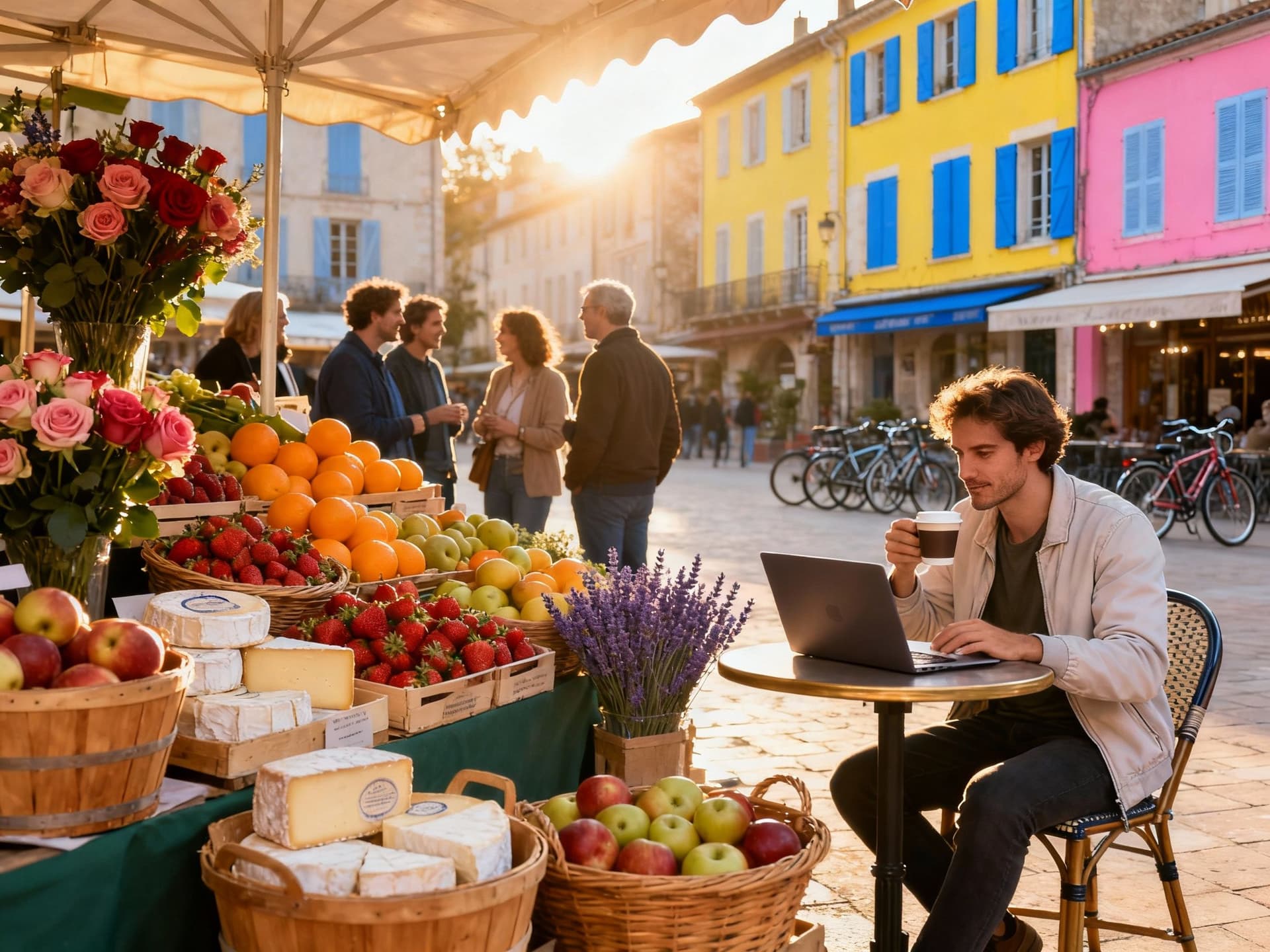
France moves at a measured, sensory pace: long weekend market runs, late dinners, and a work‑life balance that actually feels designed. Neighborhoods have personalities — Le Marais hums with boutiques, Croix‑Rousse in Lyon smells of bakeries and silk history, and Biarritz mixes surfers with sitting‑down locals. And while national price indices show small rebounds in 2025, the lived experience varies wildly from street to street, which is great news for buyers who care about lifestyle fit rather than headline prices.
Paris: village pockets, coworking density
Forget the blanket idea that Paris is wildly unaffordable. Yes, central arrondissements can be pricey — but micro‑neighborhoods like Canal Saint‑Martin, the 20th’s Gambetta area, or parts of the 11th offer more reasonable pockets with vibrant cafes and fast coworking hubs. For nomads, proximity to transport (RER + metro) and a local cafe with power outlets matter more than square metre price alone.
South of France: Riviera vs authentic coastal life
The Côte d’Azur sparkles — Nice and Antibes balance international flair with daily markets. But if you crave less tourist churn, look to towns like Hyères or the Languedoc coast where seafood markets and a slower pace are real. Note: tourist hotspots (ski resorts, Riviera) are seeing luxury development and seasonal rentals, which changes neighbourhood life during high season.
- Lifestyle highlights to test during a scouting trip
- Paris — morning marché at Marché des Enfants Rouges, afternoon coworking at Station F satellites, evening bistro dinners on Rue de Bretagne
- Lyon — dinner at a bouchon on Rue Mercière, weekend cycling along the Saône, kid‑friendly parks in Croix‑Rousse
- Bordeaux — Sunday market at Marché des Capucins, wine country day trips, a growing remote‑worker cafe scene
Making the move: lifestyle‑first practical considerations

Dreams meet paperwork eventually. Prices across France showed a modest rebound in early 2025, meaning the market is stabilising but local dynamics matter more than national headlines. If you want a sunlit terrace, check microclimate and orientation; if you need a reliable remote‑work base, check wired broadband options and nearby coworking. Small checks now save stress later.
Property styles and how they shape daily life
Stone village houses in Provence offer outdoor life but often require renovation and heat‑loss fixes. Parisian Haussmann flats are charismatic and centrally located but usually smaller and higher maintenance for families. Newer suburban builds give space and parking, great for long‑term stability and hybrid work setups. Match property style to how you actually work and socialise.
How to use local expertise (real agencies, not listings apps)
Local agents are your neighbourhood translators: they know which streets get noisy in summer, which copropriétés (building associations) bury surprises in budgets, and which sellers accept offers below asking. Choose agents who show up to local cafés, attend municipal meetings, and can introduce you to a notaire and a gestionnaire (property manager).
- Practical steps that protect lifestyle and wallet
- Scout neighbourhood life during a full week (weekday mornings, weekend markets, rush hour) before making offers.
- Request wired broadband tests and ask local cafés/coworking spaces about peak speeds and community events.
- Get building minutes (procès‑verbaux) for apartments to spot upcoming special assessments or disputes.
Insider knowledge: things expats wish they'd known
Real talk: language opens doors. A few phrases to negotiate maintenance or meet neighbours make life exponentially easier. Also, France’s market shifts slowly; INSEE data shows modest price rebounds through 2025, so you’re not chasing explosive short‑term gains. Instead, buy for the life you want and the neighbourhood rhythm you love.
Cultural cues that change where you buy
French copropriété rules, Sunday market culture, and municipal fêtes influence daily living. In coastal towns, summer rentals can transform a quiet street into a seasonal carnival — fantastic for short‑term rental income, less great if you want year‑round calm. Ask locals about winter life and year‑round services before committing.
Longer‑term lifestyle signals to watch
Look for new coworking openings, municipal bike paths, school performance trends, and broadband upgrades — these are the real signs of a neighbourhood improving for nomads and families alike. These signals often matter more than yearly price headlines.
- Red flags and local traps to avoid
- Large ongoing copropriété disputes, lack of elevator in upper‑floor apartments you can’t climb with luggage, poor mobile reception despite advertised fibre availability, and an area dominated by seasonal rentals with little winter life.
- Timeline for a confident move
- 1) Three-week scouting trip including weekdays and a weekend. 2) Two‑month offer to closing window with a local notaire and pre‑approved financing. 3) Three months to fully settle utilities, broadband, and local registrations.
Conclusion: picture yourself there, then protect that picture with local know‑how. France sells a lifestyle — cafés, markets, coastlines and canals — but the right neighbourhood is what turns a holiday feeling into home. Work with an agent who knows the café owners, the school gates, and where the fibre actually reaches. Then, book a week, smell the bread, test the Wi‑Fi, and make the move when the neighbourhood feels like yours.
Danish investor and relocation advisor focusing on Portugal and the Algarve; loves coworking culture and expat networks.