Why Buying Where Locals Buy Beats City Hype — France
France isn’t one lifestyle—choose the street, not the city. Recent INSEE and notaires data show regional recovery; pick towns locals love for value and daily life.
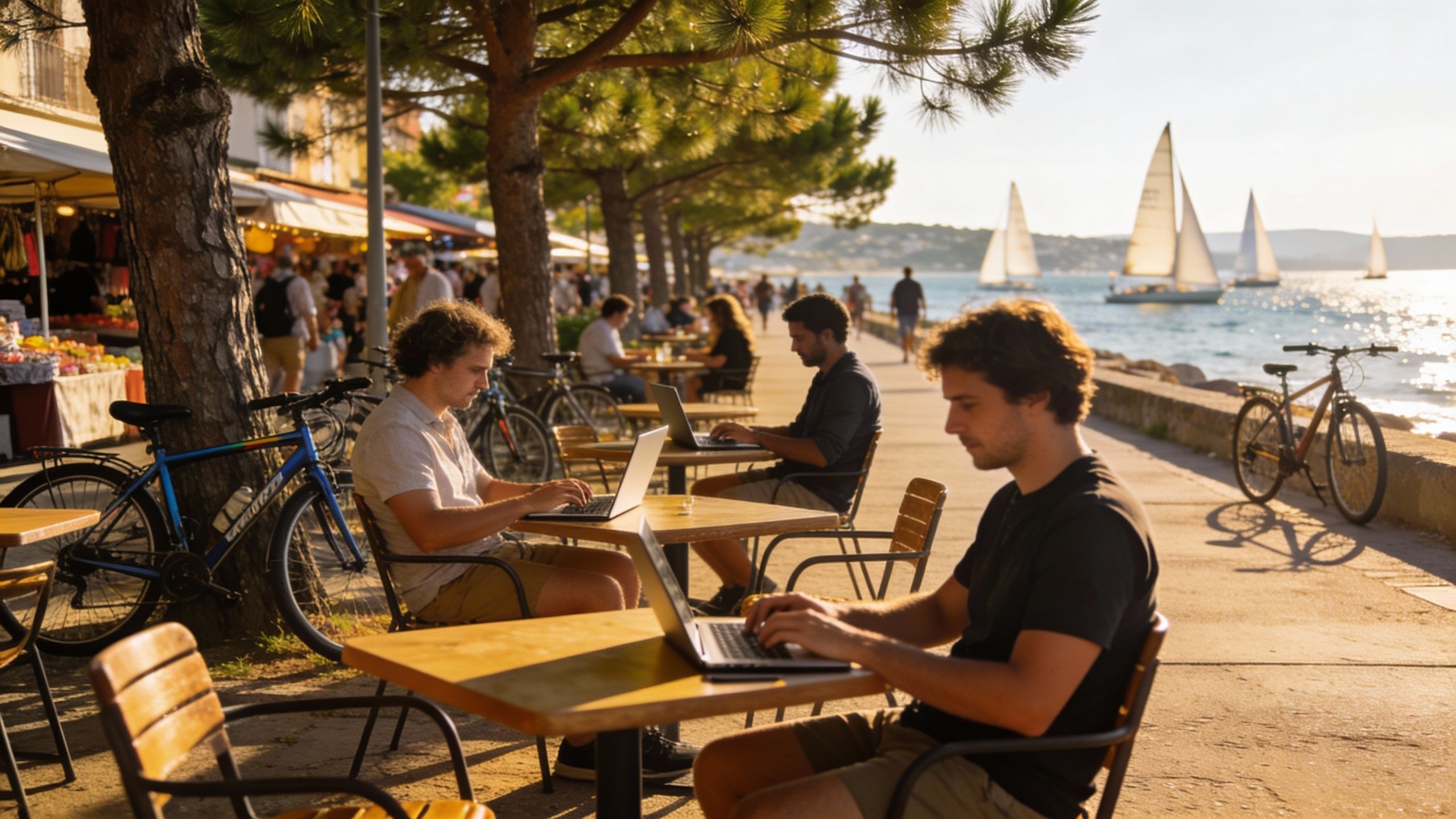
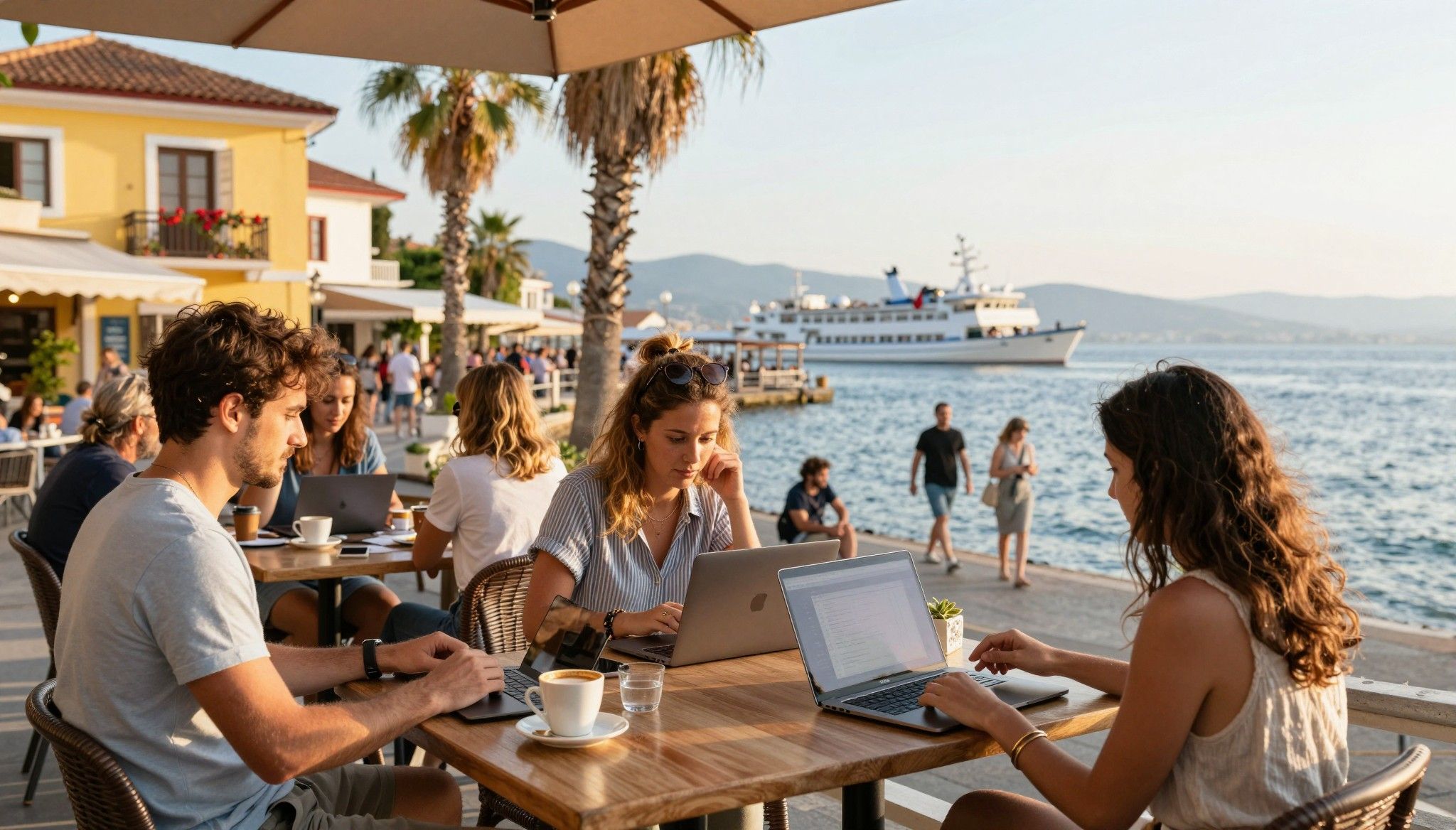
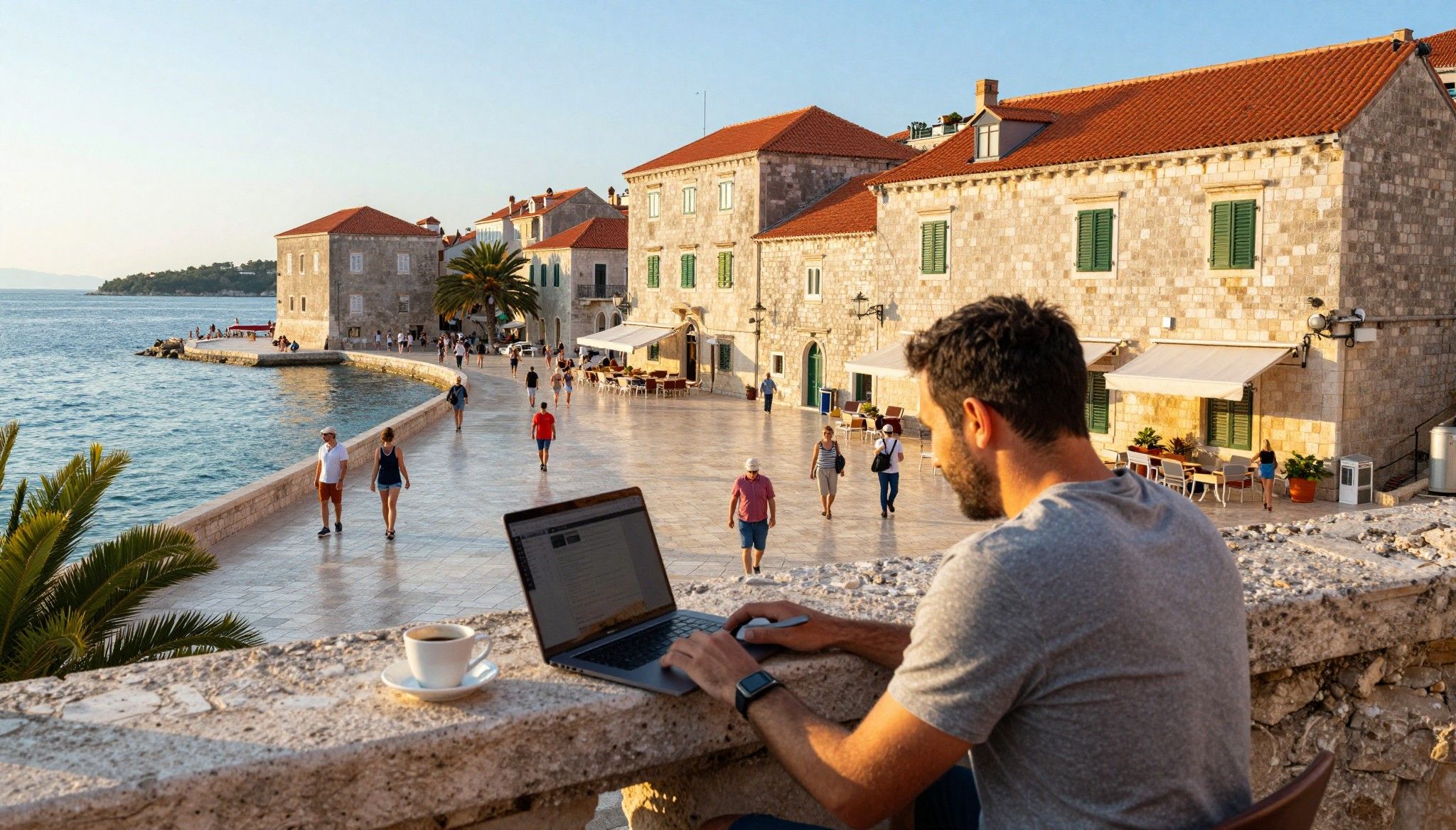
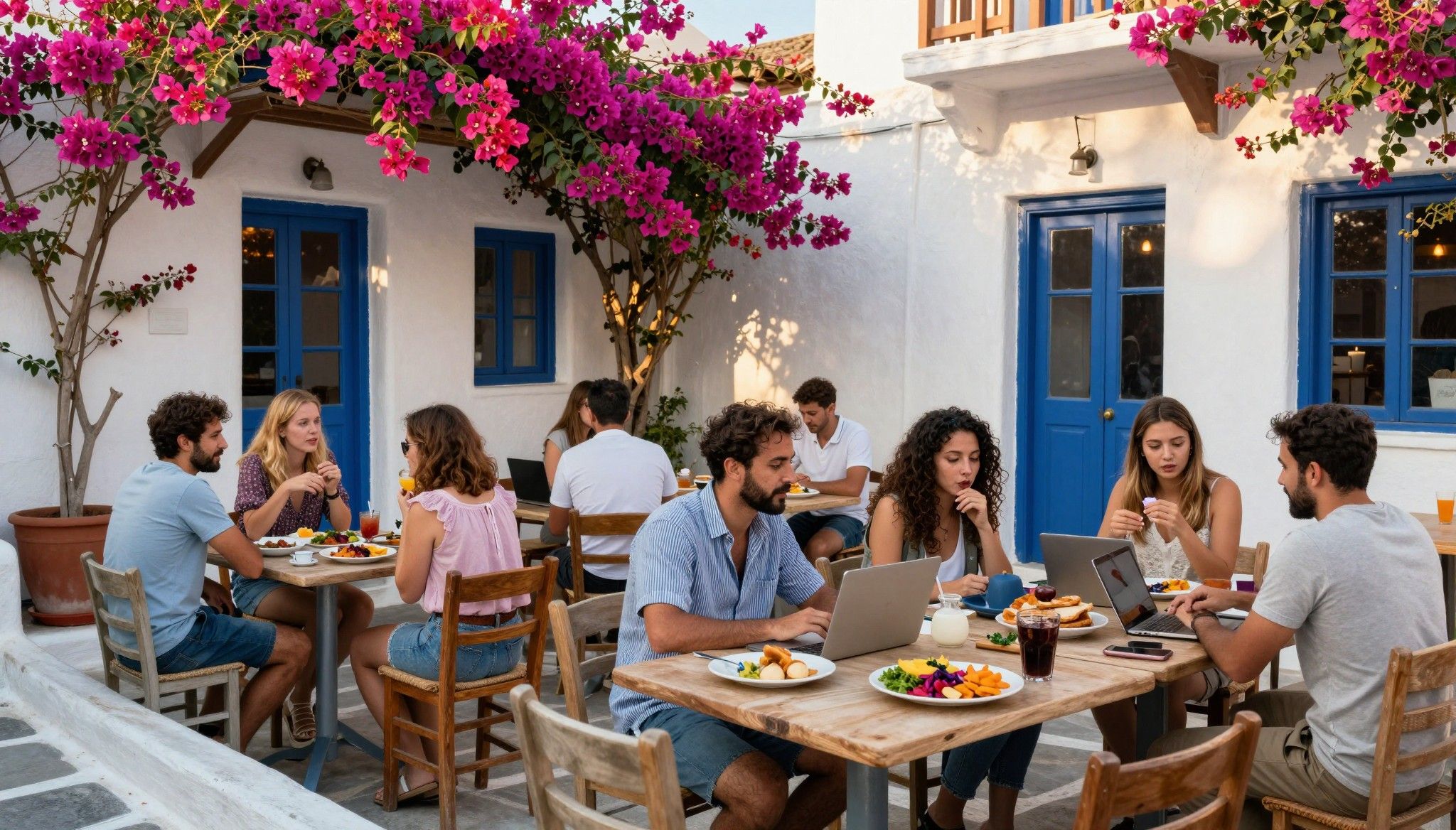
Imagine sipping café at a shaded terrace in Aix‑en‑Provence, then logging on to a reliable 200 Mbps connection to finish a morning call. Picture Sunday markets in Rennes where local bakers know your name, or a sunset walk along Cap Ferret’s pine-scented beaches after a day in a light-filled home with shutters flung open. France is not one vibe; it’s many. And for international nomads, that spread—the city drama of Paris, the seaside calm of the Atlantic, the hilltop towns of Provence—is where lifestyle and property choices collide.
Living the French lifestyle: more than postcards
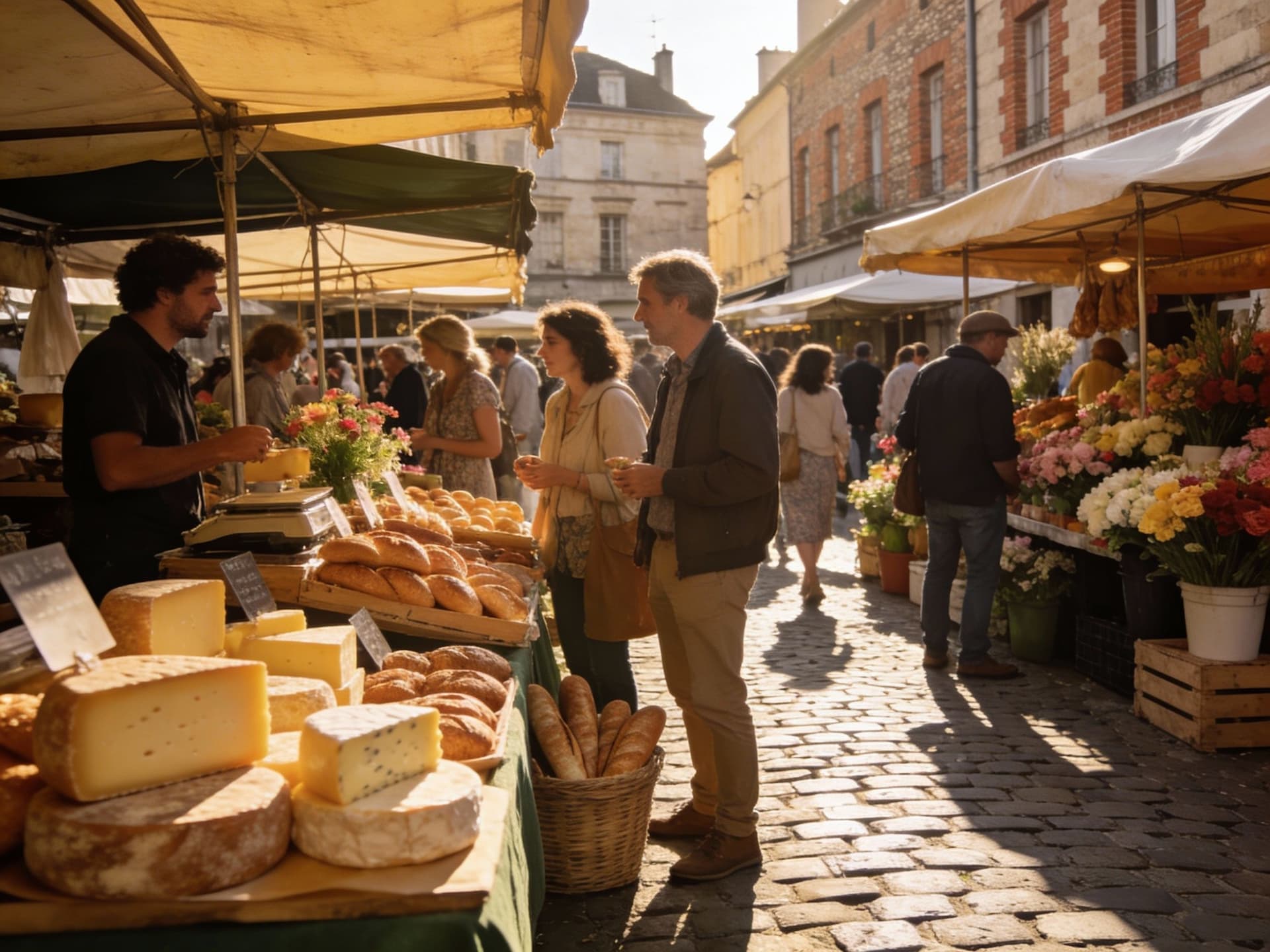
France’s rhythm is tactile: espresso steam, boulangeries at dawn, long lunches in summer. But the real-life texture varies by street. In Lyon’s Croix‑Rousse you’ll meet market stallholders and creative startups; in Nice’s Port district you’ll trade narrow-lane afternoons for evening promenades by the sea. For remote workers the question isn’t just ‘which city?’ but ‘which street?’ — proximity to markets, a friendly café with outlets, and a local coworking hub shape daily life as much as the apartment itself.
Spotlight: Paris fringe and commuter towns — everyday magic without the price tag
If central Paris feels too intense (and expensive), look at towns in the Grande Couronne like Saint‑Germain‑en‑Laye or Versailles suburbs where trains shave commute times and mornings feel calmer. Notaires reports show these areas kept activity higher than central arrondissements during recent slowdowns, making them a practical trade‑off: still cultural, easier on space and often friendlier to families and nomads needing room to work.
Food, markets, and after‑work life: where locals really live
Weekends in France can define where you want to live. In Bordeaux you’ll chase oyster stalls at Cap Ferret; in Marseille you’ll duck into Le Panier for bouillabaisse and graffiti‑strewn alleys; in Lille you’ll linger over waffles and a small craft beer. These routines matter: a five‑minute walk to a morning market or a reliable espresso bar becomes the heart of daily life, more than square metres or an extra bedroom.
- Market‑defining lifestyle highlights
- Aix‑en‑Provence: morning markets, shaded terraces, Provençal bakeries
- Cap Ferret (Arcachon): pine forests, oyster huts, surf culture
- Rennes: lively student scene, excellent food markets, bikeable streets
- Lyon Croix‑Rousse: cafés, independent boutiques, creative energy
Making the move: practical considerations that preserve the vibe
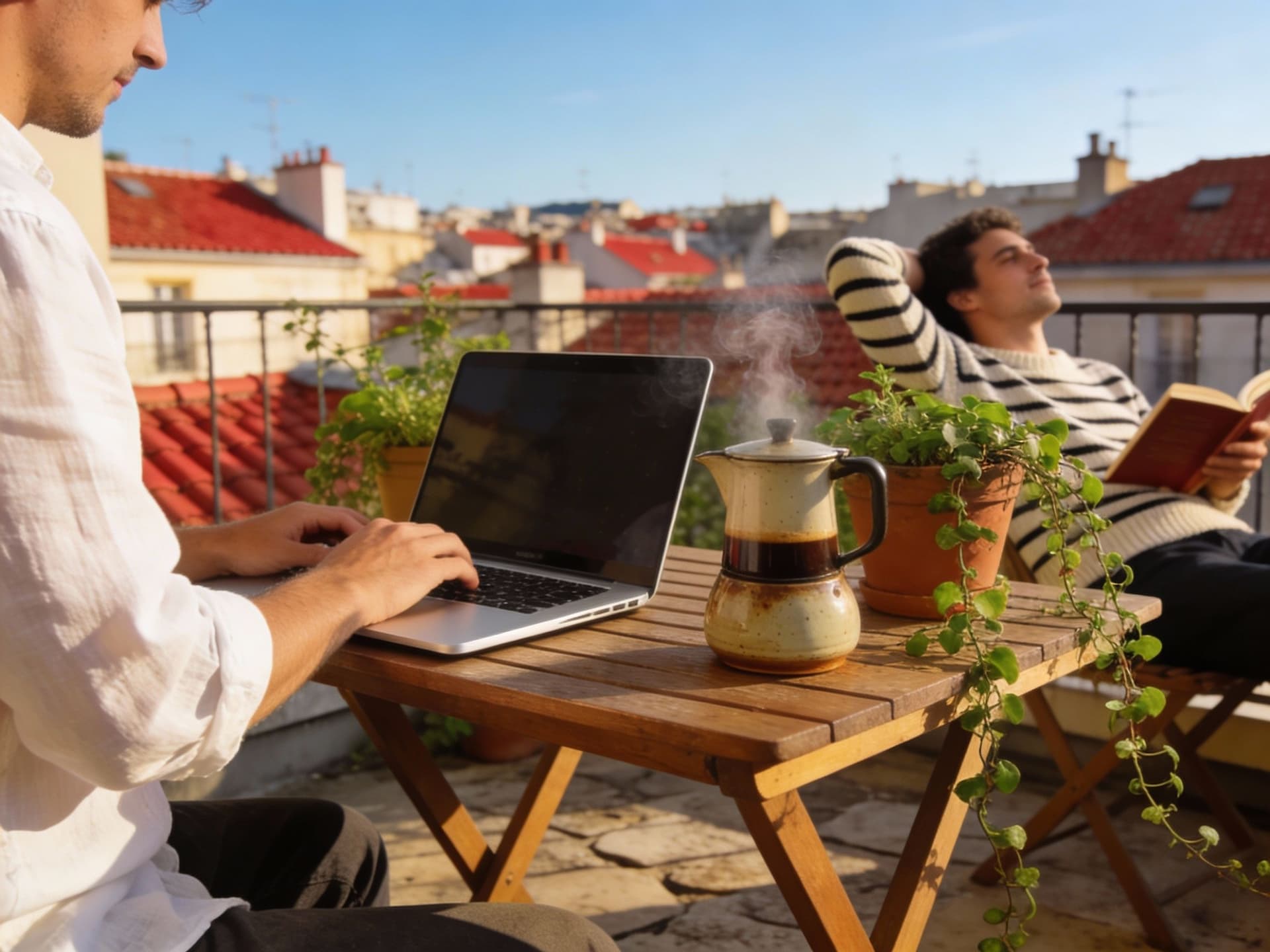
The romance of France meets a market that’s recently steadied. INSEE shows house prices returning to growth in Q1 2025, while notaires data point to a heterogeneous recovery across regions. That means opportunity: towns where locals buy can offer better value and lifestyle fit than headline cities, but you still need to match seasonality, commuting options, and internet performance to your nomad life.
Property types and how they'll shape your daily life
Stone village houses with shutters and small gardens feel like a postcard, but think about winter insulation and work‑from‑home comfort. Modern flats in cities offer faster fibre and concierge conveniences, but smaller outdoor space. A mid‑century town house near a train line blends both worlds—space for a home office, plus quick access to city amenities on market days.
Work with local experts who get lifestyle trade‑offs
Pick agents who know specific streets, coworking spaces and fibre availability—not just price per square metre. A local notaire will protect the legal side, a bilingual agent can smooth language gaps, and a property manager who handles short lets can make an investment flexible while you try life there. Treat agencies as lifestyle translators, not just salespeople.
- Six practical lifestyle + property steps
- Scout neighbourhoods in different seasons—markets, noise and light change dramatically between winter and summer.
- Ask agents about average download speeds and nearby coworking: fibre maps are a must for remote work.
- Prioritise walkability to daily needs: bakery, small grocery, café with sockets, and reliable public transport.
- Check local community calendars—fêtes, markets, and seasonal closures affect quality of life.
- Get a local property manager lined up if you’ll rent short‑term when away.
- Verify energy efficiency and insulation: stone charm comes with heating costs unless upgraded.
Insider knowledge: things expats wish they'd known sooner
Here’s the real talk most newcomers don't get until they live it: French bureaucracy is detailed but usually predictable; neighbourhood relationships matter more than glossy finishes; and seasonal life (August village closures, Saturday markets) defines social calendars. Knowing these cultural rhythms helps you choose a property that actually fits your life rather than one that just looks good in photos.
Language, community, and how to belong fast
You don’t need fluent French to live well, but simple phrases earn smiles. Join local associations—market volunteer shifts, book clubs, or a pétanque group—to plug into community life quickly. English‑friendly cafés and international meetups exist in cities, but smaller towns reward effort and curiosity more than convenience.
Long‑term lifestyle and value: what to expect
France’s market is patchwork: some coastal and mid‑sized cities saw recent growth, while others softened. Buying where locals buy—towns with year‑round life, steady transport links, and good services—tends to balance pleasant daily life with stable value. Notaires data show that many such metropolitan and coastal pockets are seeing renewed interest as buyers look beyond headline cities.
Conclusion: Fall in love, but check the map. France delivers a dozen different lives inside one border. Start with the life you crave—morning markets, surf breaks, hilltop dinners—and use local experts to align that life with realistic property choices. Scout streets in person, ask about fibre and winter heating, and let an agent who knows those blocks introduce you to both a house and the daily rhythm that will make it home.
Swedish, relocated to Marbella in 2018 to chase sun and property freedom. Focus on legal navigation and tax for Nordic buyers.