Buy in Italy During Truffle Season: Why Timing Matters
Why buying during Italy’s truffle and harvest seasons can help you secure better deals, test neighbourhood life and balance rental peaks with year‑round living.
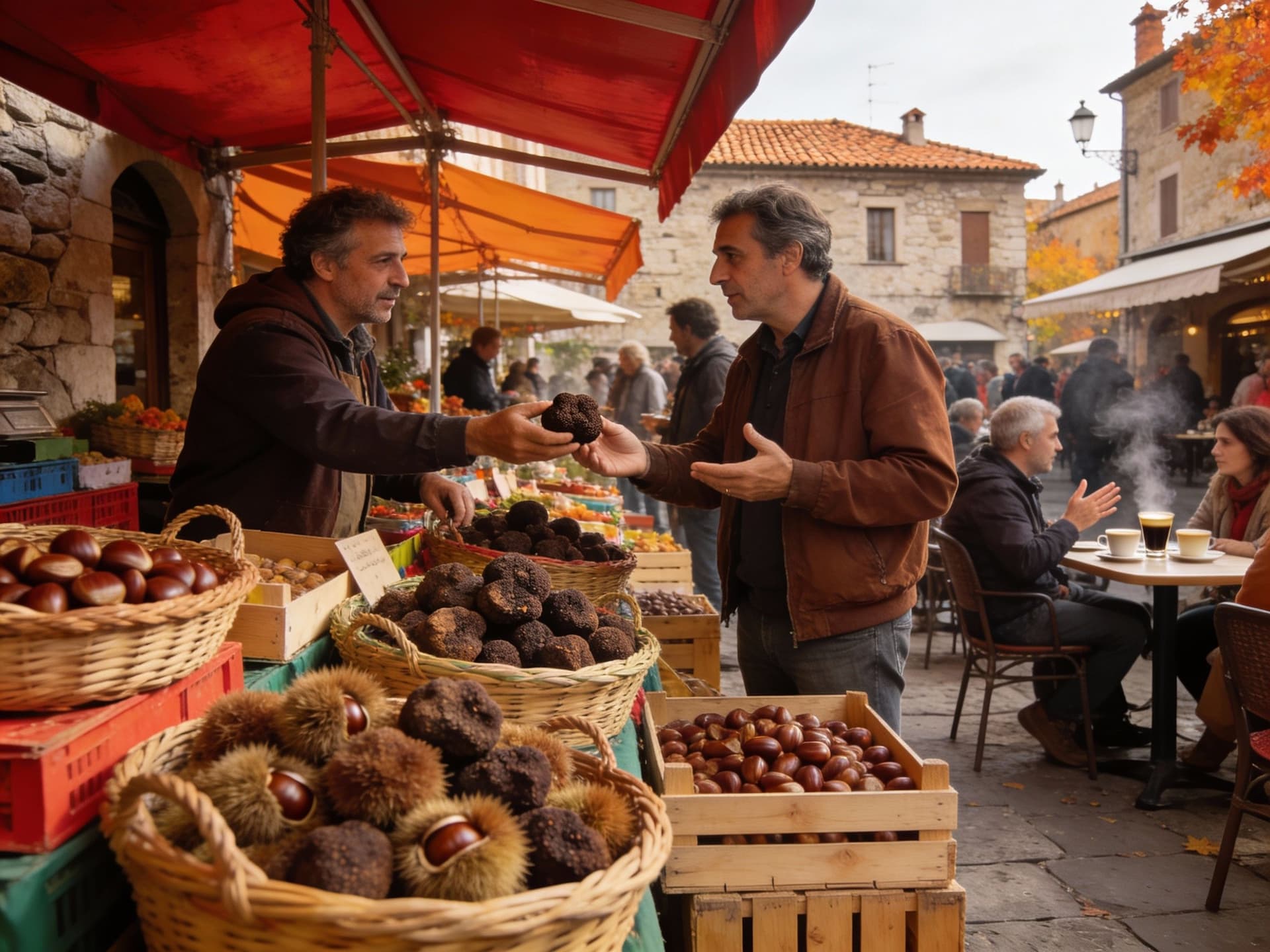
Imagine a crisp November morning in Alba: market stalls stacked with white truffles, espresso steam mixing with the smell of roasting chestnuts, and a narrow stone street where a renovated 18th‑century apartment looks out over rooftops. That smell of truffles is not just culinary theatre — it’s a season that reshapes life, footfall and, crucially, property opportunity. In Italy, certain seasons and local events create buyer windows most international nomads miss. This piece argues that buying in Italy timed to local seasons — especially truffle and harvest months — can yield lifestyle wins and tangible negotiation advantages.
Living the Italy lifestyle: seasons, streets and rhythms
Italy lives in seasons. From the slow, café‑lined winters of Bologna to the festival‑driven autumns of Piedmont, the calendar dictates when streets buzz, markets brim and locals claim public life. For an international buyer, that rhythm determines what a neighbourhood actually feels like — and how desirable it will be when you move in. Picture weekday mornings in Florence’s Oltrarno sipping a macchiato, afternoons in a coworking space near Santa Maria Novella, and weekends at a food festival where you meet the people who will become your friends.
Neighborhood spotlight: Alba, Langhe and the truffle circuit
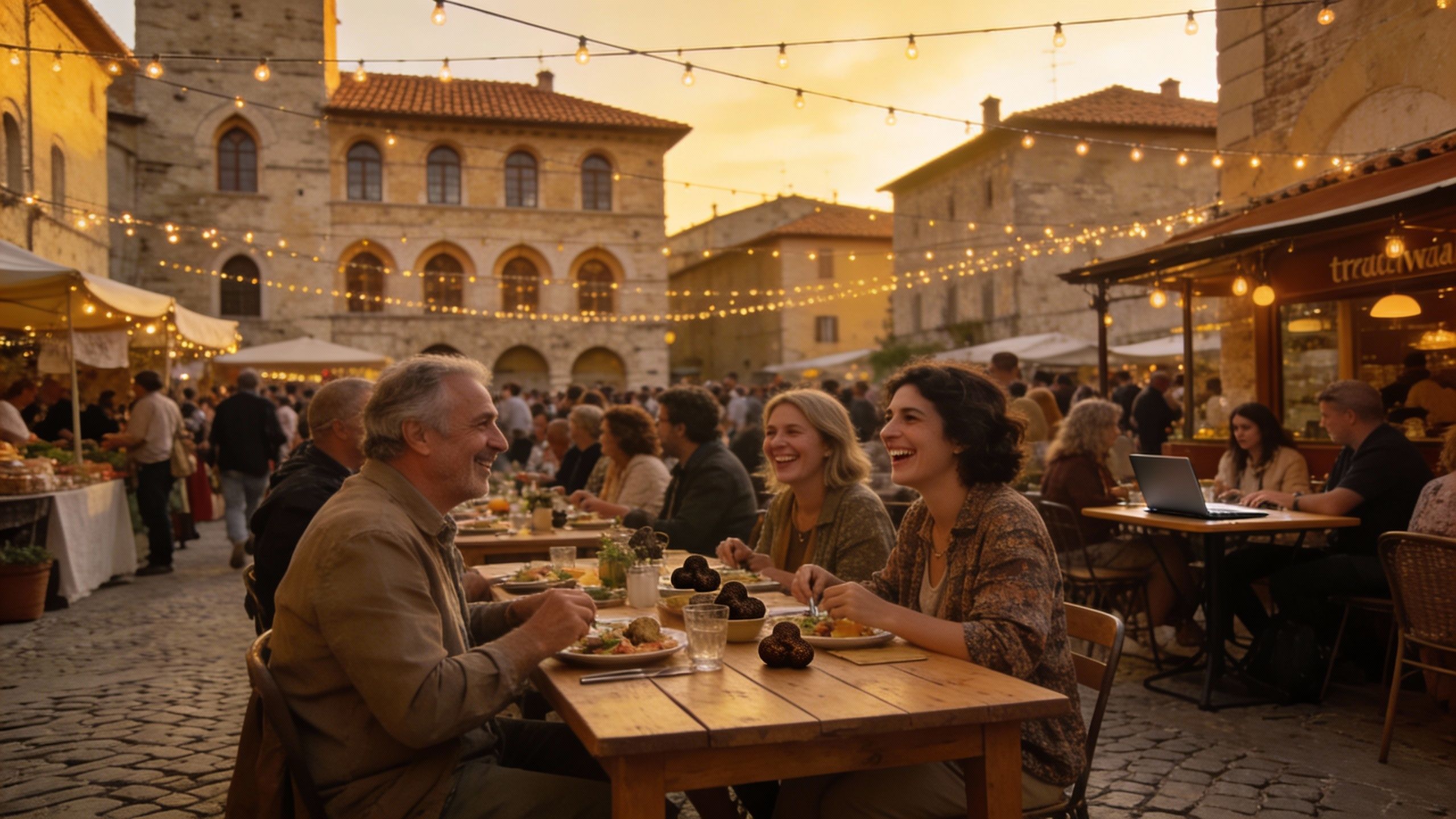
Alba is often written off as a seasonal playground for gourmets, but live here through autumn and you’ll see a full town economy spin around truffle fairs and wine tourism. Streets have bakeries open at dawn, family‑run osterie pulse with weekday trade and small apartments near Piazza Duomo rent well short‑term during festival weeks. If you want authentic community and steady visitor income, these micro‑peaks are gold — they keep cafés open year‑round and make owners price more realistically off‑season.
Food, markets and social life: where Italy happens
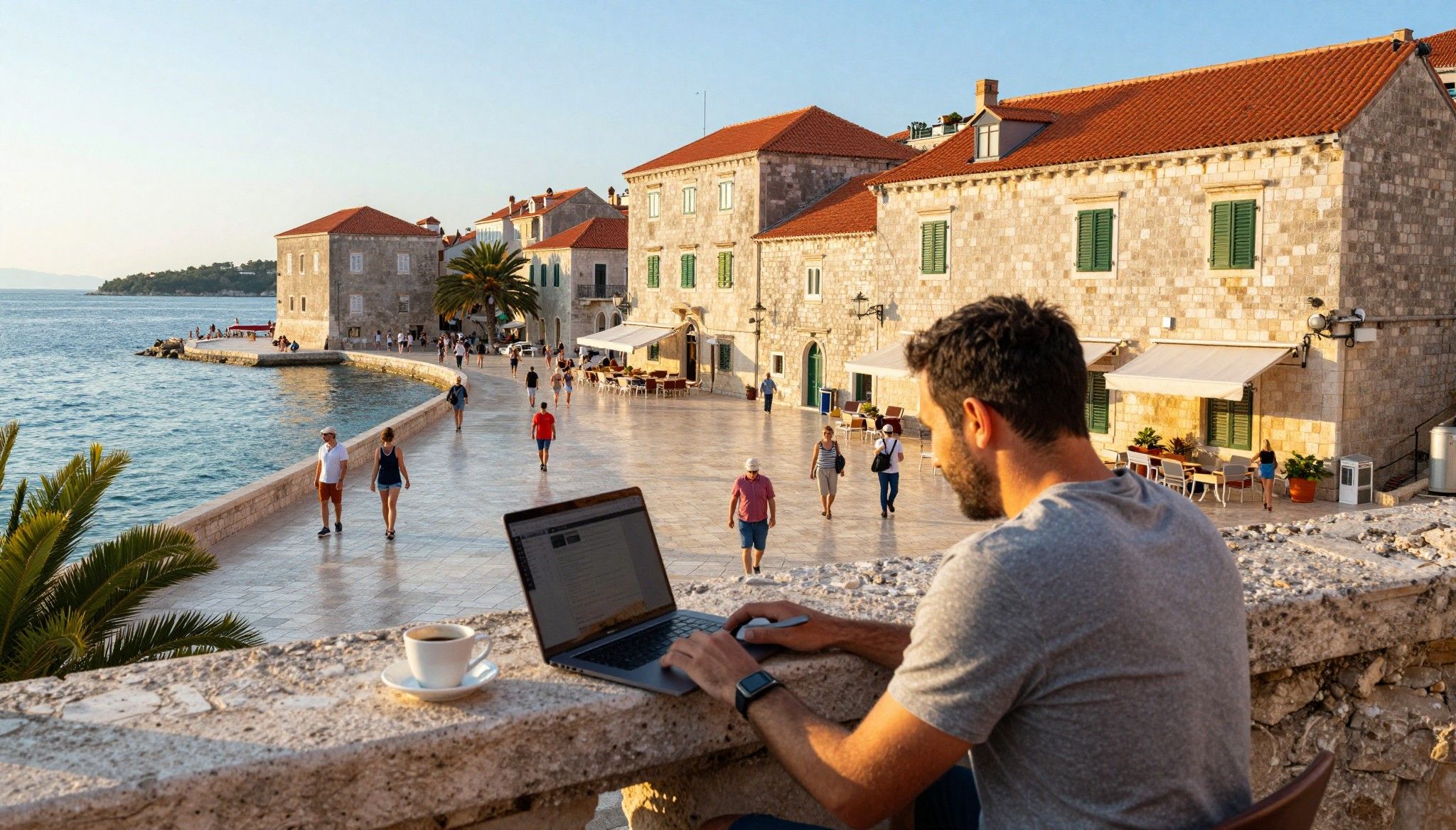
Markets like Florence’s Mercato Centrale or Palermo’s Ballarò aren’t tourist props — they’re community anchors. Buying near them means everyday access to fresh produce, impromptu friendships and a social calendar that fills faster than any app will. For remote workers, this matters: a short walk to a lively market equals a morning routine that keeps you rooted, while evening aperitivi build local contacts who’ll help with logistics like a trusted plumber or a reliable property manager.
Making the move: timing purchase to the season

The data backs a simple truth: demand ebbs and flows through the year. Official ISTAT figures show modest annual price increases in early 2025, driven mainly by existing properties, while industry reports note surging international buyer activity. Those spikes often align with festival seasons and harvest windows when towns suddenly fill with visitors and sellers test the market’s appetite. If you time viewings for the quieter months immediately after festival peaks, you’ll see the same home with fewer competing offers and more motivated sellers.
Property styles and how they fit your seasonal life
Stone apartments in historic centres give you instant atmosphere and walkability but can feel quiet in winter; a country farmhouse in Tuscany delivers outdoor space and garden produce but needs winter‑proofing and higher heating budgets. Coastal condos offer summer vibrance and coworking cafés, while inland hilltop homes reward you with dramatic light and quieter neighbourhoods. Match the property type to the seasons you want to live through — if you crave year‑round street life, pick a city borough with winter cafés and steady local commerce.
Working with local experts who know the calendar
Local agents who live the cycle — festival bookings, grape harvests, truffle weeks — will tell you which streets go quiet after the rush and which keep steady year‑round. They also know soft windows: weeks right after major events when owners are keener to sell rather than wait for next season’s crowd. Ask agents about recent off‑season sales and short‑term rental patterns during festival weeks; those answers reveal where lifestyle and price intersect.
- Practical tactics to time your purchase (lifestyle + negotiation)
- 1. Schedule visits immediately after truffle or harvest festivals — sellers are often more flexible. 2. Inspect utility and heating systems for winter readiness before committing. 3. Ask for a calendar of local events from your agent to spot demand spikes. 4. Compare short‑term rental yields during festival weeks vs off‑season to model income. 5. Negotiate with local owners who rely on seasonal tourism — they may accept lower offers off‑peak.
Insider knowledge: expat confessions and local quirks
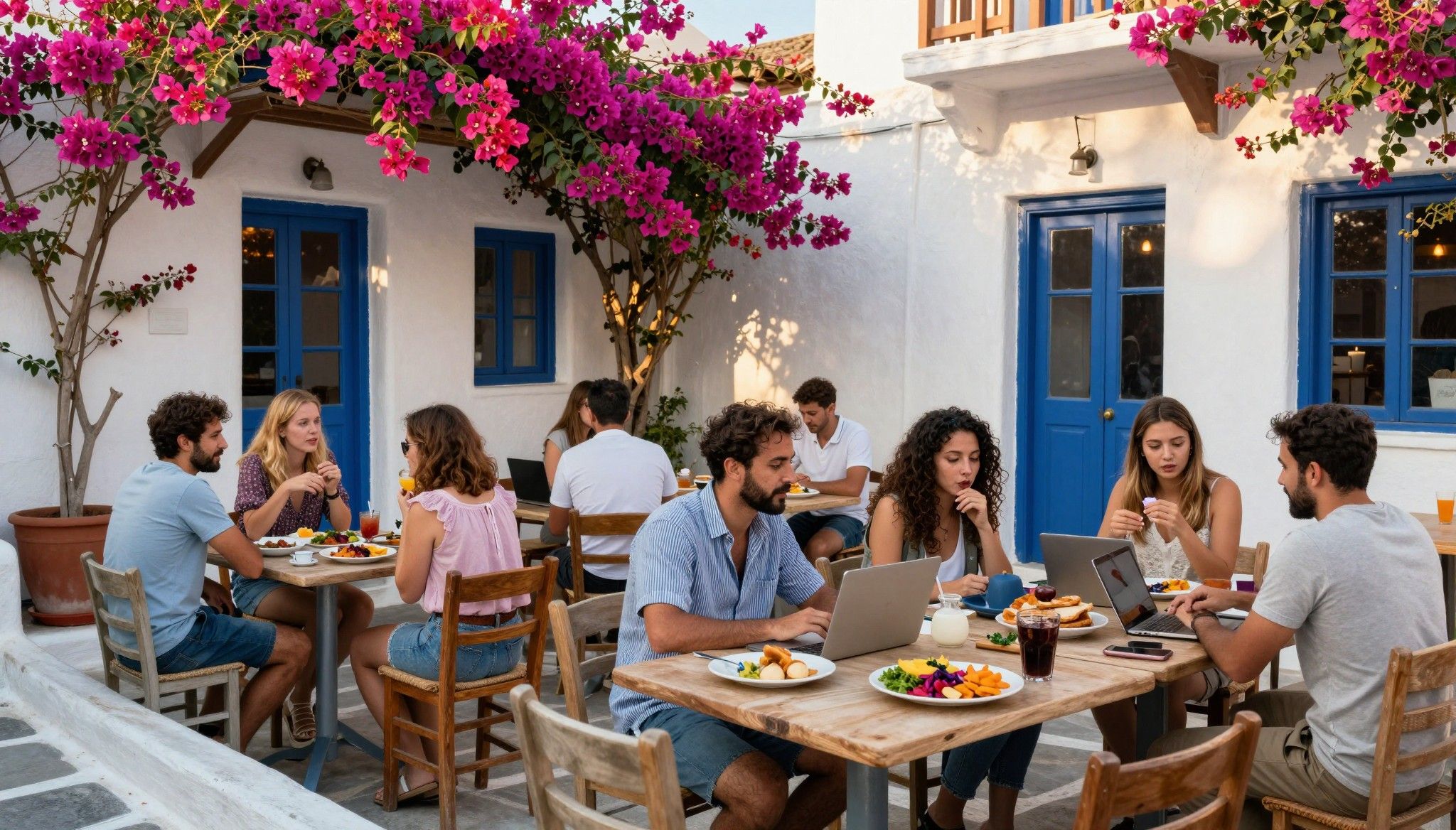
Expat veterans will tell you the smartest move is to live the season before you buy: rent through peak weeks and quiet months to see the full cycle. Many remote workers now combine Italy’s digital nomad visa with local living to experience both festival peaks and weekday work routines — recent reporting outlines visa rules and income thresholds for remote workers. That lived experience prevents the common trap of buying for peak‑moment Instagram sparkle without accounting for winter utility bills, noise cycles or local school terms.
Cultural quirks that shape neighbourhood life
Italian towns close rhythmically for riposo and festa days; this affects service hours, deliveries and coworking availability. Locals value long relationships with tradespeople — that’s how repairs and renovations move quickly and cheaply if you’ve integrated. Learn simple social cues: join the market’s regulars, show up for local concerts, and your agent’s suggestions become real friends who speed up paperwork and make practical life easier.
Looking ahead: long‑term lifestyle and property resilience
Italy’s market is diversifying: more international buyers are moving beyond big‑city luxury into mid‑market city flats and rural restorations, increasing competition but also broadening options. That means buying with a seasonal lens pays off: you can find undervalued homes in locally steady towns where lifestyle is rich but demand is not headline‑driven. Build resilience into your purchase by checking year‑round rental data, winter utility costs and the neighbourhood’s off‑season social life.
- Step-by-step season-smart buying plan
- 1. Rent first for 3–6 months covering a festival and an off‑season month to feel the cycle. 2. Gather local data: short‑term yields, off‑season occupancy, and recent sale prices. 3. Work with an agent who provides a neighbourhood event calendar and off‑season comparables. 4. Inspect the property in low season for hidden issues (damp, heating, service closures). 5. Negotiate after peak demand — use post‑event softness as leverage for price and repairs.
Conclusion: buy the life, not the festival postcard. Time gives you context — buy after you’ve experienced both the buzz and the quiet. Use seasonal insight as a bargaining tool and a lifestyle litmus test: if you still love the place when the truffles are gone, you’ve found something real. When you’re ready, local agents who know the calendar will be the bridge from dreaming to living — they’ll help you lock the home that fits your year‑round life in Italy.
Norwegian who has helped 200+ families relocate from Oslo to Spain; expert in relocation services and community integration.