Buy in Malta Off-Season: The Counterintuitive Advantage
Malta’s prices are rising, but off‑season house‑hunting (autumn/winter) uncovers motivated sellers, quieter viewings and negotiable deals—timing matters as much as location.
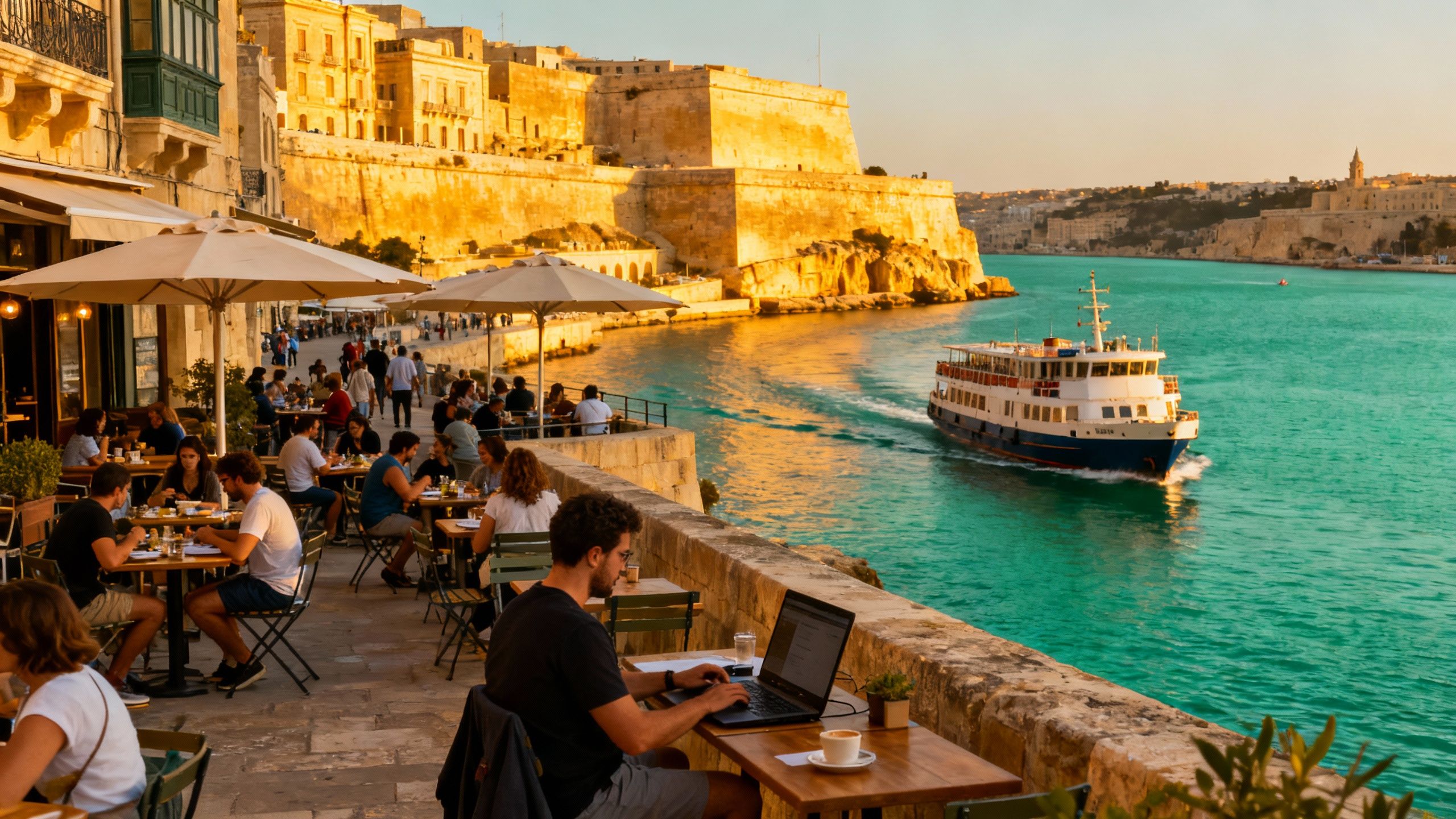
Imagine stepping out for a weekend espresso on Republic Street in Valletta, the sun warming limestone facades while a ferry horn ushers in the evening. Malta feels compact and theatrical: narrow streets, neighborhood cafés, rooftop terraces and turquoise bays a short drive away. For nomads it’s seductive — English works, cafés double as daytime offices, and community meetups are weekly. But the island’s property market plays by its own rhythm, and the smartest buyers time their moves around seasons, events and local quirks.
Living the Malta lifestyle
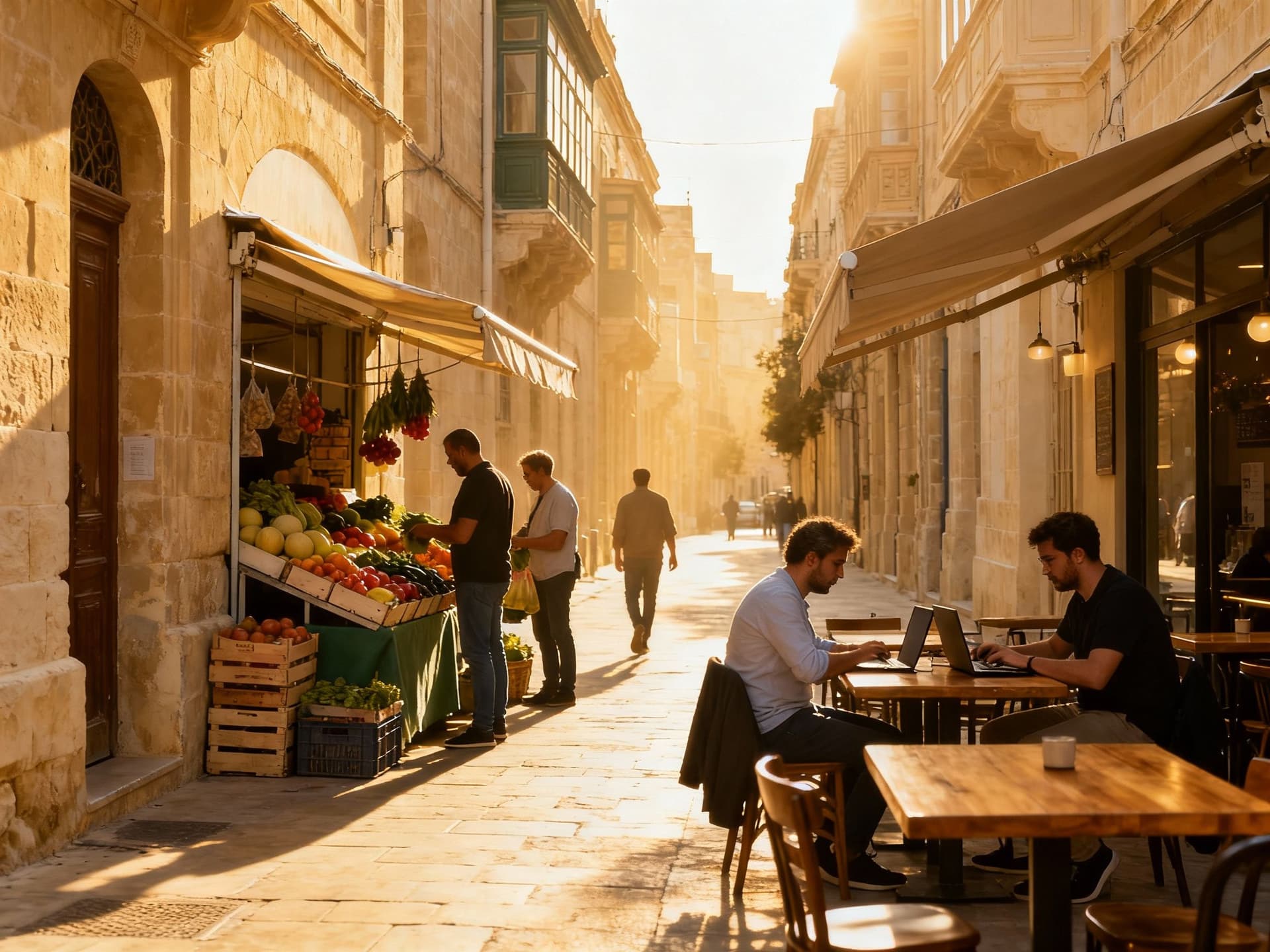
Daily life in Malta mixes Mediterranean routine with small‑island intensity. Mornings are for market runs — Marsaxlokk’s fish market at dawn, or the Sliema promenade for a quick sea jog. Afternoons pull people into cafés and coworking hubs in St Julian’s and Gzira, then evenings bloom with aperitifs, festa fireworks or a late walk through the silent citadel of Mdina. It’s a life that folds easily around remote work: strong social patterns, concentrated services and surprisingly diverse micro-neighborhoods.
Valletta, Sliema & St Julian’s: Energy vs. calm
Valletta feels like living in a museum where people actually live: mews restaurants, tiny galleries and cliffside views. Sliema has that busy promenade energy — cafés, shopping and ferries — great for people who want walkable conveniences and quick connections to coworking. St Julian’s (and nearby Paceville) is louder: nightlife, serviced apartments and high‑rise flats aimed at renters and investors. Each area serves a different nomad rhythm — choose where your day‑to‑day life should happen, not just where the postcard photo was taken.
Food, sea and weekend rituals
Weekends are farm‑market mornings and seabathing afternoons: try the gbejna and bigilla at a local stall, then head to Għajn Tuffieħa for a late swim. Food culture is intimate — family-run pastizzerias, wine bars tucked into narrow alleys and new chef‑led restaurants in Floriana. Festivals — village festas, the Malta Jazz Festival in Valletta or Isle of MTV’s summer buzz — reshape neighbourhood life and briefly inflate rental demand and prices.
- Lifestyle highlights to look for (and where to find them)
- Morning coffee on Republic Street, Valletta — historic charm and walkable errands
- Coworking and fast cafés in Gzira — a nomad-friendly daily loop
- Sea swims at Golden Bay or Għajn Tuffieħa — weekend nature minutes from many homes
Making the move: practical considerations (with a seasonal twist)
Lifestyle dreams are tempting, but Malta’s market data matters. The National Statistics Office shows residential prices rising year‑on‑year (RPPI up around 5–6% in recent quarters), so timing and neighbourhood choice change both cost and lifestyle. That said, seasonal demand creates windows for bargains — off‑peak months can deliver motivated sellers, quieter viewings and better negotiation power for buyers who know where to look.
Property styles: maisonettes, apartments and the Maltese soul
Traditional Maltese maisonettes — high ceilings, internal courts and shutters — are romantic and cool in summer, but may need retrofitted heating or insulation for winter comfort. Modern apartments in Sliema or St Julian’s offer rooftop terraces, plug‑and‑play internet and elevators — ideal for remote work. If you want outdoor space and quieter mornings, look to southern towns or Gozo where per‑sq‑m prices can be lower and terraces larger.
Working with local experts who know seasons and micro-markets
A local agent who times listings around festa seasons or summer rental peaks is invaluable. They’ll flag off‑market opportunities after holidays when owners decide to sell, or negotiate during the quieter winter months. Look for agencies with nomad-friendly credentials: experience placing long‑term remote renters, knowledge of broadband providers, and contacts for quick renovations or registration tasks.
- Six seasonal-smart moves for buying in Malta
- House-hunt in late autumn or winter when viewings are quieter and sellers are more negotiable.
- Target October–April for lower short‑term rental competition if you plan to move in or renovate.
- Avoid summer closing dates when rental demand and staging competition push prices up.
- Ask agents about festa calendars and local events — a village festa can temporarily inflate nearby rental rates.
- Check broadband options (fixed and mobile) before offers — connectivity varies by street and floor.
- When comparing prices, use quality‑adjusted indices (like NSO RPPI) not just listing averages to see true trends.
Insider knowledge: what expats wish they'd known
Expats often arrive enchanted and assume bargains are everywhere; the reality is nuanced. National indices show steady price rises, especially in the Northern Harbour region, so "cheap Malta" pockets exist but they’re smaller and require local knowledge. Many expats regret overlooking seasonal lifestyle costs — ferry season, festival noise, and summer service price surges — when choosing a neighbourhood purely on price.
Language, community and integrating fast
English is an official language so bureaucratic steps and daily life are straightforward for many foreigners. Still, learning basic Maltese phrases and attending local festa nights or community markets accelerates friendships. Coworking meetups in Sliema, Gzira and Valletta are great entry points — you’ll meet other remote workers and find local property leads faster than scrolling portals alone.
Longer term: expect steady demand and limited supply to keep pressure on prices. If you plan to rent out your home, summer yields are strong but require active management; winter months need different pricing strategies. Work with property managers who understand seasonal marketing and can pivot between tourist seasons and long‑stay nomads.
If Malta already feels like home in your head, time your move to match both lifestyle and market logic. Imagine waking on a quiet November morning in a Valletta maisonette — lower competition, easier negotiations, and a chance to remodel a rooftop for winter sunsets. Reach out to an agency that knows festa dates, broadband blackspots, and the winter seller market; they turn an island fantasy into a practical, well‑timed buy.
Swedish, relocated to Marbella in 2018 to chase sun and property freedom. Focus on legal navigation and tax for Nordic buyers.