Hilltowns Over Coast: A Nomad’s Case for Italy’s Value
Hilltowns in Italy often deliver better community, lower prices and work-ready connectivity than seaside hotspots—use a short-test stay and local experts to validate.
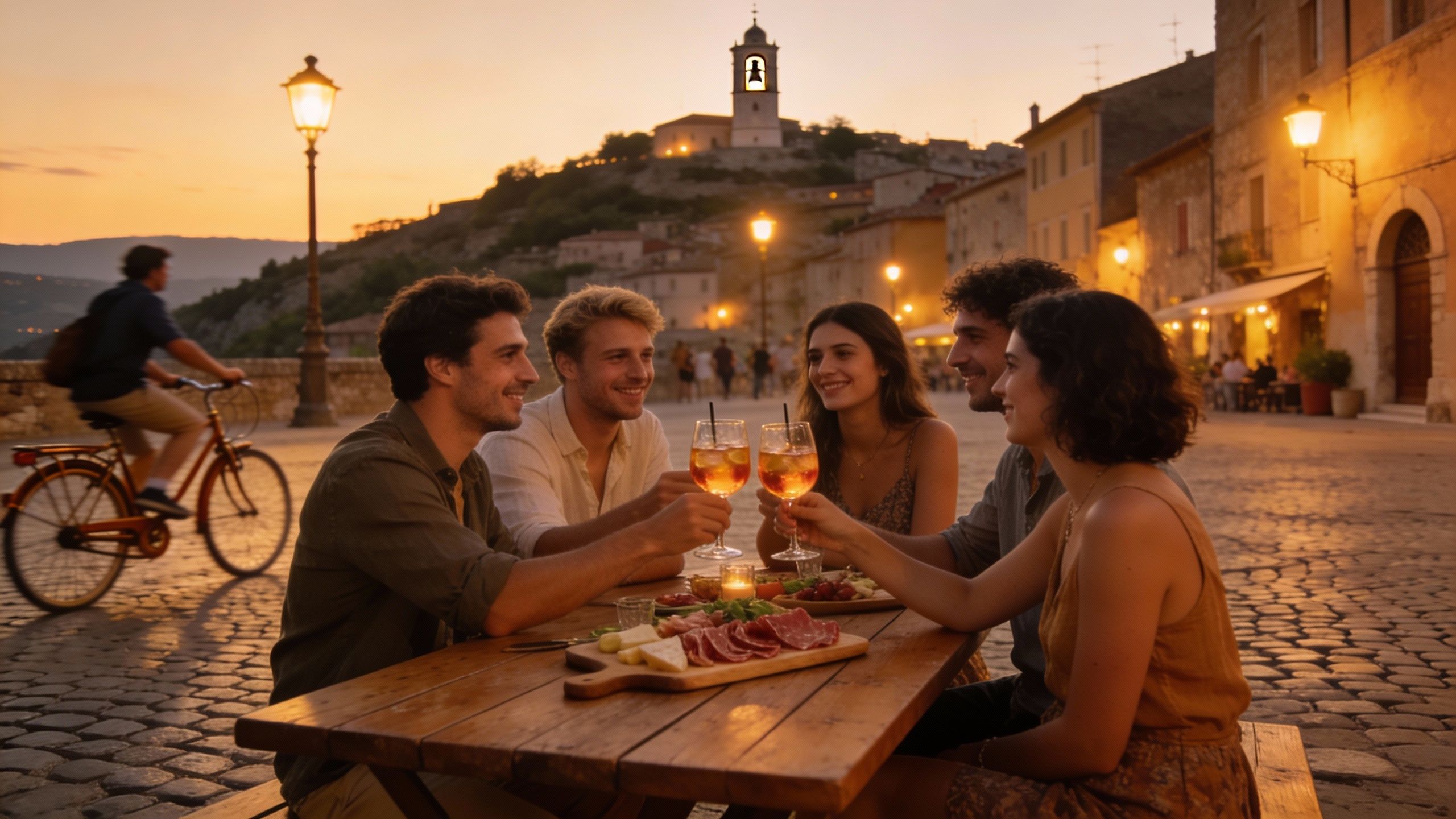
Imagine stepping off a regional train into a hilltop piazza at dusk — orange light on stone, a barista who already knows your name, a small grocery where figs are stacked next to local wine. In Italy that scene isn't only in guidebooks: it's everyday life in countless towns from Le Marche to Umbria. For many nomads and remote workers the coastal postcard is seductive, but the quieter hilltown rhythm often delivers better community, lower prices and surprisingly strong broadband — if you know where to look. This piece makes the contrarian case: why hilltowns, not beaches, may be the smartest lifestyle + property move in Italy today.
Living the Italian hilltown life
Hilltown living is sensory and social. Mornings begin with espresso and a paper by the piazza; afternoons are patched with slow errands and the occasional market bustle; evenings are communal, with neighbours gathering for passeggiata and aperitivo. Streets are smaller, which means less traffic noise and more pedestrian life — perfect if you want a walkable daily rhythm where everything you need is within a 10–20 minute stroll. For nomads who crave community and depth, these towns offer a cultural immersion that many beach resorts lack outside high season.
Where locals really live: Le Marche, Umbria, Abruzzo
Look beyond Tuscany’s postcard hilltops to Le Marche’s ancient streets, Umbria’s slow-food villages and Abruzzo’s mountain terraces. These regions combine authentic daily life — cafes, family-run markets, local festivals — with property prices often 30–60% lower than coastal Liguria or touristy Tuscany. That value shows up in regional price maps and local listing sites where per-square-metre averages remain comfortably below national city peaks, giving you more house for the same budget. Importantly, many towns have been quietly upgrading fiber and mobile coverage, making remote work practical without sacrificing charm.
Food, market rhythm and seasonal life
Weekends here feel like a local film: morning markets stacked with seasonal produce, a mid-afternoon espresso that stretches into conversation, and festivals (sagre) where whole towns celebrate chestnuts, truffles or porcini mushrooms. That seasonal calendar shapes property life — homes with cellars for wine, kitchens sized for family meals, and terraces that see most use in spring and autumn. If you love cooking, markets and a calendar of small cultural moments, hilltowns offer a lifestyle that beach life only imitates in peak summer.
Making the move: market reality meets lifestyle
Dreaming about a stone farmhouse is one thing; buying one is another. National data show modest house-price growth in 2025 with regional variation, and transaction volumes rising — meaning demand is real, but opportunity remains outside overheated coastal pockets. Use official indices to triangulate: national HPI numbers confirm steady interest, while local listings reveal where value persists. The practical takeaway: if you prioritise community, walkability and price-per-square-metre, hilltowns often beat coastal locations on total lifestyle ROI.
Property styles that fit nomad life
In hilltowns you'll find small apartments above shops, duplexes with terraces, and small stone houses with courtyards. These properties usually need less maintenance than a seaside villa and are easier to lock up when you travel. Prioritise a bright workspace (south-facing room), reliable internet (fiber or strong 4G/5G), and a kitchen that invites hosting. Renovation potential is common — think modern insulation and discreet heating upgrades rather than full gut jobs — which lets you add value gradually while living the Italian life.
Working with the right local experts
A local agent who knows these towns is worth their weight in espresso. They’ll understand micro-market quirks: which streets flood in heavy rain, where the fiber rollout is happening next, and which sellers expect off-market discreet deals. You'll also want a lawyer who reads cadastral quirks and a translator for municipal paperwork. If you plan to stay long-term as a remote worker, check visa routes — Italy has new remote-worker entry options and consular notes that vary by country — and talk to a tax advisor about residency before you sign.
Insider knowledge: expat truths hilltowns don't tell you
Real expats tell two surprising truths: one, hilltowns are seasonally quieter than coasts and can feel very local in winter; two, services scale slowly — expect fewer late-night supermarkets and sparser public transport. ISTAT’s recent HPI releases show regional price upticks but also that smaller towns remain more affordable, which explains why savvy buyers are shifting inland. The trick is to marry lifestyle expectations with practical fixes: a reliable car for groceries, a coworking day in the nearest city once a week, and neighbours who double as instant friends.
Cultural integration: how to find community
Show up for local events — volunteer to help at a sagra, join the bocce club, take a pasta-making course. Language helps but enthusiasm goes further: shopkeepers remember faces, not CVs. Many towns have small expat pockets and informal Whatsapp groups where someone always posts about a spare room or a recipe swap. These social steps turn an address into belonging and unlock the real benefit of hilltown life: long-term friendships that feel like family.
How life changes after year one
After twelve months you'll notice the rhythm: you'll know the market vendors by name, have a favourite bar for morning work email checks, and likely host a dinner for neighbours. Property-wise, modest renovations will feel like investments in life quality — better windows, a proper kitchen, a fast home office setup. If your plan includes rental income, hilltowns can outperform short-term seaside listings outside peak summer because longer-term rentals for seasonal workers and families are in demand.
- Lifestyle highlights in hilltowns (what sells the dream)
- Piazza mornings with fresh bread from a local forno and the barista’s smile
- Weekly markets where producers sell olives, cheese and seasonal fruit
- Walkable errands — pharmacy, post office, and a trattoria within 10 minutes
- Annual sagre that knit locals and newcomers together
- Affordable renovation potential and room to add value without luxury prices
Step-by-step: how to test a hilltown before you buy
- Spend 2–4 weeks living like a local: rent a small flat, shop locally, and test commute times to nearest city.
- Check broadband and mobile signal at different times of day; ask the town hall about planned fiber rollouts.
- Meet neighbours and shopkeepers; ask about seasonal life and the winter quiet — these are not sales spin.
- Work with a local agent who knows off-market listings and a lawyer to check titles and utilities.
- Decide on trade-offs: car dependency vs walkability, renovation timeline vs move-in ready comfort.
If you want a life that feels like belonging rather than a long vacation, consider an Italian hilltown. Market data show price growth with regional variation, but the real value is lifestyle: community, walkability and slower days that feed creativity. Next steps: shortlist two towns, spend a month living there, validate internet and services, and partner with a local agency who specialises in small-town listings. Do that and you’ll have both the daily life you crave and a property that makes sense both as a home and an investment.
Danish investor and relocation advisor focusing on Portugal and the Algarve; loves coworking culture and expat networks.