How Festival Season Reveals Underrated Italy
Use Italy’s festival seasons as a living market test: see which neighbourhoods hum year‑round, back impressions with recent market data and the digital nomad visa rules, and buy lifestyle-first.
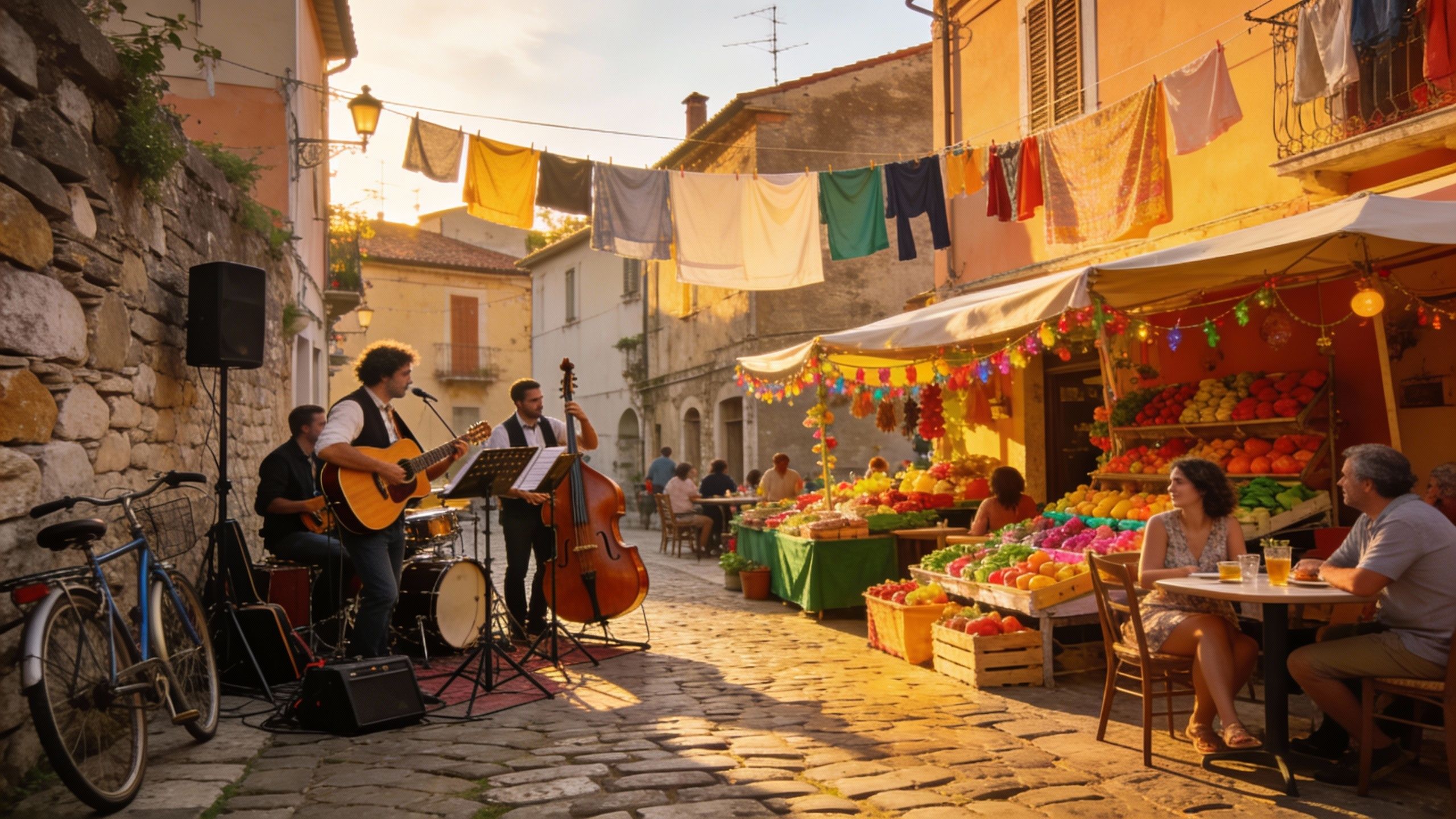
Imagine stepping out at 7am to buy fresh focaccia on Via Mazzini, laptop tucked in your bag, then joining a piazza coworking meetup under plane trees as a local brass band warms up for tonight’s festa. Italy’s streets hum with rituals — markets, aperitivo corners, Sunday passeggiate — that change by neighborhood and by season. For nomads and international buyers, festival season and local events can be a surprising way to discover undervalued pockets: you see how people actually live, where community forms, and which streets turn into livelihood hubs. Below I’ll show you how to read those moments — the smells, the music, the crowd — and turn them into practical buying signals backed by recent data and visa changes.
Living the Italian lifestyle — more than a postcard
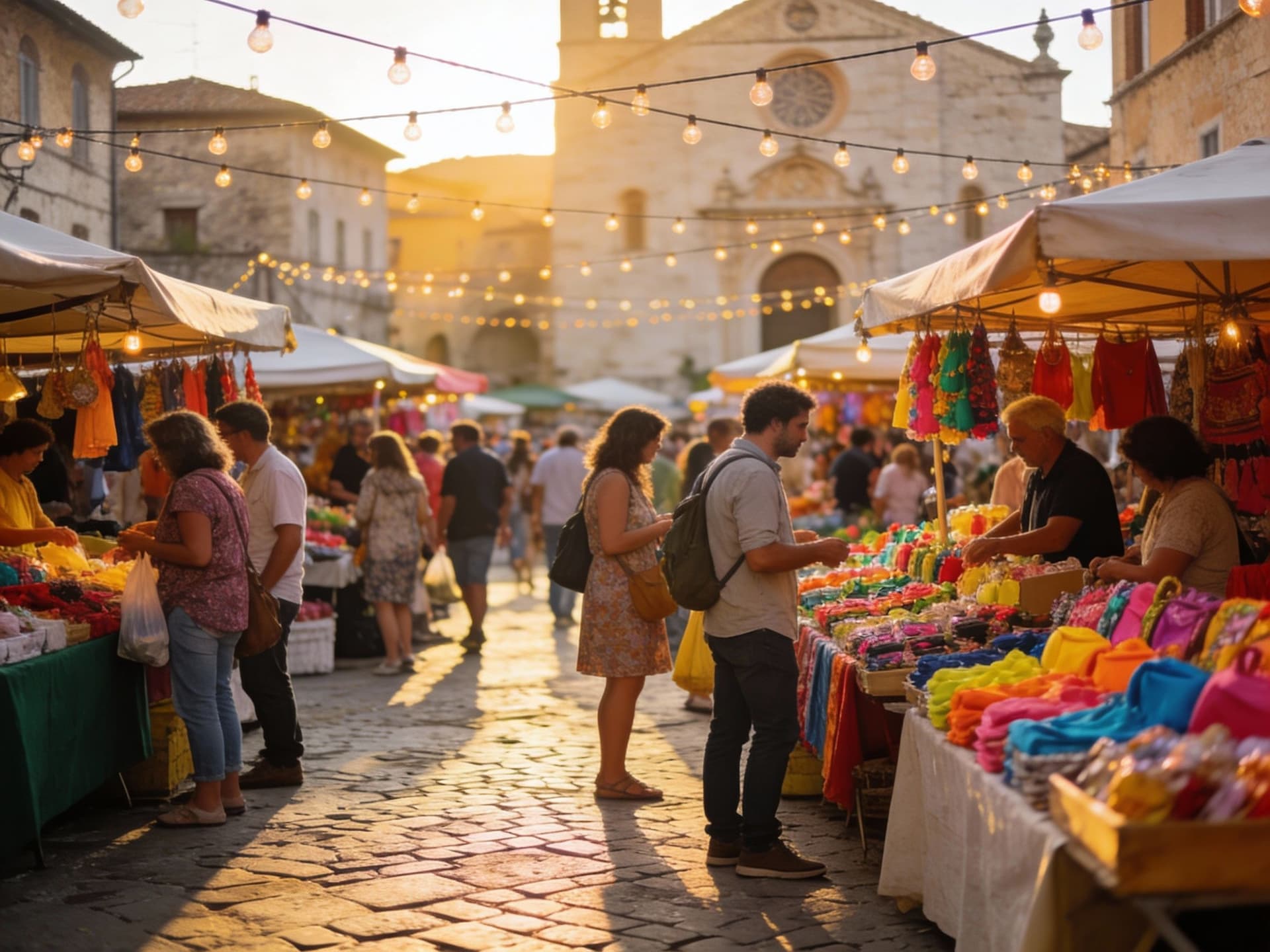
Italy is a mosaic: narrow historical lanes in Trastevere, surfable waves near Buggerru, and modern waterfronts in Naples. Daily life here privileges grazing—street markets at dawn, a long espresso between errands, and family-run osterie that know your order after two visits. The result? Neighborhoods are lived-in ecosystems, not interchangeable property blocks. And while national prices climbed again in 2024 across the EU, seeing communities in action tells you where value is hiding beyond headline averages.
Neighborhood spotlight: Bologna’s student streets vs. San Donato
Walk into Via Zamboni and you’ll feel student life: cheap cafes, late-night study groups and constant foot traffic — great for short-term rental yield but noisy for slow afternoons. Cross the ring to San Donato and you find calmer residential blocks, coworking hubs, and a real neighborhood vibe where locals buy groceries and linger. The lesson: proximity to culture doesn’t mean you must pay premium prices if you hunt the streets that locals actually use, not the tourist-facing postcard corners.
Food, markets and micro-seasonality
Season shapes life in Italy more than in many countries: truffle season in Alba, citrus harvests in Sicily, and festa dell’uva in tiny hill towns turn quiet lanes into commerce engines. When markets and festivals run, overlooked streets fill with pop-up stalls, new cafés test menus, and landlords rent short-term to visiting artisans — a perfect live-test for long-term demand. Spot the cafés that survive post-festival; they’re indicators of sustainable community, not flash-in-the-pan tourist traps.
- Neighborhood lifestyle highlights: • Morning markets: Campo de’ Fiori (Rome), Mercato Centrale (Florence) • Coworking + café clusters: Navigli (Milan), Oltrarno (Florence) • Festival hubs: Alba (truffles), Spoleto (classical festival) • Quiet value pockets: San Donato (Bologna), Pigneto side streets (Rome) • Coastal local life: fishing markets in Cefalù and local beach clubs
Making the move: lifestyle-led practicals
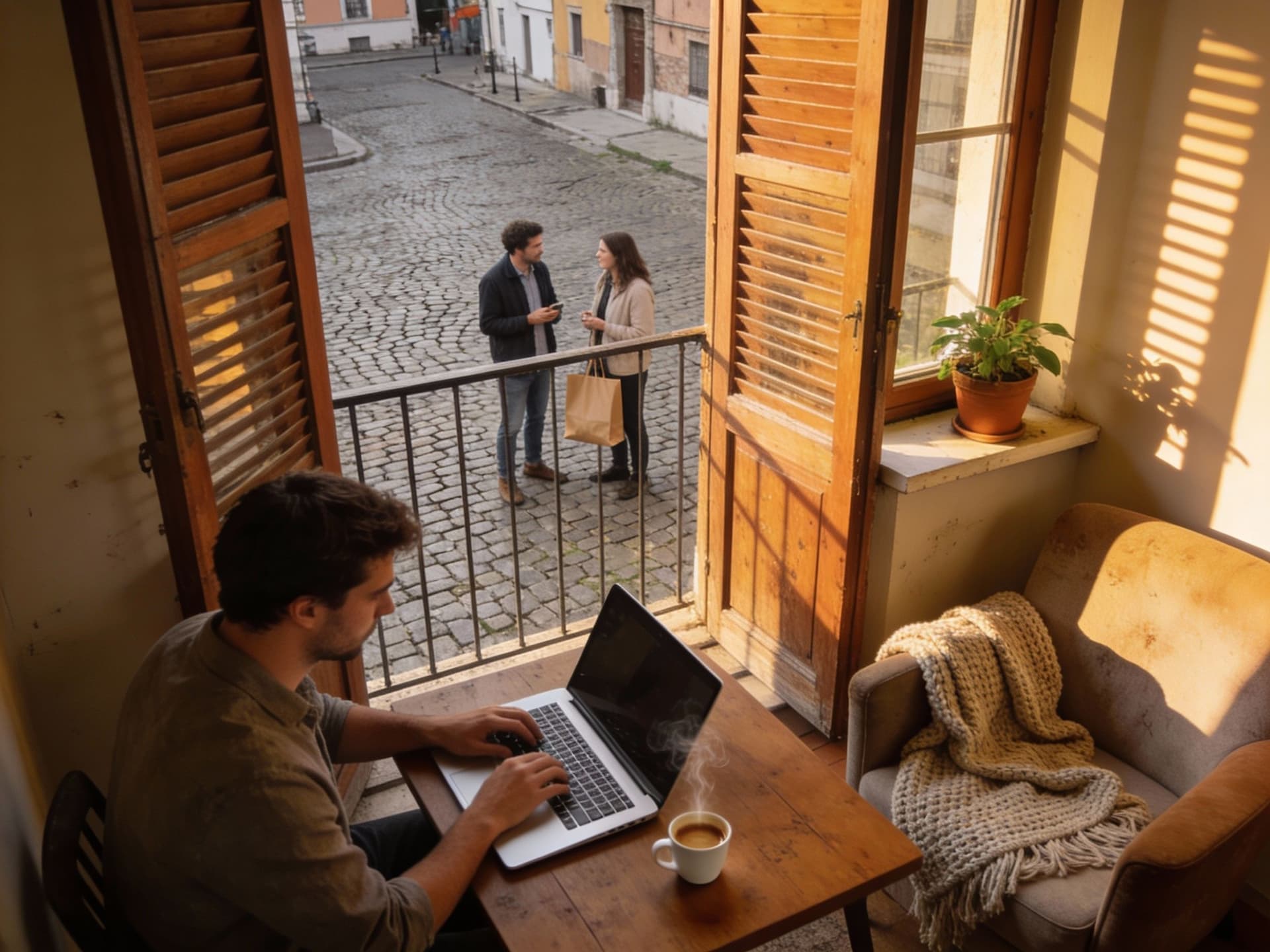
You can fall in love with a piazza and still make a smart purchase. Recent market reports show rising interest from foreign buyers and pockets of growth across regional cities — but local micro-markets matter more than national headlines. Use festival season as a low-cost field-research period: rent for a month, attend local events, meet shop owners and ask where they’d live. Pair that lived testing with market data and a local agent who actually knows which streets fill up during harvest and which quiet down in winter.
Property styles and how they fit nomad life
From compact centro storico flats with exposed beamed ceilings to new-build penthouses with fiber-optic internet, each property type answers a different nomad question. If coworking and cafes matter, choose walkable apartments near tram or metro lines. If you crave outdoor life, look for terraces and courtyards in Puglia or Liguria. Older stone houses may require renovation but often sit in villages where community festivals sustain year-round life — important for long-term satisfaction, not just Instagram moments.
Working legally from Italy is more straightforward than you might think now that a national digital nomad visa exists. The visa requires proof of income (around €28,000/year), health insurance and prior remote experience, which makes many nomads eligible to stay and settle while testing neighborhoods long-term. Factor visa timelines into your search: apply early, use short-term rentals during processing, and ask your agent about properties that ease residency registration (like clear rental contracts and local utility bills).
- Practical steps blending lifestyle + buying: 1. Visit during a local festival to observe real neighbourhood life and short-term demand. 2. Rent a month in two candidate areas to test morning routines, internet reliability and noise. 3. Ask local shopkeepers which streets are steady all year — they know true community anchors. 4. Use recent market reports and a specialised agent to compare prices per street, not just per city.
Insider knowledge: what expats wish they’d known
Expats often tell the same story: they buy where a view dazzled them and later wish they’d listened to how a place functions on a Tuesday morning. Festivals expose the infrastructure behind charm — whether municipal cleaning keeps streets usable, whether markets are year-round or seasonal, and whether neighbors form networks that support long-term living. Pair on-the-ground observations during event weeks with hard data (Eurostat and local market reports) to separate hype from sustainable demand.
Cultural integration and daily life
Learn basic Italian greetings and festival phrases — locals appreciate the effort and it opens doors to invitations and community advice. Expat meetups, language exchanges and neighborhood volunteering during festas are fast-tracks to friendships that make a place feel like home. Expect a relaxed pace: bureaucracy can be slow, but relationships accelerate practical tasks like utility setup or finding a trusted plumber.
Long-term lifestyle and property realities
Expect property seasons: tourist-heavy streets may inflate short-term rent, while off-season life shows the true resident profile. Recent reports show foreign buyer activity rising and improved mortgage conditions in 2025, creating openings in regional cities and southern towns. Think long-term: neighborhood resilience — shops, regular markets, year-round cultural life — matters more for happiness than a one-off sea view.
- Red flags to watch during festival scouting: • Streets that empty the week after an event — seasonal-only demand. • Properties advertised as “close to festival” that are actually on noisy side streets. • Cafés that close after July — indicates tourist-only business model. • Lack of reliable broadband signs (no fiber availability nearby).
- How to turn festival visits into buying advantage: 1. Time visits for festival setup and teardown days to see flow. 2. Speak to at least five locals about year-round life and service quality. 3. Check broadband (ask for provider names and real speeds) and public transport frequency. 4. Get a short-term rental contract that shows residency proof for visa or permit purposes.
Conclusion: buy the life, not just the postcard — then back it with data. Italy’s seasonal life and festival ecology reveal neighbourhoods early: you’ll see which streets hum in winter and which only sparkle in July. Use festival season as your immersive test-drive, pair your impressions with market reports and visa rules, and work with agents who read both community rhythms and price maps. Ready to find the street that sings year-round? Start by booking two short stays in different neighbourhoods during local festa weeks and compare what feels like home.
Danish investor and relocation advisor focusing on Portugal and the Algarve; loves coworking culture and expat networks.