Italy Isn’t Just Pricey: Affordable Nomad Pockets Revealed
Italy’s pricey reputation hides affordable, nomad‑friendly pockets. Data shows varied price growth and widespread fiber rollout — match lifestyle priorities to micro‑neighbourhoods.
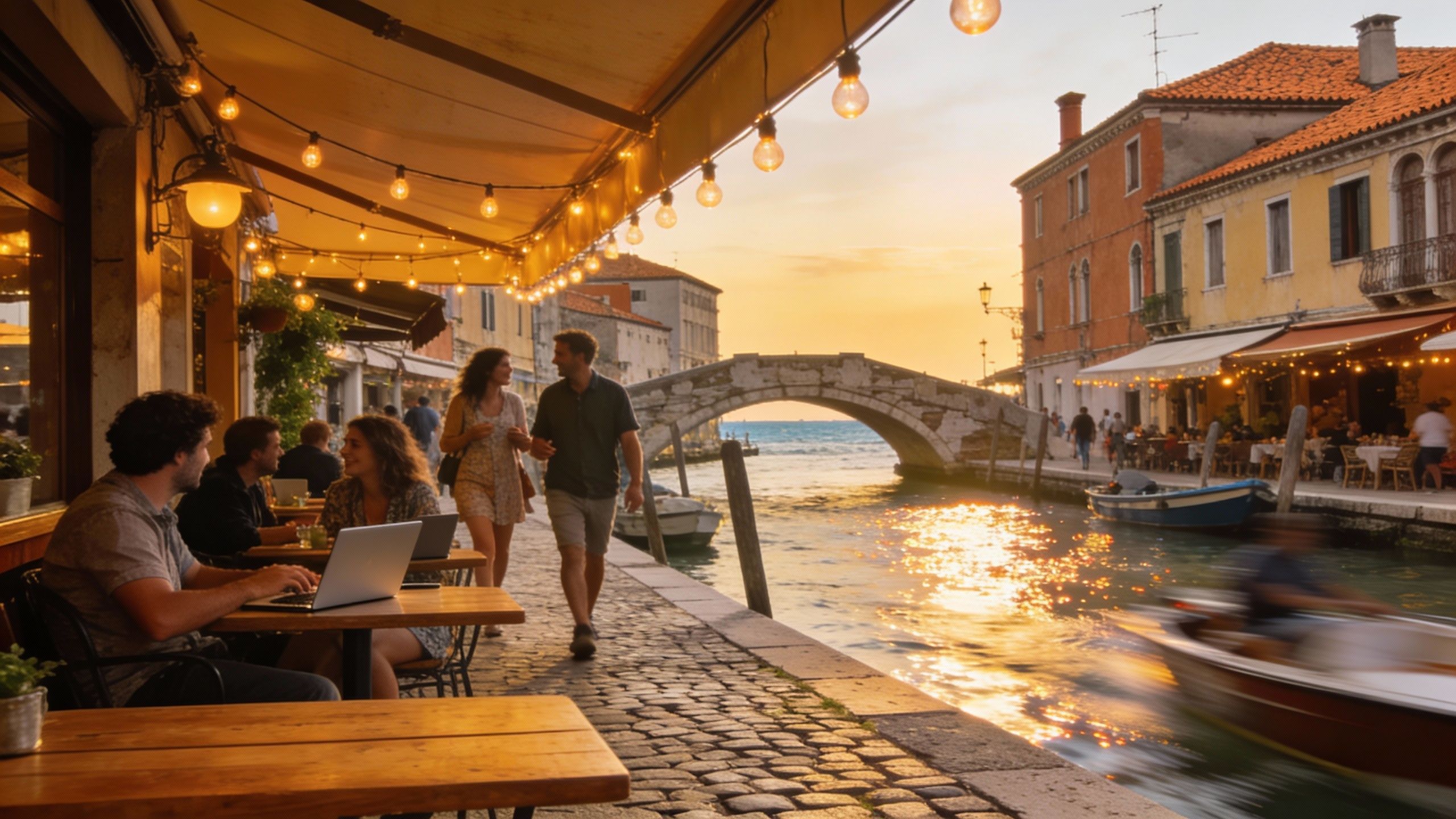
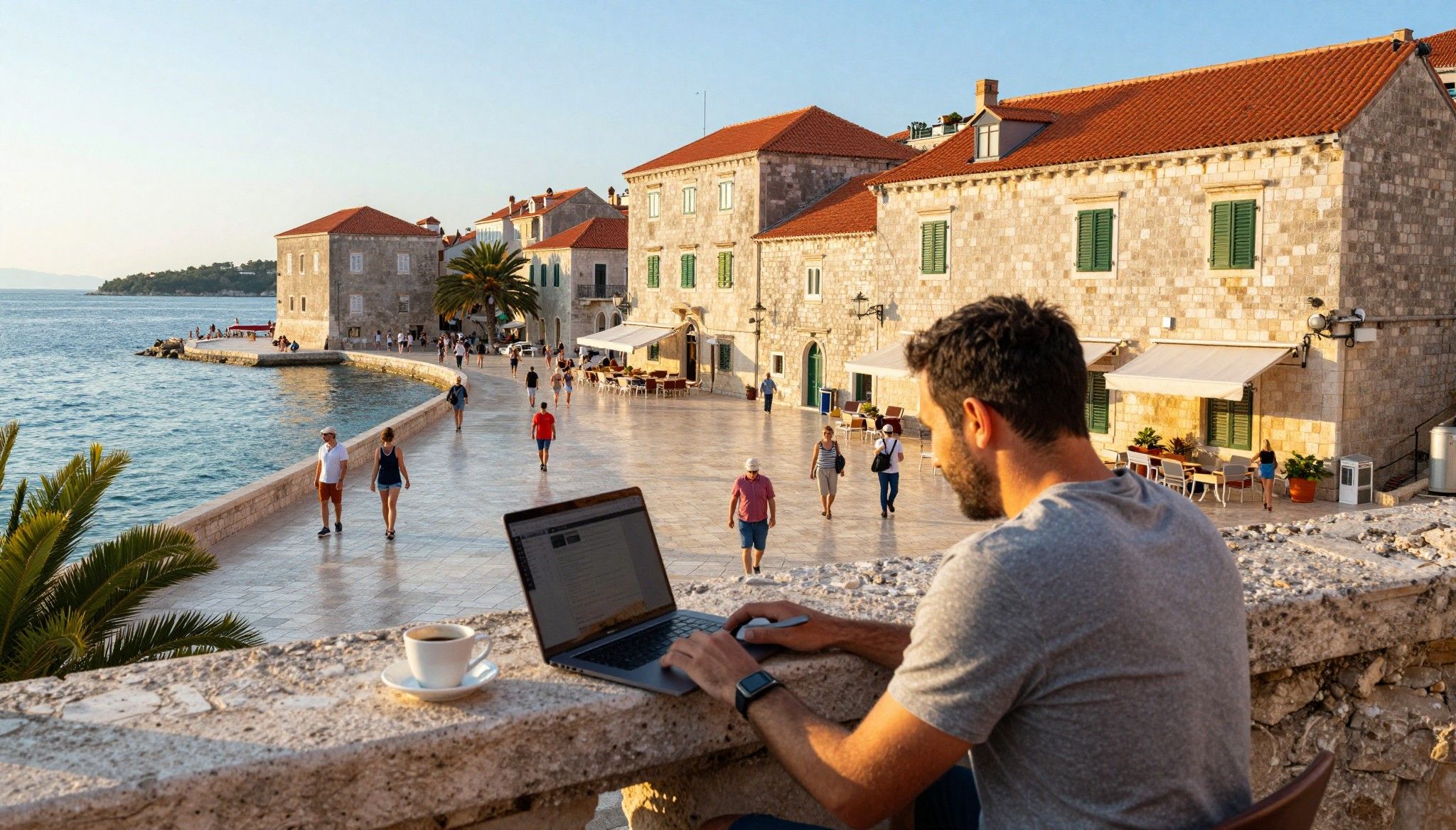
Imagine starting your day with espresso at a sun-warmed bar in Bologna’s Quadrilatero, answering a couple of Slack messages between sips, then cycling to a nearby coworking loft. Italy feels like a slow-motion film: morning markets, aperitivo at sunset, neighborhood piazzas that stitch people together. That everyday rhythm is exactly why nomads and remote workers keep falling for Italian life — and why the property story is more nuanced than the “only expensive” headlines suggest.
Living the Italy lifestyle
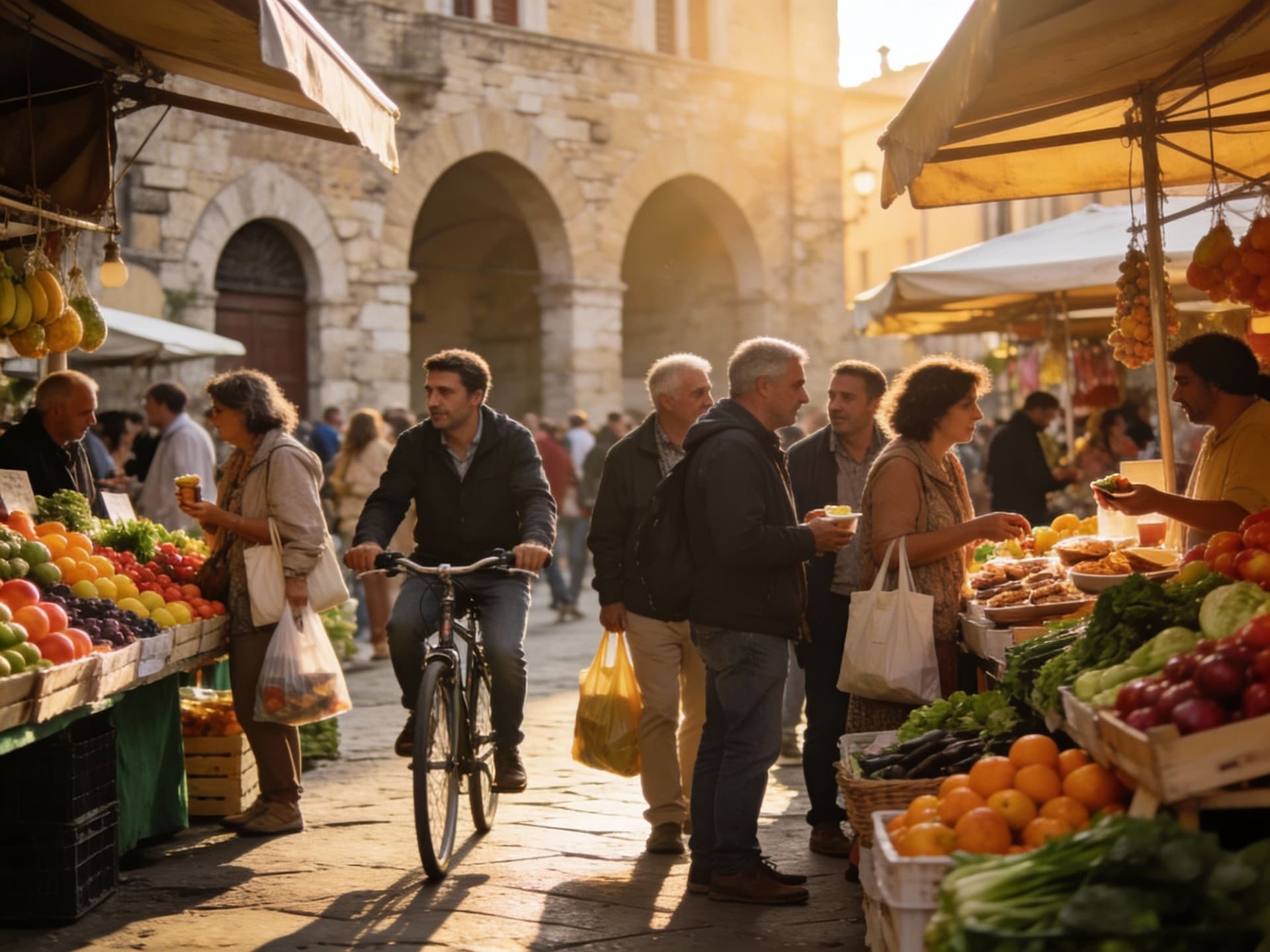
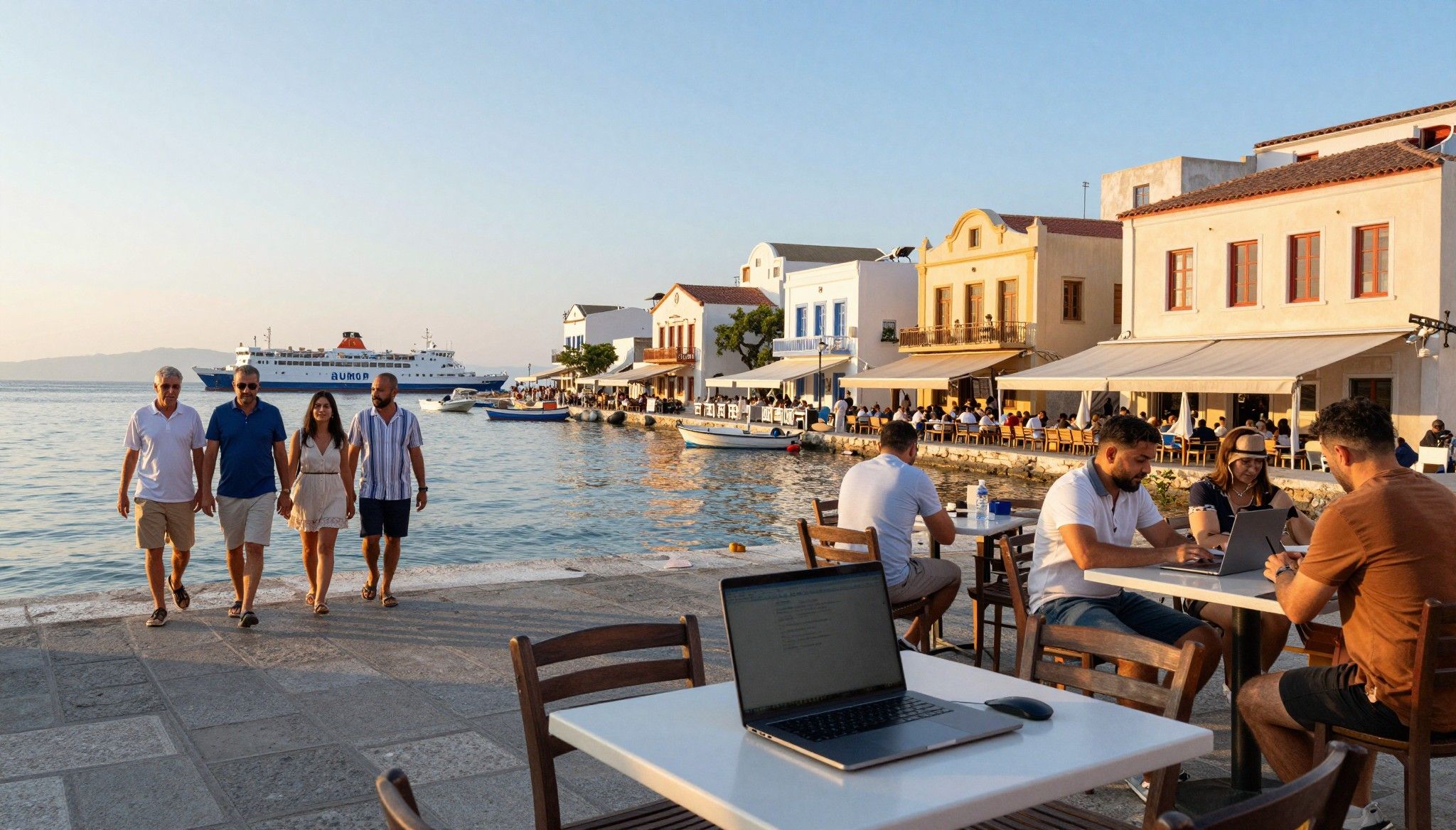
Italy is not a single vibe. Milan hums with espresso-fueled accelerators and sleek coworking floors; Florence smells of leather and late-afternoon Chianti; coastal towns like Polignano a Mare and Cefalù trade crowds for sunlit terraces and sea-breeze office hours. Daily life here blends ritual (market runs) with modern needs (fiber cafés), and that mix shapes where you’ll want to live and how you’ll use a home as both pad and office.
Neighborhood spotlight: Bologna’s Santo Stefano & Milan’s Navigli
Santo Stefano is my secret pick for nomads who want village warmth inside a city: cobbled alleys, family-run osterie, and excellent trains to Florence and Rimini. In Milan, Navigli gives canal-side aperitivi and a freelance crowd — the cafés double as daytime workspaces and evening networking hubs. Both spots prove a point: you can have local life and remote-work infrastructure together, if you choose the right micro-neighborhood.
Food, markets and the weekly rhythm
Weekends here are built around food. Morning market stalls (Campo de' Fiori in Rome, Mercato di Mezzo in Bologna) are where neighbors gossip and ingredients find their way into home-cooked comfort. For buyers, proximity to a lively mercato or a trattoria that doubles as a social anchor raises quality-of-life more than a dozen square metres ever could.
- Lifestyle highlights: local places that matter
- Morning espresso at Bar Gamberini (Bologna) — a casual coworking spot in the morning
- Sunset aperitivo along Naviglio Grande (Milan) — great for meetups and networking
- Saturday produce at Mercato Centrale (Florence) — excellent for hosting and seasonal cooking
Making the move: lifestyle meets property reality
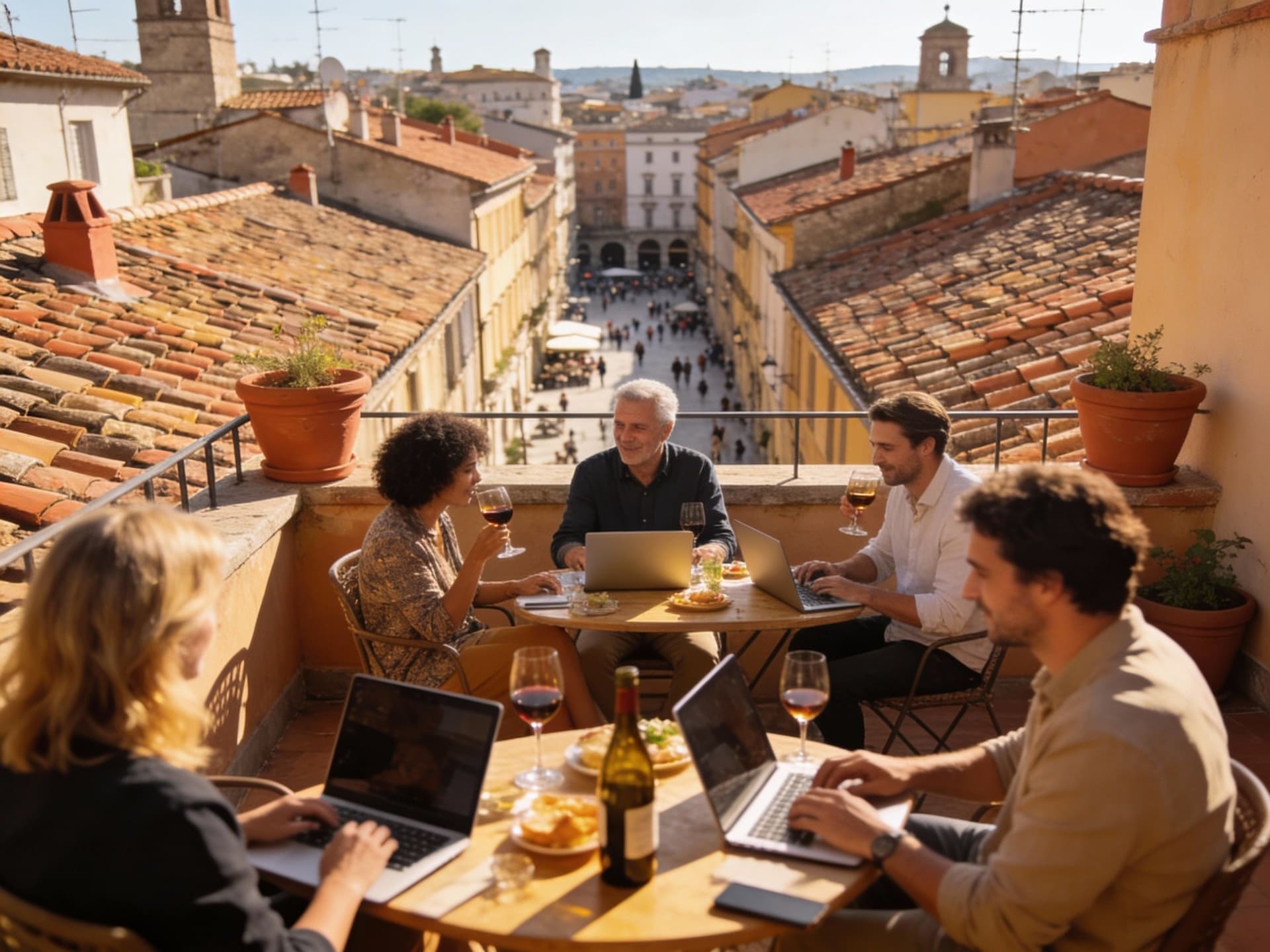
Let’s marry the dream to data. House prices are rising in many Italian markets — ISTAT reports a 4.4% year-on-year increase in Q1 2025 — but growth is concentrated in prime areas and tourist hotspots, while many secondary towns and inland pockets remain affordable. At the same time, Italy’s FTTP (fiber) rollout recently hit roughly 70% coverage, meaning many regions now support reliable remote work — a practical game-changer for nomads choosing where to buy.
Property styles and how they shape daily life
Old palazzo apartments have tall ceilings and character but may need heating and insulation upgrades to be comfortable year-round. Converted farmhouses (casali) offer outdoor space and privacy but often demand renovation and stronger internet installs. New-builds or renovated flats in mid-sized cities (Bari, Padua, Lecce) deliver plug-and-play comfort for remote work: fast fiber, air-conditioning, and modern kitchens — they let you spend weekends exploring instead of fixing radiators.
Work with local experts who know lifestyle tradeoffs
A local agency does more than show properties. They’ll flag which building blocks have reliable fiber, which street rejoices in market life, and where summer tourism swells the neighborhood. Choose agents who specialise in expat relocations or digital-nomad profiles — they’ll match your daily routine (coworking close by, café with plugs, weekend nature) to a realistic property shortlist.
- How to pair lifestyle with practical buying steps
- Survey neighborhoods in different seasons: week-long stays show true rhythms.
- Ask agents about fiber, municipal renovation incentives, and energy class certificates.
- Prioritise properties with flexible spaces for a home office (natural light, quiet street).
- Factor in seasonal rental potential if you plan to offset costs with short lets.
Insider knowledge: what expats wish they'd known
Real talk from buyers: the ‘Italy is too expensive’ myth hides opportunity. Prime pockets are pricey, yes, but many inland towns, university cities, and emerging coastal stretches offer strong lifestyle value and slower price growth. Experts note investor attention shifting from Milan to Rome and Tuscany’s luxury pockets heating up; for nomads this means targeted searches can uncover excellent value if you’re flexible about micro-location.
Cultural integration: language, routines and making local friends
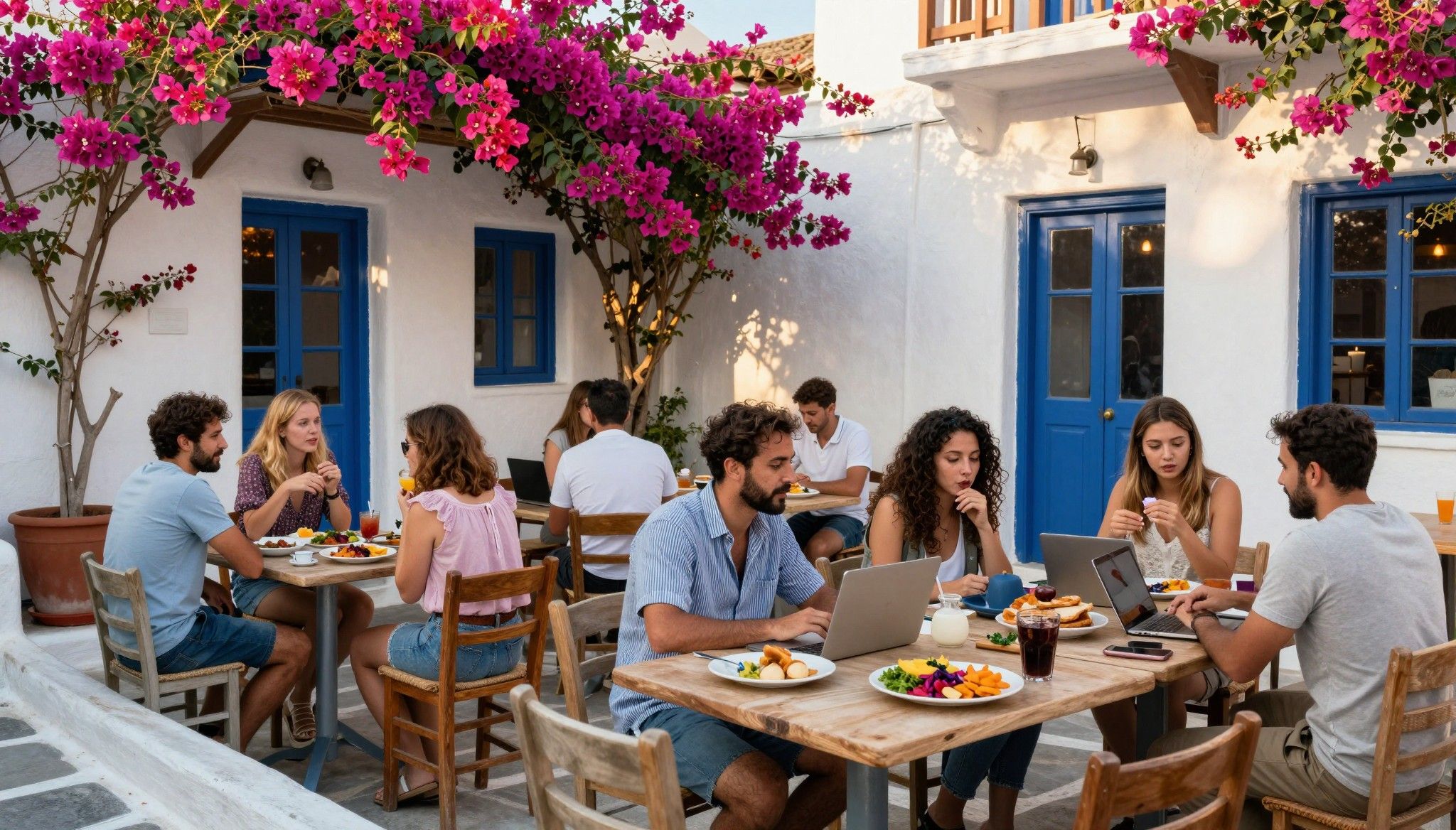
Italian friendliness is local by local. Learn basic phrases, join a cooking class, and show up at the same bar each morning — Italians reward consistency. Co-living meetups, language exchange cafés, and coworking events accelerate friendships. Expect bureaucracy to be slow sometimes; patience and a smile go a long way.
Long-term lifestyle considerations
Think beyond the purchase: energy upgrades, accessibility in historic cores, and local services (doctors, schools) determine whether a place becomes a year-round home or a seasonal retreat. If you love markets and community, small-town life can be richer and cheaper; if you need fast international flights and a startup scene, aim for Milan, Rome or Bologna.
1) Try a month-long stay in two candidate towns. 2) Ask agents for recent HPI trends on the exact street (not just the city). 3) Get a local surveyor to check energy class and roof. 4) Confirm fiber availability and local coworking options. 5) Budget renovation and seasonal management if you plan to rent — these small steps turn romance into a resilient move.
Italy offers rituals and rhythms most nomads crave: slow food, lively piazzas, and a pace that encourages real life beyond Zoom. If you pair that with practical checks — local fiber, energy efficiency, seasonal patterns and a trusted agency who understands nomad needs — Italy can be both more affordable and more joyous than you expect. Ready to fall for a neighborhood? Start with a scout trip, a local agent who specialises in long-stay buyers, and a week of coworking at a café you’ll actually want to return to.
Swedish, relocated to Marbella in 2018 to chase sun and property freedom. Focus on legal navigation and tax for Nordic buyers.