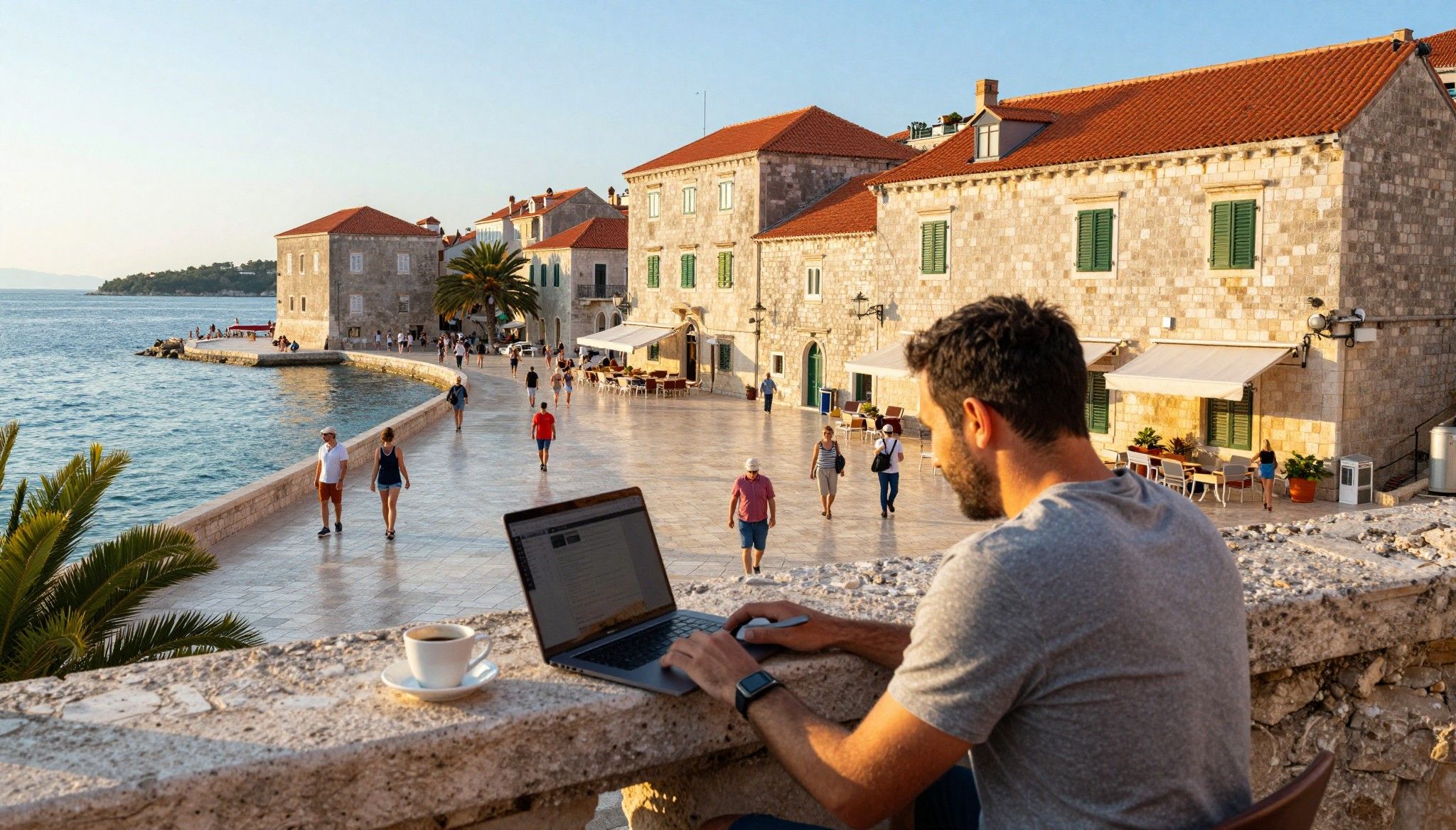
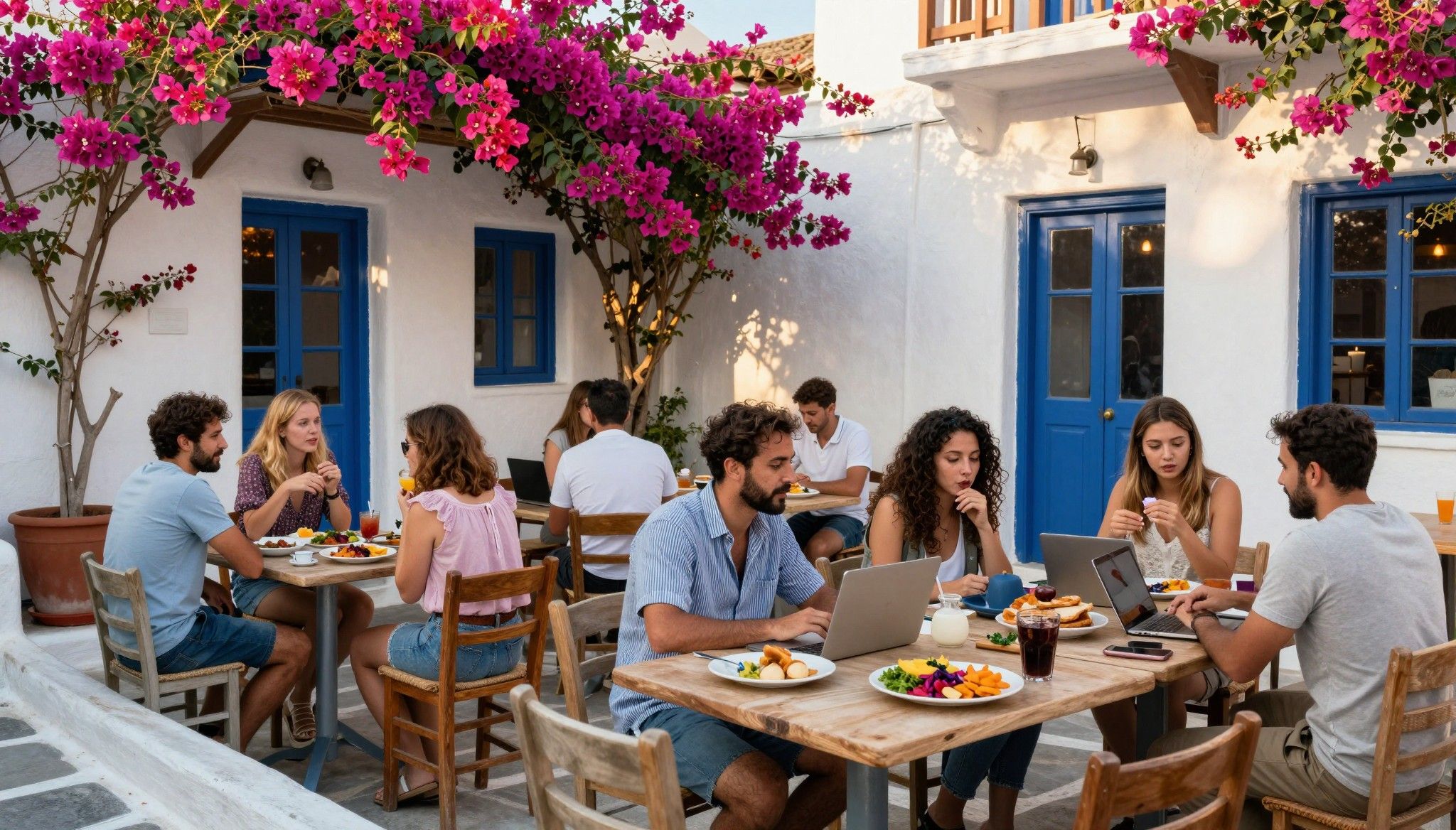
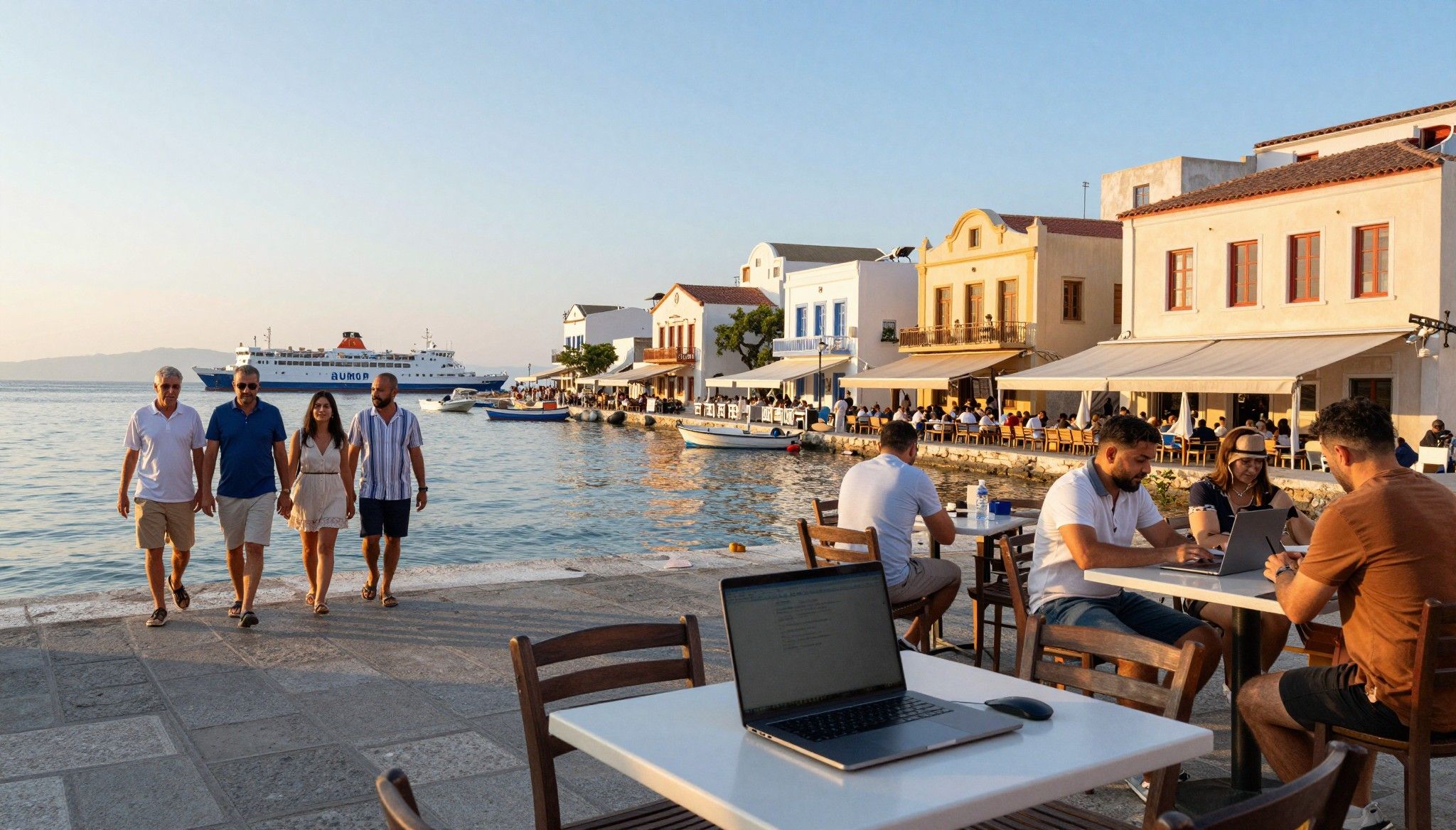
Piazza Life, Fiber & Seasonal Buys: Italy with Nomad Eyes
Italy’s romance is real, but smart nomads match piazza life with fiber, timing and energy upgrades — use season-aware buying and local experts to turn fantasy into sustainable living.
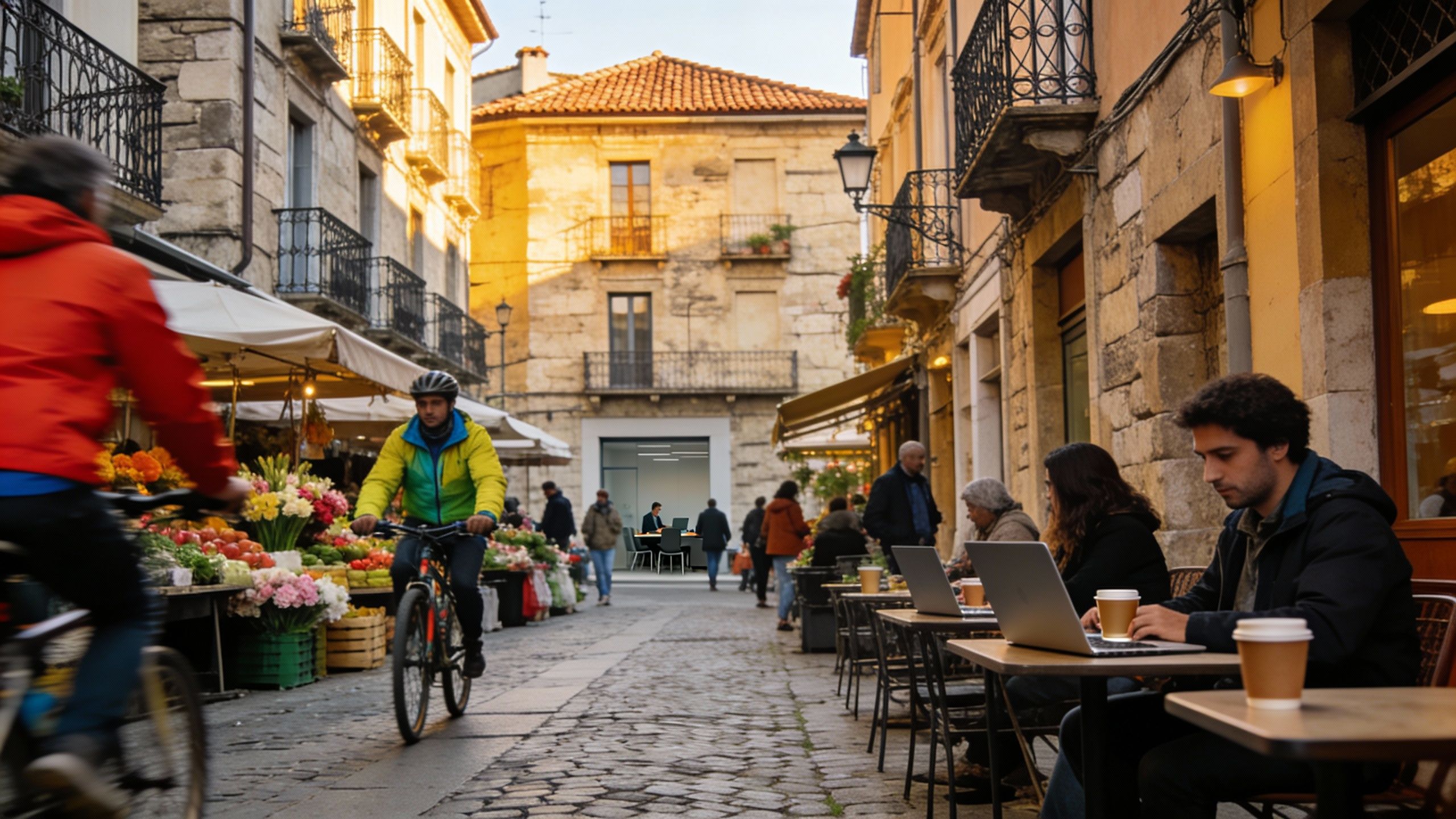
Imagine sipping an espresso on Via dei Coronari at dawn, laptop open, the church bells soft in the background — and then cycling to a coworking in Trastevere for an afternoon of focused calls. Italy feels cinematic for good reason: piazzas, mercato mornings, and neighbourhood bars where everyone knows your name. But the romance and the reality don’t always line up; lifestyle decisions — which city, which street, which season — shape both how you live and how a property performs. This article blends those scenes with hard facts so you fall in love — and buy smart.
Living the Italy lifestyle: mornings, markets and neighbourhood rhythms
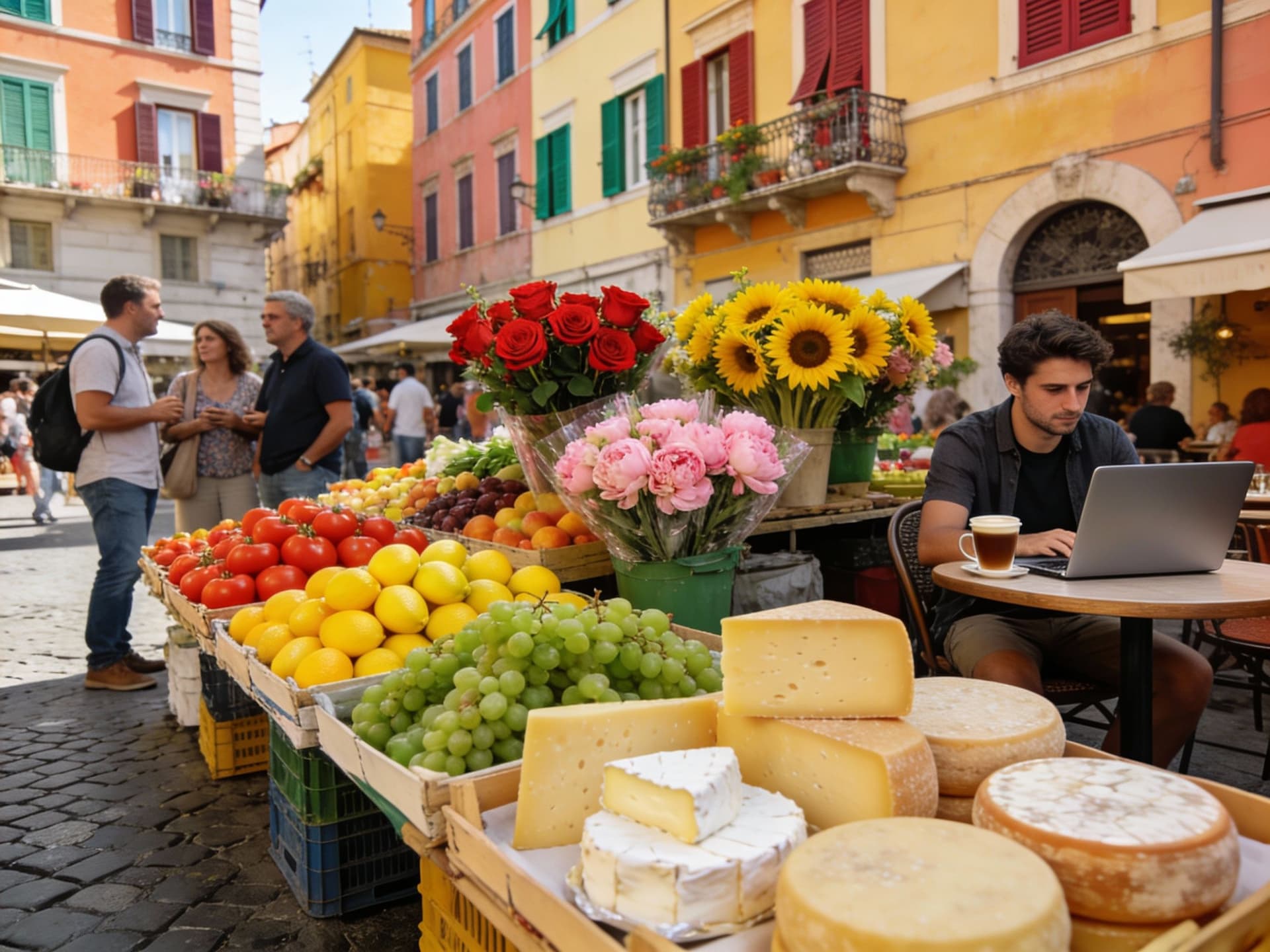
Italy’s daily rhythm is local-first. Mornings are market runs for fruit, cheese and fresh bread; afternoons quiet into riposo in smaller towns, while cities pulse late into aperitivo and dinner. Living here means choosing a tempo: coastal towns bring beach mornings and salty air, university cities like Bologna and Pisa bring youthful energy and cafes, and historic centres such as Florence and Rome offer museum‑at‑your‑doorstep living. Your ideal property depends on that tempo — a rooftop in Naples for sunsets, a Trastevere flat for social life, or a restored farmhouse in Umbria for slow weekends.
Neighborhood spotlight — Rome: Trastevere vs Prati
Trastevere smells of wood-fired pizza and jasmine; narrow cobbled lanes fold into lively squares where locals chat over a late espresso. Nearby Prati, north of the Vatican, is cleaner, quieter and more residential — better for remote work thanks to calmer streets and quick Metro links. If you crave evening social life, Trastevere’s piazzas will buoy your days; if you need regular fast internet and calmer evenings, Prati’s broad boulevards and modern apartments fit the bill. Consider commute time to your coworking, fiber availability, and energy class of buildings when choosing between charm and calm.
Food, ritual and seasonal living — where meals shape property choices
Food isn’t just dinner in Italy — it’s the gravitational center of social life. From the fish stalls of Porta Marina in Genoa to the truffle markets of Alba in Piedmont, neighborhoods with a strong market culture reward walking‑life and small kitchens. Seasonality matters: coastal towns boom in summer and quiet in winter, while cities like Milan and Bologna have steadier year‑round demand and better coworking ecosystems. If you want markets and restaurants on your doorstep, prioritize ground-floor flats near weekly mercato streets; if you want year-round rental demand, aim for city-centre apartments with good transport links.
- Liveable highlights to scout in person
- Walk to a daily market: Mercato di Testaccio (Rome), Mercato Centrale (Florence), Mercato di San Lorenzo (Milan)
- Morning coffee with fast Wi‑Fi: popular cafés in Navigli (Milan) and Oltrarno (Florence)
- Sunset terraces and sea air: Lungomare Caracciolo (Naples) and the Promenade in Salerno
Making the move: market reality, timing and property types
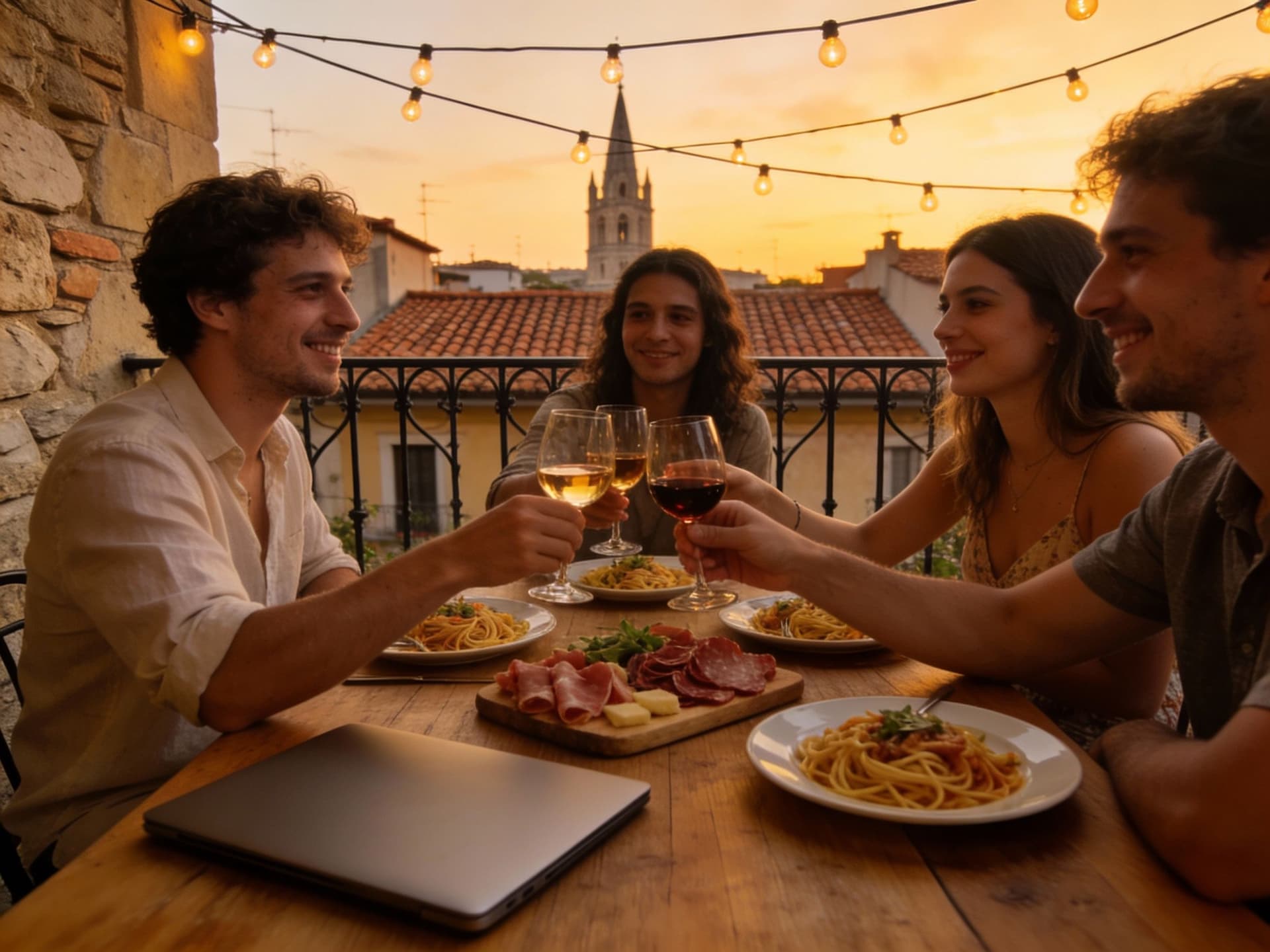
The market is calmer than the headlines suggest: prices in many cities rose modestly in 2024–25, but demand is picking and mortgage rates have become friendlier, nudging buyers back. Reports from sector analysts show steady city-level growth and strong rental demand in university and tourist hubs. That means two things for nomads: there’s opportunity in well-located city flats for rental or hybrid use, and renovation-ready properties with energy upgrades are gaining a price premium. Translate lifestyle choice into property type — compact city flat for coworking access, country villa for weekend escape — and plan renovations with energy class improvements in mind.
Property styles that match nomad life
If you work remotely, prioritize: reliable fiber or 5G coverage, a dedicated workspace, and buildings without noisy daytime tourism. In Milan and Rome, look for modern apartments with double glazing and energy class B or better; in smaller towns, a restored apartment near the piazza keeps you social and walkable. For longer stays or family moves, terraced homes and small villas in Emilia‑Romagna or Tuscany give space and community but check heating systems and insulation. Old charm is seductive — just budget for wiring, plumbing and energy improvements so your life is comfortable year‑round.
Working from Italy: visas, taxes and the practical checklist
- 1) Italy’s digital nomad visa launched in April 2024 and allows renewable stays for highly skilled remote workers; it requires evidence of income, health insurance and accommodation. 2) Apply at Italian consulates and expect to register for a residence permit within days of arrival — your agency or relocation partner can guide document prep. 3) Tax residency rules can be complex if you spend over 183 days; consult a cross-border tax advisor before you move to avoid surprises. Follow official visa guidance and plan consultation with an accountant who understands nomad taxation.
Insider knowledge: what expats wish they’d known
Here’s real talk: Italians value neighbourhood ties and hospitality, but bureaucracy can be slow and paperwork picky. Locals judge neighbourhoods by daytime life — bakeries, pharmacies, la posta — not by glossy listing photos. Many expats underbudget for renovations and building consents, especially in historic centres with strict heritage rules. Finally, seasons change everything: buy in summer and you may overpay in tourist hotspots; buy in late autumn and negotiate harder — timing matters.
Cultural integration and everyday life
Learn basic Italian phrases for markets and neighbourhood bars — it opens doors and invites invitations to dinner. Join language exchanges, cooking classes or local volunteer groups to meet Italians beyond the international bubble. If you’re in a university city, student events and cultural festivals are fast ways to plug into community life. Remember: Italians prefer relationships before transactions, so invest time in real conversations; your local agency should introduce you to neighbours and tradespeople.
Longer-term lifestyle moves — what grows well here
- 1) Upgrade for efficiency: retrofit heating and insulation for winter comfort and resale value. 2) Balance tourist vs local districts: buy slightly off the beaten path for community and price‑resilience. 3) Secure reliable remote‑work infrastructure: confirm fiber/5G, quiet rooms and nearby coworking. 4) Build relationships with a local notary, accountant and a bilingual agent before you sign.
Before you fall hard for postcard views, pause and do three practical things: visit in the season you plan to live in, test your work setup from the apartment, and ask for recent energy certificates and condominium minutes. Work with an agency that understands nomad needs — fast internet, community, and hybrid rental potential — and can introduce reliable craftsmen who speak your language. When you pair lifestyle imagination with practical checks, Italy stops being merely dreamy and starts being your next life.
Swedish, relocated to Marbella in 2018 to chase sun and property freedom. Focus on legal navigation and tax for Nordic buyers.