Italy’s Price Myth — Where Real Bargains Hide
Italy’s romantic image hides huge regional price gaps and off‑season bargains — combine lifestyle scouting with visa and market data to buy smart in 2025.
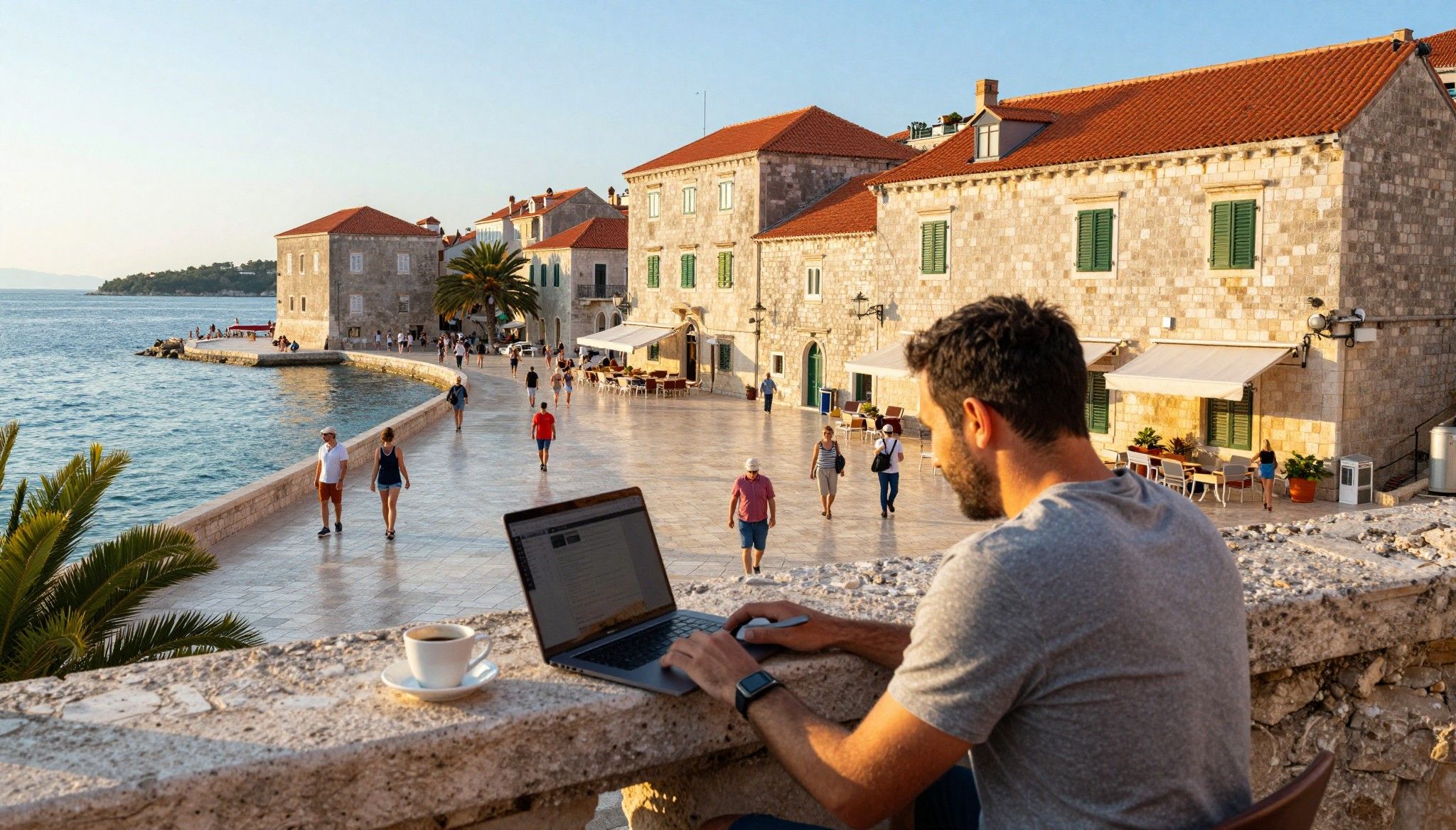
Imagine stepping out for a morning espresso on Via dei Coronari in Rome, then logging on from a sunlit terrace in Puglia by late afternoon. Italy still feels like a slow‑motion film — hands, food, ritual — but beneath that romantic surface is a very modern market: remote workers moving in, renovation bargains off the beaten track, and pockets of prime demand pushing prices in cities. If you assume "Italy = expensive everywhere" you're missing the cheap‑and‑charming regions where a weekend fixer can become a weekday base. This piece blends the sensory (cafés, markets, sea air) with sharp, research‑backed reality so you can fall in love and then make a smart offer.
Living the Italy lifestyle — what actually feels like home
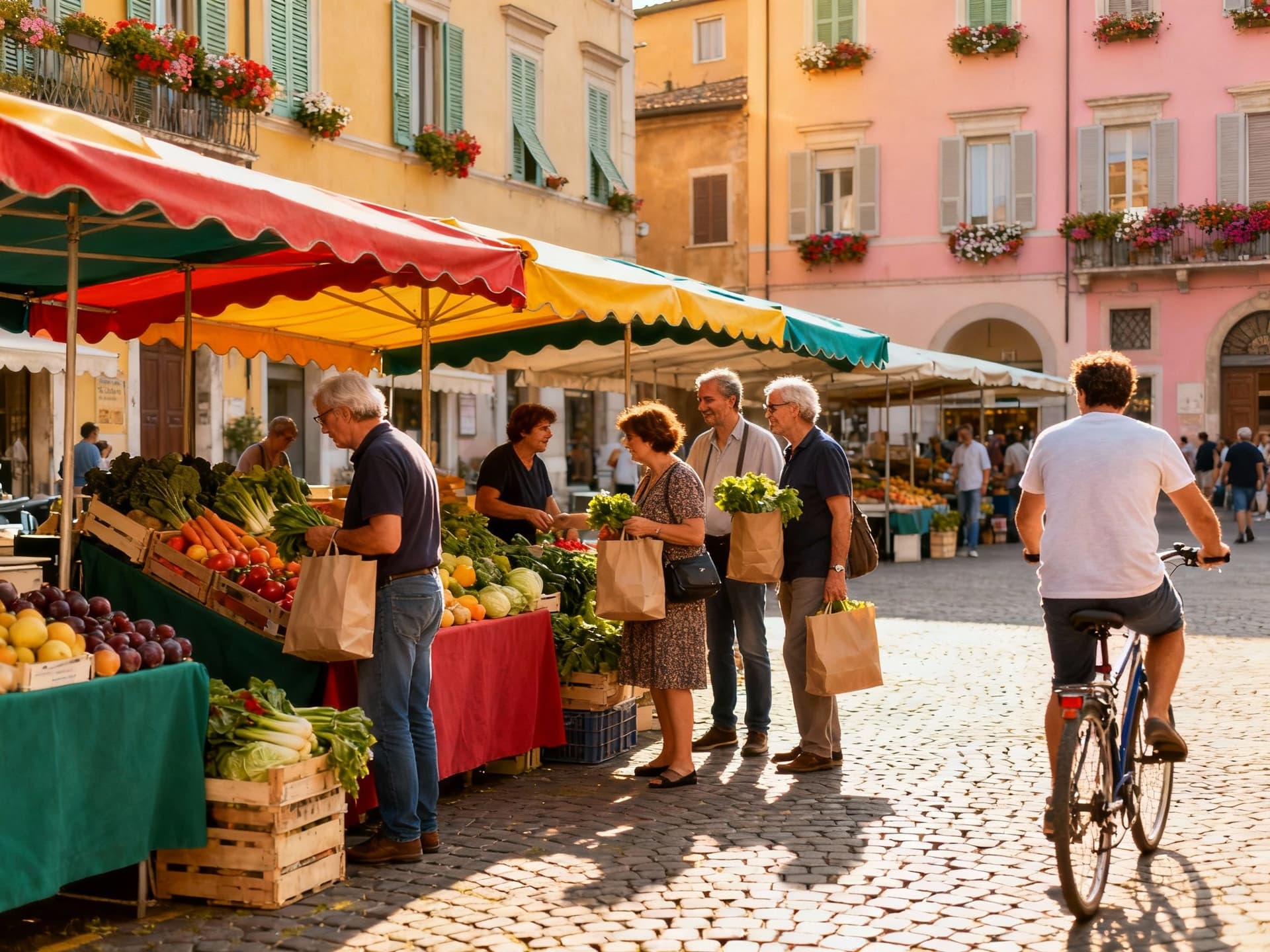
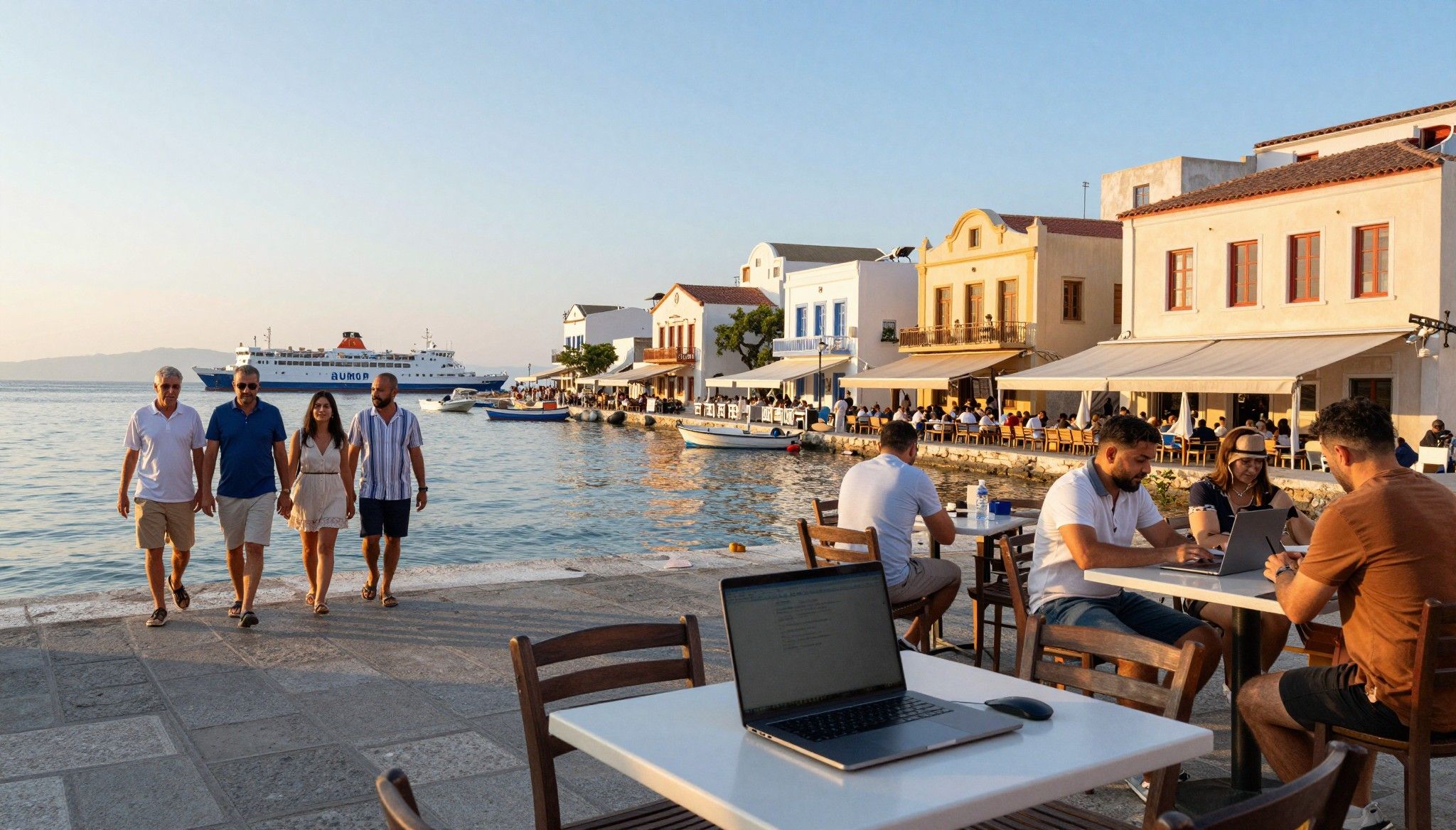
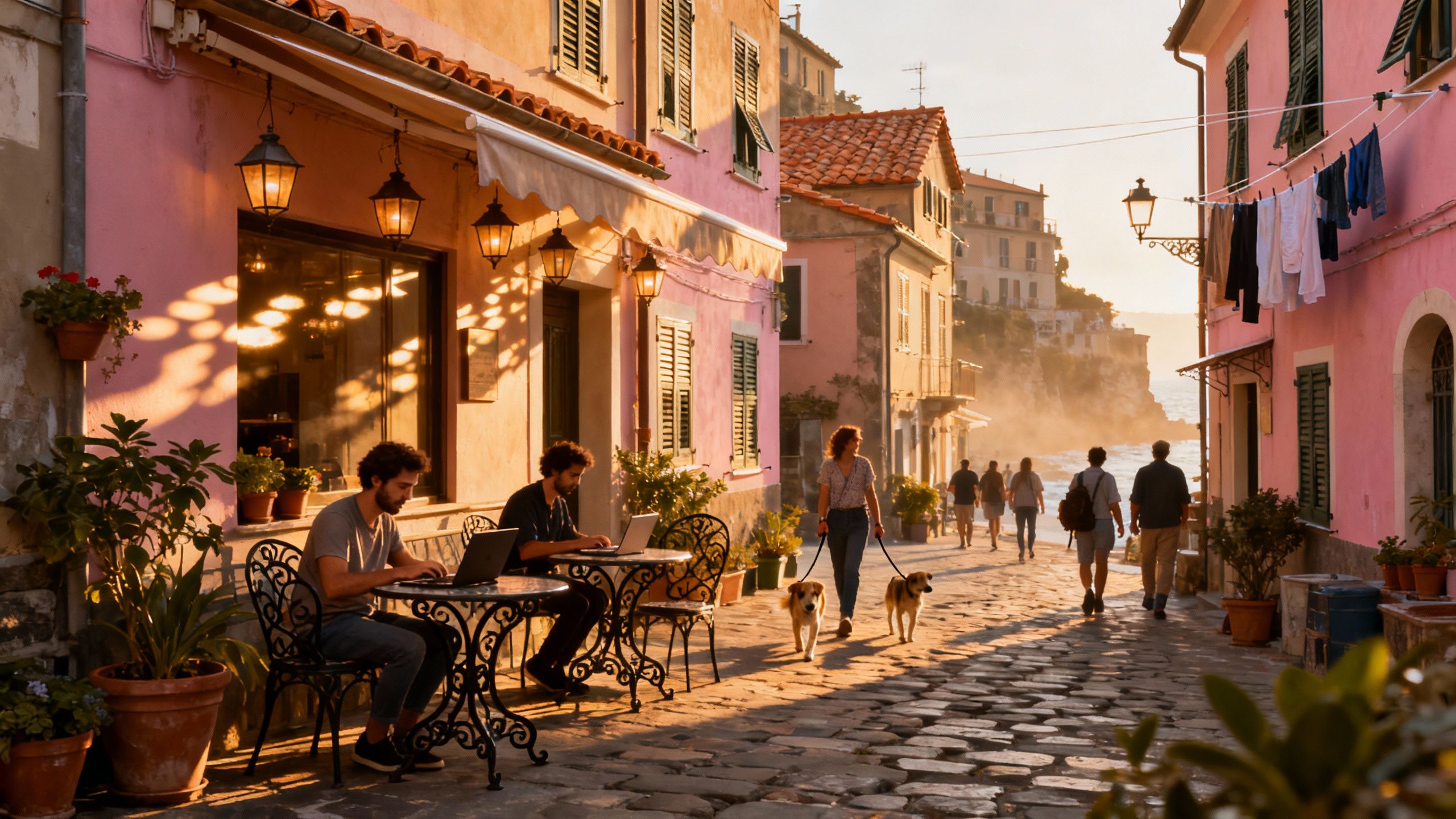
Italy is not one place — it's corridors of cobbled streets, vineyard rows, and coastline where every day has texture. In Rome's Trastevere you hear church bells and late‑night laughter; in Milan you see slick coworking cafés buzzing at 9am; in Liguria tiny pastel houses hug the sea and mornings are for markets. For nomads, the important things are reliable Wi‑Fi, a café with good coffee and sockets, and a neighborhood that feels like a community — not merely a tourist snapshot. Think: morning market runs, aperitivo rituals, and the weekly fruit seller who knows your name — that rhythm will define where you buy.
Neighborhood spotlight: Rome — Prati, Trastevere, and the suburbs
Prati is textbook: Vatican‑adjacent streets, morning bakeries, and solid transport links. It's popular with families and diplomats and — crucially for buyers — shows resilient rental demand and steady price performance. Trastevere sells the atmosphere: narrow lanes, trattorie, and late dinners; expect higher tourist turnover but unbeatable vibes. The real contrarian play? Look at Rome's outer districts (Trieste, Montesacro) where square footage and quiet meet faster value growth than center listings.
Food, markets, and everyday rituals — the lifestyle engine
A day in Italy is organized around food: neighborhood markets at dawn, espresso rituals, and late aperitivi. This reality shapes property life — a kitchen with a window matters, proximity to mercato beats proximity to a mall, and terraces for al fresco dinners are non‑negotiable. For remote workers, the new digital nomad visa (introduced 2024) makes it easier to live legally and work locally while keeping international clients — and yes, it influences where nomads choose to base themselves because residency opens up long‑term rental and renovation options.
Making the move: practical realities that match the dream
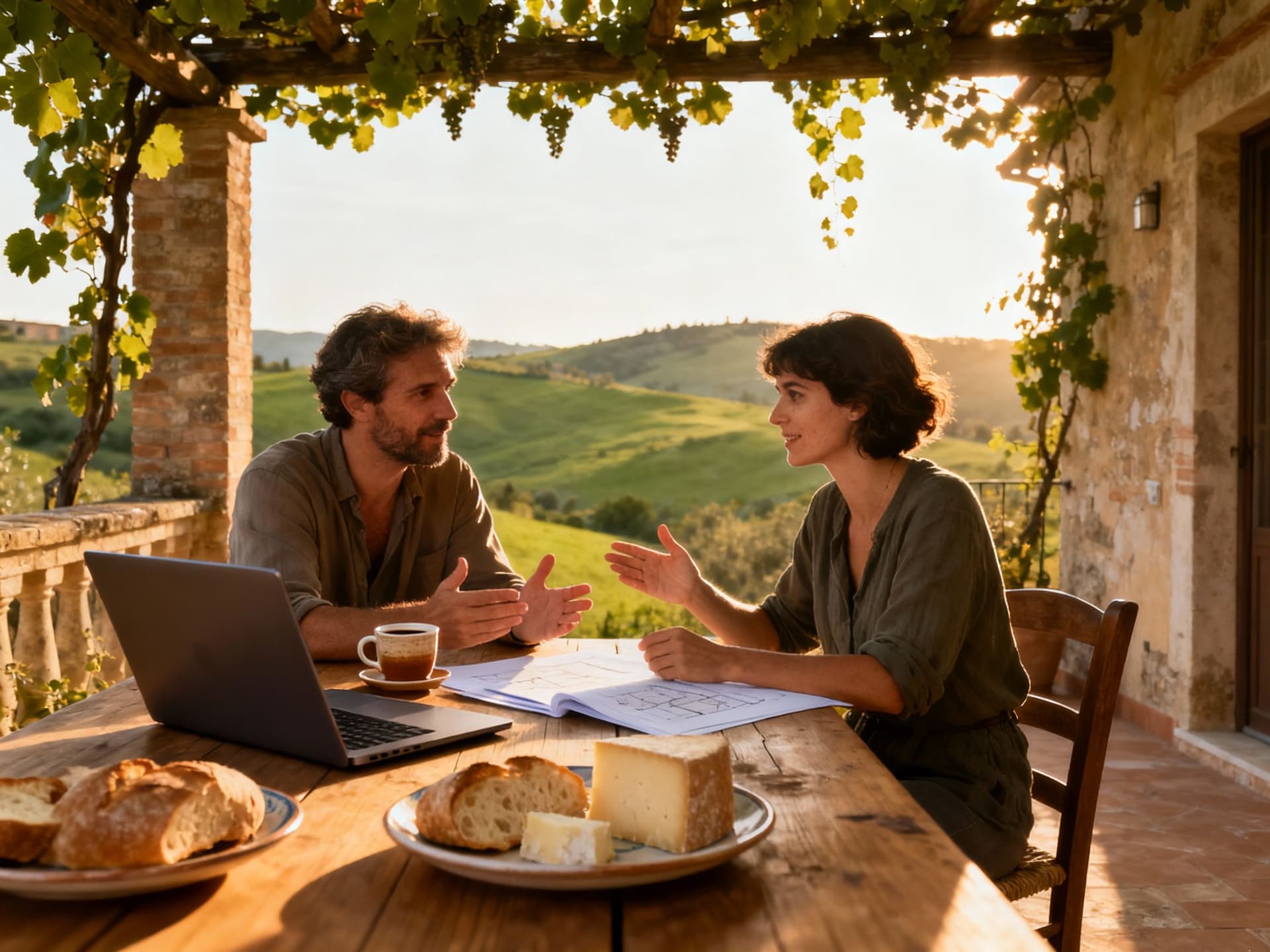
Dreams collide with numbers — and that's healthy. National asking prices vary wildly: Alpine and coastal regions command premiums, while inland southern regions and many interior hill towns still trade well below national averages. Recent listings data (April 2025 snapshots) show large regional gaps that reward buyers willing to trade a 10‑minute commute for space, light and a pool. Use region‑level metrics to pick zones that fit both your lifestyle and return expectations; i.e., choose a town with an active market and seasonal tourism if you plan to short‑let, or a quiet hill‑village if you want slow living and renovation upside.
Property styles and what they mean for everyday life
A medieval apartment in Florence gives you history and tiny rooms; a converted farmhouse in Umbria gives you land and privacy. Coastal Ligurian casas favor narrow, vertical living and terraces with sea views; Puglian trulli are photogenic but require specific maintenance. Think beyond aesthetics: insulation and heating affect winter comfort, courtyard‑facing apartments reduce noise in tourist towns, and fibre broadband availability can vary block by block. Prioritize workspace light, quiet corners for calls, and a local café with fast Wi‑Fi — those are the features that make the lifestyle sustainable.
Working with agencies who get the nomad life
Pick agencies that talk about internet speed, co‑working, and permit timelines — not just floor plans. Local agents who have placed other expats will flag subtleties: which neighborhoods allow short‑let conversions, where renovators get permits quickly, and which municipalities are aggressive on short‑term rental rules. A good agent will also introduce you to a surveyor who understands old Italian building quirks (timber beams, subfloor humidity) and a notary familiar with foreigners’ closing steps. Treat agencies as lifestyle matchmakers, not mere listing sources.
Insider knowledge — red flags, seasonal timing, and contrarian plays
Red flag: assuming tourist demand is permanent. Italy tweaks short‑term rental regulation regularly — local ordinances and national tax proposals can change profitability overnight. Recent legal pushes (and court responses) around remote check‑ins and proposed higher taxes on Airbnb‑style rentals show the risk. If you plan to rely on short lets, map local rules, watch municipal plans, and stress‑test your numbers for both high and low occupancy seasons.
Contrarian timing tip: why off‑season house‑hunting wins
Most buyers shop in spring and summer when towns look their prettiest — and competition spikes. Visiting in late autumn or winter gives you quiet viewings, realistic life‑in‑place impressions (yes, Italy is quieter outside tourist season), and negotiating leverage because fewer buyers are active. Plus, contractors and notaries often have more availability in the off season, which can shave months off renovation timelines.
- Red flags and hidden checks to run before you bid:
No registered cadastral plan or mismatched floor plans with registry.
Unclear ducting/electric work dates — older systems may need costly rewires.
Local zoning blocks for short letting or change‑of‑use restrictions.
No proof of habitual residence for tax exemptions (affects IMU/IRPEF assumptions).
Practical step‑by‑step: how to move from 'I love it' to 'I own it'
1. Pick three regions that match your rhythm (city for coworking, coast for weekend escapes, inland for renovation upside).
2. Shortlist 6–8 properties and do remote viewings, then visit off‑season to test real life and internet speeds.
3. Engage a bilingual notary and a local surveyor before making an offer — have them quote turnaround for title checks and co‑ownership rules.
4. Negotiate with realistic timing (30–90 day closings common) and include clauses for unseen structural issues or permit delays.
5. Plan your first six months: temporary rental, internet install, municipal registrations and opening a local bank account — these practicals make life feel immediate.
What expats wish they'd known — real talk
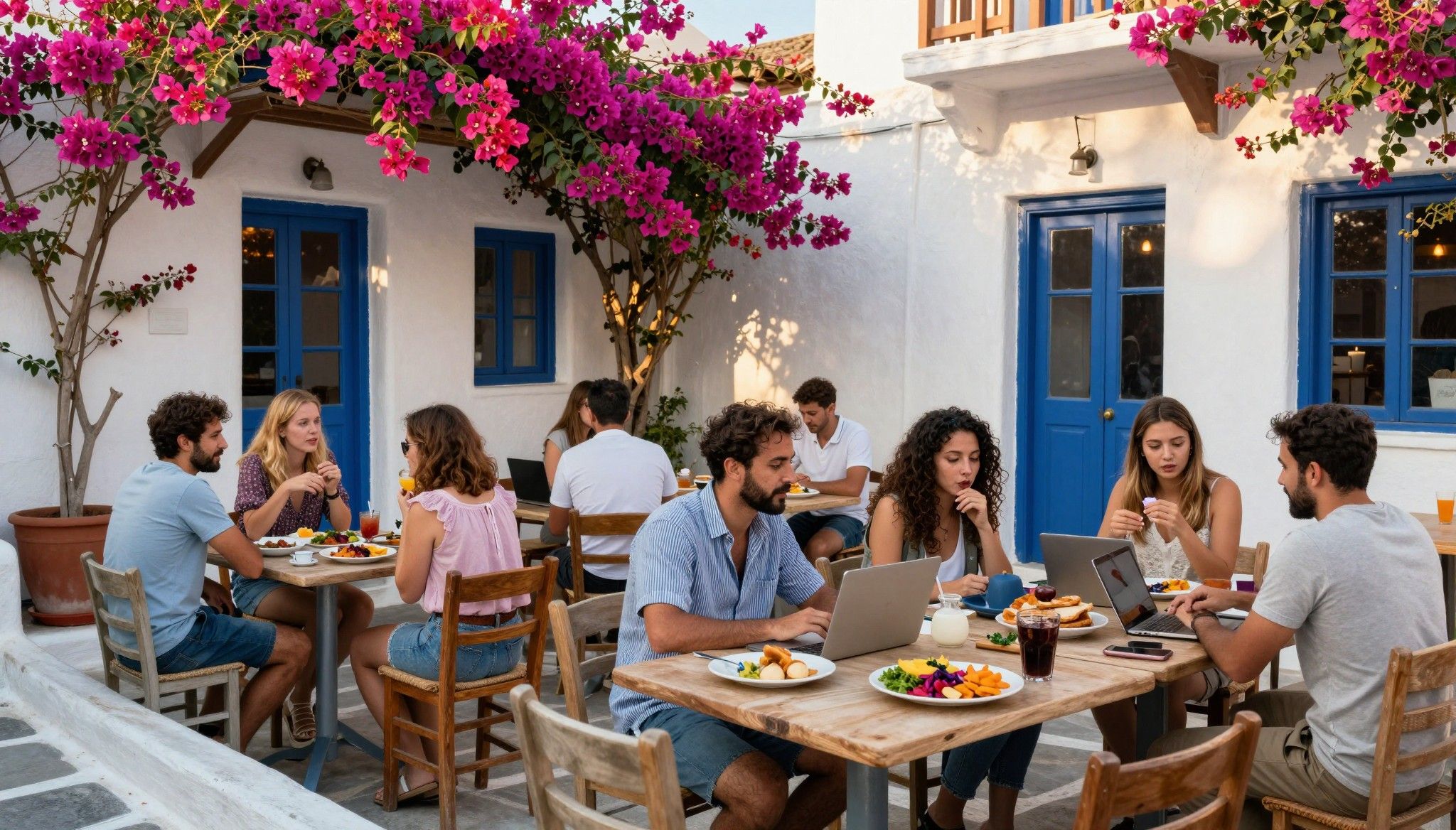
Many expats tell a similar story: the first six months are less about paperwork and more about community. Learning a bit of Italian opens doors — not just smiles — and joining local markets, language exchanges, or coworking meetups speeds up friendships. Also, expect to patch two worlds: joyful local slower rhythms and urgent client deadlines. Balance those and you have the best of both.
Longer view: how this move changes life over three years
Year one: you learn neighborhoods, meet neighbors, optimise your workspace and local routines. Year two: renovations or rental plans begin — and your agent or property manager becomes your daily ally. Year three: you either keep the place as your anchor or use it as a high‑season income source. Because regional price gaps persist, many buyers see tangible value growth if they choose areas with improving infrastructure and steady tourism but limited supply.
Conclusion — fall in love deliberately: let lifestyle lead the shortlist, then use data and local experts to close. Italy rewards those who understand seasonal life, local rules, and where modern nomad needs (fast internet, coworking, community) intersect with authentic daily pleasures. Start with one neighborhood, book an off‑season visit, bring a translator or bilingual agent, and test your work routine from a café before signing. If you want help matching lifestyle must‑haves to neighborhoods — email a local MoveSettleGo partner to start a tailored shortlist.
Swedish, relocated to Marbella in 2018 to chase sun and property freedom. Focus on legal navigation and tax for Nordic buyers.