Malta: Live the Days First, Buy the Right Street
Fall for Malta’s compact, sea‑air lifestyle — then buy with local data and lifestyle-first strategy; property values rose ~5% year-on-year recently.
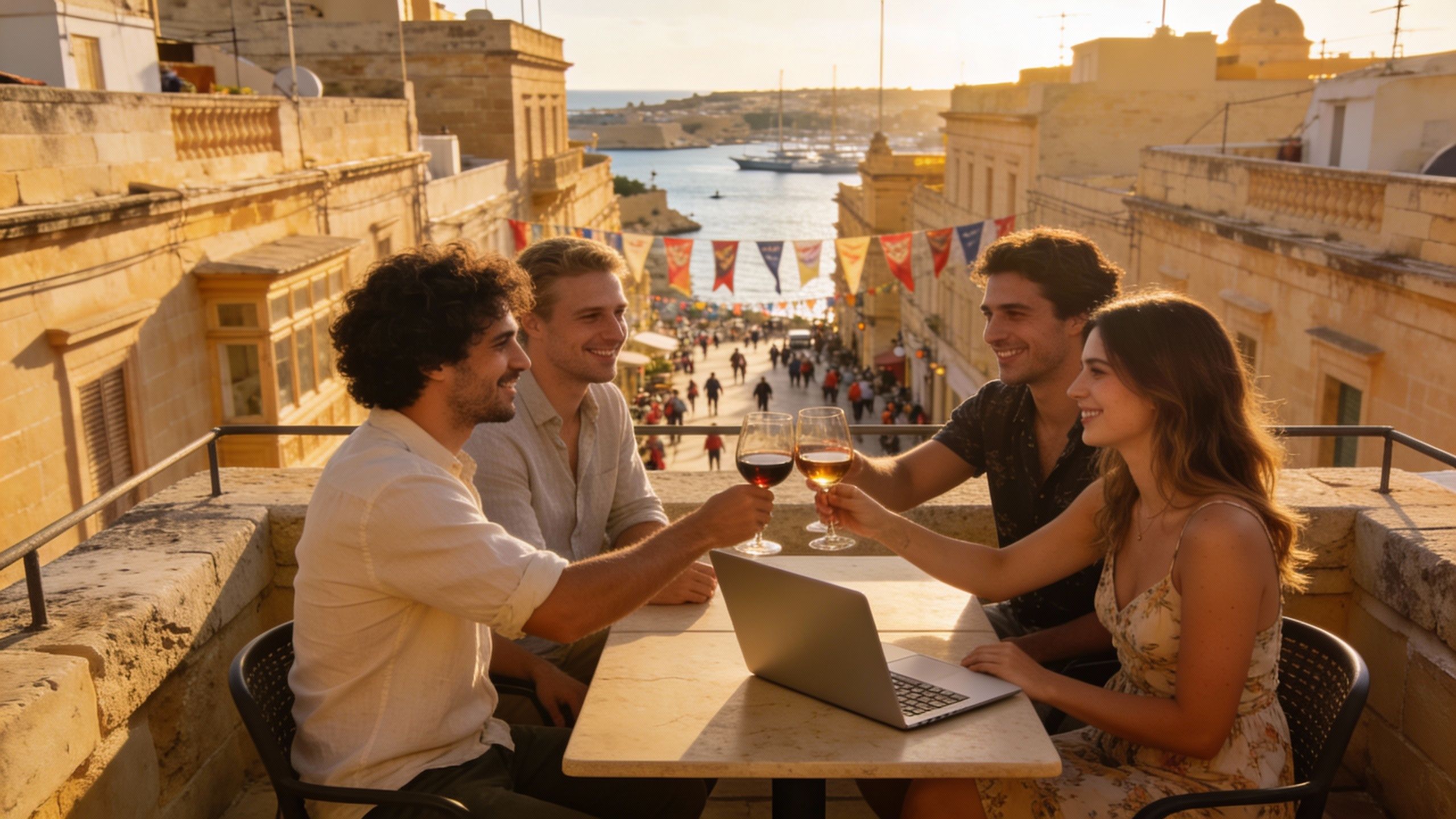
Imagine stepping out at sunrise in Valletta — limestone walls warmed gold, a coffee that tastes like the sea breeze, and a neighbour greeting you in English, Maltese and a smile. Malta is small enough that mornings feel local and afternoons feel like an island holiday, while evenings hum with festa bands, wine, and rooftop kitchens. That compact, convivial rhythm is why many nomads and expats fall hard for Malta. But small and charming also means fast-moving property markets, so if you love the lifestyle, it's smart to pair that love with a plan.
Living Maltese Days: Light, Community, and Sea-Air Rhythm
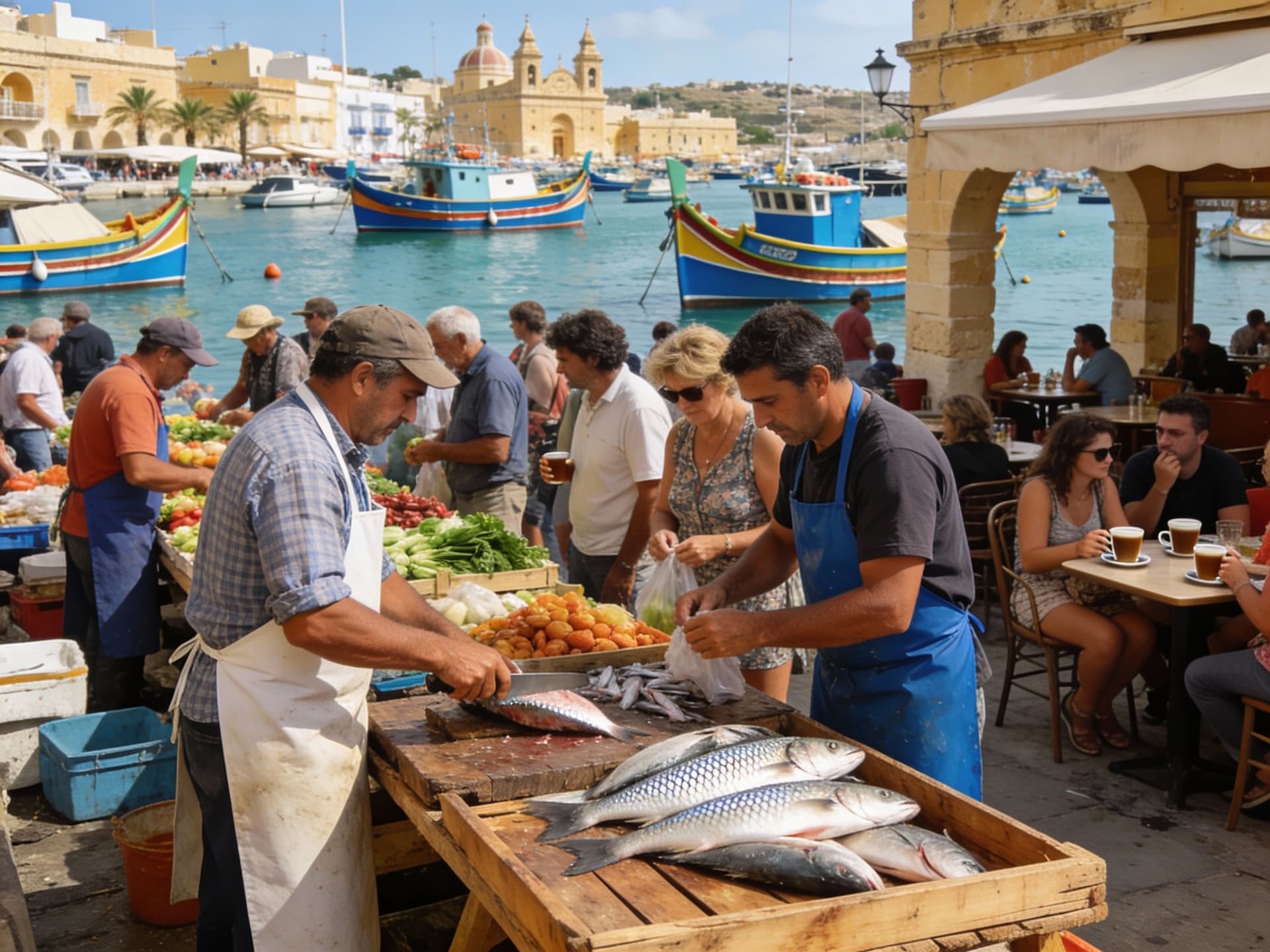
Life here is tactile. Picture morning espressos at Caffe Cordina in Valletta, market baskets at Marsaxlokk's wooden stalls, and late walks along Sliema's promenade with freelancers opening laptops on cafe terraces. Neighbourhoods are compact — you can know your baker, your coworking receptionist, and your favourite sea-view bench in a week. That proximity makes Malta an instant community for remote workers seeking both sociability and short work commutes.
Valletta & The Three Cities — history as your backdrop
Valletta feels like living inside a postcard — baroque facades, tiny alleys that open to harbours, and cafes that double as coworking spots. The Three Cities (Vittoriosa, Senglea, Cospicua) offer quieter streets and harbourside restaurants; they’re a draw if you want history without the tourist bustle. Properties here tend to be period apartments or converted townhouses with character — think Maltese balconies, thick stone walls, and surprisingly bright interiors.
Sliema, St. Julian’s & Gzira — coastlines and cafe-workflow
If you want a routine of café mornings and sunset swims, Sliema and St. Julian’s are the practical favourites — fast ferries, busy promenades, and loads of short-term rental demand. Gzira sits between them, quieter but with great sea views and a growing coworking scene. Expect modern flats and new-build blocks here; they’re easiest to turn into a remote-work home with reliable fibre and short commutes to international schools or coworking hubs.
Lifestyle highlights — places and moments to love: • Evening festas in Żurrieq and Dingli cliffs at sunset. • Breakfast at Pjazza Teatru Rjal, Valletta, then work from a rooftop. • Sunday fish market at Marsaxlokk and seaside brunch. • Coworking meetups in St. Julian’s and beyond. • Hidden bays: Gnejna and Ghajn Tuffieha for weekend swims. • Local bakeries on Triq ir-Repubblika (Valletta) and Umberto (Sliema).
Making the Move: How the Lifestyle Shapes Property Choices
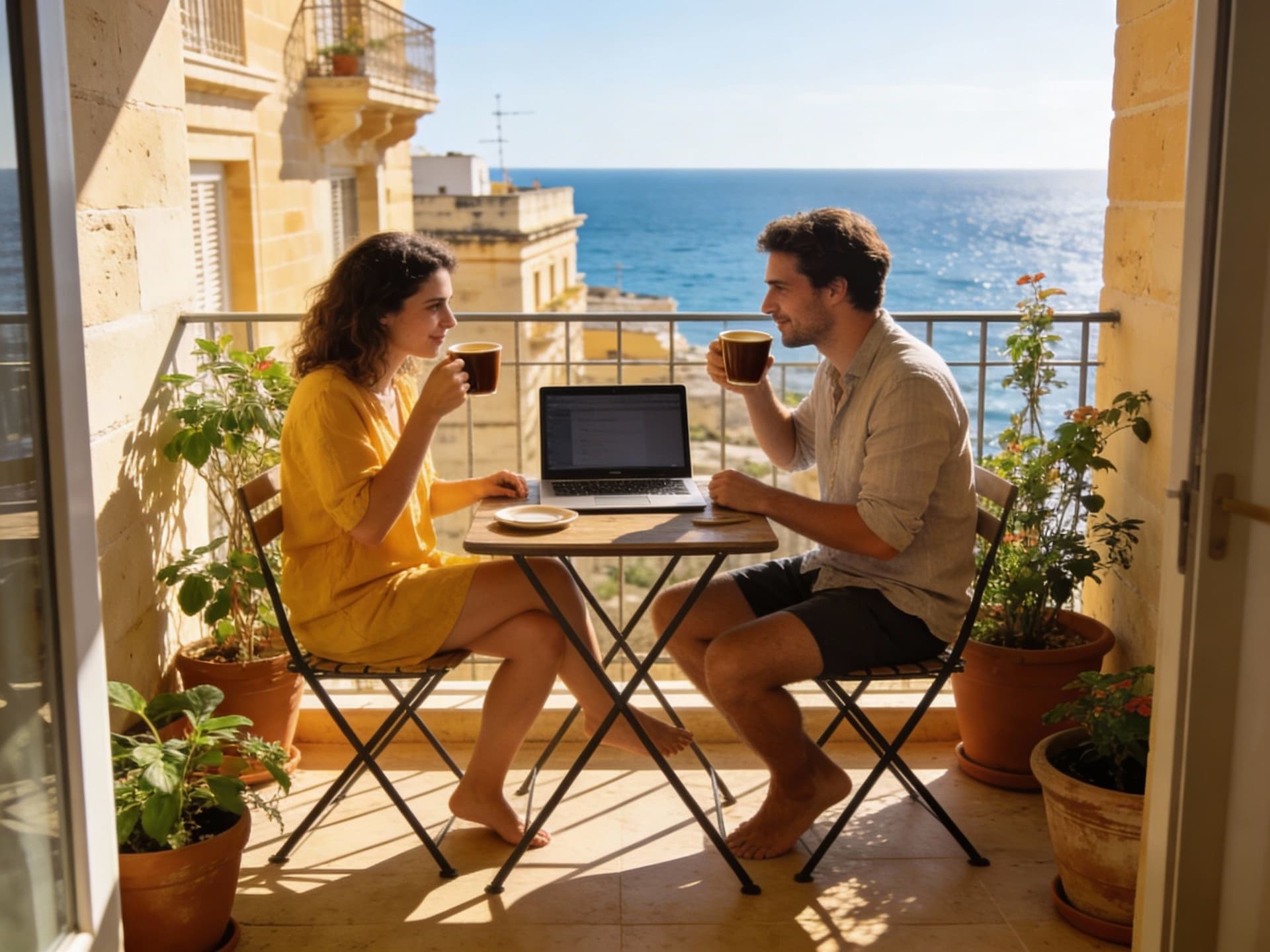
Your choice of property in Malta should start with how you want to live each day. Do you want sea views that lure you out at sunset, or a historic flat steps from a cafe where you can work for hours? Connection matters: Malta enjoys strong fixed broadband and mobile speeds, so working from a terrace or a kitchen-table desk is realistic. At the same time, rising prices mean you’ll trade location for space — the closer to waterfront and Valletta, the steeper the tag.
Property styles and practical living
Apartments, maisonettes, and terraced houses each deliver a different Malta life. Apartments give convenience and modern finishes; maisonettes offer terrace life and better airflow in summer; older townhouses give charm but often need renovation. Note that Malta’s Residential Property Price Index rose around 5% year-on-year recently, so budget with modest uplift and expect limited negotiation room in hot pockets like Sliema and Valletta. That’s why matching your lifestyle to the right property type is more cost-effective than endlessly chasing a sea-view at any price.
Working with local experts who know the rhythm
How a Malta-savvy agency helps you live your days, not just buy a roof: 1. They map life-first matches — pairing you with streets, not just square metres. 2. They flag seasonal nuisances (festa noise, summer rental peaks) that affect living and rental income. 3. They advise on renovation realities for stone properties — what to budget for plastering, damp-proofing, and insulation. 4. They connect you to handymen and installers who understand Maltese materials and planning rules. 5. They share micro-neighbourhood intel — which cafes are coworker-friendly, which streets are quiet after 8pm.
Insider Knowledge: What Expats Wish They’d Known
Here’s the real talk: Malta’s charms are real, but so are trade-offs. Affordability has squeezed locals and newcomers alike as prices climbed, driven by limited land and steady demand. Expats who assume they’ll easily pick up a bargain near the promenade often find themselves priced into outer villages — which can be fantastic if you want quiet, but less ideal for daily social life and coworking commutes.
Cultural rhythms that shape neighbourhood choice
Maltese social life orients around family, festas, and the sea. Sundays are for family lunch; nights can be lively in festa season; shops may close earlier than you expect. English is widely spoken, which makes integration easy, but learning a few Maltese phrases opens doors. If you prize late-night coworking or 24/7 cafes, target St. Julian’s or central Sliema instead of sleepy Rabat or Mellieħa.
Longer-term lifestyle and investment perspective
Think medium-term: plan for three to five years. Malta’s compactness and tourism appetite mean rental demand can be strong, but regulation and seasonality affect yields. If you want to balance living and earning, consider a two-bed near a ferry or reliable bus route — you get flexibility to rent when you travel and easy return to community when you’re home. And always budget for maintenance: older stone buildings need ongoing care.
Ready to feel Maltese mornings and still make a smart buy? Start by visiting in shoulder season — April or October — when neighbourhoods reveal daily life without the tourist movie set. Map three days: a working morning in a cafe, an afternoon apartment viewing, an evening festa or market. Bring a local agent who knows the streets and can translate lifestyle cues into property pros and cons. That’s how you bring Malta’s sunlit life into a purchase that lasts.
Dutch investment strategist guiding buyers to Greece and Spain; practical financing, tax, and portfolio diversification.