Malta: Lifestyle‑First Buying Playbook
Malta’s compact, sunlit neighbourhoods deliver instant lifestyle gains — but RPPI data shows prices rising; prioritise lifestyle fit, renovation readiness and local agents.

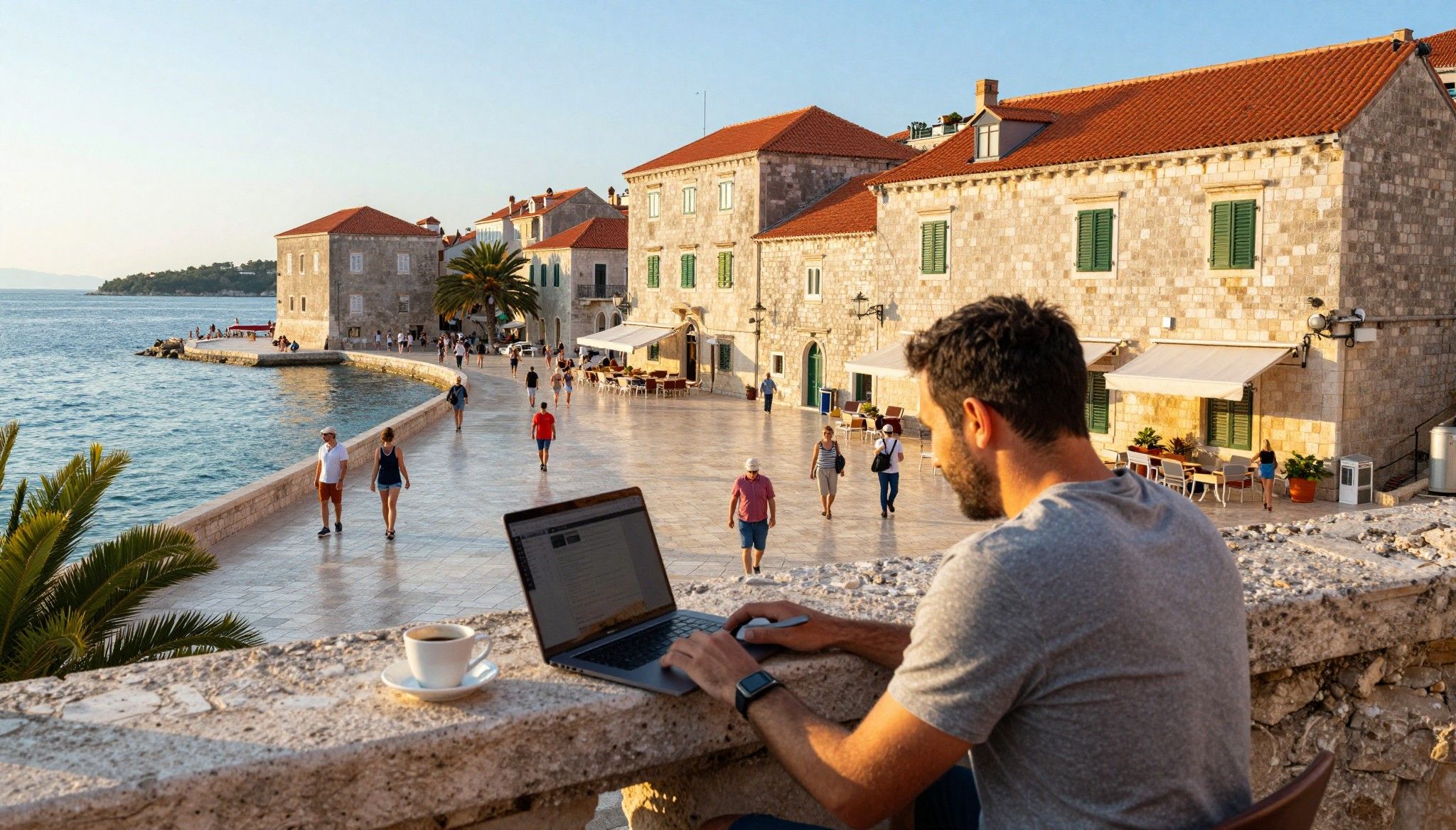
Imagine walking out of a honey‑coloured townhouse onto a narrow street where a baker is sliding ftira into the oven, the sea smells faintly in the air and a coworking meetup starts at 9. That’s Malta — intense sunlight, cobalt sea, compact towns where life happens within a 15‑minute walk. For nomads who crave culture, cafés that double as daytime offices and evenings of lively festa processions, Malta feels instantly like a neighbourhood you can belong to. But beneath the romance, the market has its own rhythm: prices are rising and land is tight, so timing and local insight matter.
Living Malta: Streets, Sea and Espresso
The day here begins with espresso and ends with a swim or long dinner. Valletta’s baroque streets hum with tourists and architecture buffs while Sliema and St Julian’s feel younger and louder — cafes, sea promenades and coworking spaces packed with remote workers. Gozo offers a slower, island‑retreat rhythm: limestone cottages, quiet bays and a community that actually knows your name. Small distances mean your weekend choices shape where you buy: pick a flat near a ferry if island weekends are your jam, or a Sliema balcony if sunsets and social cafés matter more.
Valletta & The Three Cities: Historic heartbeats
Valletta is theatre‑like: limestone façades, tiny alleyways and cafés like Caffe Cordina where you can camp with a laptop. Living here is for people who want culture on their doorstep — museums, opera nights and a concentrated social life. The Three Cities across the Grand Harbour feel more local and authentic; think narrow lanes, working harbours and family‑run bakeries. Properties here are characterful but often require creative layouts or sympathetic renovations because many are historic.
Sliema & St Julian’s: The nomad playground
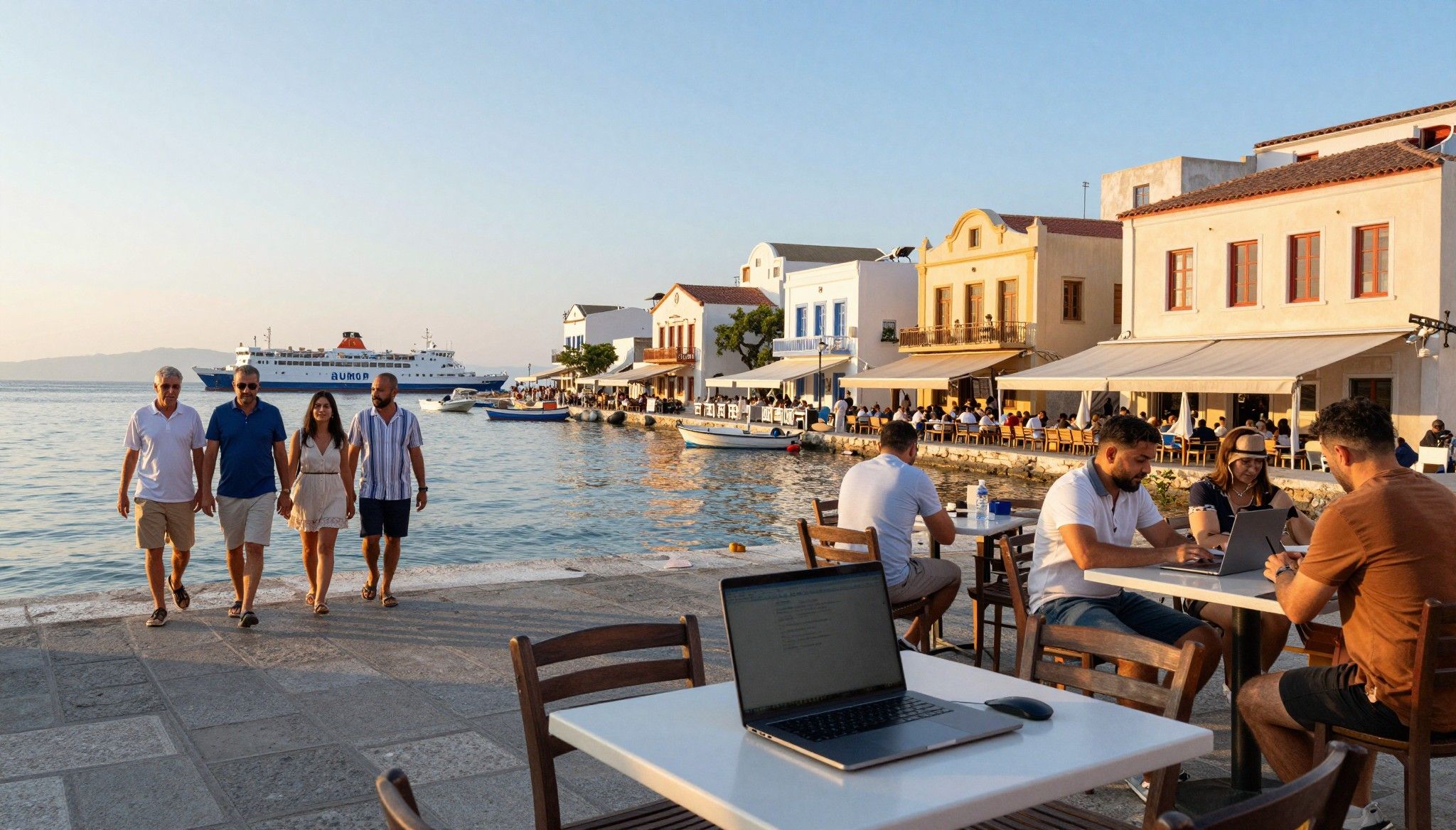
If your day blends video calls with seawall jogs, Sliema or St Julian’s will feel familiar: long promenades, cafés with robust Wi‑Fi, and coworking hubs sprinkled through. These areas are more dense with short‑let demand, restaurants and nightlife, which makes them lively year‑round but also noisier and pricier. Apartment living is the norm here — modern blocks with terraces and sea views — and you’ll pay a premium for proximity to the promenade and reliable fibre. For remote work, check apartments for a bright corner perfect for a desk and confirm building internet details before committing.
Making the Move: Reality‑Checked Practicalities
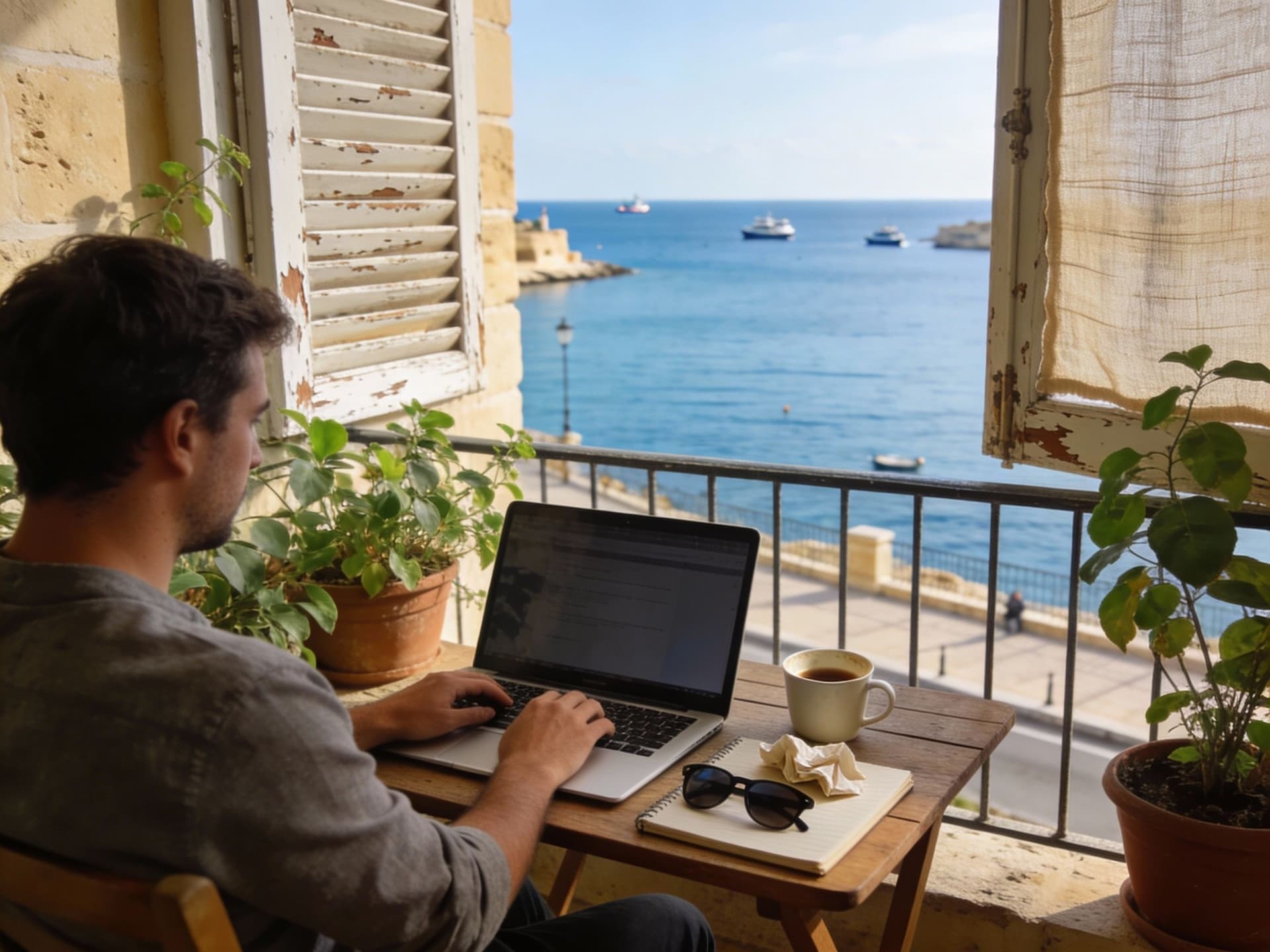
You can fall in love with Malta in an afternoon, but buying there asks for local smarts. National statistics show residential prices have continued upward momentum — the RPPI rose year‑on‑year and remains influenced by land scarcity. That means bargains are rare in central spots and renovation projects often deliver more lifestyle bang for your buck than a new build in a congested block. Work with an agent who knows which streets keep light and breeze (crucial in summer) and can confirm building rules — many older blocks have quirks like communal terraces or non‑existent elevator easements.
Property types and how they fit your life
Apartment life is compact and social; maisonettes give you outdoor space without a garden; terraced houses and converted townhouses offer character and room to create a proper home office. For digital nomads, prioritize natural light, a quiet room for calls, and either stable fibre or proximity to coworking venues. If you crave outdoor living, maisonettes with courtyards or terraces on quiet lanes (think Gżira backstreets, or Xlendi in Gozo) are golden. Remember: many older homes need rewiring or insulation work — budget for practical upgrades so your ‘dream’ space actually handles hot summers and remote work demands.
How local experts actually add lifestyle value
Agents who live the lifestyle can spot quiet lanes, rooftop winds and the cafés that host remote meetups. Solicitors familiar with Maltese conveyancing will flag title encumbrances and communal obligations that surprise buyers. Architects and contractors who’ve restored limestone façades will save time and cost when you want an island‑style renovation that keeps character. Financial advisers can explain how the property market’s high land component affects long‑term value versus rental yield. Choose partners who show you where you’ll spend time — not just where you’ll sleep.
Insider Knowledge: What Expats Wish They Knew
Reality check: Malta once marketed investor citizenship, and the fallout still shapes policy and buyer sentiment. EU rulings and programme changes have cooled headline investor demand, but steady expat interest remains huge for lifestyle reasons — English as an official language, easy short‑hop travel, and a dense cultural program. Expats tell us the hardest shift is accepting compact living and building a social circle in places where locals pace life differently. The payoff is huge: communal festas, seafood dinners by the quay and afternoons of cliff‑side swimming become everyday rituals.
Cultural cues and making friends
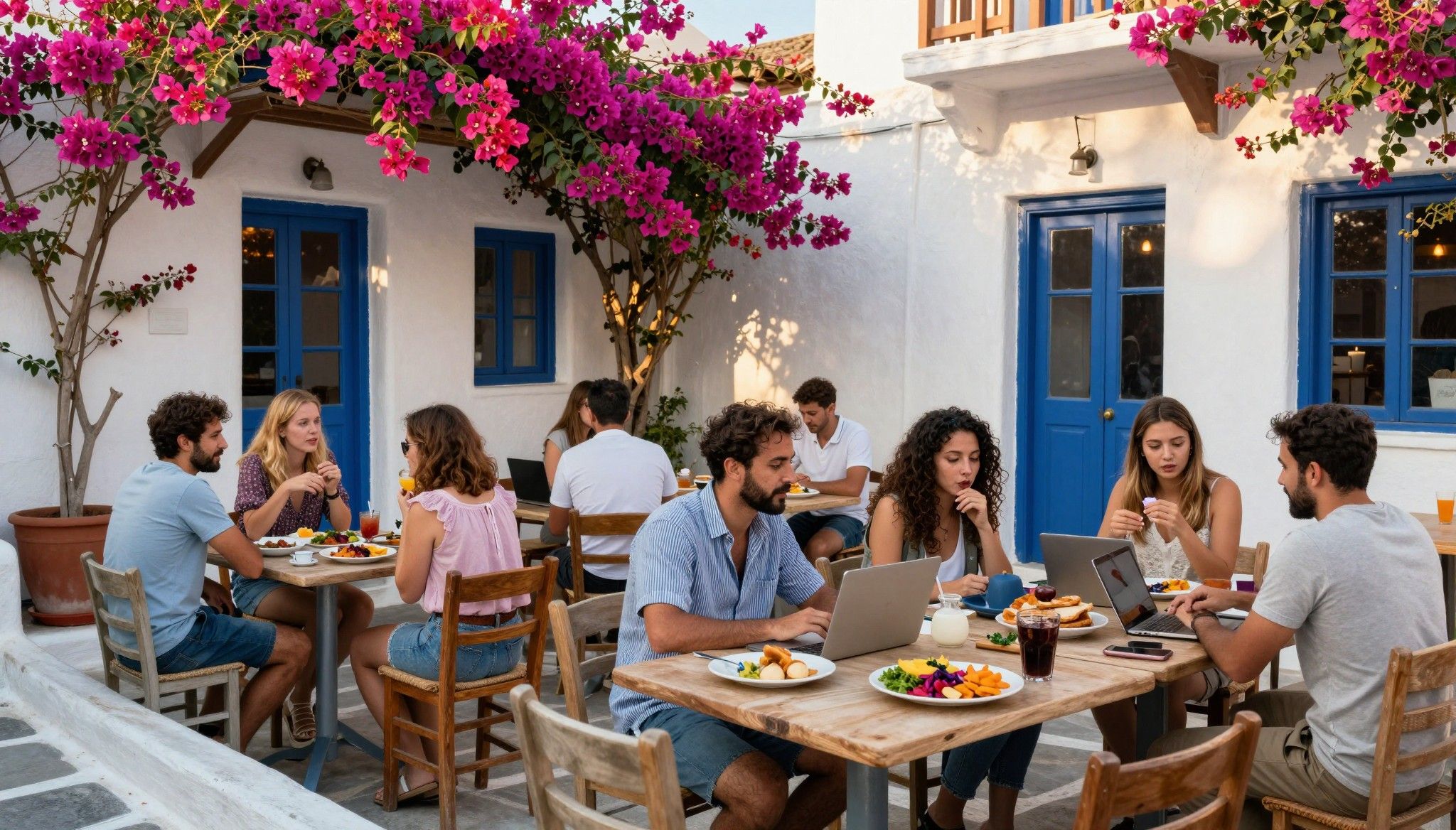
Maltese people are warm and social, and festas (village feasts) are central to community life — show up, be curious and bring a small gift, and you’ll be welcomed. English gets you through bureaucracy and daily life, but learning bits of Maltese wins smiles and deeper connections. Practical tips: join a local sports club, attend island meetups (tech, photography, sailing) and spend time in neighborhood cafés to build routine friendships. Expect squads of multi‑generational families in public spaces; community ties are strong and often revolve around shared food and religious calendars.
- Hidden‑gem street and lifestyle checklist
Cathedral steps, Valletta — morning espresso and museum wanders
Ix‑Xatt promenade, Sliema — sunset runs and sea‑side cafés
Gżira backstreets — low‑key cafés and a surprising creative scene
Mgarr Harbour, Gozo — weekend boat trips and fresh fish dinners
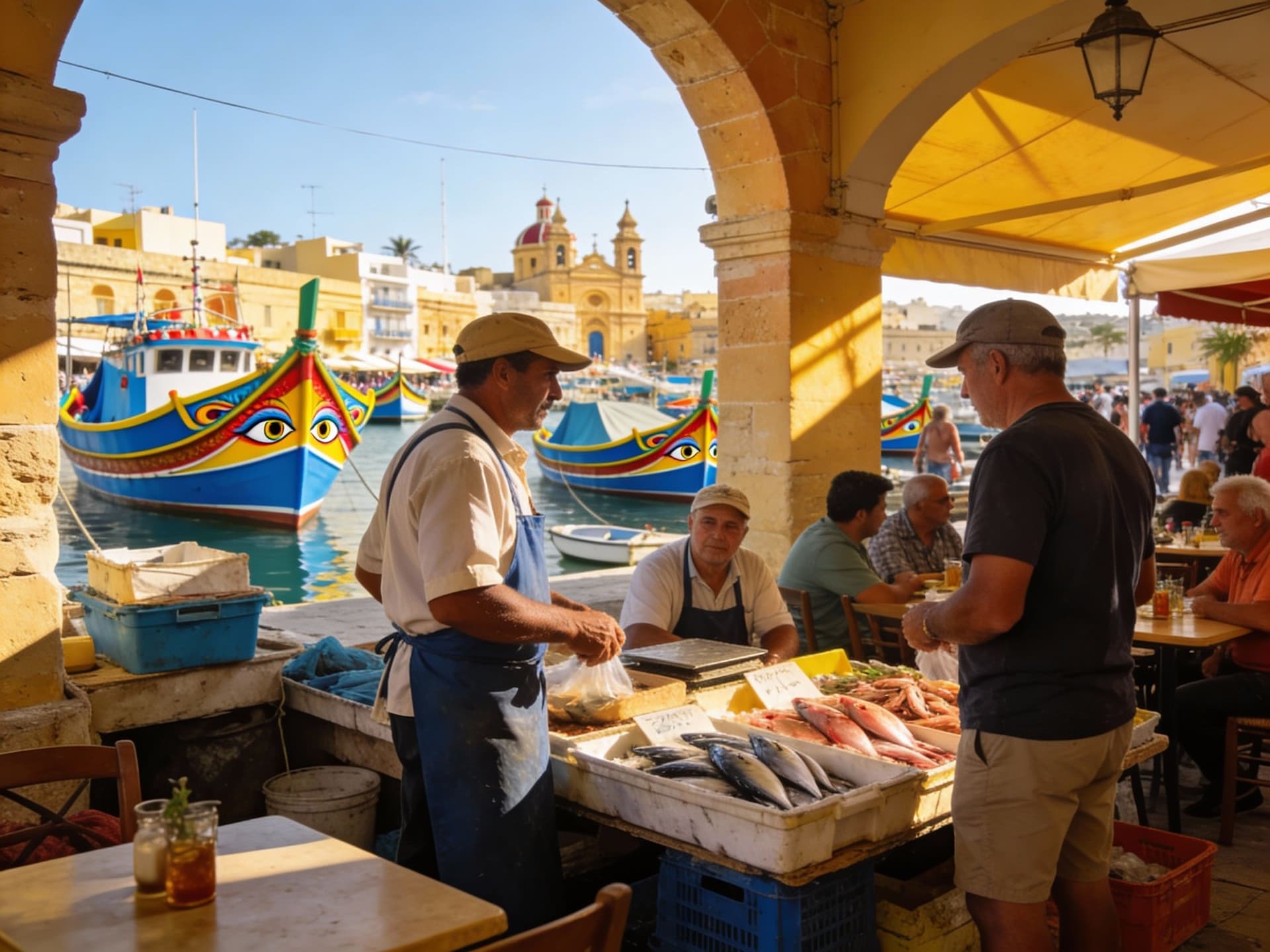
Marsaxlokk market — market mornings and Sunday fish feasts
Step‑by‑step starter plan for nomad buyers
1) Visit in your work month — test internet and noise during normal workdays. 2) Shortlist neighborhoods by vibe: Valletta for culture, Sliema for sea and socials, Gozo for slow life. 3) Engage a bilingual agent and a local solicitor early to check title and communal rules. 4) Inspect units for wiring, insulation and roof terraces; budget for upgrades. 5) Negotiate timelines that allow for remote‑friendly renovations before you move in.
Malta is compact and personal: where you live affects what you do every day. If you want rooftop aperitivos and meetups, choose Sliema or St Julian’s. If you want theatre, close‑in cafes and history, Valletta sings. If you need peace, Gozo rewards patience. Work with local agencies who show you where neighbours walk dogs, where the buses actually run on time, and where summer crosswinds make afternoon calls bearable.
Conclusion: Malta gives you a re‑made everyday. You’ll trade big gardens for sea‑view breakfasts, long commutes for pedestrian mornings and quiet afternoons for festa‑lit evenings. Prices are moving — the NSO shows steady index growth — so prioritise lifestyle match and renovation readiness over hunting a mythical bargain. Next step: plan a work‑test visit in the low season, meet two local agents, and ask them to map where you’ll actually spend Monday mornings and Saturday nights.
Dutch investment strategist guiding buyers to Greece and Spain; practical financing, tax, and portfolio diversification.