Malta Off‑Season Buy: Why Autumn & Winter Reward Nomads
Why visiting and buying in Malta off‑season (autumn/winter) often gives nomads better choices, clearer market signals and friendlier negotiation leverage.
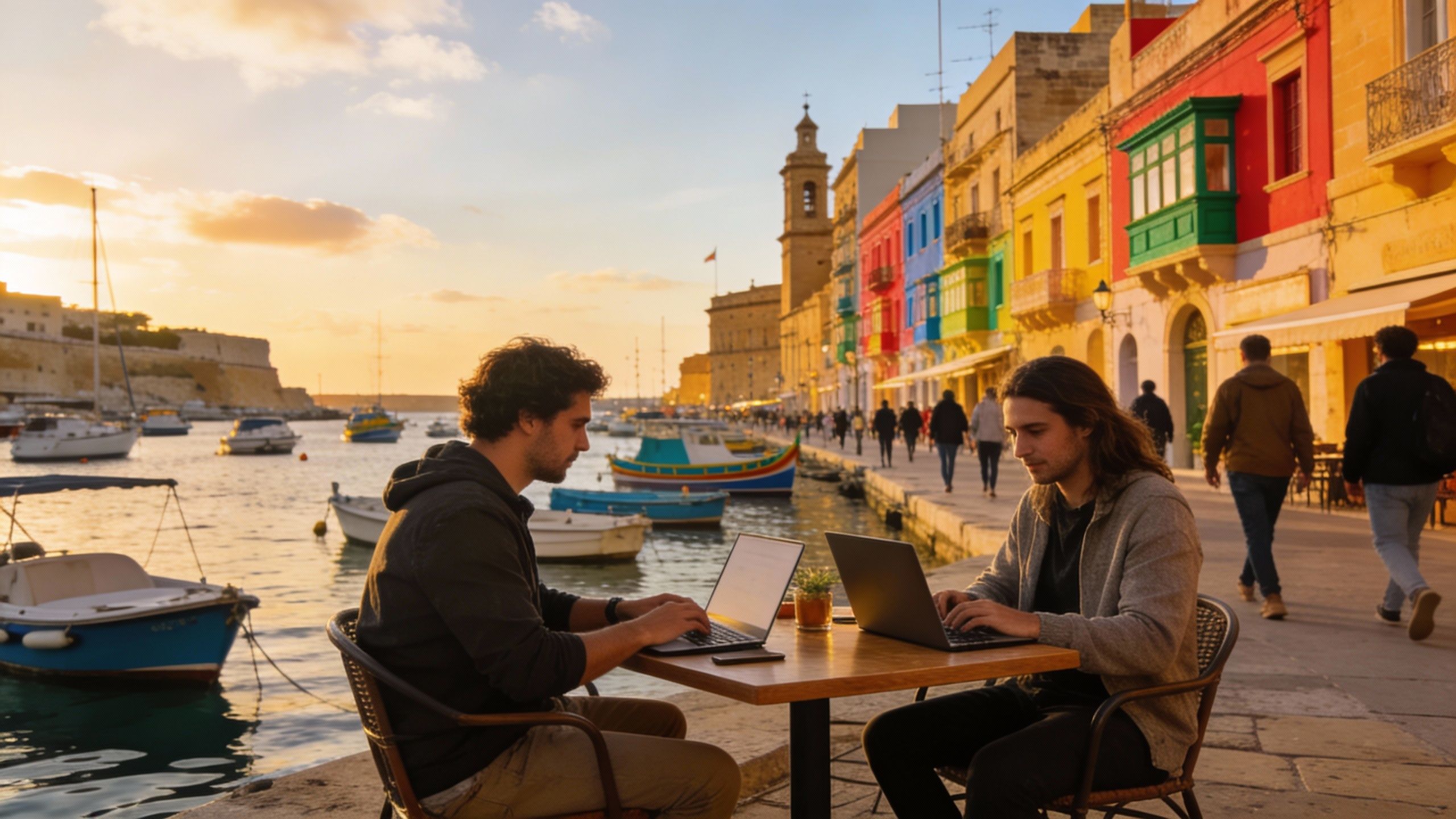
Imagine an autumn morning in Valletta: espresso steam, limestone sun warming the narrow streets, and fewer tour groups crowding the cafés. That quieter season is where Malta’s real rhythm surfaces — local festas with neighbours, empty bus seats, and agents who finally have time to show you more than a photo. For international buyers chasing lifestyle and smart timing, autumn and winter in Malta are a contrarian sweet spot: you see the island as people actually live it, and you often find clearer market signals. Recent price indices show steady growth, but seasonal demand swings change how offers land — learn when to come, what to expect, and how to make the market work for you.
Living Maltese Days: What you’ll actually wake up to
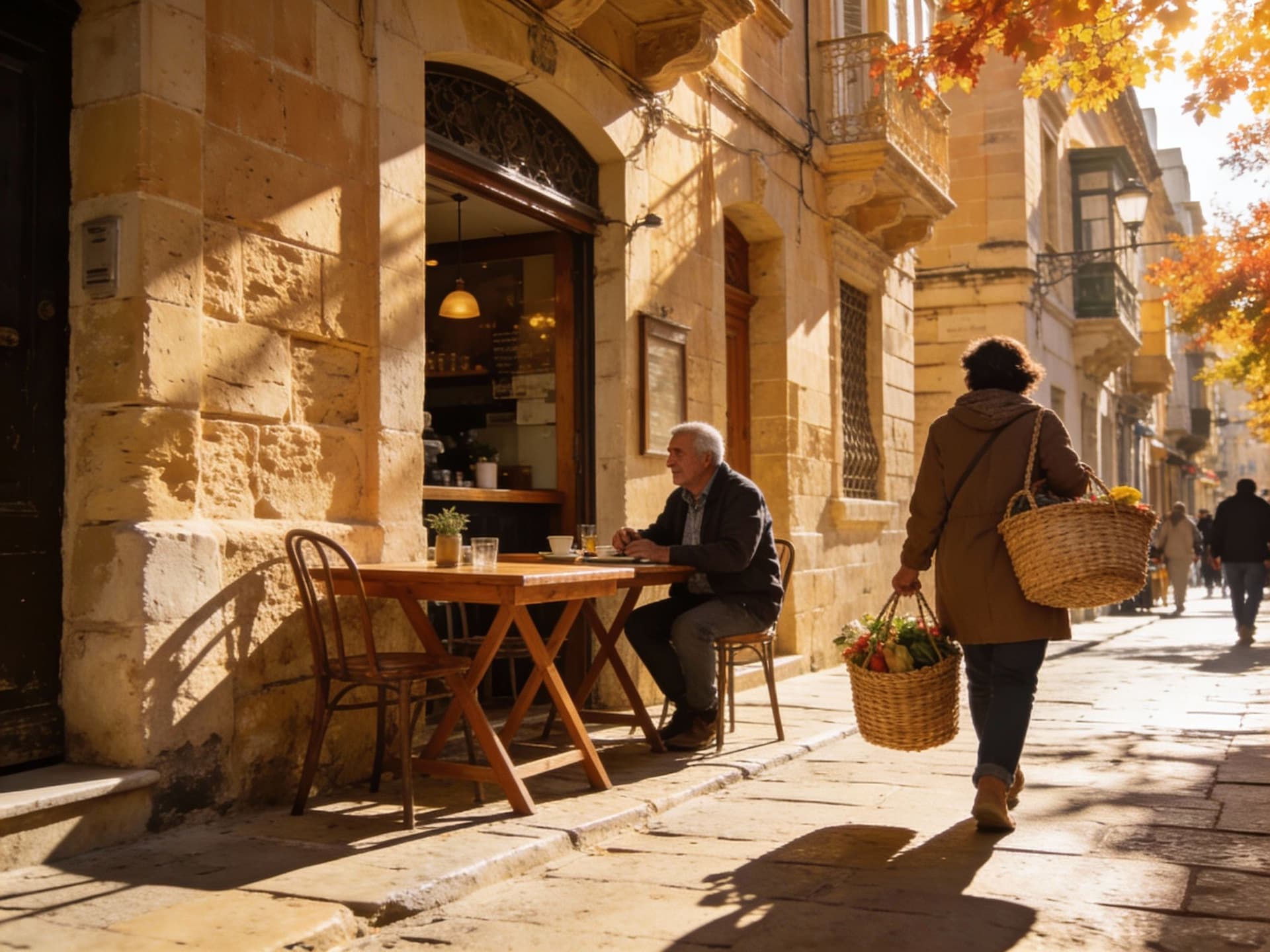
Malta feels Mediterranean in motion — sea-breeze mornings in Sliema, late-night passeggiate in Marsaxlokk, and an undercurrent of English-language ease that makes settling simpler for many expats. The island’s compact size means a 30‑minute commute can swap you from a rocky coastal trail to a baroque piazza. Apartments, maisonettes and terraced houses shape different daily rhythms: terraces for morning coffees, narrow streets for evening walks, and rooftop views that turn work‑from‑home into a daylight ritual. The property market has been rising steadily, so your lifestyle choice links tightly to timing and neighbourhood selection.
Valletta & The Three Cities: Historic heartbeat
In Valletta you live inside a UNESCO-stamped postcard: baroque facades, hidden courtyards, and espresso bars squeezed between museums. Weekdays hum with civil servants and creative types, and evenings are serenaded by open-air concerts. Properties here are character-rich but often compact; expect high ceilings and tiny terraces rather than sprawling gardens. If you want history at your doorstep and a walkable city life, Valletta is intoxicating — but budget and renovation realities matter more here than on the coast.
Sliema, St Julian’s & Gżira: Cafés, coworking and coast
Sliema and St Julian’s are the nomad sweet spots: cafés with reliable Wi‑Fi, strip promenades for evening runs, and coworking hubs that host meetups. Gżira sits between Valletta and Sliema, offering quieter streets and surprising value for those who still want the short commute to cafes and ferries. Expect high-rise apartment blocks, modern conversions and lots of terraces — perfect if you want a home office with a view. These areas are lively in summer, but off-season you’ll find the real community and more negotiation room.
Lifestyle highlights to taste Malta today:
Sip a late-morning cappuccino at Pjazza Regina, Valletta; wander the Marsaxlokk fish market on Sunday; co-work from a sunny terrace in Sliema; join a festa procession in a village square; evening drinks at Spinola Bay, St Julian’s.
Making the move: timing, property types and practical tradeoffs
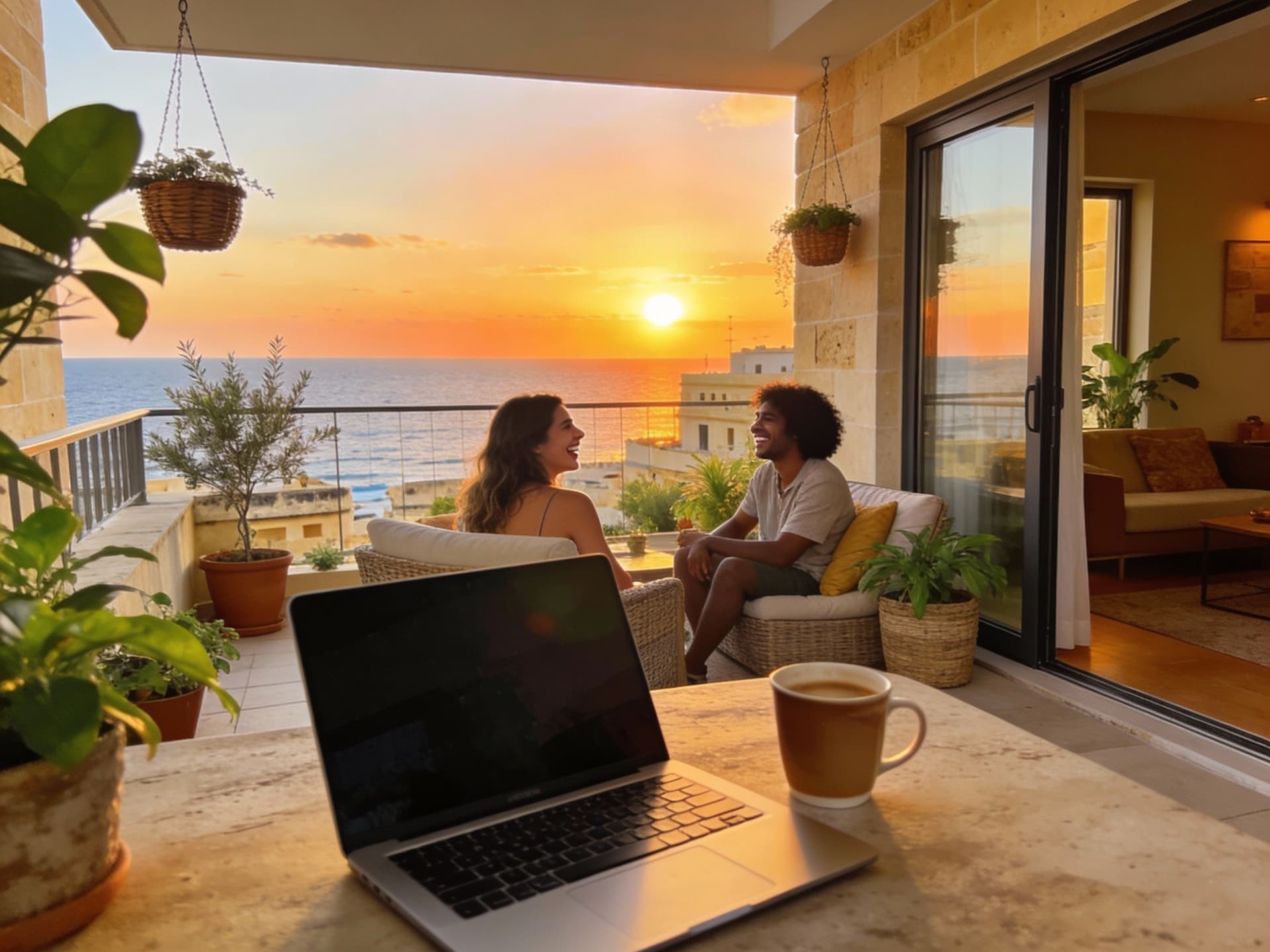
Let’s bridge the dream with the numbers: Malta’s RPPI shows steady yearly increases, but quarter-to-quarter movement and seasonal demand shape real negotiating power. Summer brings tourists, short-term lets and a sense that the market is overheated; autumn and winter strip that away and reveal motivated sellers and clearer stock. For remote workers who value internet and community over pure sea views, timing your search for low-tourist months can net better choices and friendlier prices. Local rules also limit how many foreign-owned homes exist in certain areas, so working with an expert who knows designated zones is essential.
Property styles: how they shape your daily life
Apartments: efficient, central and often modernised — ideal for digital nomads who want fast fibre and a short walk to cafés. Maisonettes: Maltese gems with internal stairs and street access; they blend indoor-outdoor living and often come with character features. Townhouses & houses of character: roomy and atmospheric but can need heavy maintenance and specialist trades. Pick your property type to match daily rituals: rooftop coffee, evening sea breeze, or a quiet study nook with neighbours who keep normal hours.
Work with locals who know the seasons
Choose agencies that live the off-season strategy: they’ll show you how a quiet November walk through a neighbourhood feels compared with a bustling July afternoon. Good agents also know which developments are in designated foreign-purchase zones and which properties have straightforward title histories. Ask for recent comparable sales from low-tourist months and demand proof of reliable broadband availability — speed beats sea view for a nomad’s productivity. When you pair lifestyle criteria with these checks, offers land more confidently.
Steps to time your Malta buy (autumn/winter playbook):
Visit in off-season to test daily life and work remotely for a week; compare comparable sales from Q4/Q1, not summer; prioritise fibre-ready properties and confirm speeds with providers; negotiate with evidence of lower seasonal demand; use a local lawyer to verify zone permissions for foreign buyers.
Insider knowledge: what expats wish they’d known
Expats say the surprise in Malta is how fast life normalises: you’ll find your cafe table, your favourite market stall and a neighbour who knows the best electrician. Still, some realities bite — renovation costs for limestone properties can climb, and short‑term tourist demand colors summer rentability. Policy shifts (for example recent rulings around citizenship and residency programs) change investor sentiment; always confirm current visa/residency rules before planning finances. Local culture values community ties and festa rituals — join them early and you’ll be welcomed.
Language, customs and making friends
English is an official language; that flattens the learning curve for banking, healthcare and contracts. Still, Maltese social life leans local: weekday evenings and village festas are where you meet neighbours, not tourist hotspots. Learn basic Maltese greetings, shop at the fish market, and show up to local events — the payoff is fast integration and better local intel on contractors and hidden properties. Community networks often spot off‑market opportunities long before listings appear.
Long-term lifestyle: what grows and what fades
Malta’s compactness is its long-term asset: proximity to services, dense walkable villages, and strong tourism underpin steady demand. However, that same popularity squeezes available stock and inflates renovation costs. If your goal is a sustainable nomad life, prioritise areas with coworking options and reliable fibre, and build relationships with local property managers. Over time you’ll trade novelty for routine — the best buys feel less like investments and more like daily happiness.
Conclusion: If you want Malta for life’s small joys — terrace breakfasts, coastal walks, and a neighbourhood that claps during festa season — go when the island shows its true face. Autumn and winter reveal community, negotiation room and the practicalities that summer hides. Book an off-season scouting trip, insist on fibre checks, and partner with an agent who knows designated foreign-purchase zones and seasonal market nuances. Fall in love with the lifestyle first; then use timing and local expertise to turn that love into a confident purchase.
Swedish, relocated to Marbella in 2018 to chase sun and property freedom. Focus on legal navigation and tax for Nordic buyers.