Malta’s Price Myth: Where Value Hides
Malta’s national price index rose ~5%, but lifestyle value hides in neighbourhoods, property types and seasonal timing — use fibre checks and local RPPI data.

Imagine waking up to the smell of praline coffee, stepping out onto a limestone balcony above Valletta’s honey-coloured streets and logging on to a reliable fibre connection while the Mediterranean glitters below. That contrast — a compact island with surprisingly modern infrastructure and a stubborn reputation for high prices — is Malta’s real charm. This story challenges a common myth: yes, headline averages rise, but smart buyers find lifestyle value in hidden pockets, seasonal timing and house types that locals actually choose.
Living the Malta life: sensory rhythms and real neighbourhoods
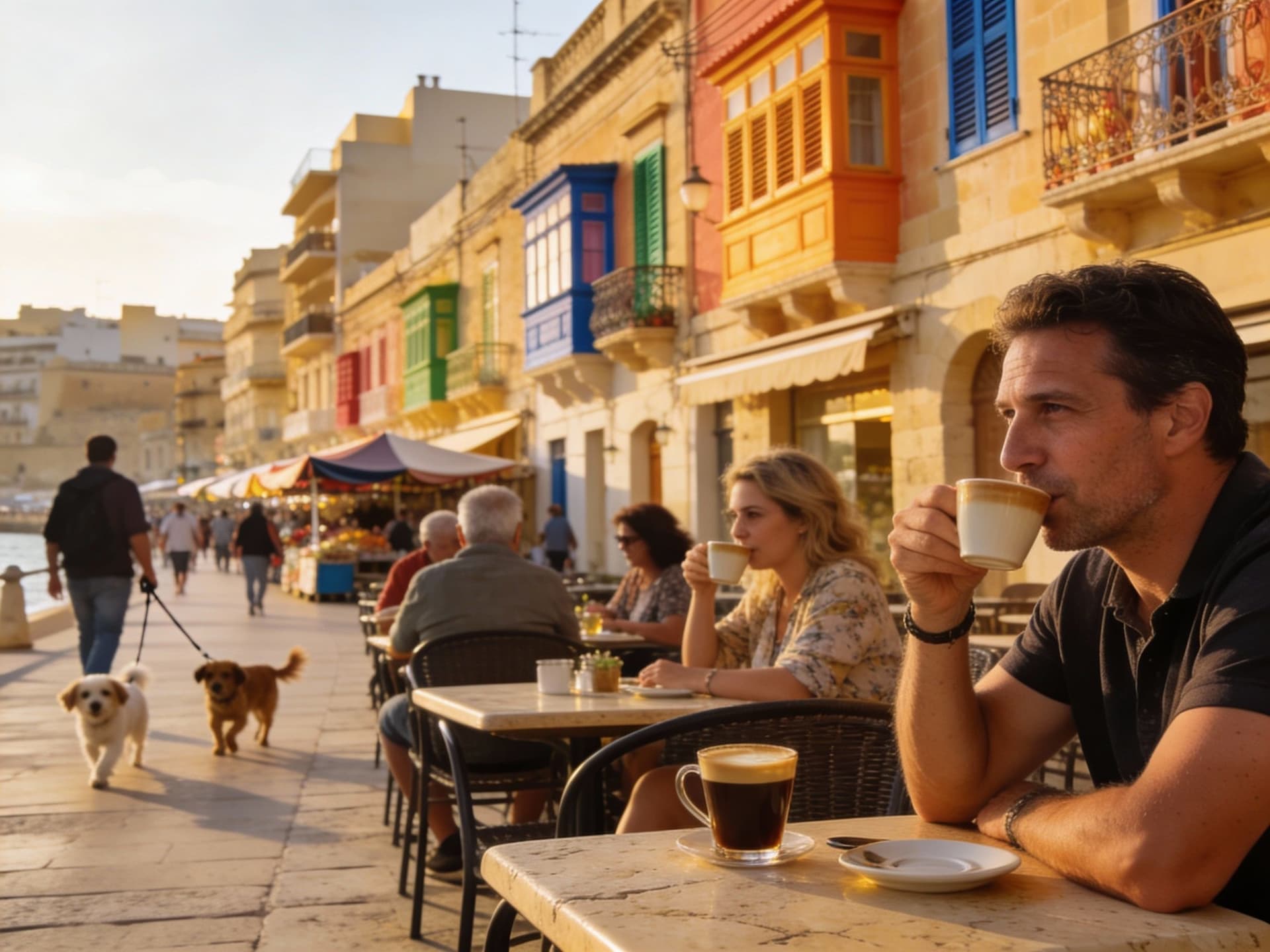
Malta is small enough that your morning espresso routine quickly becomes a neighbourhood ritual. Valletta buzzes with galleries and baroque corners; Sliema and St Julian’s pulse with cafés, rooftop terraces and a coastline for evening runs; Marsaxlokk still wakes to fishermen arranging catch on wooden stalls. Weekends are for festas, harbour swims and lane-side pastizzi runs — life here mixes Mediterranean leisure with efficient services in ways that feel immediately livable.
Neighborhood spotlight: Valletta, Sliema, St Julian’s and Marsaxlokk
Valletta is theatre, history and a steep learning curve of alleyways — perfect for someone who wants walkable cafés, boutique museums and dramatic views from Upper Barrakka Gardens. Sliema blends coastal promenades with coworking cafes and apartment blocks that often offer faster fibre and easier parking. St Julian’s (Paceville aside) has modern apartments and a nightlife beat for social nomads. Marsaxlokk and the fishing villages offer cheaper house-of-character options and a slower pace — great if you prize a seaside morning routine over constant city energy.
Food, markets and the weekend ritual
Market mornings (Ħal Tarxien or Marsaxlokk market), long lunches of lampuki pie and late-afternoon aperitifs on a terrace shape how Maltese people live. The island’s tiny geography means great restaurants and neighbourhood bakeries are rarely far. If you love the social ritual of dining out and spontaneous seaside escapes between calls, Malta’s compactness is a daily luxury — but it also means popular cafés and co-working spots fill up fast in high season.
- Price snapshot: nationwide indices rose ~5% year-on-year in recent quarters — but that headline hides micro-market variety and seasonal shifts.
Making the move: practical considerations that protect the lifestyle
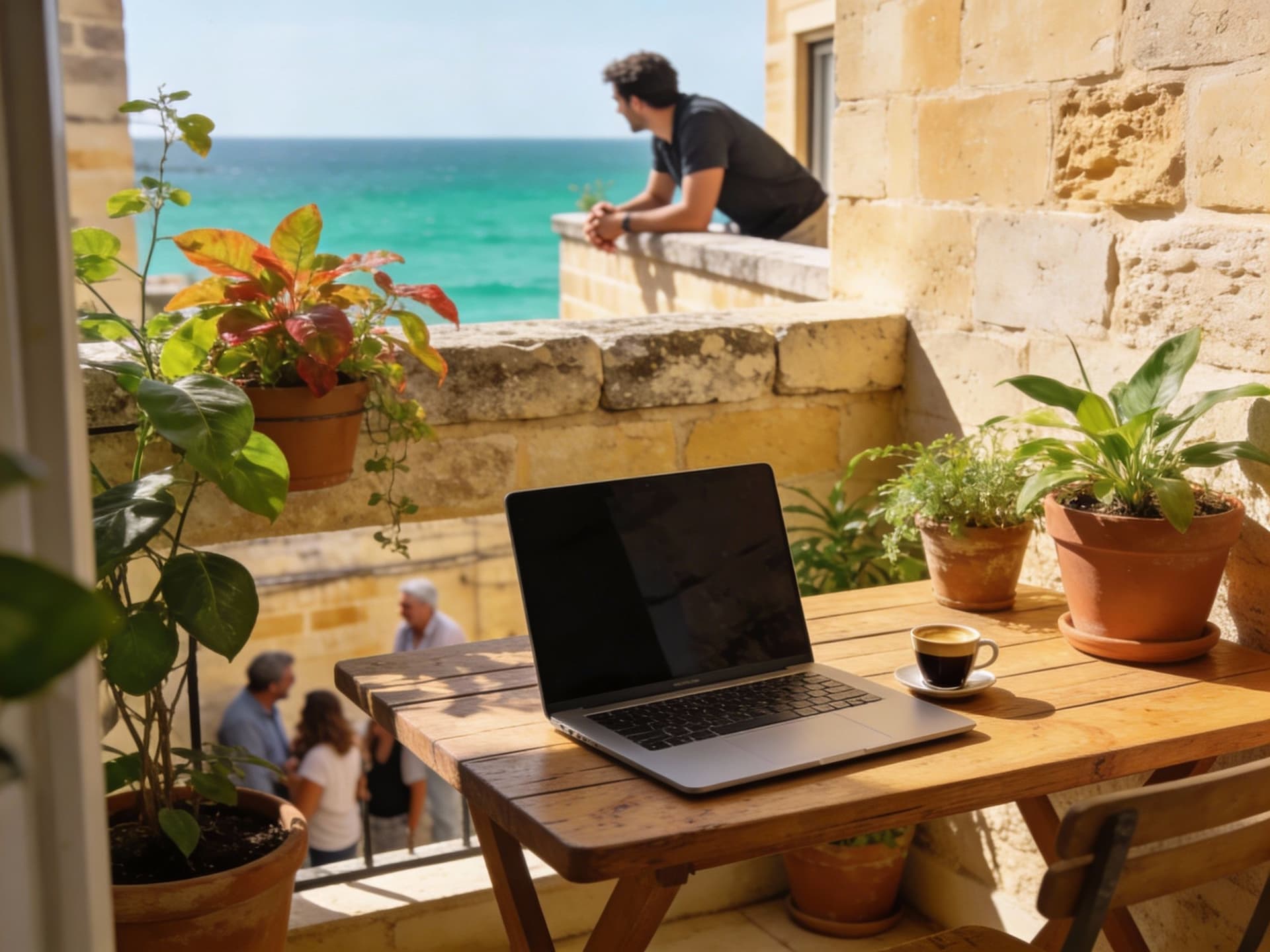
Let’s be blunt: Malta’s national price indices have climbed, but that doesn’t mean every street is overpriced. What matters is matching property type to how you actually live. A maisonette with a private roof terrace in a coastal village might cost less per square metre than a renovated apartment in Sliema but deliver the same ‘outdoor office’ lifestyle.
Property styles: what works for nomads and remote workers
Apartments give walkability, access to cafés and shorter commutes to coworking hubs. Maisonettes and houses of character reward you with terraces and storage for bikes, surf gear or a small home office. New builds often advertise A/C and modern insulation — useful in hot summers — but older stone flats provide thick walls that keep interiors cool and beautiful character you’ll show off on Zoom.
Working with local experts
- 1) Ask agents about recent contract timing and off-season bargains; 2) insist on fibre/fixed broadband speed checks (many Sliema/Saint Julian’s buildings have better infrastructure); 3) verify RPPI trends for the exact locality with NSO data; 4) confirm residency/residence-permit implications early — policy shifts happen and have impacted investor demand.
Insider knowledge: what expats wish they’d known (and local quirks to respect)
Expat life in Malta is social, immediate and sometimes loud. Festas spill into nights, shops close mid‑afternoon, and paperwork can require patience. But there are pragmatic upsides: English is official, healthcare is accessible, and a strong short‑stay rental market can make buy-to-let attractive if you plan to rotate the property between personal use and rentals.
Cultural cues that change where you buy
Locals often avoid ground-floor flats in older streets because of humidity and street noise; foreigners are drawn to sea-views even when inland courtyards offer quieter value. Translation: don’t pay extra for view if you want sleep and focus for work. A local agent will tell you which streets flood slightly in winter and which have neighbours who party on festas — both matter for daily life.
Real-buy tips from residents and nomads
- Check fixed broadband and mobile signal inside the unit; ask for recent utility bills to judge running costs; test commute and café Wi‑Fi at the times you’ll actually work; consider a maisonette’s terrace as an ‘outdoor office’ rather than paying for a larger inland apartment; keep an eye on RPPI trends for your exact locality rather than island averages.
Conclusion: Malta rewards curious buyers who prioritise lifestyle fit over headline averages. Use the island’s compactness to your advantage — choose streets where locals live, time viewings in shoulder season, and lean on a local agency that understands both festa rhythms and fiber availability. If you want help matching a specific lifestyle (beach mornings, rooftop work sessions, or village calm) to the right property type, start with a short list of neighbourhoods and a tech-check — then fall in love with the street, not the statistic.
Danish investor and relocation advisor focusing on Portugal and the Algarve; loves coworking culture and expat networks.