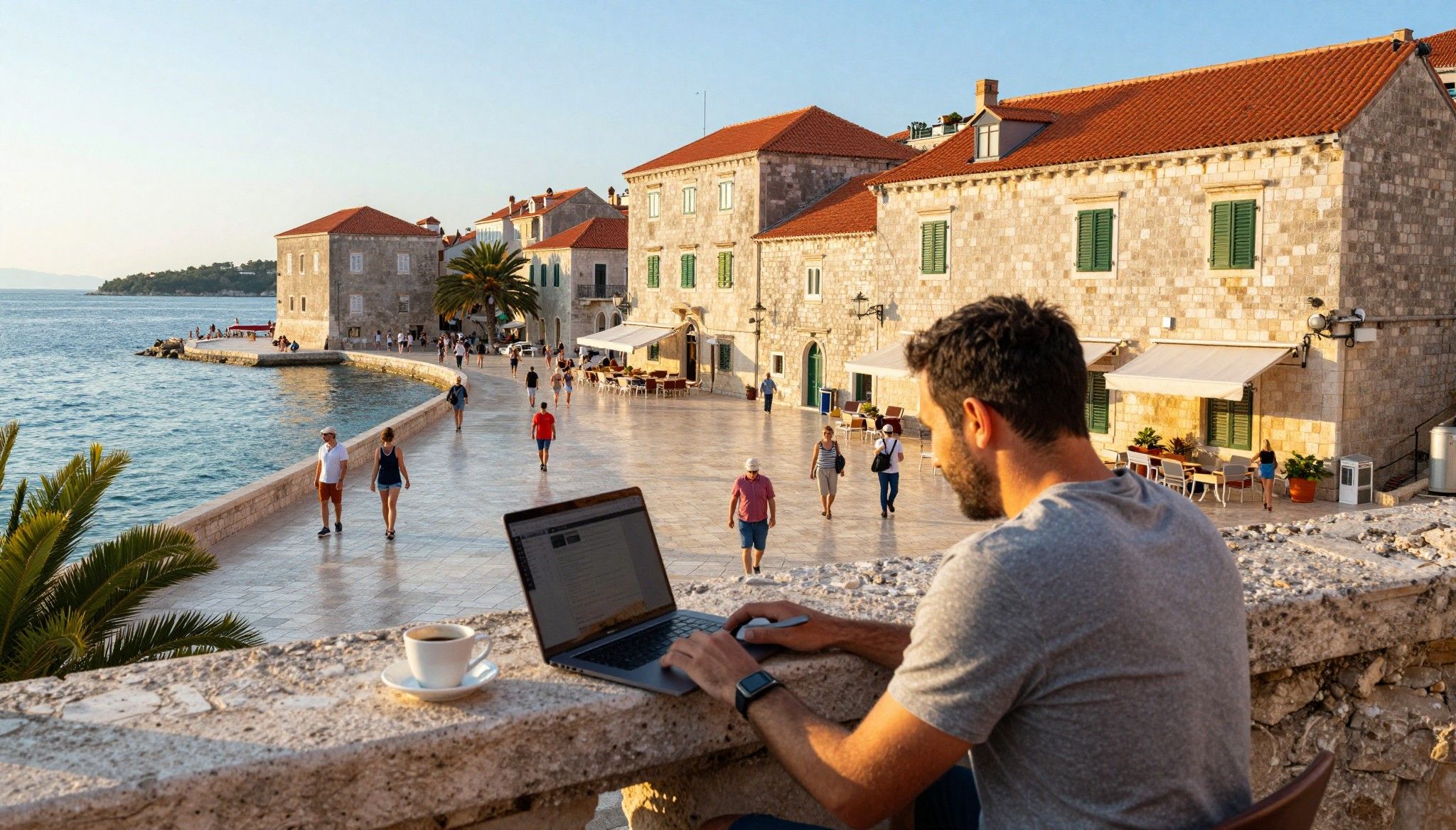
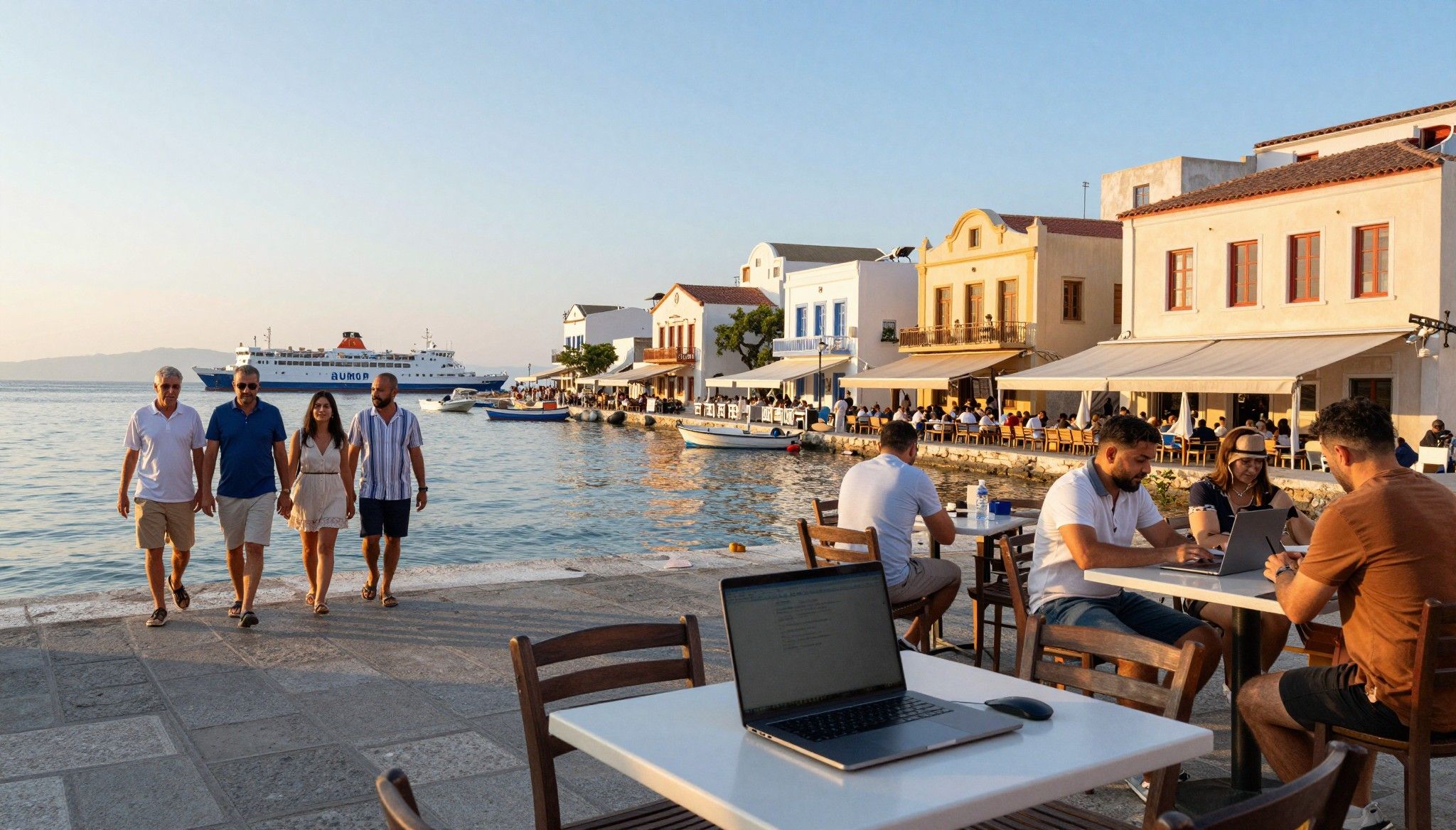
Paros vs Athens: Where Lifestyle Pays Off in Greece
From Koukaki cafés to Paros terraces: how nomads match Greece’s irresistible lifestyle with data‑backed buying moves and season‑aware agency choices.

Imagine sipping an espresso at Koukaki’s corner café while the Acropolis buzzes above and, an hour later, catching a ferry to an island where bougainvillea frames your balcony. That split-day life is Greece: mythic ruins, whitewashed cycladic lanes, messy markets and unexpectedly fast fibre in pockets of Athens and the islands. This piece is for nomads who want the sun, the community and the reliable remote-work life — plus the practical playbook to buy here without the usual mistakes.
Living the Greece lifestyle
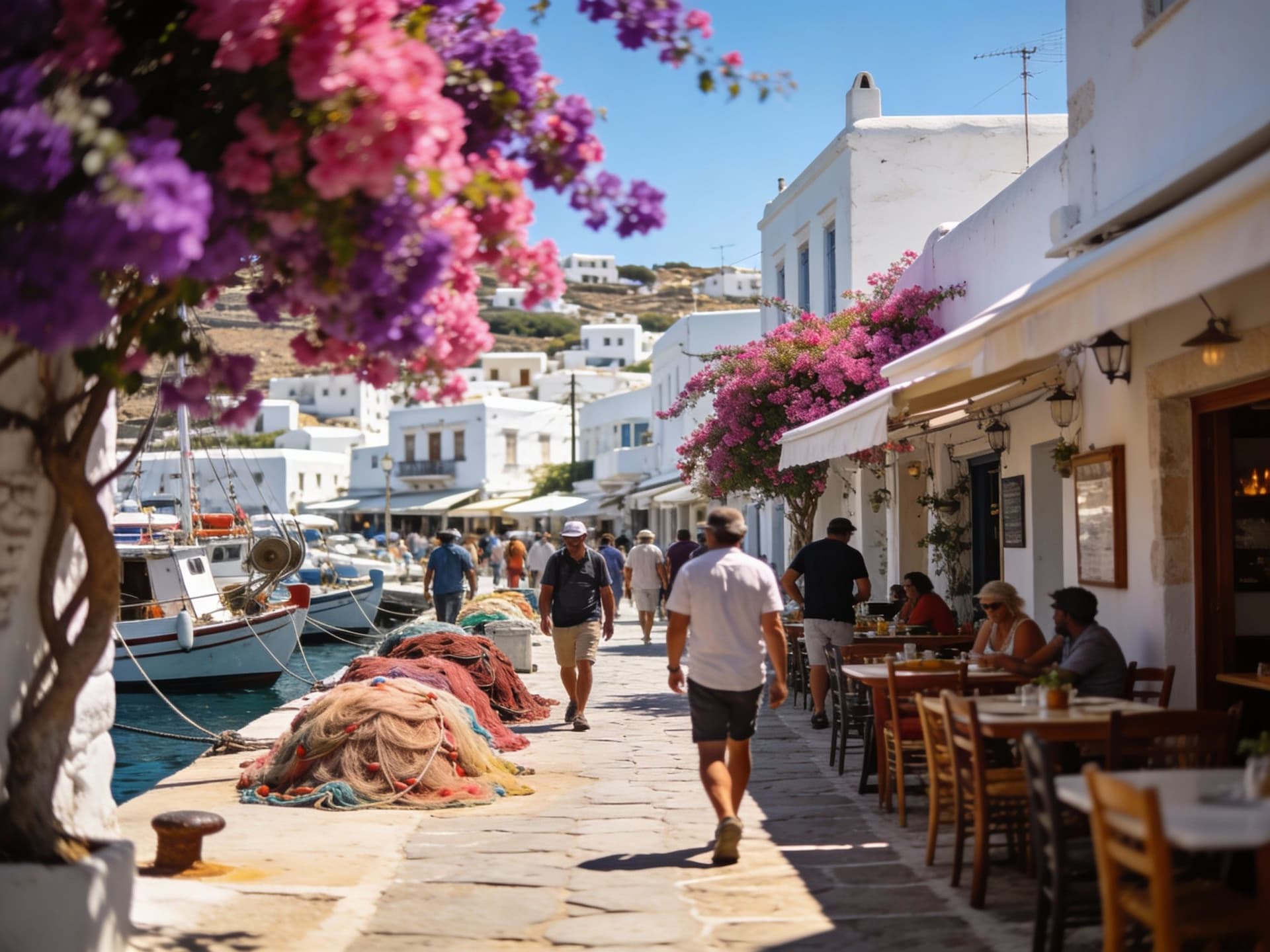
Greece is sensory: sun that tastes salty, markets that smell of oregano and fresh fish, and streets that sound like late-night taverna laughter. Cities and islands offer different heartbeats — Athens hums with cafés, coworking spaces and late‑night tavernas; islands like Paros or Naxos move at tide-driven rhythms where you schedule work between swims and village festivals. Recent tourism and market reports show rising interest in smaller islands — Paros has jumped in global rankings — which matters for both lifestyle and price dynamics. ([greekcitytimes.com](https://greekcitytimes.com/2025/08/01/paros-travel-leisure-2025/?utm_source=openai))
Athens: city-day, island-weekend
Walk through Koukaki at golden hour and you’ll find remote workers on laptops, pastry crumbs on plates and a neighbourly rhythm that makes city living feel intimate. Neighborhoods like Koukaki, Psyrri and Pangrati blend historic sidewalks with new cafés and coworking spots — perfect for nomads who want urban convenience with a neighbourhood feel. Note: price growth in central Athens moderated in 2024, but hotspots with short‑term rental demand (Koukaki, Neos Kosmos) still command premiums, so expect trade-offs between vibe and value. ([ekathimerini.com](https://www.ekathimerini.com/economy/real-estate/1269849/realty-rate-rise-halved-in-2024/?utm_source=openai))
Islands: beach days, community nights
Choose the islands and life slows in the best possible way: morning swims, afternoon remote work on shaded terraces, evenings at a local taverna where everyone knows your name. Paros — recently spotlighted by Travel + Leisure — shows how demand is shifting to islands that balance authenticity with service, which affects price and availability faster than you’d expect. If you crave a friendly local scene where your corner café recognizes your order, look beyond the headline islands to places where community still beats crowding. ([tovima.com](https://www.tovima.com/society/paros-named-the-worlds-best-island-for-2025-by-travel-leisure?utm_source=openai))
Making the move: practical considerations

Lifestyle dreams meet paperwork and market reality — and that’s fine if you come prepared. Prices rose across Greece in 2024 but the pace slowed, which gives buyers a breathing window to research and choose intentionally. Whether you want an Athens pied‑à‑terre, a sea‑view Cycladic house, or a village renovation, your checklist should include internet reliability, seasonally-driven rental behaviour and local transport links. Data-driven choices reduce regret: look at recent trends for region-specific momentum before you bid. ([brevitas.com](https://brevitas.com/articles/2025/4/greece-real-estate-market-overview?utm_source=openai))
Property styles and how you’ll actually live
Stone village houses invite slow weekends and big kitchens; modern Athens flats mean reliable fibre and walkable cafés; new coastal builds bring pools and terraces but can be quieter off‑season. Think beyond photos: test your afternoon working spot (terrace shade, glare on the screen), check phone signal in the street, and ask local agents about heating and insulation — Greek summers are forgiving but winters can be damp in older stone homes. Match property type to your routine: frequent island escapes need easy ferry or flight links; full-time nomads need dependable urban infrastructure.
Work with local experts who know the lifestyle
A local agent who spends weekends on the islands and weekdays in Athens is worth their weight in saved time and headaches. They’ll flag seasonal quirks (utilities spike in August, short‑term rental rules vary by municipality), introduce reliable contractors and explain neighbourhood rhythms. For nomads, also check visa and tax path options: Greece offers digital nomad frameworks and tax breaks aimed at attracting remote workers, which changes the calculus for long‑term living vs. short stays. Ask agencies about recent transactions, local contractors and community connections. ([digitalitinerant.com](https://digitalitinerant.com/europe/digital-nomad-visa-greece/?utm_source=openai))
Steps to pair lifestyle with a smart buy: 1. Spend two weeks living in your target neighbourhood or island during different seasons to test internet, noise and logistics. 2. Verify broadband speeds and mobile reception at the exact address with speed tests and local SIMs. 3. Ask agents for neighborhood transaction comps and short‑term rental histories, not just listing prices. 4. Meet a local property lawyer and ask about municipal rules, building permits and ENFIA implications. 5. Budget for seasonal costs (air conditioning, winter heat, maintenance) and a 10–15% renovation buffer.
Insider knowledge: what expats wish they’d known
Here’s the real talk from people who moved here: Greek bureaucracy moves at its own tempo; relationships matter more than paperwork alone; and the best neighbourhoods are often the ones with the corner bakery. Integration isn’t instant — language helps but friendly consistency (attending a weekly market, joining a running group or volunteering) unlocks community faster than any app. Expect seasonal solitude in many coastal towns outside peak months — that’s paradise for some and loneliness for others, so choose accordingly.
Cultural rhythms and daily life
Greek social life orbits food and festivals: name‑day dinners, Sunday market runs, and summer village panigiria where everyone gathers under strings of light. For nomads, that means plenty of ways to plug in — language exchanges in Athens, yacht crews on Paros, weekend hikes on Crete — but also planning your workflow around local holidays and ferry timetables. Embracing local customs makes life easier and more joyful; respecting quiet siesta rhythms helps you be a welcome neighbour.
Long-term lifestyle: how life evolves here
Five years in, many expats say their life looks different: routines shift from sightseeing to hosting friends, from weekend flights to olive‑picking with neighbours. Property increasingly acts as both home and income source; national valuations show real estate remains a dominant store of value in Greece, so think long-term maintenance and community ties, not speculative flips. Build local relationships — a trusted notary, a reliable builder, and a neighbour who can water the plants — and your investment becomes a life, not just an asset. ([greeceindex.com](https://www.greeceindex.com/listing/value-of-real-estate-in-greece-2025/?utm_source=openai))
Lifestyle highlights and neighborhood picks: - Athens: Koukaki for village-in-the-city vibes and morning cafés. - Athens: Kifisia for leafy streets, quieter days and family-friendly parks. - Cyclades: Paros (Naoussa) for a lively but authentic island scene. - Crete: Chania for culture, markets and year-round life. - Peloponnese: Nafplio for castle‑town charm and short drives to beaches.
If you’re already dreaming of a Greek life, do this next: book two separate scouting trips (one urban, one island) in different seasons, bring a speed‑testing SIM, and meet at least three local agents who actually live where they sell. Expect to fall in love with a street before you commit to the house; that’s okay. Agencies are your shortcut to neighborhoods that match your routine — but remember, the best buy balances lifestyle, connectivity and seasonal reality. Ready to plan a scouting trip?
British expat who moved from Manchester to Mallorca in 2017. Specializes in market analysis and helping fellow Brit navigate local regulations.