Why Italy’s Price Tag Hides Lifestyle Opportunity
Italy offers textured lifestyle choices and regionally uneven prices; focus on neighbourhood rhythm, fibre, and local expertise to buy smart and live well.
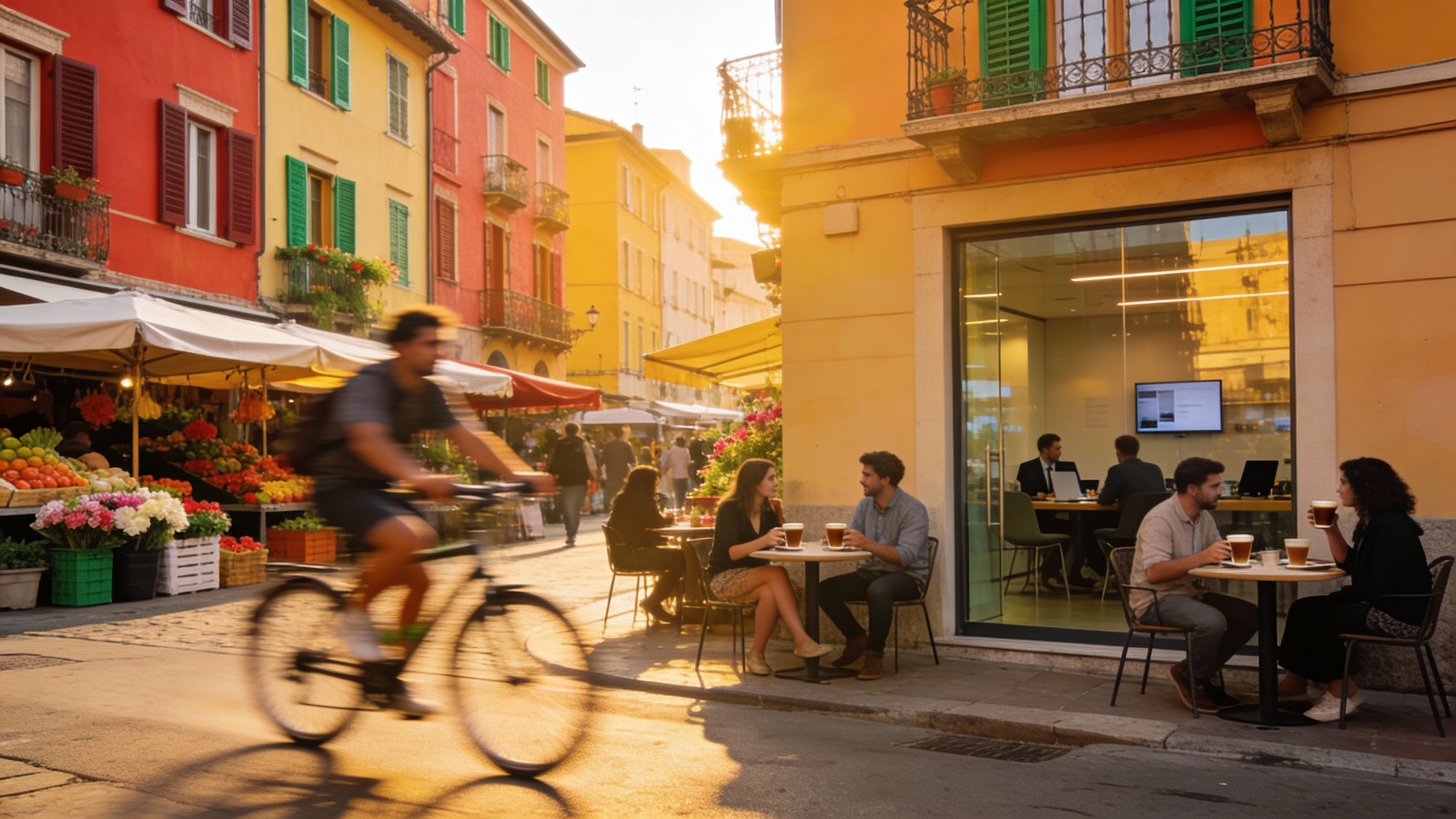
Imagine morning espresso on a tiny balcony in Trastevere, bike racks overflowing at dawn in Florence’s Oltrarno, and a coworking lunch where a startup founder and a freelance designer swap tips. Italy isn’t a postcard — it’s a rhythm: slow market mornings, loud piazzas at sunset, and real neighborhoods where life happens on the street. For many international buyers that rhythm is the point; for smart buyers, it also hides opportunity. Recent national data shows price growth but lots of regional variation, which means you can buy into lifestyle rather than hype.
Living the Italy lifestyle
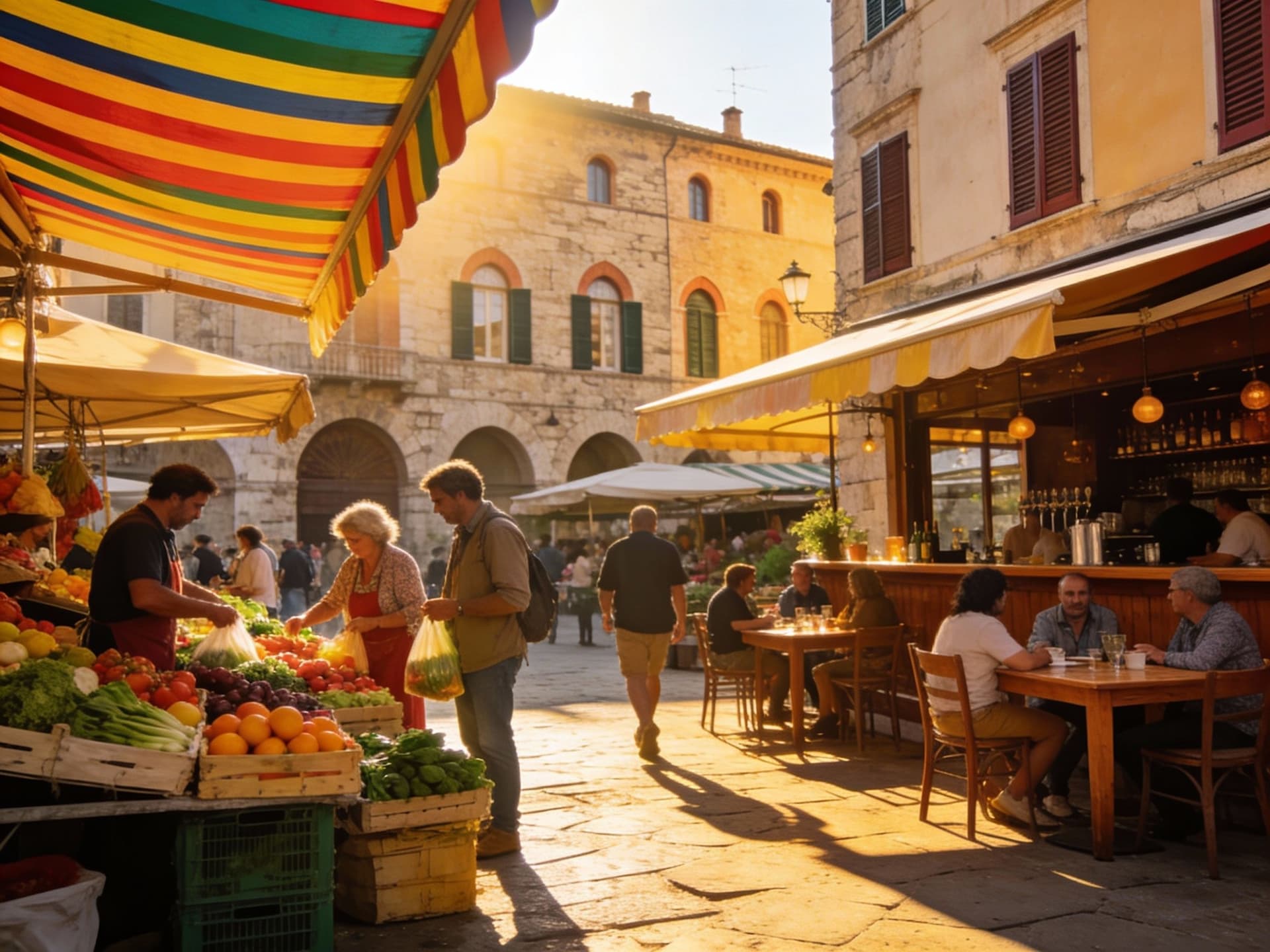
Life in Italy is textured: mornings shaped by cafe light and pastry queues, afternoons in neighborhood markets, evenings of lingering aperitivo and small‑plate conversation. Cities pulse with regional identity — Milan hustles, Bologna sings, Naples fumes — while small towns give you seasonal community and produce stands. These lifestyle cues should drive where you buy: if you crave late nights and coworking culture, head north; if you want slower, agriturismo weekends, look to Tuscany, Puglia or Sicily. National house price indices have risen modestly, but the story for buyers is in micro‑geographies and seasonal demand.
Neighborhood spotlight: Rome, Milan, Bologna (and the surprising runner‑ups)
In Rome pick a pocket: Trastevere for late‑night life and narrow lanes; Parioli if you want leafy boulevards close to parks and quieter cafes. Milan’s Navigli and Isola give canal vibes and excellent coworking density; Brera is artsy but pricier. Bologna is a sleeper nomad hub — compact, university driven, and with nightly aperitivo culture that makes making friends easy. And don’t ignore secondary gems: Parma for foodies, Lecce for baroque charm, or Trieste for a quieter Adriatic tempo. The coworking boom is strongest in Milan and the north, but city growth is spreading demand and opportunity.
Food, markets and the daily rituals that shape where you live
Markets are life. In Palermo you can buy fresh fish at dawn; in Florence the Mercato Centrale fuels dinner plans; in Modena you learn about balsamic producers you didn’t know existed. These everyday rituals change how you use a kitchen, how often you eat out, and what kind of storage you need — all property decisions. If your day includes market runs and rooftop dinners, prioritise apartments with outdoor space or easy access to a piazza. If coworking and fast commutes matter, choose central neighborhoods with fibre and short public‑transport hops.
- Lifestyle highlights to look for when you scout neighbourhoods
- Daily market life (e.g., Campo de' Fiori, Mercato di Porta Palazzo)
- Coworking density and reliable cafés with power and Wi‑Fi (Milan, Bologna, Rome pockets)
- Walkable streets with a mix of grocery, cafes and nightlife (Oltrarno, Trastevere, Navigli)
Making the move: practical considerations
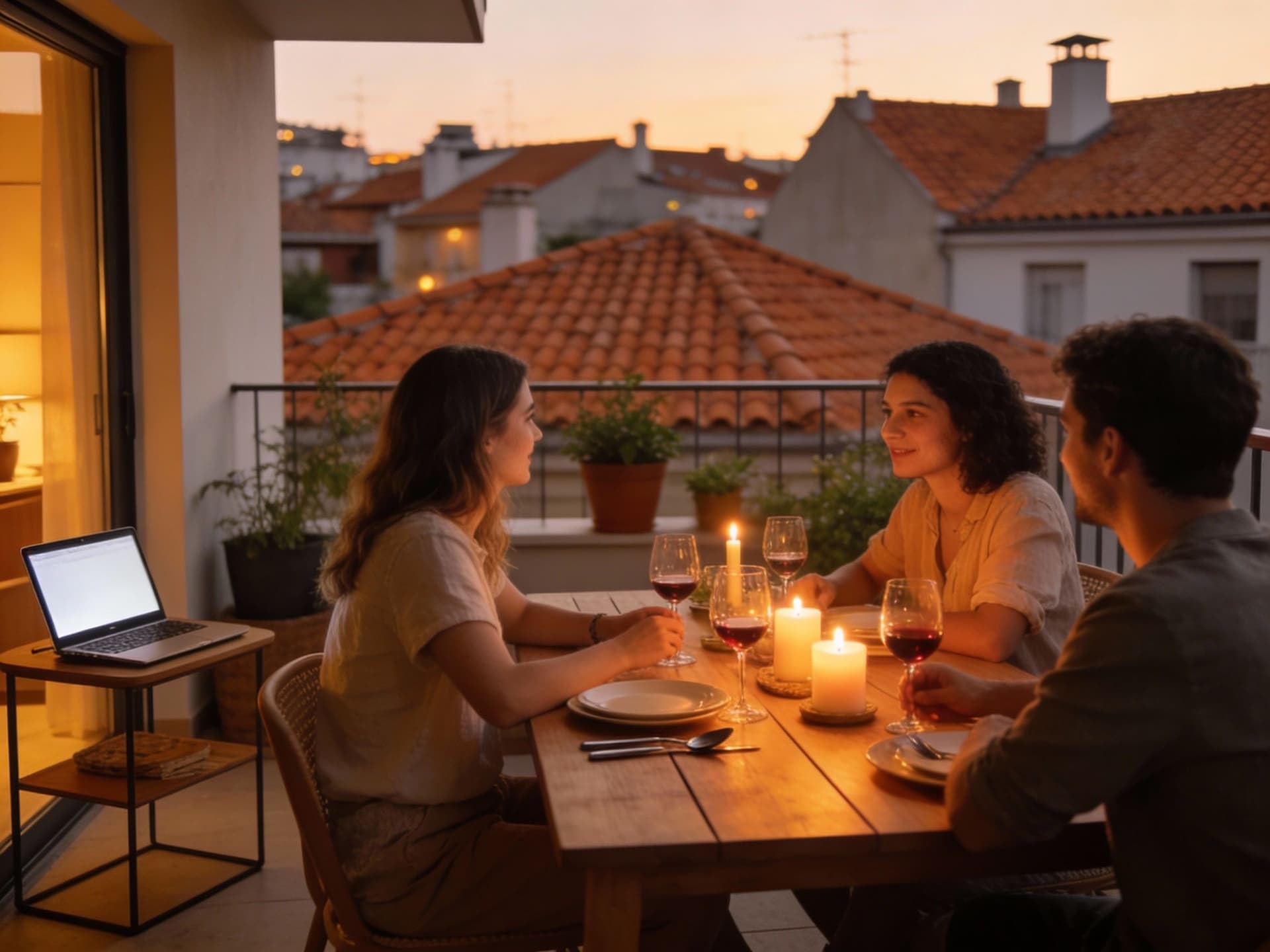
The dream has details. Start with market reality: Italian national data shows modest but steady price growth, yet averages hide big regional differences — coastal Puglia still offers value while central Florence remains coveted. Timing matters (seasonal tourist influx and festival weeks can skew viewings) and so does tech: make sure fiber is available if you plan to work remotely. Work with agents who know both the legal steps and the local rhythm — they’ll tell you when a market is soft, when sellers are motivated, and where renovation value exists.
Property styles and what they mean for daily life
A restored centro storico apartment offers character and proximity but often thin walls, stairs, and limited storage; a modern Milanese loft gives light and coworking vibes but comes at a premium. Farmhouses (masseria, casale) in Puglia or Tuscany deliver outdoor living and land, ideal for weekend hosting and home offices with views. Factor in insulation, heating systems (gas vs. radiators), and lift access — these affect year‑round comfort and utility bills far more than a glossy kitchen.
Working with local experts who get nomad life
Practical steps agents and relocation specialists will help you with:
- 1. Confirm fibre and mobile coverage and request speed tests from sellers or neighbours.
- 2. Time viewings off tourist seasons—late autumn or winter can reveal true neighbourhood life and negotiating leverage.
- 3. Ask for a breakdown of running costs (condominio, heating, IMU if applicable) and recent energy bills before making an offer.
- 4. Use a local lawyer via your agent to verify titles, cadastral maps and any renovation licences for older buildings.
Insider knowledge: what expats wish they’d known
Real talk from expats: local rhythms matter more than glossy listings. Expect bureaucracy and language small‑print; expect neighbourly help at the market. Seasonal life shifts — coastal towns quiet in winter, hill towns hum in harvest — and that affects rental demand and resale. Many wish they'd checked fibre availability before signing and looked harder at insulation and mould risk in older homes. Finally, consider residency and tax choices early: Italy offers new remote‑worker/favourable regimes that can affect your long‑term cost picture and how you plan work and travel.
Cultural integration and building community fast
Join local markets, language meetups, and coworking events. Volunteer at festivals, sign up for a cooking class, and buy your coffee at the same bar every morning — these small rituals create the social scaffolding that makes a place feel like home. Expat Facebook groups and coworking noticeboards are good shortcuts, but nothing beats regular in‑person presence.
Long‑term lifestyle considerations that shape investment value
Think in seasons and infrastructure. Areas with improving transport links, stronger coworking presence, or nearby universities tend to outpace averages. Conversely, pure tourist zones may spike in summer but underperform in long‑term resale or year‑round rental income. Use regional trends — not national headlines — when you model returns or lifestyle longevity.
Conclusion — Fall in love, but carry a checklist. Pick places where you can picture daily rituals: café routes, market runs, weekend escapes. Then check fibre, heating, permits and title. Work with local agents and lawyers who understand the nomad brief — fast internet, coworking access, and neighbourhood life. Italy gives you texture and choices; do the small practical homework and the lifestyle you bought into will be the life you get.
Norwegian who has helped 200+ families relocate from Oslo to Spain; expert in relocation services and community integration.