Why Winter Is Italy’s Secret House‑Hunting Advantage
Winter in Italy quiets the market — motivated sellers, honest viewings and negotiating power. Pair lifestyle priorities with seasonal strategy and local agency expertise.
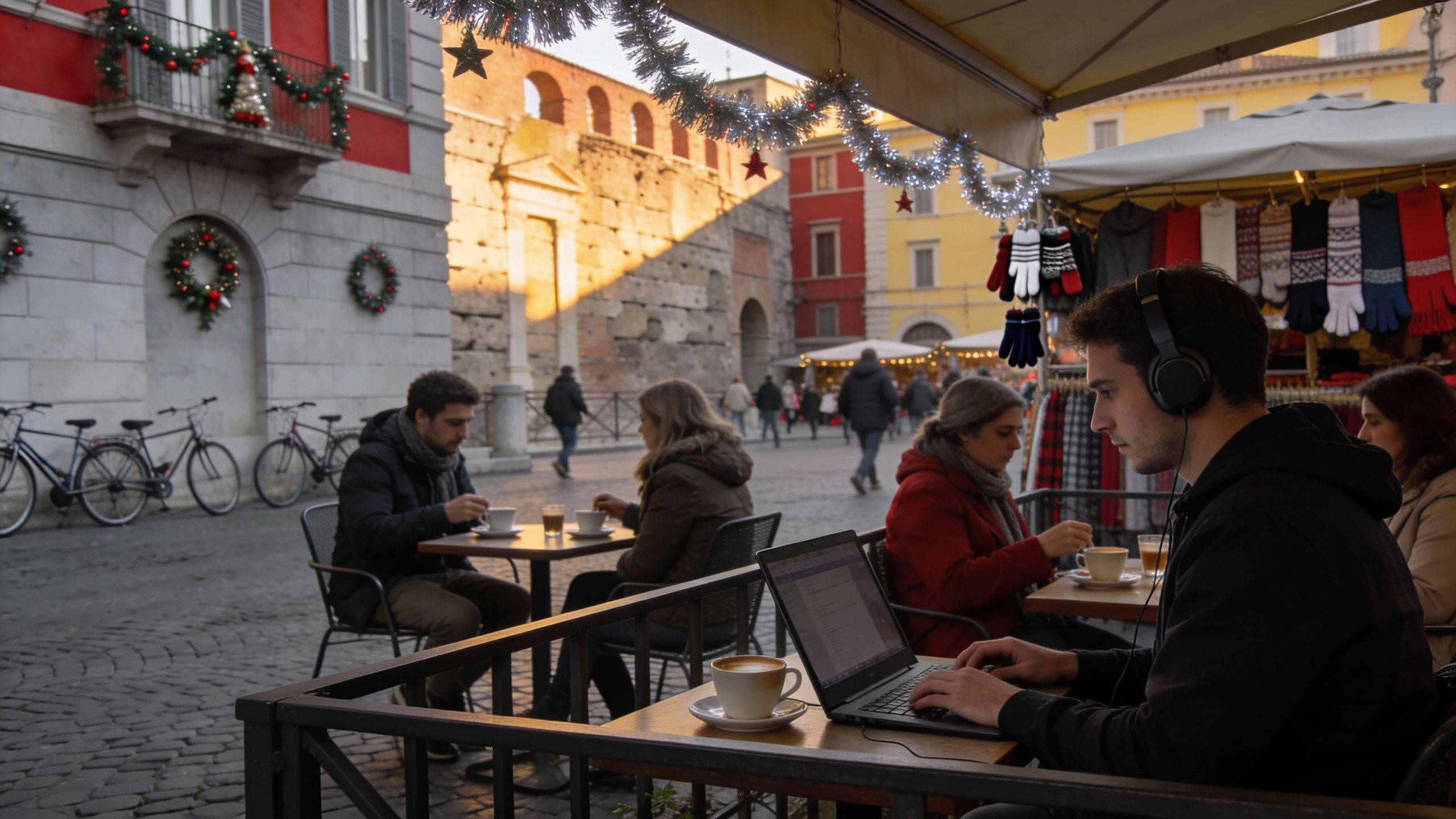
Imagine stepping out at 8am in late January to a steaming espresso on a nearly empty piazza — the air is sharp, the streets quieter, and the market listings feel less frantic. In Italy, that off-season hush is your advantage: motivated sellers, agents with time to dig, and houses you can measure by real life rather than festival-season hype. I learned this the hard way after losing three bidding wars in summer and then buying a tidy Trastevere flat in winter; the experience changed how I think about timing here. If you love food, sun and social life, Italy is obvious — but the smartest move is picking when to look, not just where.
Living the Italy life — mornings, markets and pace
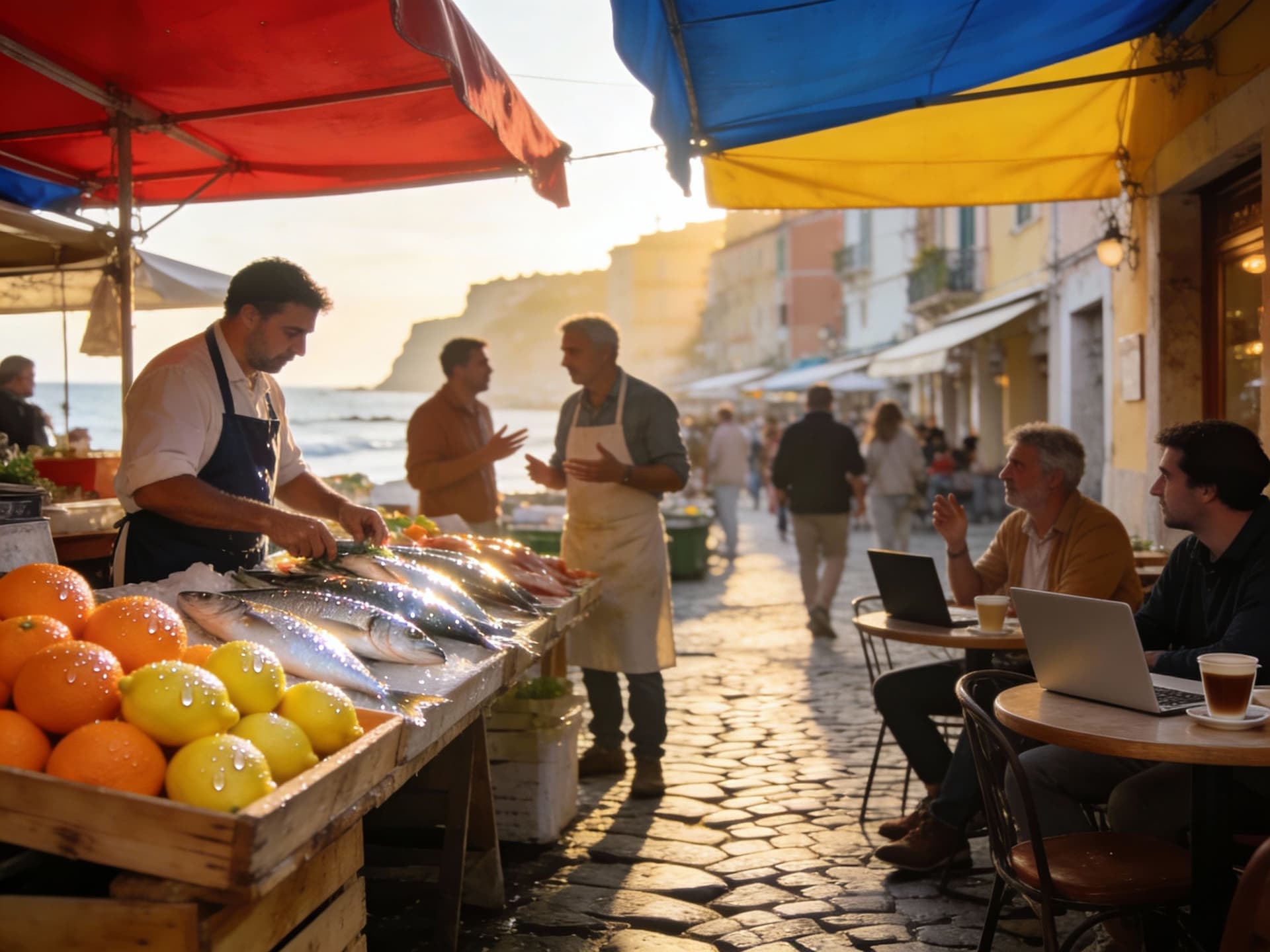
Daily life in Italy is a choreography of rituals: morning coffee at the bar (quick, standing), market runs for fresh produce, long late lunches that pause the workday and passeggiata evenings. Cities and regions each have their own tempo — Milan hums with design and coworking energy, Bologna smells of ragù and student life, coastal towns slow down to beach rhythms. For a nomad, that means mixing workdays in bright coworking hubs and afternoons in neighborhood cafés where the wifi is dependable and the flat white is excellent. Behind the romance, the market behaves seasonally — listing volumes, agent availability and seller urgency all shift with the calendar, and that’s where opportunity hides.
Why neighbourhood choice matters: city vs coast vs countryside
Pick Milan and you get quick fiber, coworking density (Milan hosts most of Italy’s spaces) and a strong rental market for short-term lets. Choose Liguria or Puglia and mornings start with sea breezes, markets piled with seafood, and a slower pace — but expect patchy broadband in tiny hamlets. Tuscany or Umbria offers hilltop villages, artisanal markets and country living; think stone houses, olive groves and renovation projects that reward patience. The right neighbourhood matches your work setup: stable internet, a nearby café where you can take calls, and a community you want to join.
Coworking and connectivity: Italy’s coworking scene has expanded fast in the last few years, concentrated in Lombardy, Lazio and Veneto, which means remote workers have real options beyond cafés. Average daily desk prices vary a lot — expect higher fees in Milan and competitive monthly plans elsewhere — and bigger players now have more locations, smoothing short-term stays. If 'workability' is non-negotiable for you, prioritise towns with stable fiber, nearby coworking and a cafe culture that supports meetings.
- Lifestyle highlights to scout when you visit (neighbourhood-level): Corso Como (Milan) — late-night aperitivo and coworking options; Trastevere (Rome) — piazza life and winding streets; Santa Croce (Florence) — artisan shops and short walks to galleries; Porto (Bari) — coastal markets and seafood dinners; Oltrarno (Florence) terraces — sunset wine on small piazzas.
Making the move: timing, property style and agency help

Here’s the reality check: national indices show modest annual price gains in recent quarters, with existing-dwelling prices often driving the increase while new-builds fluctuate. Italy’s official house price index reported a 4.4% year-on-year rise in Q1 2025, but local markets vary — Idealista’s listing prices show city-by-city differences and occasional seasonal dips. That mix creates windows where buyers who know the calendar and local market can negotiate smarter. In short: lifestyle-led choices are best paired with timing tactics informed by market data.
What property types actually suit a nomad life
If you work remotely, prioritise: a fast, wired internet hookup (not just 'good wifi'); a bright corner suitable for a desk; proximity to cafés or coworking for variety; and easy short-term rental potential if you plan to monetize when away. In cities, apartments with small outdoor space or a roof terrace are gold. In the countryside, focus on good mobile reception, solar-ready roofs and practical layouts that don’t require year-round upkeep by you. Old stone charm is lovely — just check damp, heating systems and insulation before you fall in love.
Work with agencies who speak the lifestyle language
- How a local agency earns their fee: 1) They know which neighbourhoods quiet down in winter and which have year-round demand. 2) They can arrange offline viewings and honest walk-throughs when agents have time to show you the real flaws. 3) They tap into off-market stocks — ideal for buyers who want unique character homes away from tourist funnels. 4) They coordinate tradespeople for renovations and can estimate realistic timelines. 5) They help craft offers timed to seller motivation rather than calendar myths. These are practical services that directly preserve your lifestyle goals.
Insider knowledge: cultural quirks, red flags and seasonal plays
Real talk from expats: locals prize long relationships, so community integration happens slowly but richly — neighbourhood cafes, volunteer groups and language classes turn into your social life. Beware over-polished listings that hide poor heating, or advertised "sea-views" that are a sliver from a back alley. If you're moving on a digital nomad visa or remote-worker permit introduced recently, check eligibility rules carefully; some require minimum earnings and degree proofs. Agencies who’ve handled international clients can walk you through these administrative wrinkles while keeping the lifestyle win front-and-centre.
Seasonal strategy: why winter house-hunting works
- Why winter can be the smarter search season: quieter markets reveal true maintenance issues; sellers who list in winter are often motivated; you’ll meet agents with time to negotiate; viewings show how a house handles cold, rain and heating; and local life (markets, routes, coffee spots) is more honest off-peak.
Red flags to watch (and ask about on-site)
- Evidence of damp or poor insulation; unclear history of renovations or missing permits; sketchy heating system or insufficient radiators; unreliable broadband or no wired connection; and properties advertised as "ready to move in" without recent inspections.
Think long-term: Italy rewards buyers who plan lifestyle-first. Learn a few phrases, pick a neighbourhood where you can picture weekly rhythms, and prioritise a property that supports work and play. Use winter viewings to test heating and community rhythm, and partner with an agency that understands coworking, broadband checks and seasonal negotiation. When you do, you'll find Italy not just charming — but livable, productive and unexpectedly sensible for remote life.
Next steps — a simple winter checklist
- 1) Book viewings in January–February to catch motivated sellers. 2) Ask for recent heating bills and an internet speed test during visits. 3) Request a local agency to run title checks and renovation permit searches. 4) Plan a short pilot stay to test coworking and community fit before committing.
Picture yourself: morning market jog, midday calls from a sunlit terrace, evening aperitivo with neighbours who know your name. That Italian life is possible — but it’s best bought with timing, local know-how and an agency that treats lifestyle as a core part of the brief. Ready to look where the crowds aren’t? Winter is waiting.
Swedish, relocated to Marbella in 2018 to chase sun and property freedom. Focus on legal navigation and tax for Nordic buyers.