France: Fall for the Life, Buy with a Visa-Ready Checklist
Fall in love with French mornings, markets and neighbourhood life — then buy with a lifestyle-first checklist backed by INSEE and official visa guidance.

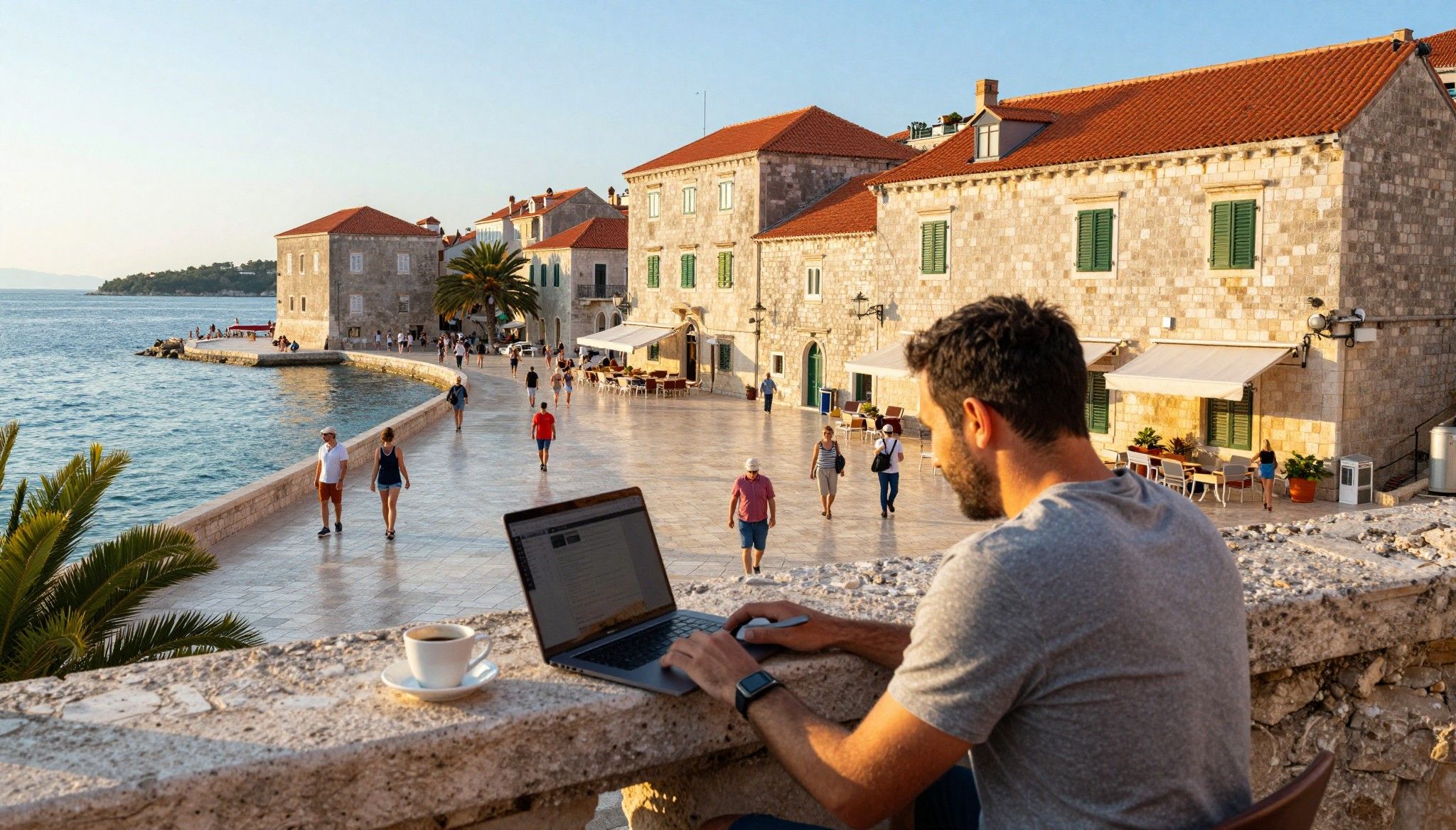
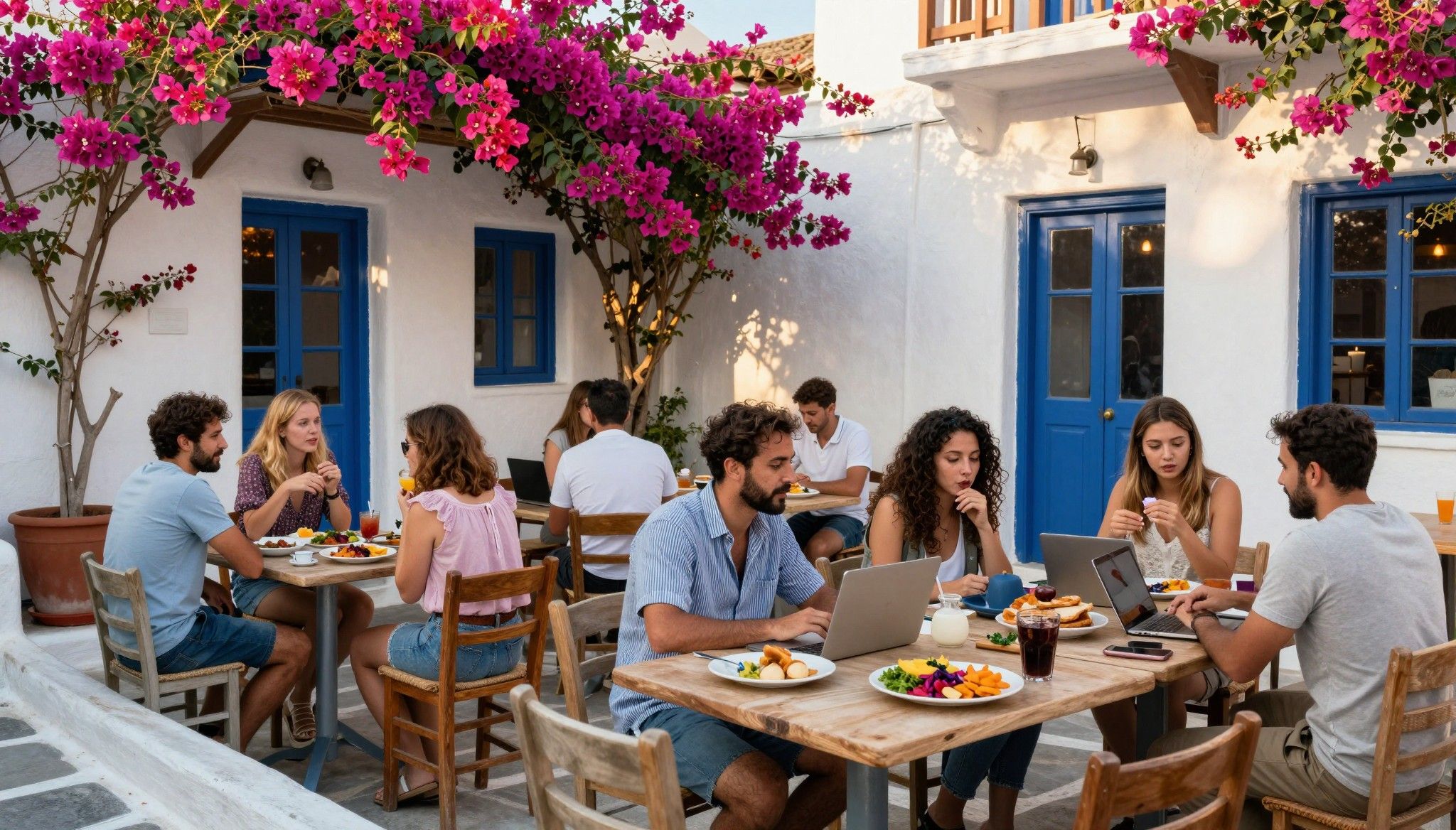
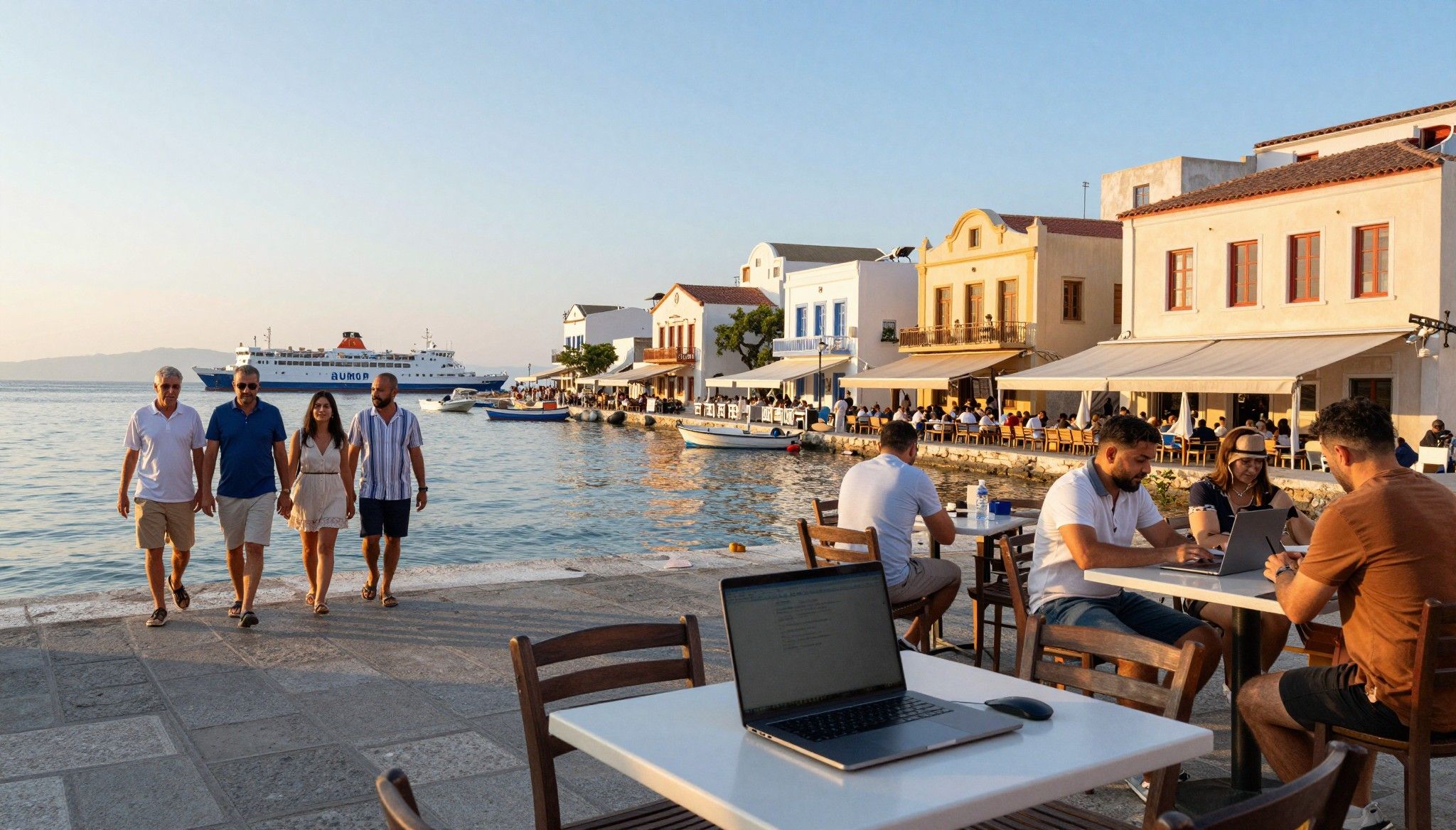
Imagine sipping an espresso on Rue Cler at 9am, walking past a stall of bright tomatoes and warm baguettes, then sitting down to answer a client call from a sunlit apartment with fast fibre. That slice-of-life — markets, cafés, spontaneous neighbourhood banter — is what draws so many of us to France. But lifestyle and paperwork walk hand-in-hand: long-stay visas, local market rhythms and regional quirks will shape where you actually want to buy. This piece is about falling in love first, then buying smart: lifestyle-first insights with practical citations to guide a stress-free move.
Living the France lifestyle: daily rhythms that sell the place
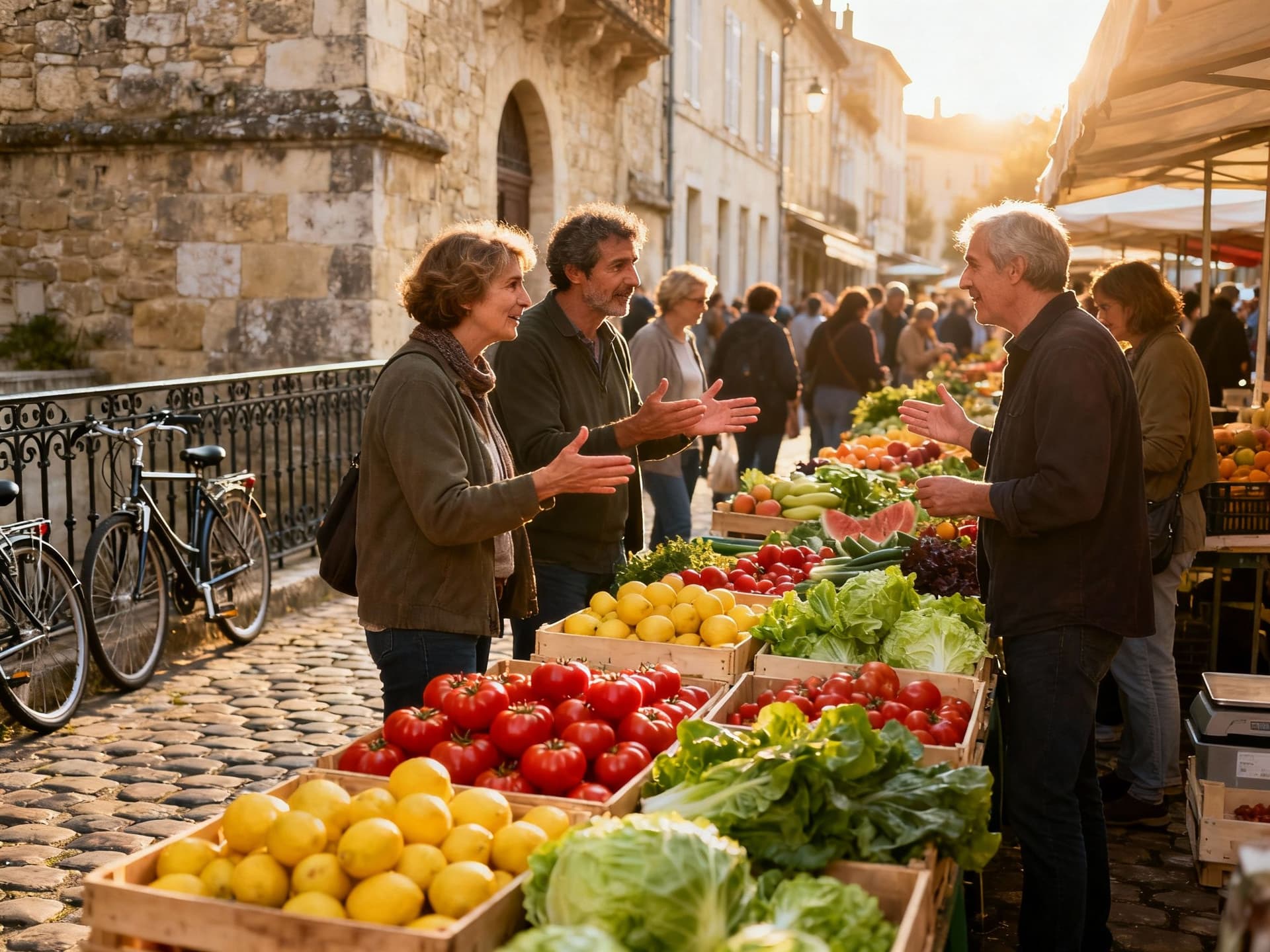
France is a game of small pleasures and clear seasons: morning markets pulse with colour, midafternoon cafés are for reading and replying to emails, and evenings belong to shared meals. Urban rhythms differ sharply by region — Paris is compact and fast, Bordeaux feels like a wine-scented urban village, and Marseille moves to the sea’s cadence. These rhythms also explain recent market movement: after a long correction, national price indices showed modest rebound in early 2025, meaning opportunities exist outside the headline neighbourhoods. Knowing these daily patterns helps you match a property to the life you truly want.
Paris vs provincial towns: two very different mornings
Picture a Paris morning: boulangerie queues on rue Montorgueil, scooters threading between terraces and a short walk to a coworking space. Now picture Aix-en-Provence: lavender markets, wider streets, and a slower morning where you can actually find parking before breakfast. Your choice changes everything — from property type to wifi expectations, commute patterns and the social circles you’ll join. For nomads who need fast internet, check arrondissement connectivity in Paris or fibre availability in regional towns before falling for a façade.
Food, markets and the social calendar
If your days will revolve around open-air markets, bistros and weekend picnics, you’ll want a neighbourhood with a weekly marché and year-round market traders. Seasonal life affects property use too: coastal homes in the Var or Gironde bloom in summer, while mountain chalets in the Alps come alive in winter. Practical note: if you plan to stay longer than 90 days, the long-stay visa is the baseline — the lifestyle you pick should align with the residency route you’ll pursue and the administrative steps that follow.
- Market & lifestyle highlights to test during a short stay
- Try an early-morning market visit (e.g., Marché d’Aligre, Paris) to check daily life and produce quality.
- Spend an afternoon working from a local café or coworking space to test internet and ambience.
- Walk potential streets at different times (weekday morning, Saturday market, Sunday evening) to feel community rhythms.
Making the move: lifestyle-first practical considerations

Dreams are the spark; logistics make the move liveable. Recent national data shows prices stabilised in late 2024 then edged up in early 2025 — a reminder that timing matters less than matching micro-neighbourhoods to lifestyle needs. Your search checklist should cross-reference visa eligibility, fibre availability, local transport links and seasonal uses (e.g., second-home rental demand in summer). Working with a local agency that understands both lifestyle fit and paperwork will save time and prevent bad surprises.
Property styles and how they support your life
A Haussmannian flat in Paris gives you walkability, cafés outside your door, and short commutes — but less outdoor space. A renovated farmhouse in Dordogne offers a garden, quiet mornings and long-term rental potential, but expect longer trips to amenities. On the coast, narrow Provençal houses and modern Riviera apartments offer terraces and sea views; insulation and shutters matter for summer heat. Match the architecture to daily needs: workspace light, desk space, and reliable fibre are non-negotiable for remote work.
Working with local experts who know the lifestyle
Agencies that specialise in expat and nomad clients act like matchmakers: they show neighbourhoods that fit your day-to-day (coworking nearby, cafés with power outlets, markets). Expect them to arrange visits outside tourist hours and connect you with notaires, mortgage brokers and renovation helpers who speak English or your preferred language. Ask upfront for references from recent international clients and for an example of how they assessed connectivity and community for a past buyer.
- Six lifestyle-plus steps to evaluate a French property
- Visit the neighbourhood at three times of day to judge noise, light and crowding.
- Test the internet speed in the flat and in a local coworking space; request recent speed reports.
- Check public transport frequency and the real walking time to daily needs like groceries and cafés.
- Ask the agent about seasonal uses: is this area quiet (or dead) out of season? What’s rental demand like?
- Confirm which visa/residency route you’ll use and how a property purchase interacts with that route.
- Have a local notaire review titles early; get a realistic renovation and running-cost estimate before offers.
Insider knowledge: expat confessions and contrarian takes
Here’s the honest talk you won’t always hear: Paris is not one market — it’s many. Some arrondissements are perpetually overbought while others quietly underperform because they lack leisure infrastructure or good schools. Provincial jewels — Nantes, Rennes, Montpellier — are doing a lot of the heavy lifting for quality of life and value right now. Another contrarian tip: the street everyone warns you off (a noisy avenue, an ‘industrial’ quarter) sometimes becomes the neighbourhood where locals actually buy because it’s cheaper, improving and perfectly walkable once the coffee shops move in.
Language, social life and building real community
You’ll blend in faster if you learn a few local rituals: greet shopkeepers with a quick “bonjour” or “bonsoir,” ask about the market catch, and attend a local fete or marché. Small courtesies open doors to invitations and long-term friendships — invaluable for a nomad building roots. Expats often report the first six months are about routines: the boulangerie route, a favourite café, a regular language class. These micro-habits matter more than the square footage when it comes to feeling at home.
Long-term living: how life changes after you buy
After the move you’ll notice small shifts: morning rituals become local friendships, a once-empty terrace becomes your workspace, and seasonal patterns define when you host friends. Market-wise, data from 2024–2025 suggests pockets of growth returning outside Paris, which can be good for lifestyle-oriented buyers hunting value. Plan for maintenance cycles (wood shutters, winter heating) and the slower French administrative tempo; build those into your budget and timeline so they’re not surprises.
- Red flags and local quirks expats wish they'd known
- A charming long stairwell with no lift — great character, but a daily challenge if you work with heavy gear.
- Properties marketed as ‘near the beach’ — check actual walking routes and off-season access before buying.
- Beware homes with DIY electrical updates; French regulations can complicate re-insurance and resale.
If your move is driven by visa options, remember a property purchase alone rarely grants residency. Start with the visa rules (long-stay, work permit, talent passport) and layer the property plan on top. Agencies can recommend immigration-friendly advisers, but you should confirm any residency assumption with official sources early. Think lifestyle first, check visa fit second, then make the property choice that supports both.
Conclusion: fall in love, then lock in the life
France rewards those who marry daily life to practical planning. Test neighbourhood rhythms, prioritise connectivity and tiny comforts (a great café, reliable fibre, a market) and work with an agency that understands the nomad life and local rules. Start with an exploratory trip, use the checklist above, and ask your agent for specific examples of how a property matched a past client’s daily routine. Imagine your mornings here — then make the move that actually lets you live them.
British expat who moved from Manchester to Mallorca in 2017. Specializes in market analysis and helping fellow Brit navigate local regulations.