Greece Residency Routes — Where Life & Visas Align
Compare Greece’s Digital Nomad permit and Golden Visa with lifestyle-first tradeoffs — learn where to live, seasons to test, and which residency fits your work-life rhythm.

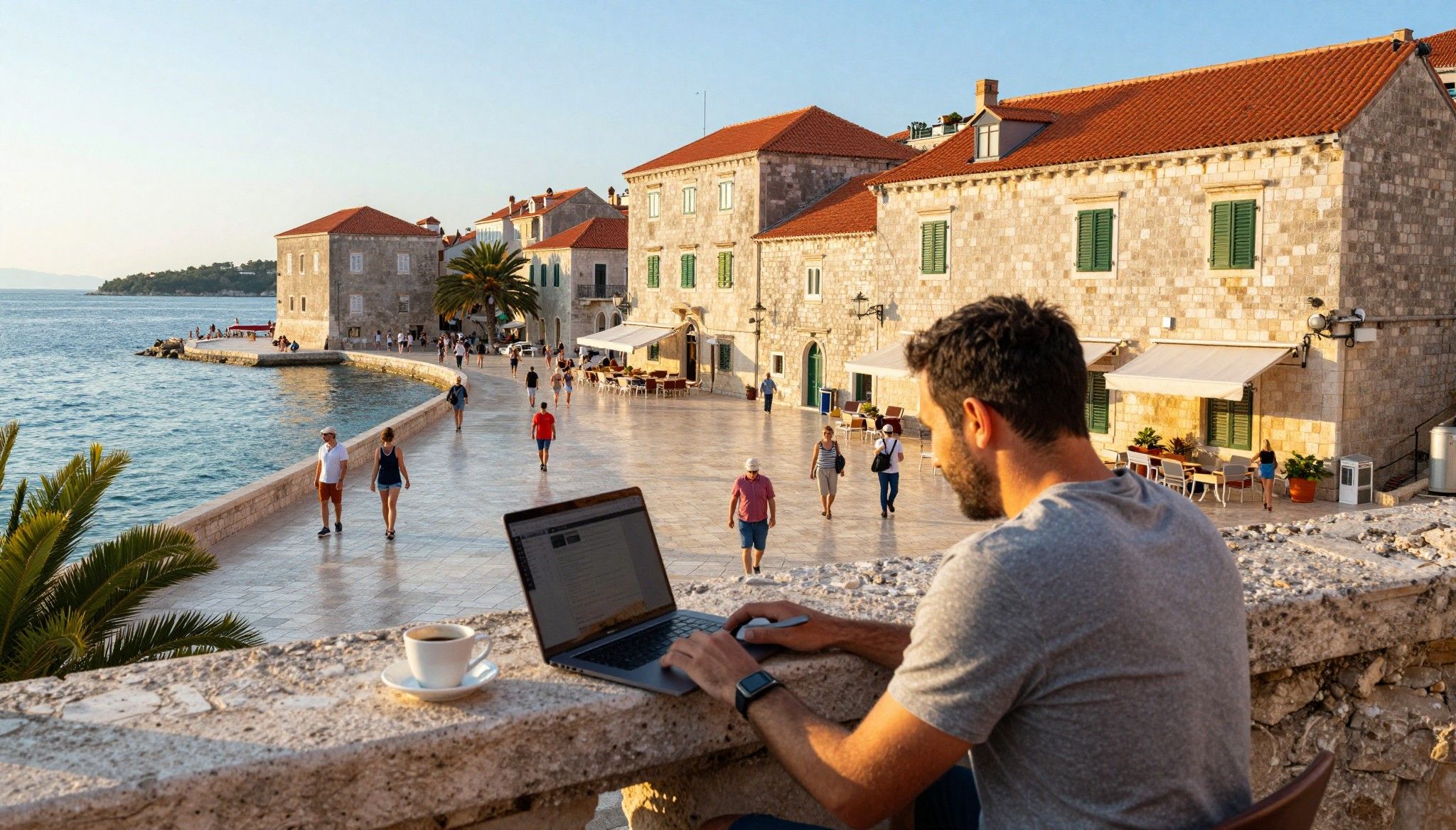
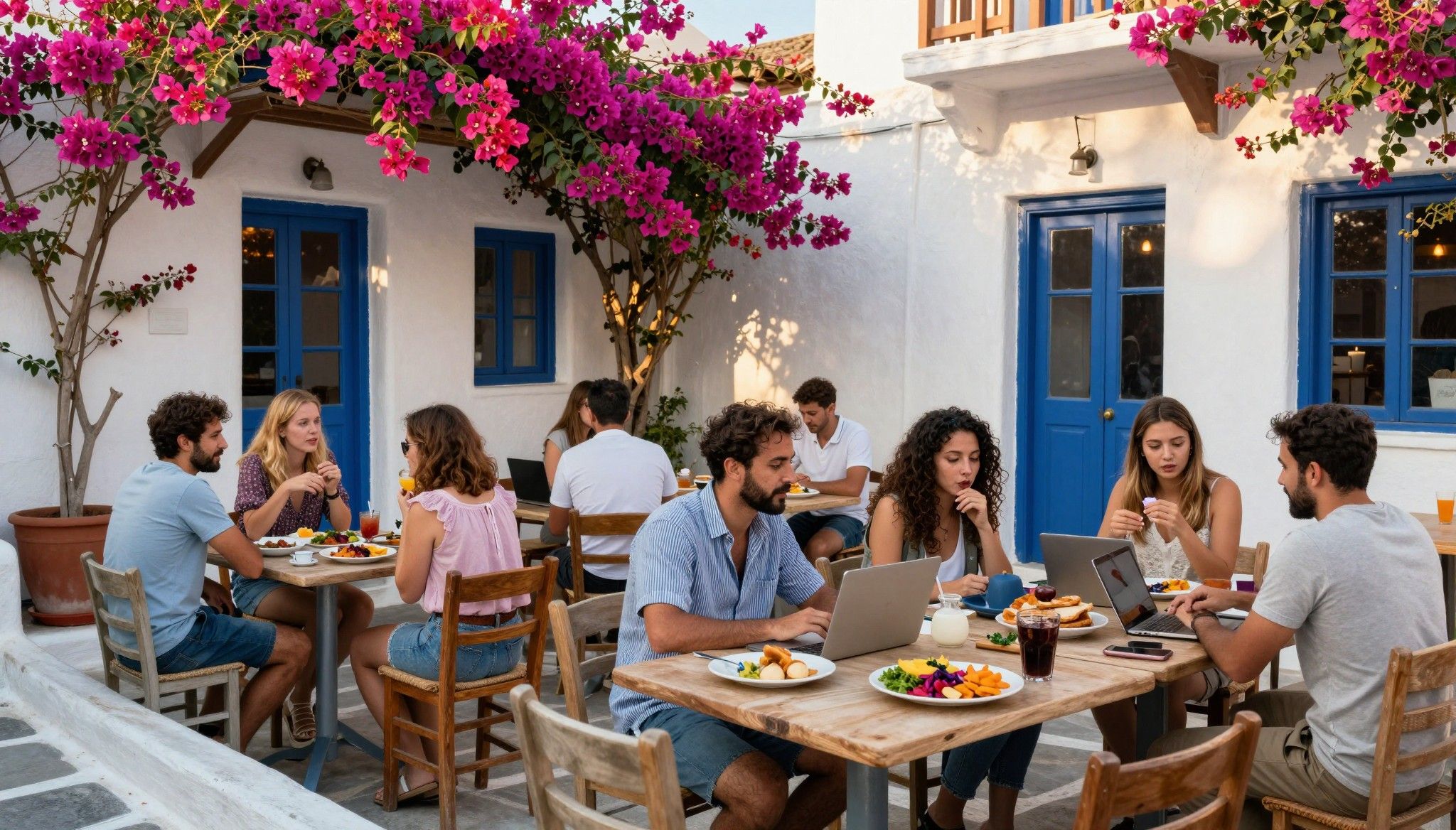
Imagine strolling from a sunlit café on Athens’ Koukaki slope to a coworking rooftop where the Acropolis peeks between orange trees. Picture island mornings in Syros or Chania: espresso, a short swim, then three focused hours of work with 200 Mbps fibre. These are the daily scenes Greece sells easily — but the real question for nomads is which residency route lets you live that life without surprise costs or slow paperwork.
Living the Greece lifestyle
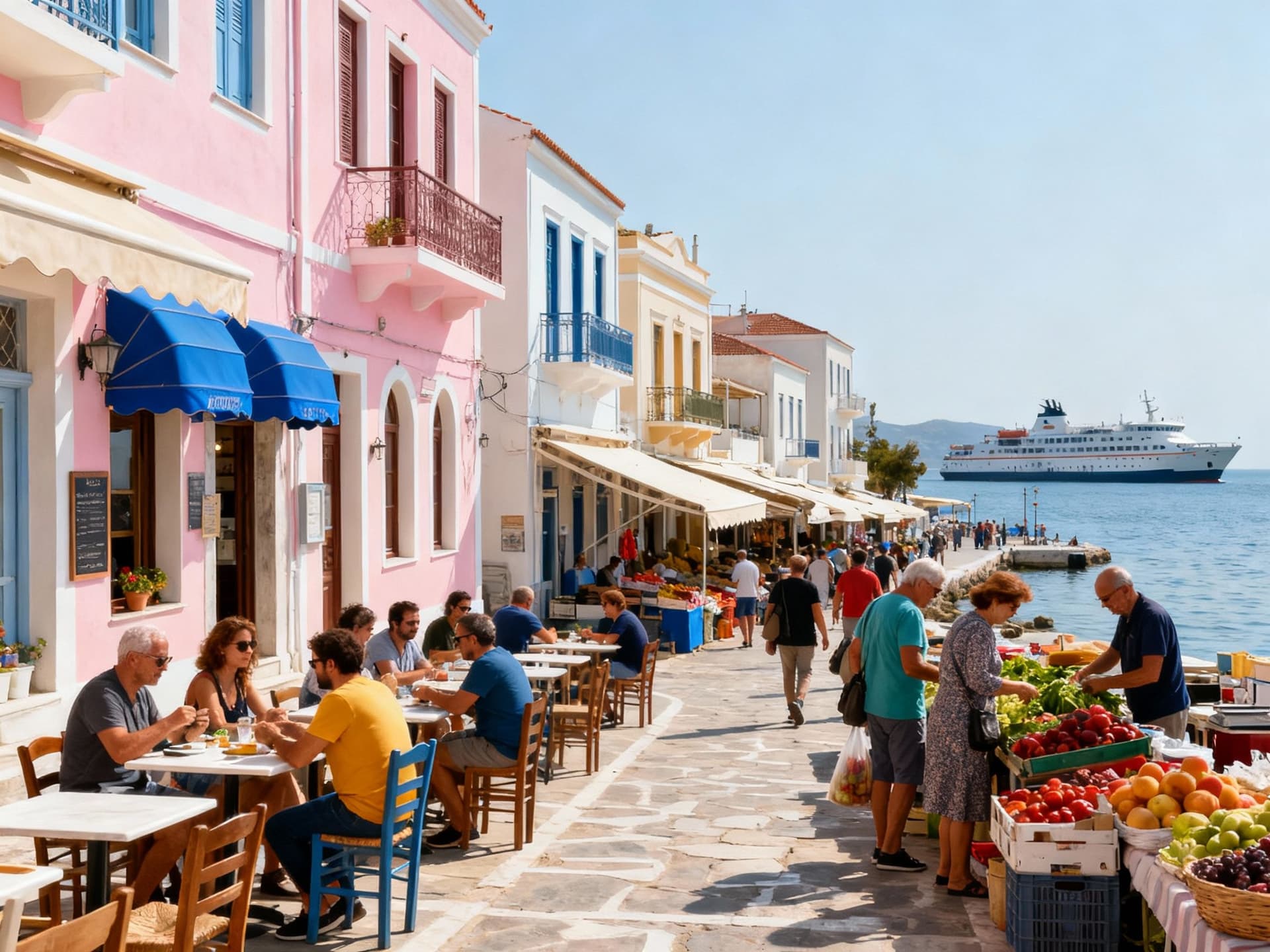
Greece moves at two paces at once: languid seaside rituals and efficient urban bursts. In Athens you hear scooters, clinking plates at midday tavernas and after-work meetups at hip bars in Psirri. On the islands, mornings belong to fishermen and markets, afternoons to sunbathers, and evenings to neighbours exchanging news over raki. For remote workers, that split means your weekday might be productive and structured, your weekend a Mediterranean reset — if you pick the right base.
Athens: city rhythm, ancient backdrop
Walkable neighbourhoods like Koukaki, Pangrati and Kifisia give you cafés that double as remote-work offices and quick metro links. New developments along the Athens Riviera and projects like Ellinikon are reshaping where international buyers look, blending coastal leisure with city services. That means fast cafés, evening food culture and a steady stream of short-term visitors — great if you want a lively expat scene, trickier if you crave village quiet.
Islands & mainland coasts: slow mornings, focused workdays
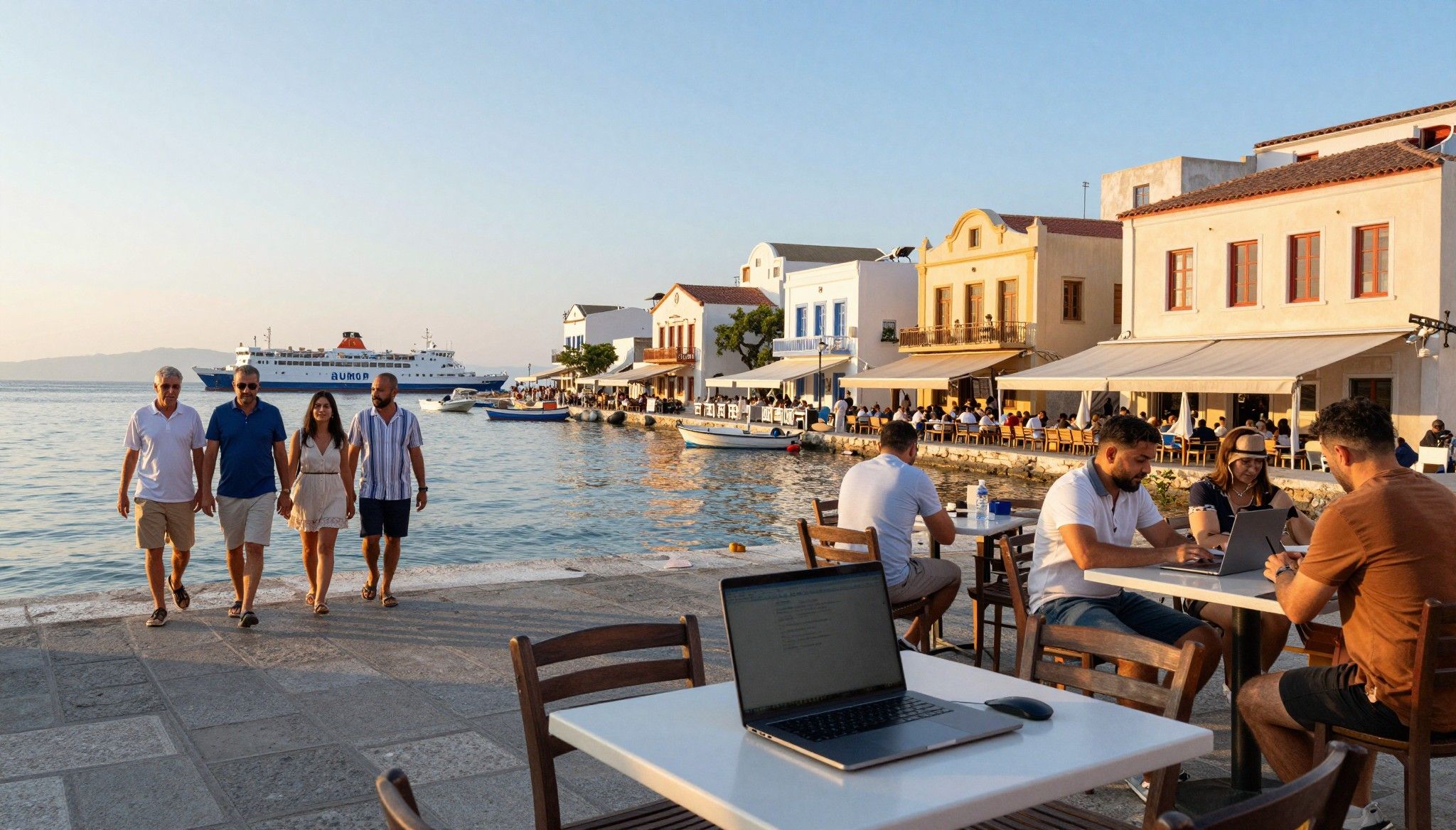
Places like Chania (Crete), Syros, and Paros offer cafés with reliable Wi‑Fi, community meetups and quicker seasonal rental markets that support hybrid lives. Expect dramatic seasonality: July–August buzz vs. quiet Nov–Mar. If you plan to live year‑round, look for islands with hospitals, year-round ferries and broader expat communities — these amenities change the feasibility of long-term living far more than sunset views do.
Making the move: practical residency tradeoffs

Two residency headlines matter for nomads and remote buyers: the Digital Nomad permit and the Golden Visa. The nomad permit prioritises fast remote-work legality and lower income thresholds, while the Golden Visa trades money for long-term EU mobility via property or investment. Which one fits your life depends less on status and more on how you want to live weekdays versus weekends.
Digital Nomad permit — life-first, investment-light
The Greek nomad permit suits freelancers and remote employees who want to live and work in Greece with shorter bureaucratic commitments. Typically it requires proof of steady outside income (guidance cites around €3,500/month), valid health insurance and a national visa application before arrival. It’s ideal if you want to test neighbourhoods, keep housing flexible and prioritise lifestyle over long-term real-estate exposure.
Golden Visa — residency through investment
If you plan to buy as part of a residency strategy, Greece’s Golden Visa remains one of Europe’s most accessible: investment routes start at €250,000 in qualifying real estate or alternative investment vehicles. Recent government moves have broadened eligible investments to steer capital into startups and productive sectors — a sign that policy can change, and you should check current thresholds before committing.
Insider knowledge: what expats wish they'd known
Nobody told me how seasonal Greece really is until my second winter here. Summers cushion neighbourhood economies; winters test them. Expect slow public services and fewer flights off-season in smaller islands. Successful long-term residents plan for it: secure a reliable doctor, a landlord who handles off-season maintenance, and a local fixer for paperwork — those three contacts keep life moving when ferries thin out.
Cultural fit: language, rhythm and community
Greek social life rewards curiosity and consistency. Learn basic Greek phrases, show up to local markets, and your neighbours will help you faster than an app. Expat meetups in Athens, co‑working socials in Chania and island digital-nomad Slack groups are how people move from tourist to neighbour. Don’t underestimate the power of a regular café table — it’s how many friendships start here.
Long-term lifestyle checklist
1. Check year-round transport: islands with daily ferries and quick flights reduce isolation. 2. Prioritise properties with reliable heating and insulation — winters can be surprisingly chilly. 3. Confirm internet speed with a speed test record and local provider contract. 4. Choose healthcare proximity: private clinics in regional hubs vs public hospitals in capitals.
Koukaki café workstations (Athens), Chania’s co‑working lofts (Crete), Syros market mornings, Glyfada beach runs, Ellinikon promenade strolls, Monastiraki weekend flea market
When it’s time to engage an agent, pick one who understands both visas and neighbourhood life. The best local agents know which properties meet Golden Visa criteria, which villages have steady internet and which landlords accept long-stay nomads. Insist on seeing utility bills, fibre availability and local community groups. That prevents the heartbreak of a lovely terrace with zero winter heat or no ferry on weekdays.
Quick action plan: lifestyle-first steps to buy or settle
1. Visit in two seasons: experience hot and quiet months. 2. Match visa to rhythm: apply for nomad permit if testing, Golden Visa if investing long-term. 3. Shortlist neighbourhoods by coworking access, medical services and ferry/flight links. 4. Contract an agent who will confirm Golden Visa eligibility and provide local references.
Greece hands you a life of morning markets, late dinners and sea-scented work breaks — but the paperwork decides whether that life is seamless or full of headaches. Start with the lifestyle you want, then pick the residency route that supports it. And when in doubt, bring a local agent to the café: they’ll know the neighbourhood, the visa quirks and where the best espresso meets the fastest Wi‑Fi.
Swedish, relocated to Marbella in 2018 to chase sun and property freedom. Focus on legal navigation and tax for Nordic buyers.