Where to Live in Greece When Visas and Lifestyle Collide
Greece offers nomad-friendly life and evolving visa choices—Golden Visa thresholds shifted in 2024; digital nomad permits remain practical for remote workers. Match visa, neighbourhood and lifestyle.

Imagine sipping an espresso on a sun-warmed marble step in Plaka, then catching a late-afternoon ferry to a Cycladic island. Greece feels sculpted for slow mornings, brilliant light, and neighbourhood routines—yet behind that postcard charm lie real opportunities and evolving visa rules that change where a smart buyer actually gets value. This piece unpacks the lifestyle side of Greece while giving clear, research-backed steps on visas that matter: Golden Visa updates, the digital nomad permit, and where both intersect with neighbourhood choice.
Living the Greece lifestyle
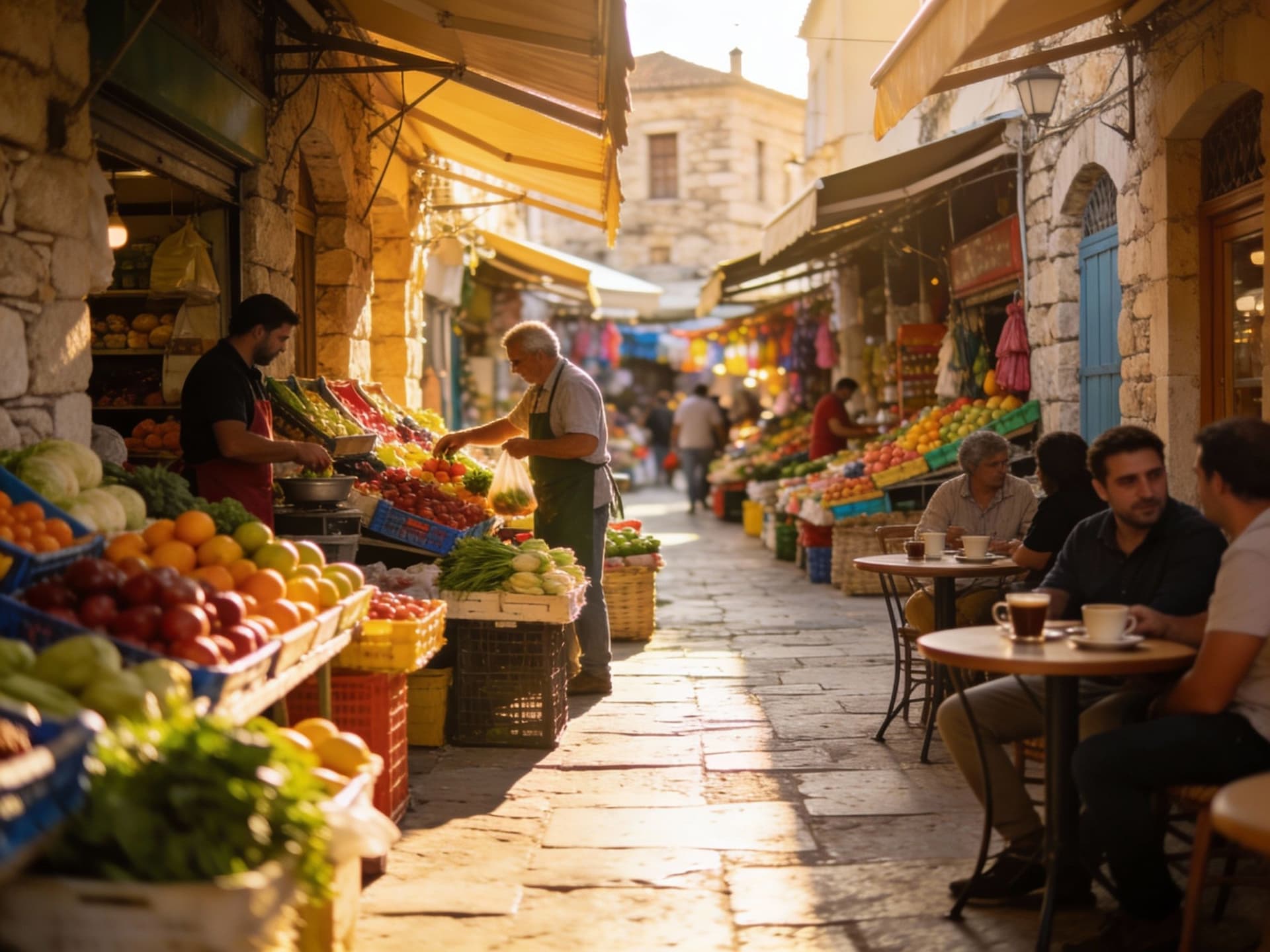
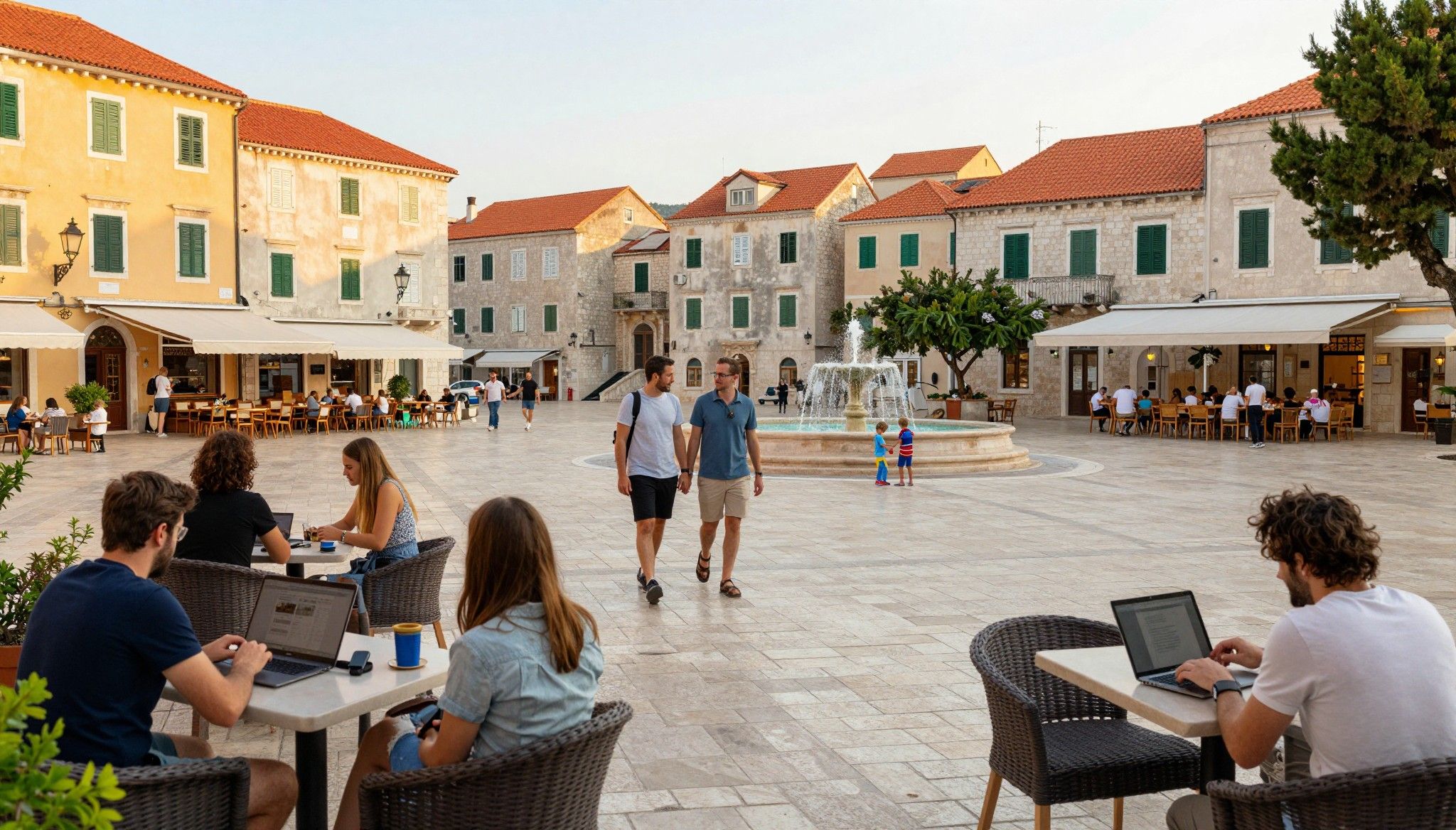
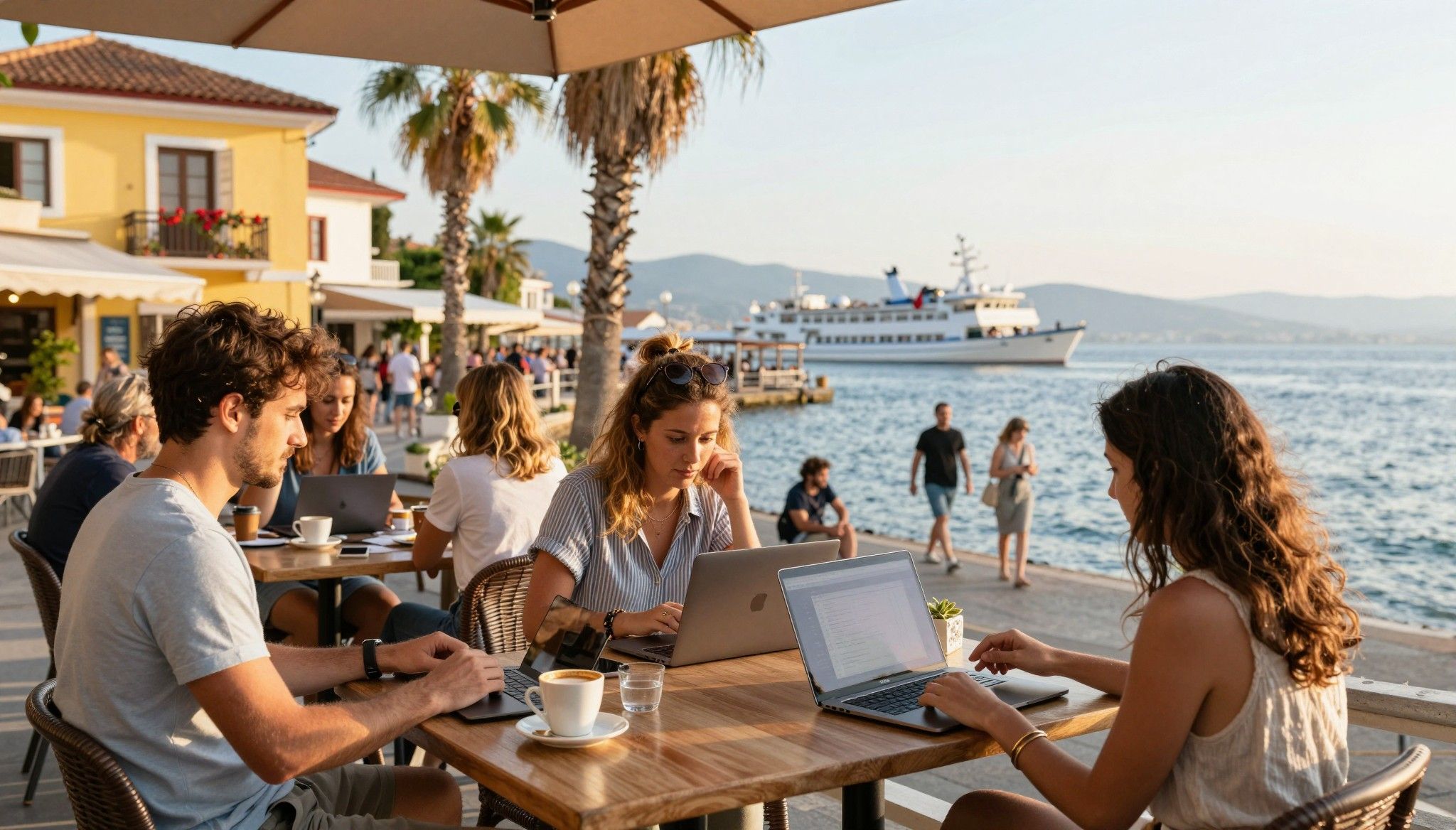
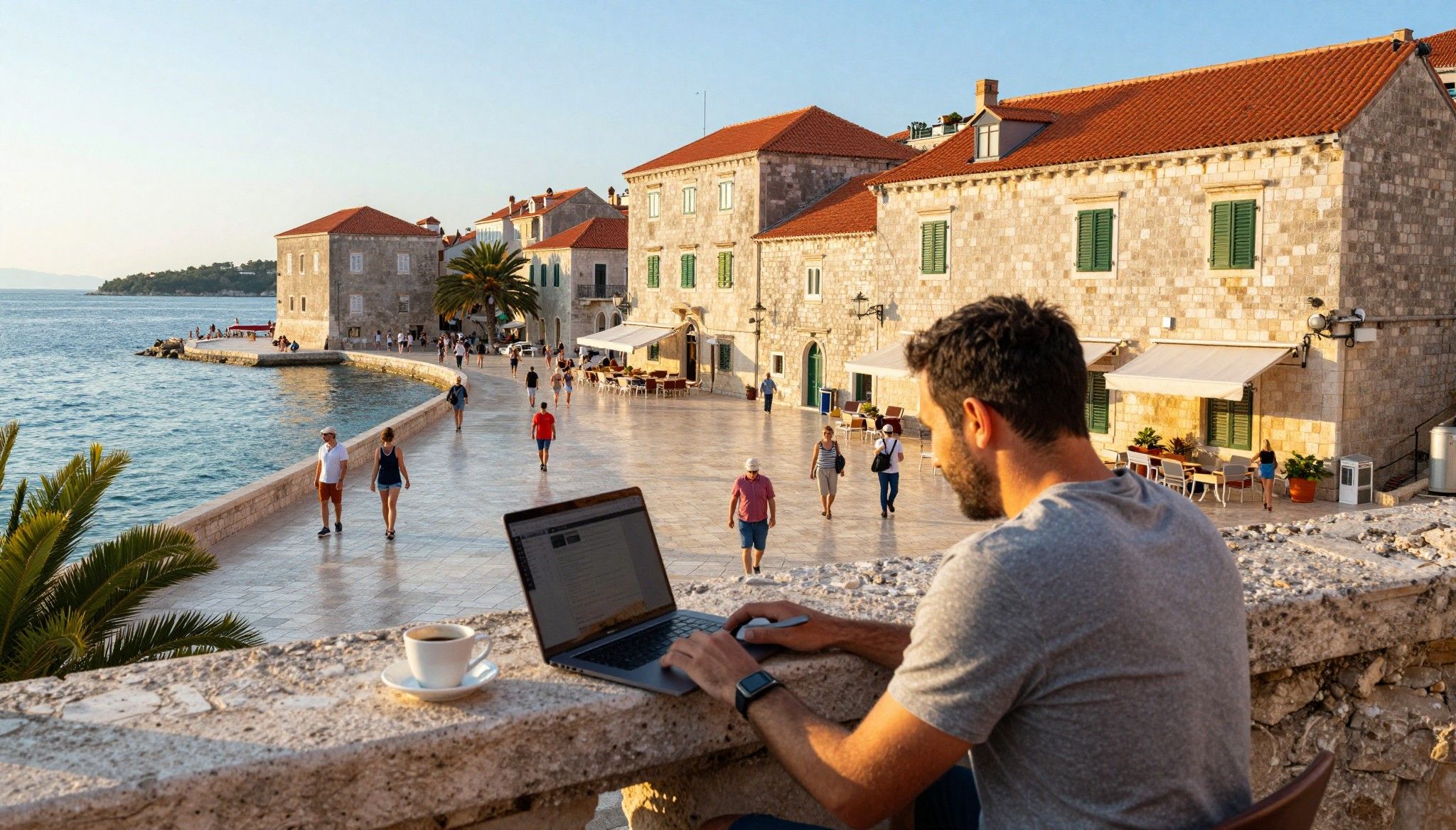
Day-to-day life in Greece is sensory: salted sea air in Piraeus, late-night meze in Exarchia, fresh figs from a neighbourhood market in Chania. Streets are layered—ancient stones, cafes where locals read newspapers, and rooftop bars that light up at golden hour. For nomads, this mix means easy outdoor work spots, plentiful cafés with Wi‑Fi, and compact neighbourhoods where everything—grocer, gym, co‑working hub—is often a short walk away. Still, lifestyle quality varies: Athens offers cosmopolitan services; islands trade convenience for pace.
Athens & Attica: city life with islands a ferry away
In Athens, walkable pockets define days. Koukaki hums with cafes and museum crowds; Pangrati is home to squat‑style bars and weekend farmers’ markets; Glyfada on the Athenian Riviera blends beaches with international schools. For remote work, neighbourhoods with consistent 4G/5G and coworking spaces like Impact Hub or local options in Psirri matter more than glamour. If you crave island access and city infrastructure, Attica bridges both worlds.
Islands & Peloponnese: slow mornings, fast sunsets
Mykonos and Santorini are famous—and expensive—but islands like Naxos, Paros, Syros, or Serifos offer similar light and beaches with smaller crowds and lower year‑round costs. In Crete, towns like Chania and Rethymno pair markets, tavernas, and modern medical facilities. Expect seasonal rhythms: many island businesses scale down by November, so plan long‑term living around services, not just summer vibes.
- Lifestyle highlights to scout in person
— Morning espresso ritual: Try Little Kook in Psirri or a seaside kafeneio in Naxos. — Market life: Varvakios Market (Athens) and Chania Municipal Market for weekend cooking. — Beach office options: Glyfada promenade, Paros’ Kolymbithres, or Vouliagmeni lagoons. — Evening social life: rooftop bars in Monastiraki, live rembetika nights in Plaka. — Hidden gem: Walk from Anafiotika up to the Areopagus for an empty sunset view of the city.
Making the move: practical considerations

Dreams meet paperwork quickly in Greece. Two visas matter most for nomads and lifestyle buyers: the re‑scoped Golden Visa (investment residency) and the digital nomad permit. Recent legal changes rebalanced where Golden Visa money flows—pushing minimum property values far higher in prime zones and keeping lower thresholds for restorations or conversions. The digital nomad route, meanwhile, is a straightforward low‑risk path for remote workers who don’t need property to live here.
Property styles that fit nomad life
Modern Athens flats with balconies suit frequent freelancers; restored neoclassical apartments in Plaka are romantic but often need renovation. On islands, look for units with reliable insulation and AC (summer heat) and simple backup generators or solar-ready wiring. If Golden Visa eligibility is a goal, note the single‑property, 120 m2 minimum and the dual thresholds introduced in 2024: €800,000 in prime zones (Attica, Mykonos, Santorini, Thessaloniki and large islands) and €400,000 elsewhere, while conversions/restorations can qualify from €250,000. These thresholds change where you should buy if residency is the aim.
Work with local experts who match lifestyle needs
1. Pick agents experienced in both visas and local markets—ask about past Golden Visa deals and off‑season support. 2. Hire a bilingual lawyer who understands property registration, cadastre checks, and recent Golden Visa law changes. 3. Inspect internet speed reports and coworking proximity—nomad life hinges on consistent upload speeds. 4. Get a local tax/accountant briefing early to map residency day counts and implications for remote income.
Insider knowledge: truths expats wish they'd known
Here’s the real talk: short‑term rental bans and incentives to convert tourist lets into long‑term leases are shifting local supply. In Athens, that means neighbourhoods once dominated by Airbnbs are slowly becoming more livable year‑round—but also less attractive for investor yields based on nightly lets. Locals also move slower on bureaucracy; bring patience and a translator for municipal offices if Greek isn’t your strong suit.
Cultural integration and neighbourhood etiquette
Friendly habits matter: greet shopkeepers, learn a few Greek phrases, and respect siesta-like rhythms in island towns. Join local markets and neighbourhood association meetings to find community fast. Many expats tell us the fastest route to belonging isn’t through parties—it’s through regular coffee mornings, volunteering at a local school event, or joining a walking group.
Long-term lifestyle & practical sustainability
Think beyond the first year. Check local healthcare access, seasonal business closures, and whether neighbours are full‑time residents or tourists. If you’re buying, plan for maintenance costs that spike after winter storms or summer droughts, and budget for regular roof and facade checks—Mediterranean weather finds every weakness. Buying where locals live often wins for long‑term value and community connection.
Conclusion: Greece gives you light, food, and rhythm; your visa choice and neighbourhood decide how sustainably you live it. If residency is your priority, prioritise zones aligned with Golden Visa thresholds and legal constraints; if nomad freedom matters, use the digital nomad permit, rent first, and learn the seasons. Either way, work with a local bilingual lawyer and an agent who knows both visa law and the cafés where you’ll actually want to work.
Dutch investment strategist guiding buyers to Greece and Spain; practical financing, tax, and portfolio diversification.