How France’s Everyday Life Guides Smarter Visa-Friendly Buys
Fall in love with France’s daily rhythms — then match the right visa, neighbourhood and property type to make the dream sustainable and data‑smart.

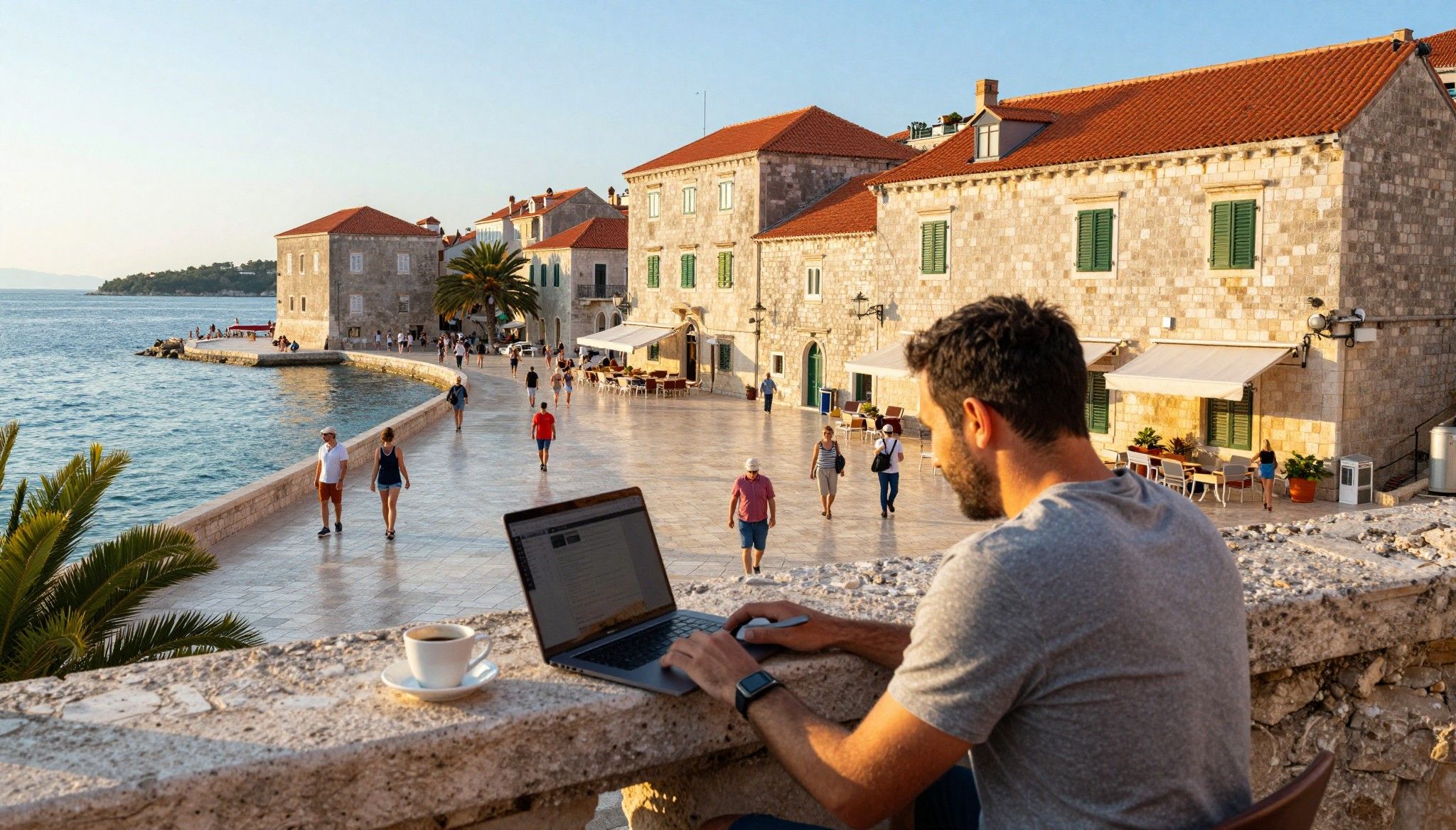
Imagine starting your day with a café crème on Rue des Martyrs, then logging on to a coworking space a 10-minute walk away — that’s a typical Tuesday in many French cities. France moves at a leisurely, sensory pace: market mornings, long lunches, streets that feel like living rooms. For international buyers dreaming of a life here, the romance is real, but so are practical questions about visas, residency and local market rhythms. This piece blends the feel of French life with visa-friendly, buyer-smart moves so you can fall in love with a place and still make an intelligent purchase.
Living the France life — how it actually feels
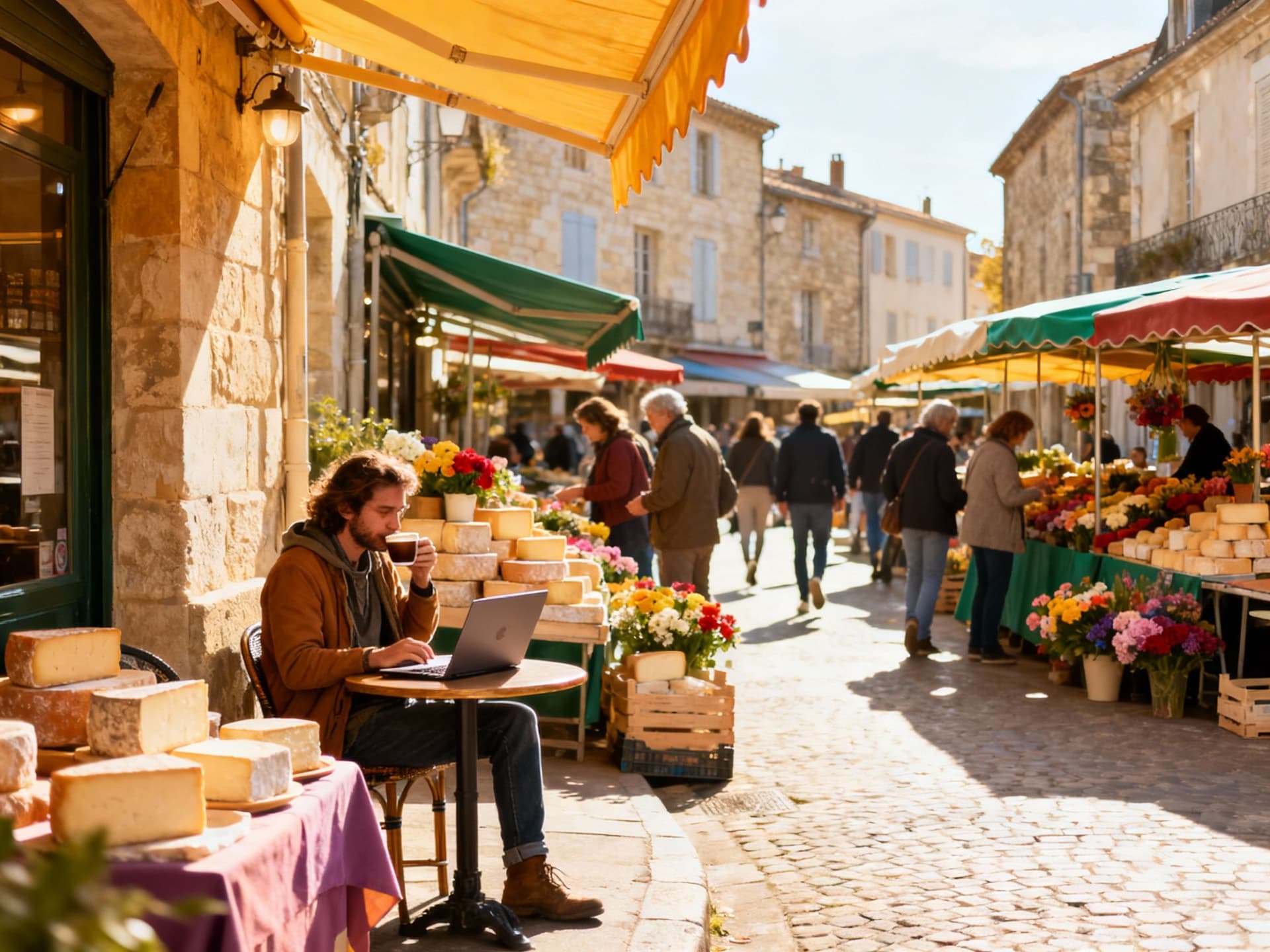
France is not one mood — it’s dozens. Mornings in Paris are espresso-fueled and footloose; afternoons on the Côte d'Azur are about sea breezes and long siestas; winter in Annecy smells of wood-fire and warming vin chaud. Streets are social stages: boulangeries pour the soundtrack, markets fill the air with tomatoes and thyme, and small squares collect neighbours like magnets. If you crave a life where public space, food and slow rhythms matter, France delivers in detail.
Paris & nearby: urban rituals and walkable neighbourhoods
Paris is compact but varied: the Marais hums with boutique energy, Canal Saint‑Martin feels younger and cozier, while Montparnasse keeps its classic cafes. Walkability is king — flats under 60 minutes on a bike from anywhere in central arrondissements are common. Coworking spaces and language meetups are everywhere, which makes settling in socially faster than you’d expect. Expect smaller apartments, charming quirks like spiral staircases, and a premium for being close to parks and metros.
South & coast: outdoor life, markets and long seasons
From Nice’s Promenade to Biarritz surf vibes, the south is about outdoors: morning markets, weekend beach routines, and terraces that stretch from spring to autumn. Towns like Aix‑en‑Provence and Antibes combine local markets with international flight links — a big plus for nomads who host clients or family. Properties here often have terraces, shutters, and tile floors — features that feel Mediterranean and work for indoor–outdoor living. Off-season life quiets down, revealing a truer rhythm and often better negotiation opportunities.
Local highlights to taste and test before you buy:
Marché d’Aligre (Paris) — morning bustle and affordable produce
Place Masséna (Nice) — evening terraces and people-watching
Rue des Remparts (Bordeaux) — wine bars and weekend rituals
Making the move: lifestyle-first practical considerations
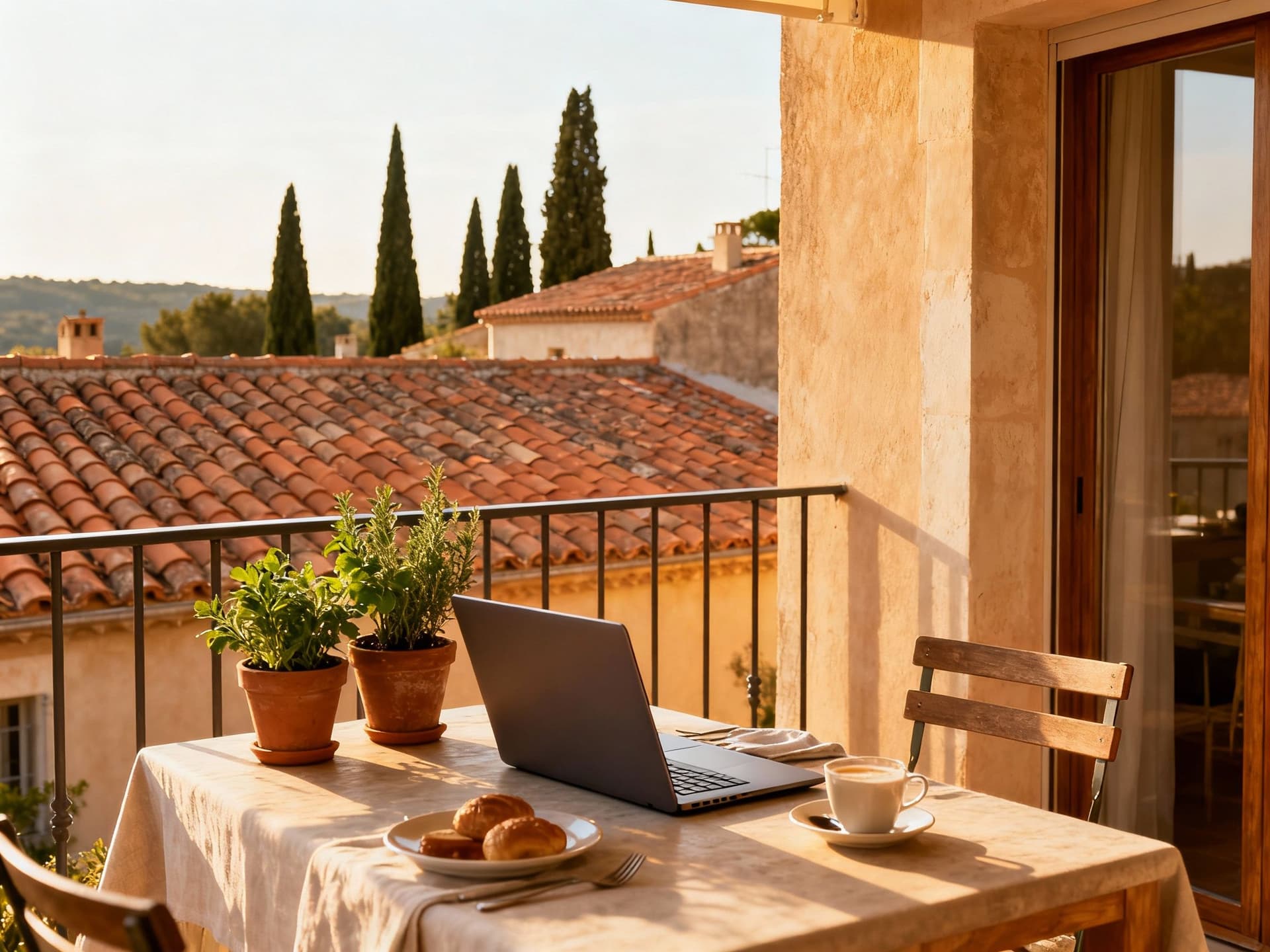
Dreams need a plan: visa rules and residency shape where you can realistically buy and live. France allows many entry paths — long-stay visas, talent passports, and digital-nomad-friendly options via long-stay visas for remote workers — each with different residency expectations. Before you fall for a Provencal farmhouse, check which visa aligns with the life you want: renting a month-to-month studio while sorting residency is very different from moving with family and schooling needs.
Property styles and how they shape daily nomad life
Stone apartments in Paris give you character and walkability but often less workspace; newer builds in suburbs or cities like Lyon offer better light, storage and dedicated home offices. In the south, look for properties with good insulation and shutters to manage heat; in mountain towns like Chamonix, consider parking and winter access. Match property type to your daily routine: if coworking and networking matter, prioritise proximity to city hubs and reliable broadband.
Working with local experts who get nomads
Seek agencies fluent in both French bureaucracy and nomad needs: fast internet checks, short-term rental know-how, and flexible closing timelines. Good agents translate local lifestyle cues — they’ll tell you if a street turns quiet after 8pm, whether a market is seasonal, or if municipal rules block short lets. Think of your agent as a matchmaker: not just selling property, but connecting a life to a neighbourhood.
Steps to align lifestyle and purchase (practical + sensorial):
Spend at least three separate days in the neighbourhood at different times (market morning, weekday afternoon, weekend evening).
Test remote work: book a week in a local coworking space and a nearby apartment to measure connectivity and commute.
Ask an agent for precise utility/internet specs and recent energy diagnostics — these shape comfort and bills more than square meters.
Insider knowledge: expat truths, seasonal realities, and red flags
Expat life in France blends warmth with formality: neighbours will invite you eventually, but first they’ll expect polite French and predictable rhythms. Seasonality matters — coastal towns boom in summer and quiet dramatically in winter, which affects rental income and community life. Use official data to check local price trends and demand rather than relying on glossy listings; government and notary sources show where prices are stable and where seasonal peaks mask long-term value.
Cultural integration: small rituals, big payoff
Learn basic French greetings and market phrases — it unlocks shopkeeper relationships and quicker help when things go wrong. Join local associations, municipal events or a language café to turn neighbours into friends. Respect for local rhythms (closing for long lunches, late-night etiquette) smooths daily life and helps you feel at home faster than any renovation.
Long-term lifestyle considerations
Think beyond the purchase: local taxes, maintenance on older builds, and rules for short-term lets in tourist towns. If you plan to rent out a property, confirm municipal restrictions and realistic occupancy rates for off-season months. Over time, neighbourhoods evolve — what’s lively now may gentrify or quiet down, so weigh community trajectory alongside current charm.
Red flags to watch for before you sign:
No recent diagnostic reports (energy, termite) — ask to see official documents.
Promises of dramatic rental returns during off-season — verify with municipal occupancy data.
Real-world example: a nomad’s quick pivot
We met Lina, a freelance product designer, who fell for a sunlit village house in Languedoc but discovered summer-only rental demand. She pivoted: bought a smaller apartment in Montpellier with strong coworking links and rented the village house long-term to a local family. The result? A balanced life with reliable income and the weekend retreat she wanted. That kind of hybrid thinking — mix lifestyle and cashflow — wins in France.
Conclusion — how to act like a local and buy like an investor
Fall in love with morning markets, the slow cadence of dinners and the rhythm of local life — then back that feeling with data and local experts. Start with site visits, check visa alignment at France‑Visas, and use notarial price indices to confirm value. Tap an agency that understands nomads: they’ll help you match a neighbourhood to a daily routine, not just a floorplan. Ready to explore specific towns or visa paths? Reach out to a MoveSettleGo partner who speaks both French bureaucracy and nomad needs.
British expat who moved from Manchester to Mallorca in 2017. Specializes in market analysis and helping fellow Brit navigate local regulations.