Italy’s Digital‑Nomad Visa: Best Places to Buy Now
Italy’s digital-nomad visa and 2025 price data shift the buy-or-move equation: pick places with coworking, fibre and immigration offices to match lifestyle with residency requirements.

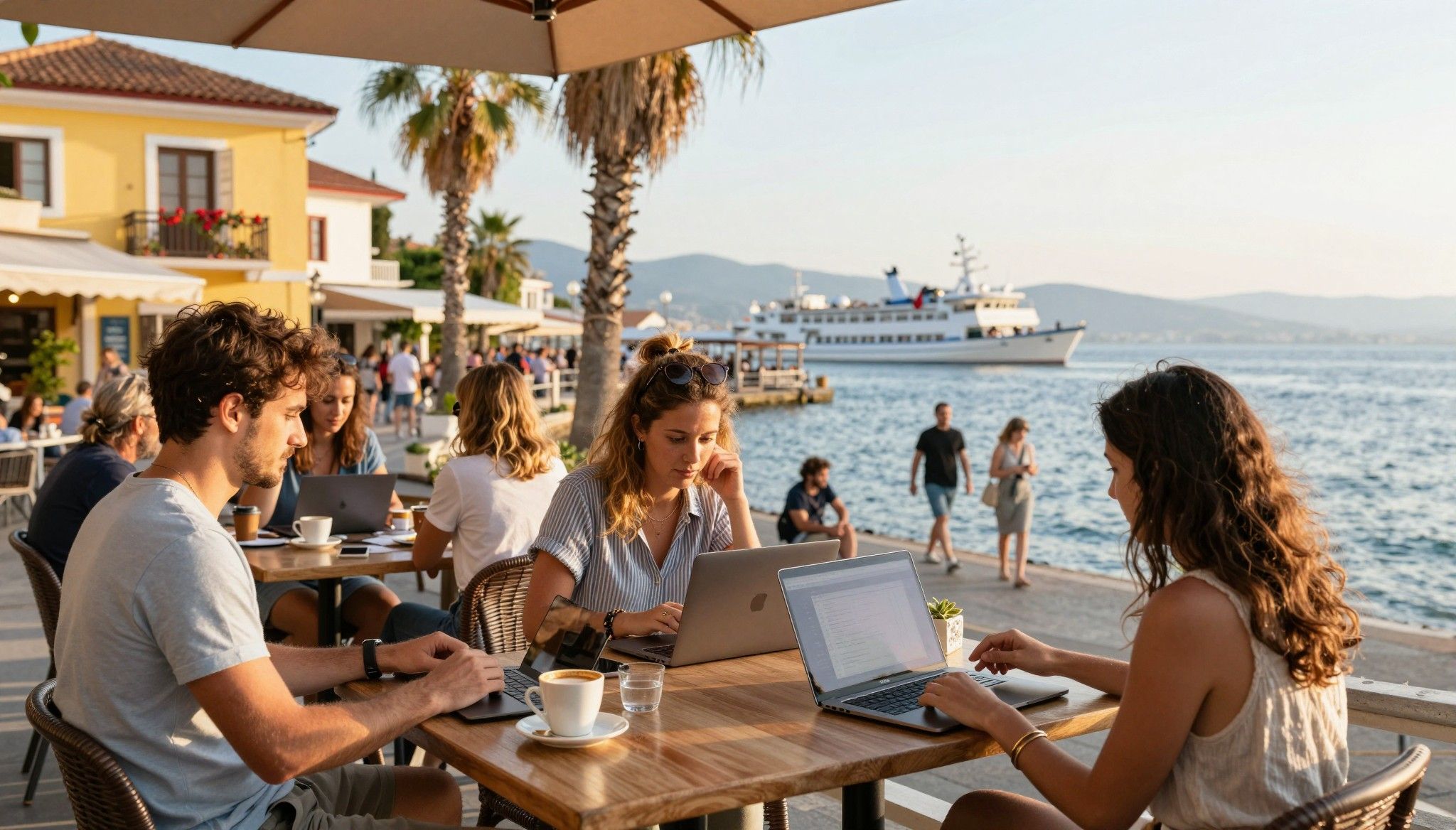
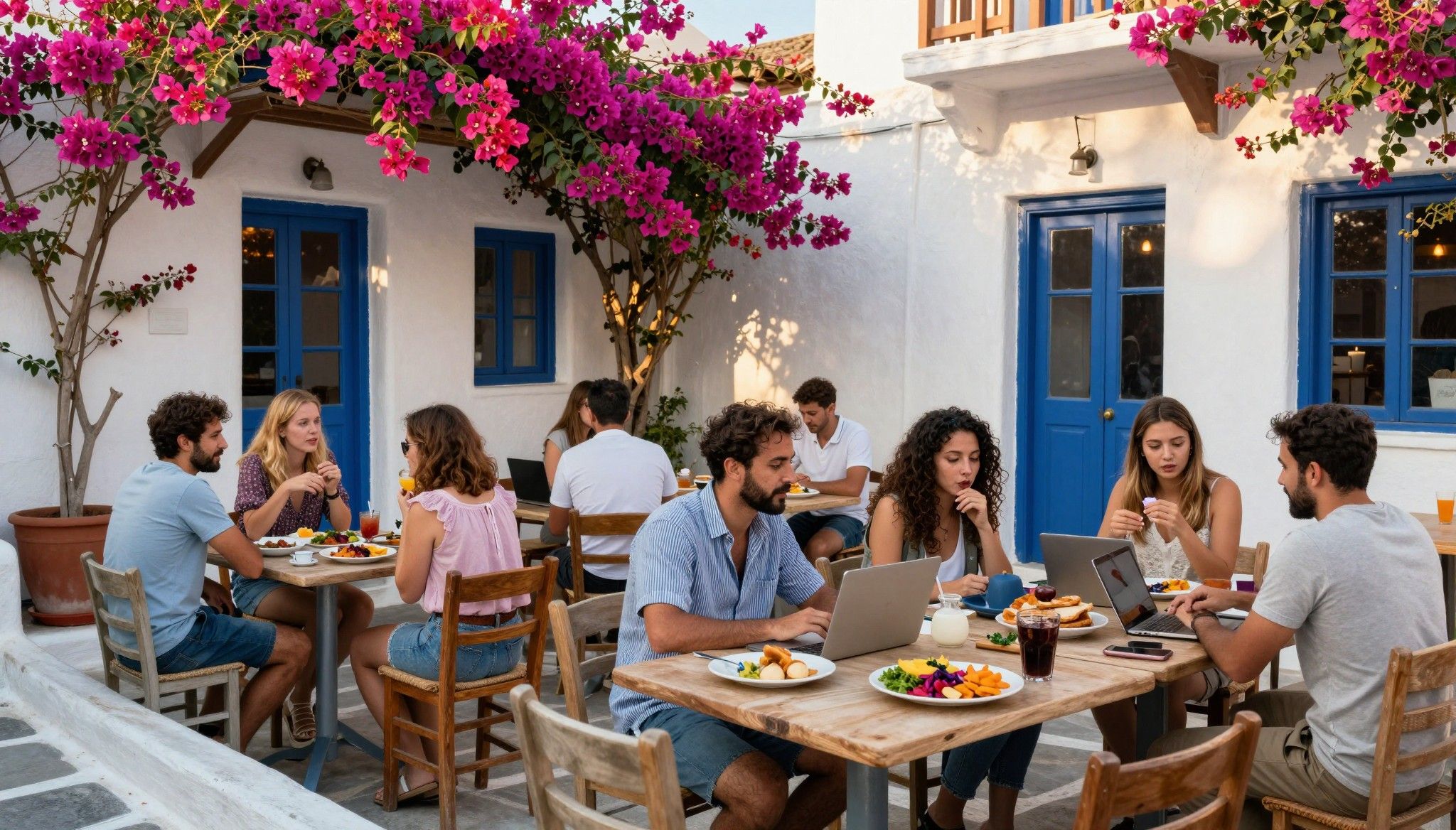
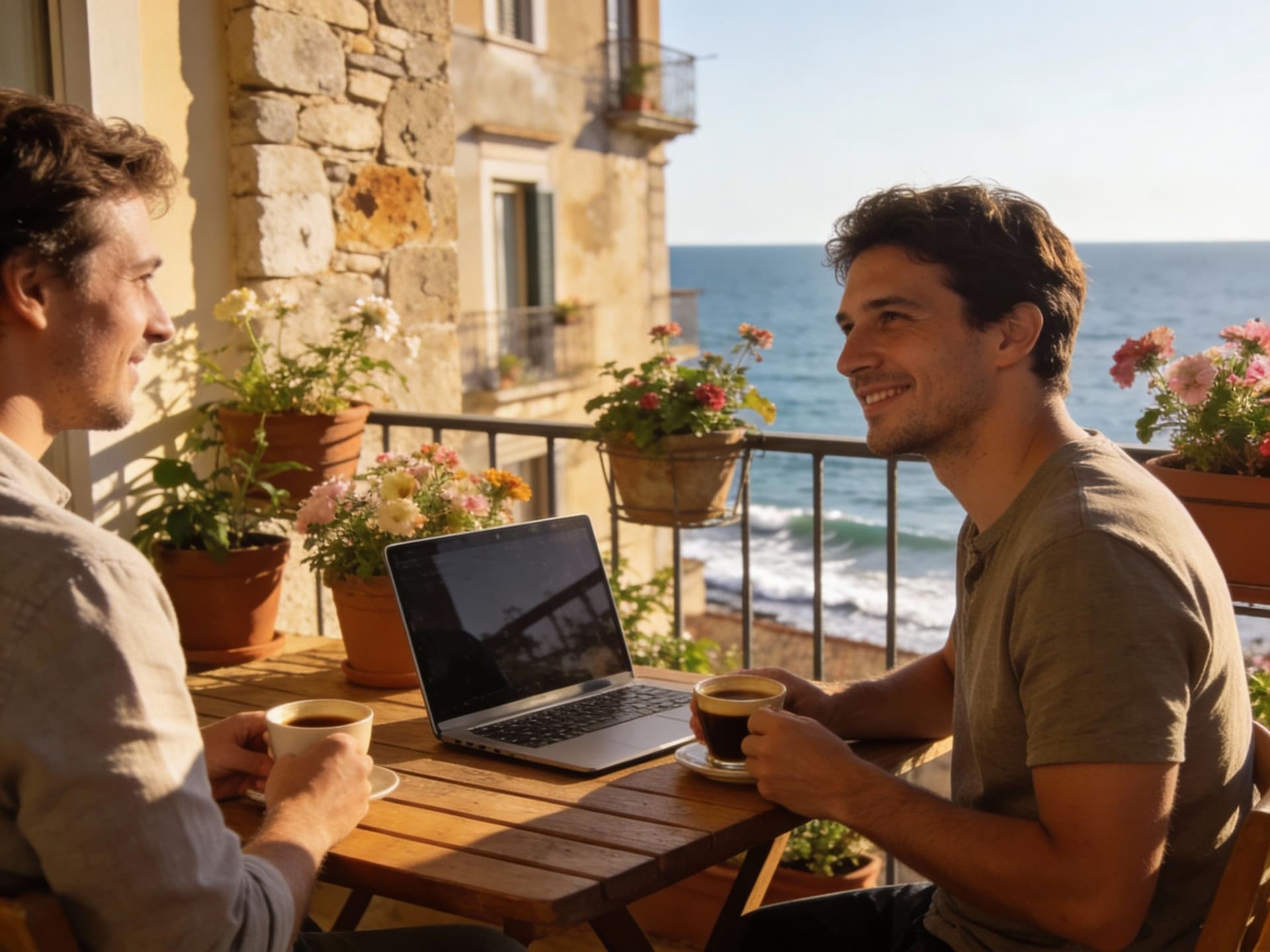
Imagine sipping an espresso on a sunlit piazza in Pigneto, Milan’s streets humming with scooters and neighbourhood cafés, then taking a late-afternoon train to a beach-front aperitivo in Liguria. Italy feels like a stitched-together scrapbook of atmospheres: baroque mornings, slow-lunch afternoons, and evenings that stretch into vino-soaked conversation. For remote workers and nomads, that daily rhythm shapes everything — from the kind of apartment that works as a home office to which towns actually have coworking, stable internet and an expat community. Now that Italy’s digital-nomad visa is real and house-price data shows steady regional movement, where you pick matters as much for lifestyle as it does for residency.
Living the Italian life: daily rhythms that decide where to buy
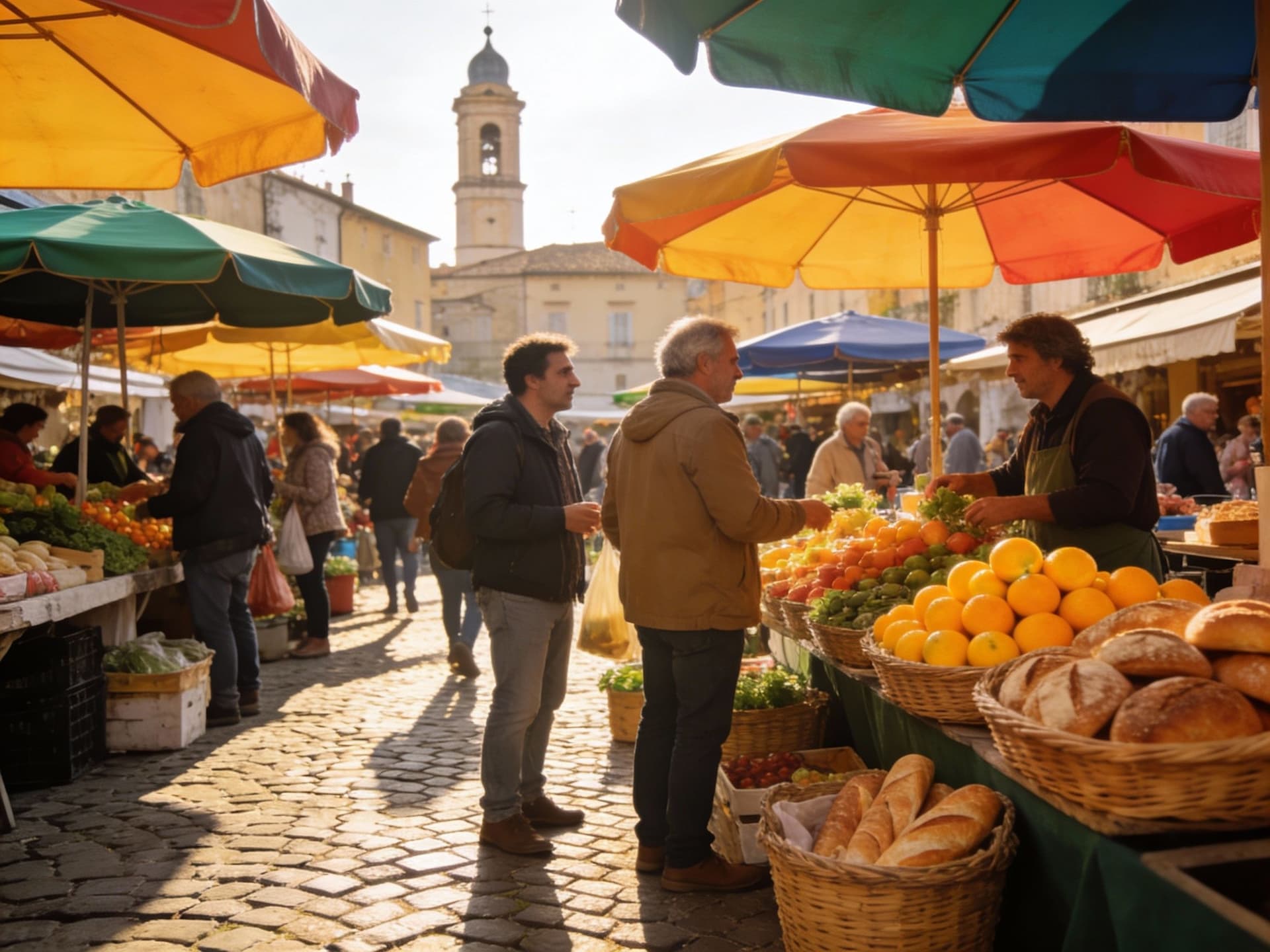
Italy’s daily life varies by street, not just region. In city barrios like Rome’s Trastevere or Naples’ Chiaia you wake to market sellers and work in cafés; in hill towns like Orvieto you trade a quick commute for sunset views. Coastal towns (Alassio, Cefalù, Polignano a Mare) deliver outdoor living and beachside workflows, while northern hill provinces (Le Marche, Emilia-Romagna hill towns) offer cheaper stone houses and thriving slow-food scenes. Those choices influence property type, renovation needs and how quickly you’ll plug into local life — all vital when you’re buying to live and work.
City pulse: where cafés, coworking and night life collide
If your workday needs a fast café espresso, stable 200+ Mbps broadband and an evening of social meetups, target neighbourhoods that already host coworking hubs and international cafés. Milan’s Navigli and Isola, Rome’s Monti and Pigneto, Bologna’s Santo Stefano corridor and Florence’s Oltrarno all mix nightlife with daytime work-friendly spaces. Properties here are often apartments with limited square metres but big community life — think small terraces, courtyard views, and easy short-term rentals for visiting family.
Seaside and slow towns: how the rhythm changes
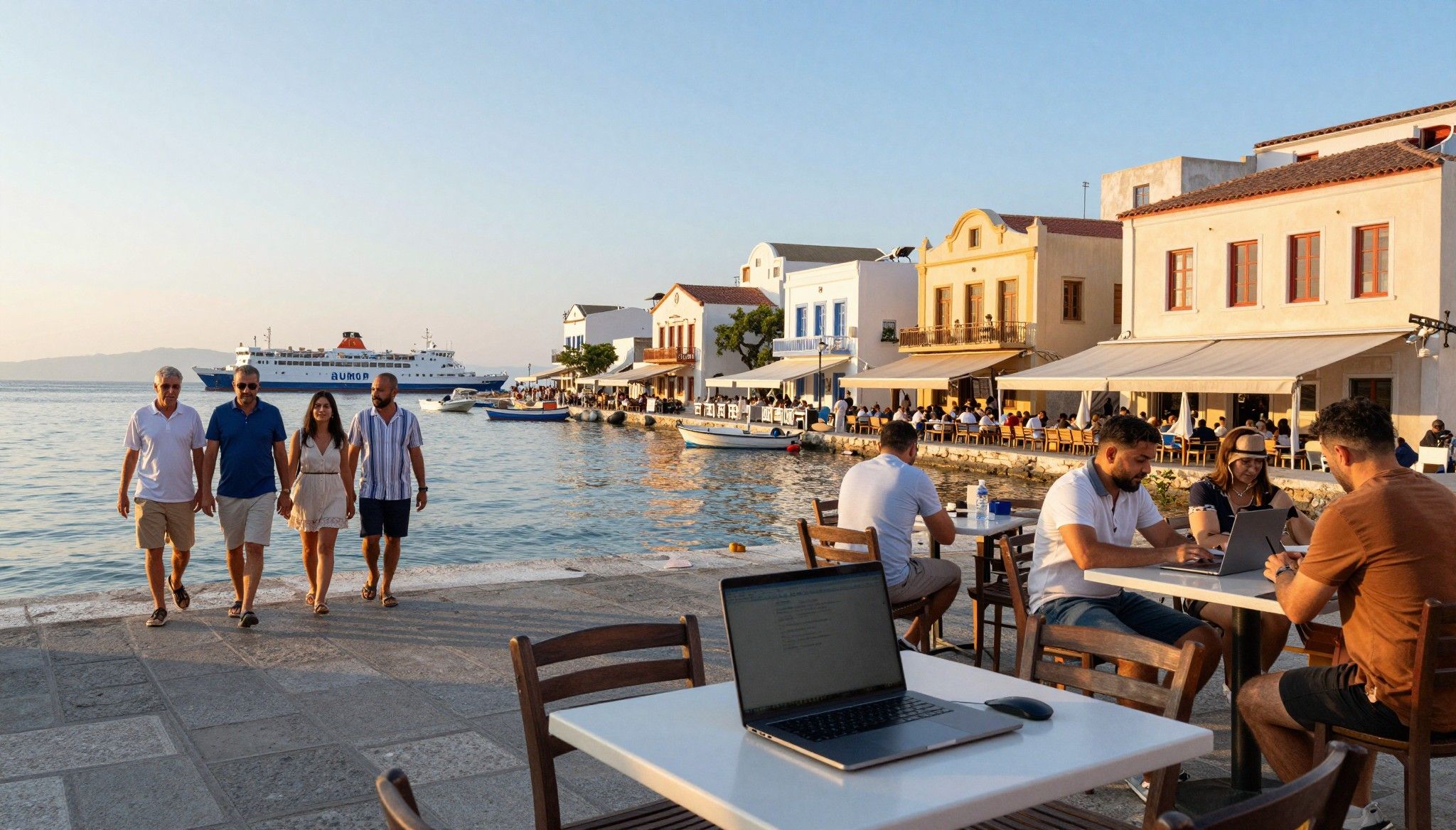
Coastal living swaps instant convenience for calm and outdoors. In Puglia’s Polignano a Mare or Liguria’s Levanto you’ll find terraced apartments or renovated fishermen’s houses with sunshine and sea air — perfect for afternoon swims and creative focus time. But expect lower retail variety, seasonal tourism swings and the practicalities of maintaining older buildings near salt air. If you crave nature between work sprints, these places repay patience with slower mornings and dramatic sunsets.
Residency reality: what the new visa means for buyers
Italy’s digital-nomad visa (implemented April 2024) opens a practical residency pathway for highly-skilled remote workers, but it’s not a free-for-all. Applicants must show tertiary-level qualifications or significant professional experience, roughly €28,000+ annual income, proof of accommodation and health cover; the visa is initially valid one year and renewable. That changes the buyer equation: you can apply for residency while house-hunting, but you’ll need paperwork and local support — a trusted agency and an accountant make that leap far easier.
How visa requirements shape neighbourhood choice
If your visa hinges on proof of suitable accommodation, short-term rentals or temporay leases won’t cut it for long. Look for agents who handle lease-to-buy arrangements or sellers comfortable with a residency-timed deposit. Also prioritise towns with local questure (immigration offices) that process residence permits quickly — larger cities (Milan, Rome, Florence) tend to be faster than tiny coastal communes. That bureau presence can save weeks of bureaucracy when you arrive.
Six practical steps to align a property purchase with visa timing
- 1. Book a consulate appointment and confirm visa docs before making an offer. 2. Choose a property with clear legal title (no unfinished permits) so you can register your address immediately. 3. Work with an English-speaking notary and agent who understand residence-permit timing. 4. Keep interim accommodation for 2–8 weeks in cities with busy immigration offices. 5. Set aside extra budget for municipal registration fees and possible renovation declarations. 6. Hire a local accountant to clarify tax residency risk if you’ll spend >183 days annually.
Market pulse: prices, trends and where value hides
House-price indices show a modest nationwide rise in 2025 with strong regional variation — city centres and tourist hotspots still command premiums while many hill towns and southern provinces remain comparatively affordable. ISTAT’s HPI reported year-on-year gains in 2025 and Immobiliare.it maps show northern peaks (Trentino Alto Adige) versus south lows (Calabria). For nomads that means you can trade a lower per-m² price for more renovation work or opt for a small city hub for coworking infrastructure at a higher cost.
What to ask your agent about property condition and connectivity
- • Exact broadband speeds and provider options (fibre availability at the address). • Recent energy upgrades, insulation and damp history — old houses look charming but can be costly to convert into good home offices. • Municipality planning rules and any past illegal extensions that could block registration for residency. • Local rental yields if you plan to host visitors between stays, plus tourist-vs-long-term tenancy rules. • Proximity to the local questura or comune for residence paperwork.
Insider knowledge: expat truths and seasonal surprises
Expats often underestimate seasonality: a coastal town that’s buzzing in July can be sleepy from November to March. That’s great for focus work but less fun for social life. Locals prize long-term relationship-building — learn basic Italian, join the mercato on Saturday and you’ll be invited to festas and dinners faster than you’d expect. And one contrarian tip: neighbourhoods locals avoid for tourists (industrial waterfront blocks in Genoa or outer Rome districts) can offer unexpectedly affordable homes with quick commuter links and authentic community life.
Long-term lifestyle checks every nomad should do
- • Test the internet over different times of day for a week before committing. • Spend at least one low-season month to feel the year-round reality. • Check medical access: the nearest hospital and expat-friendly GPs. • Make a social plan: coworking memberships, language classes and volunteer meetups.
Buying in Italy is a lifestyle move as much as a legal one. Picture mornings at Bar San Calisto in Trastevere, desk-time in a bright mezzanine apartment, weekends at a coastal trattoria — those images should drive your property checklist. Pair that vision with concrete steps: confirm visa eligibility, prioritise fibre connectivity, insist on clean title and work with an agency experienced in residency-linked purchases. Start small: a short-term rental in your chosen neighbourhood, then buy with confidence once you’ve lived the rhythm.
Norwegian who has helped 200+ families relocate from Oslo to Spain; expert in relocation services and community integration.