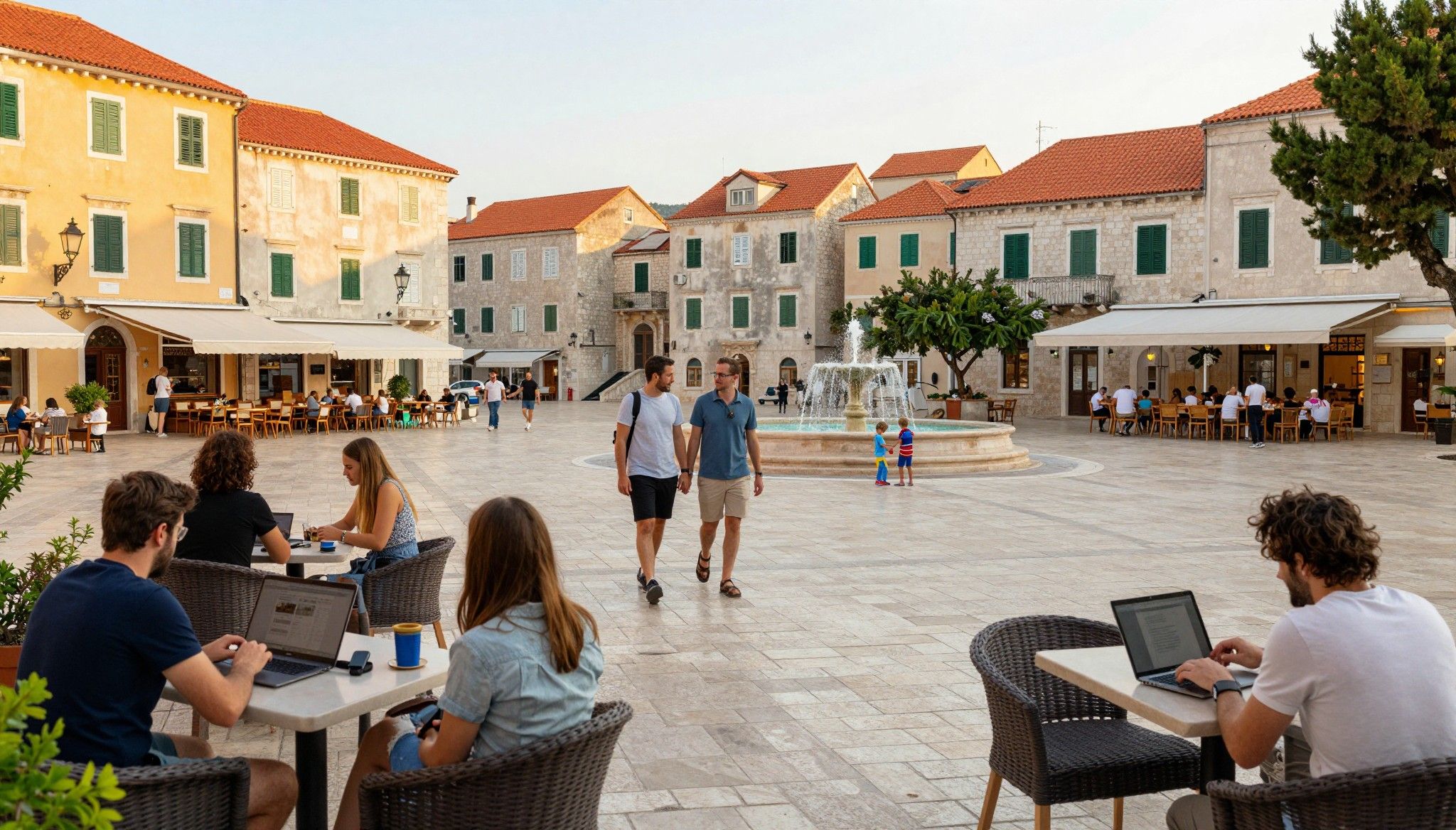
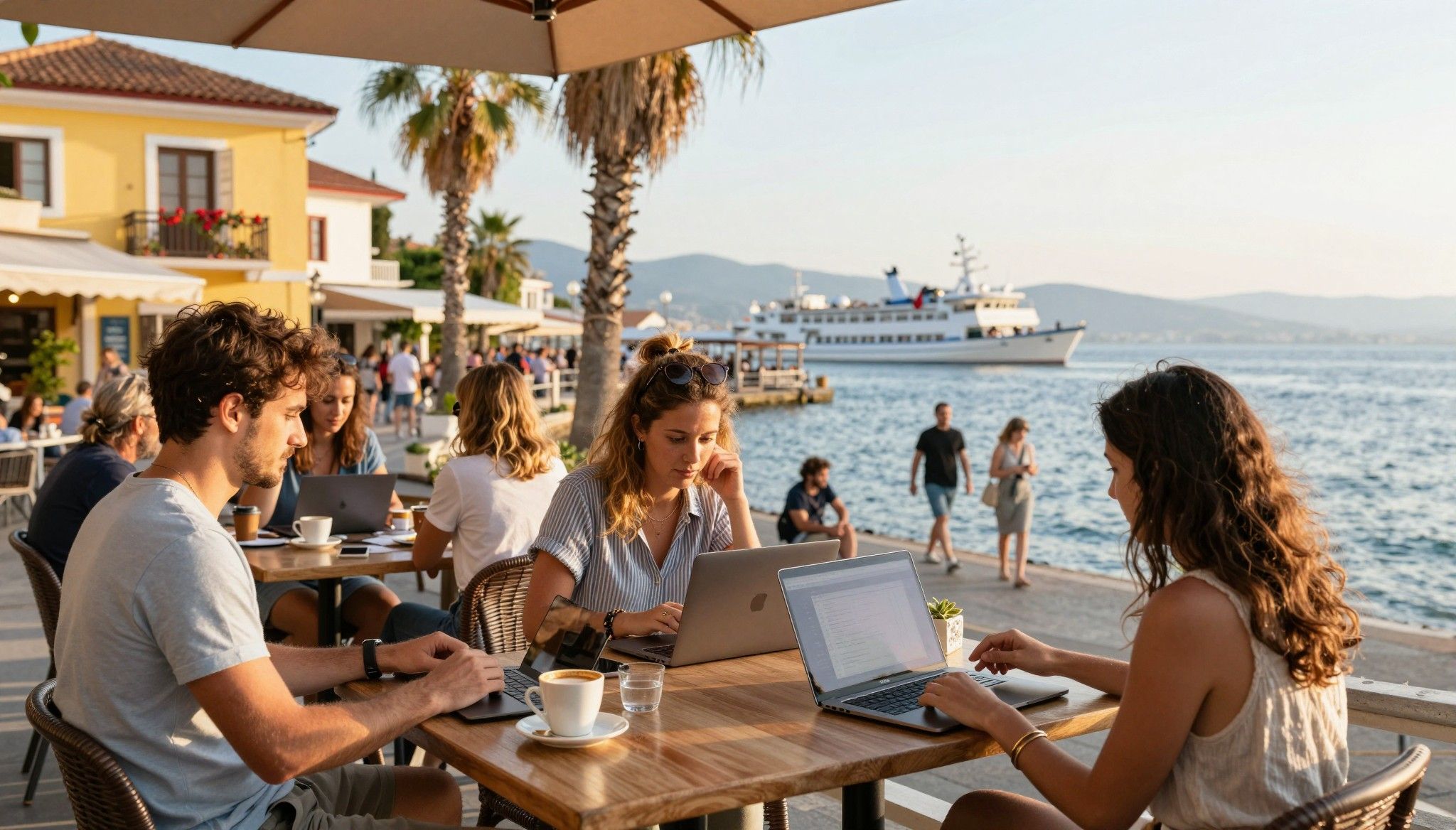
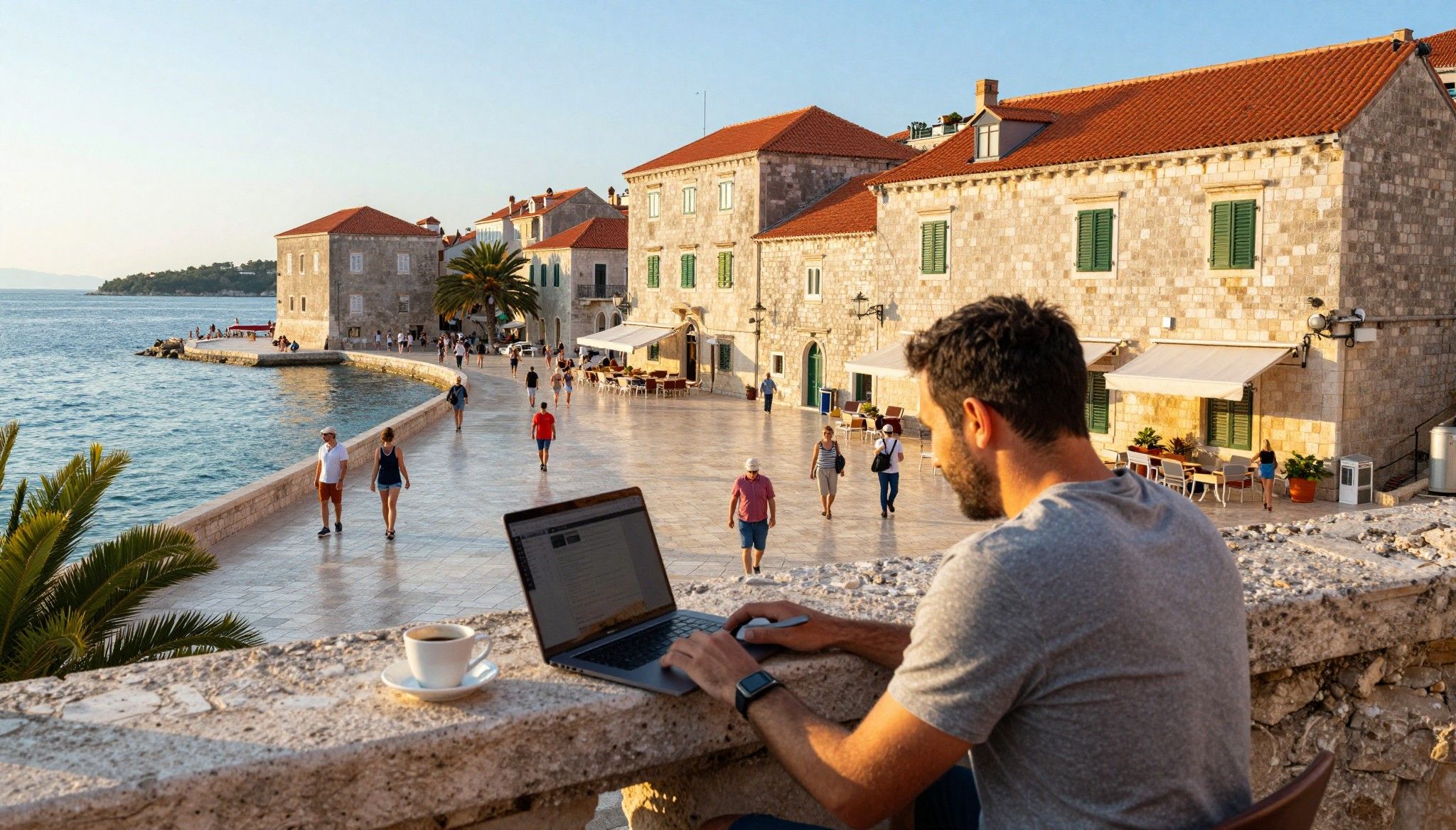
Italy: Elective Residence vs Digital‑Nomad — Lifestyle Tradeoffs
Compare Italy’s elective residence, digital-nomad and investor routes—lifestyle tradeoffs, neighbourhood picks and visa-driven property choices backed by ISTAT and market reports.
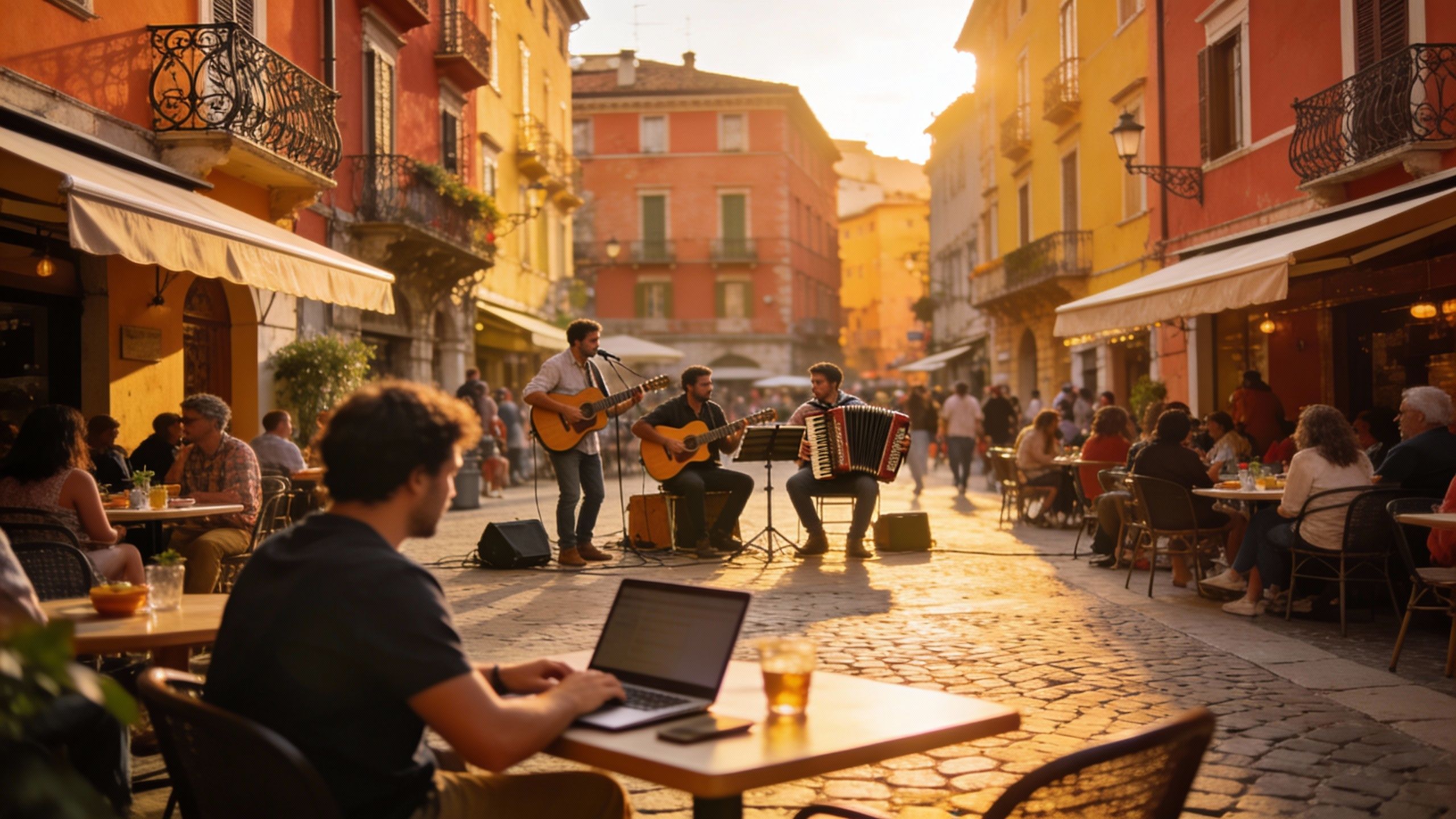
Imagine sipping espresso at a tiny table on Via dei Tribunali in Naples, then jumping on a train to a coworking loft in Milan the next day. Italy feels built for slow mornings and efficient digital afternoons: cobbled streets, lunchtime chatter, and surprisingly solid broadband in the towns remote workers are choosing. But the visa you pick shapes the life you can actually lead here — who can work, who can bring family, and where buy-to-live makes sense. Let’s compare the real lifestyle tradeoffs between Italy’s elective residence, investor and digital-nomad routes so you fall for the place and make a confident plan.
Living the Italian lifestyle — what you actually get
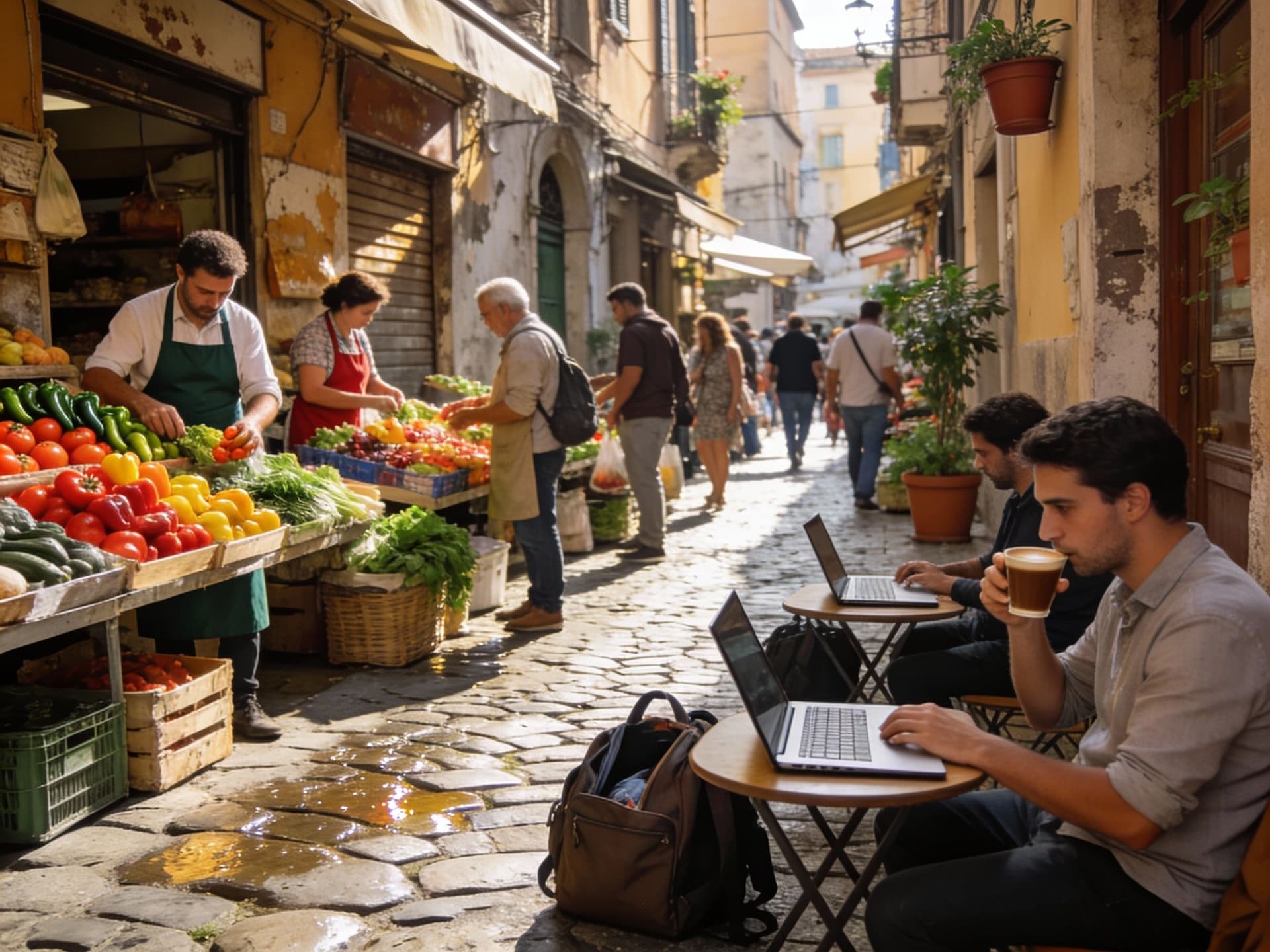
Italy’s rhythms are sensory: markets at dawn, siesta-light afternoons in smaller towns, and aperitivo that stretches into late evenings. Neighborhoods differ wildly — think Palermo’s market noise, Florence’s stone alleys, Porto Ercole’s harbour calm, and Milan’s efficient, design-forward quarters. For nomads, the trick is matching daily life (fast coffee, accessible coworking, reliable fibre) with the romantic bits — piazzas, markets and seasonal rituals — that make living here addictive.
Neighbourhood spotlight: Milan’s Porta Romana and Rome’s Pigneto
Porta Romana in Milan is a perfect week-in-week-out base: cafes that double as daytime desks, sleek design shops for weekend wandering and several reliable coworking spaces within ten minutes on foot. Pigneto in Rome is the opposite kind of magnet — gritty, buzzy, full of trattorie and creative spaces where community forms over craft beer and late-night concerts. Both deliver city-life conveniences but very different social calendars; pick your vibe before you pick a property.
Food, seasons and social life: how Italy’s calendar shapes your week
Seasons here aren’t just weather — they rearrange life. Autumn truffle fairs and chestnut markets fill villages; July and August shrink some towns as locals head to the coast; winter brings slower cafes and lower short‑term rents in many tourist hotspots. For remote work, that means your quality-of-life and rental income potential both shift with the calendar — scout in the off-season to see daily life, not the postcard.
- Lifestyle highlights: cafés, markets and micro‑gems
- Morning espresso and cornetto at Bar Rivoire (Florence), afternoon coworking at Copernico (Milan), Friday fish market at Mercato di Ballarò (Palermo), sunset drinks on Lungomare (Bari), Sunday hike and picnic in Cinque Terre trails.
Making the move: visas, residency and how they change your property choices
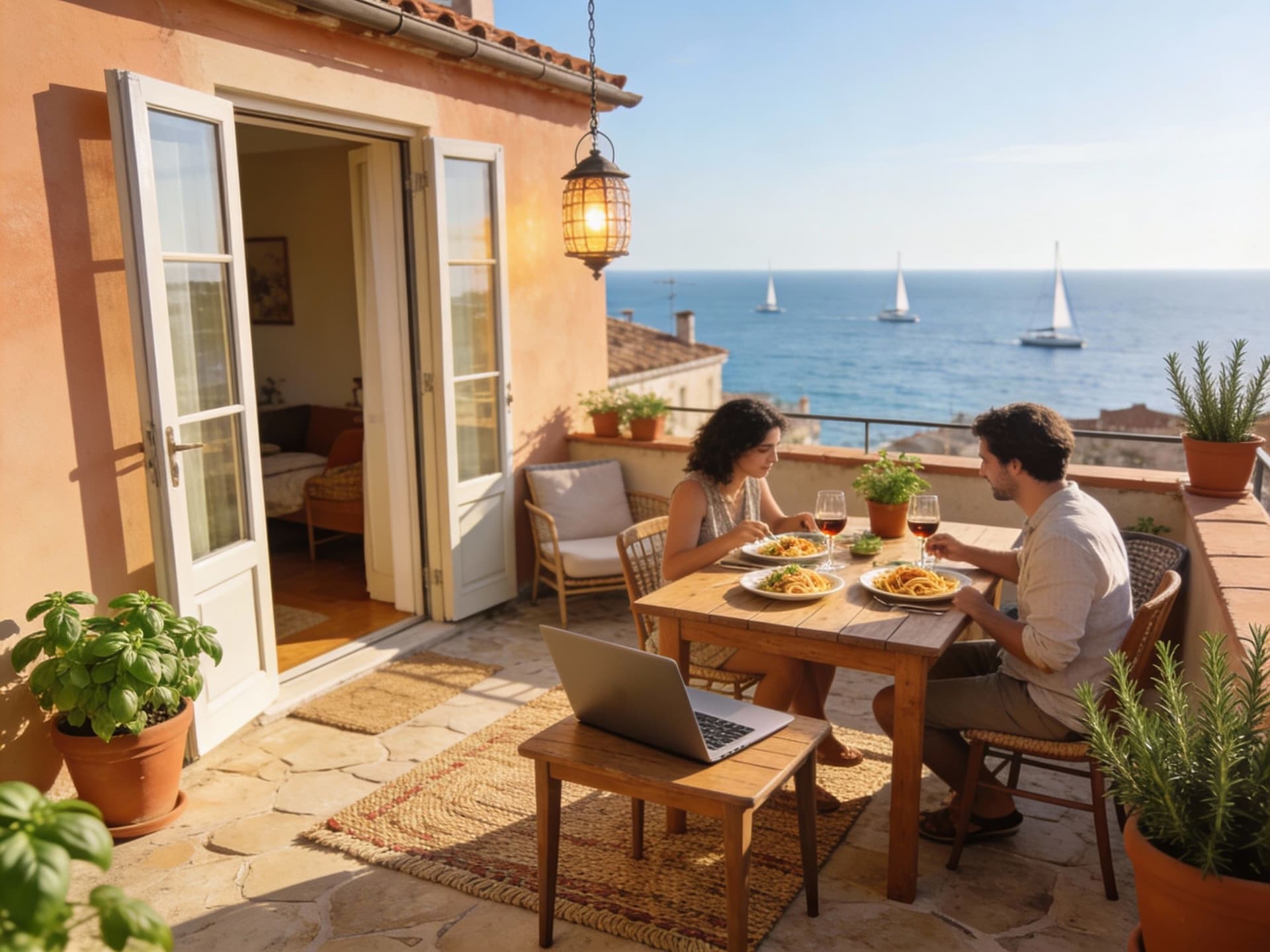
Before you fall in love with a facade, check the market context. National data show Italy’s house-price trend has been positive year‑on‑year in recent quarters, driven by demand for existing homes in both big cities and attractive regional towns. That makes buying in a sought-after neighbourhood like Amalfi or central Milan a lifestyle bet with different financial implications than buying in an inland hill town where prices and running costs are lower.
Elective residence: the slow‑life route
Elective residence (visto per residenza elettiva) is designed for people who can support themselves with passive income — pensions, investments or rental yields — and want to live in Italy without working locally. It’s ideal if you crave full immersion: you can buy a village house and register as resident, join the local market rhythm, and enjoy social benefits after registering with the health service. The tradeoff is you cannot take up paid work in Italy, so your property choice must support long‑term living, not just seasonal stays.
Digital nomad & remote‑worker visa: work-first, lifestyle-second
Italy’s digital nomad framework (introduced through recent implementing rules) targets highly qualified remote workers and salaried remote employees. Typical consular practice needs proof of stable income (commonly cited around €28,000–€30,000), health coverage, housing and relevant education/work history. This path lets you work legally while living here — crucial if you plan to keep a foreign employer and expect steady broadband-dependent work days.
- How visa choice should influence your property pick
- 1) Elective residence — prioritise comfort, community and long‑term amenities (local clinic, market access, a quiet study room). 2) Digital nomad — prioritise fibre/rural cover, fast mobile speeds, proximity to coworking and short‑term rental demand. 3) Investor/entrepreneur routes — think properties with conversion potential, multi‑unit layouts for rental income, and good legal support for business registration.
Insider knowledge: what expats underestimate (and local fixes)
Here’s the real talk: Italians love paperwork and local rules vary. The same visa can be interpreted differently by consulates, and municipal services — from rubbish collection to registering your residency — differ city by city. Many expats under‑estimate the time for 'last-mile' bureaucracy: getting your codice fiscale, signing up for health cover, or transferring utilities can take weeks. A local agency or lawyer that knows the Questura and Comune in your chosen town is worth their weight in espresso.
Language, community and how to belong
You don’t need flawless Italian to make friends, but a few phrases open doors — shopkeepers appreciate it and neighbours notice effort. Join markets, volunteer at a local festa, sign up for language exchanges in coworking spaces, and use community WhatsApp groups to learn about local tradespeople and secret gatherings. Belonging accelerates when you shop at the same panificio and show up to the same aperitivo spot.
Long-term questions every buyer should ask
- Ask about seasonal utility costs, clarity of title for historic properties, local planning restrictions for renovations, average broadband speeds on your street, and whether the neighbourhood supports year‑round life (not just summer tourism).
Practical next steps — a short checklist to turn inspiration into action
- 1) Pick a visa ambition (elective vs digital nomad vs investor). 2) Visit in off‑season and test coworking, broadband and daily routines. 3) Talk to at least two local agents and one immigration lawyer. 4) Verify title and utilities before making an offer. 5) Plan for 2–3 months of settling-in bureaucracy after arrival.
Italy seduces. The food, the local rhythm, the markets and the surprising pockets of coworking make it a top pick for nomads who also want roots. Use the visa to shape the life — not the other way round — and enlist local experts who’ve handled the exact permit you need. If you want help testing neighbourhoods, lining up agents and a visa-savvy checklist, that’s where the right agency becomes your lifestyle enabler.
Conclusion: fall in love, plan pragmatically, and make Italy your next productive, joyful base.
Swedish, relocated to Marbella in 2018 to chase sun and property freedom. Focus on legal navigation and tax for Nordic buyers.