Italy: Nomad Life, Investor Routes & the 2024 Digital Nomad Door
Italy’s lifestyle is irresistible — from Trastevere espresso rituals to Milan’s coworking corners — and new visa routes (Investor, 2024 Digital Nomad) make testing the life realistic.
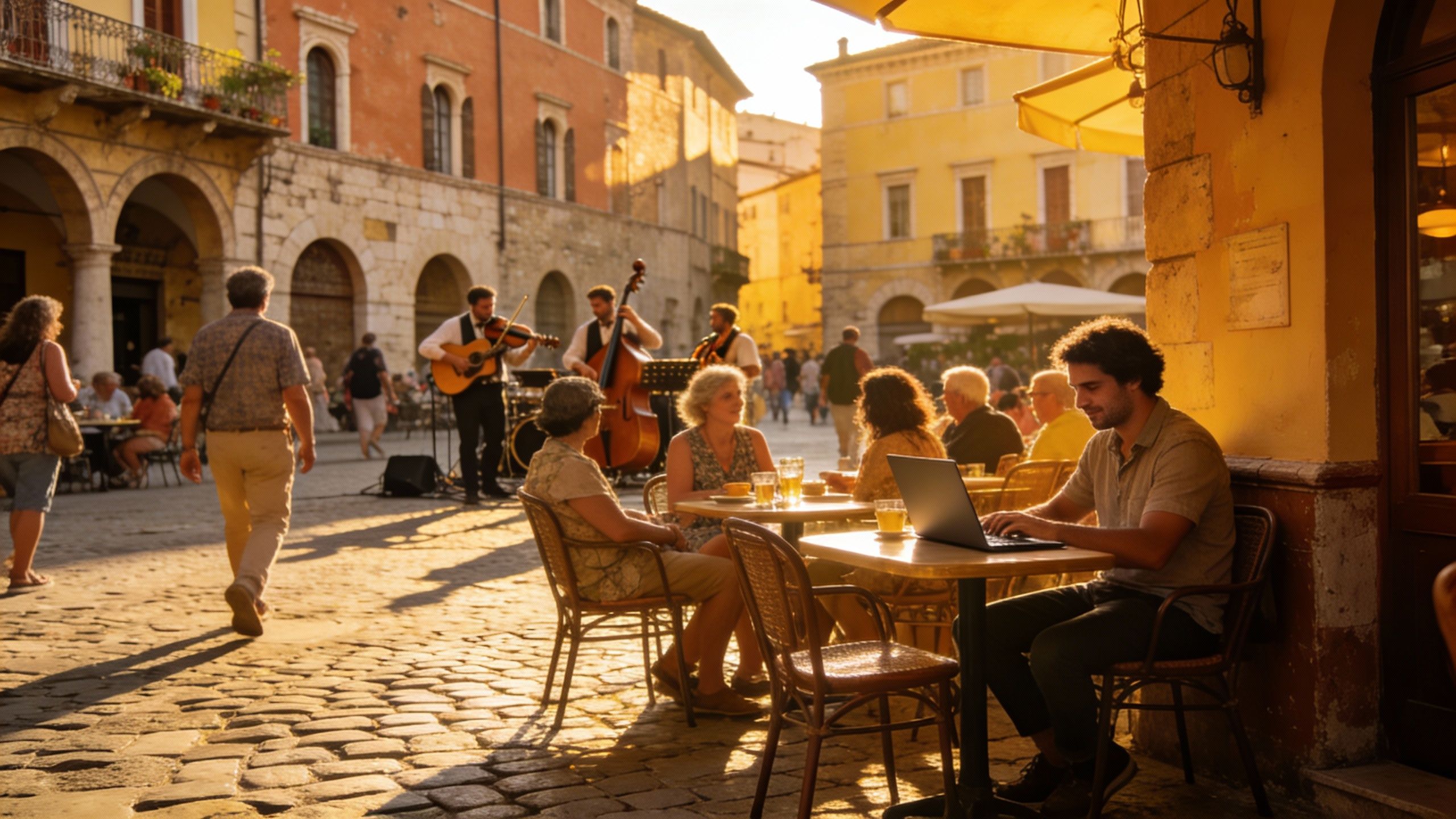
Imagine this: a short espresso break on Via dei Coronari in Rome, a laptop open beside your cup, sun hitting ancient stone and a delivery of fresh focaccia from the corner forno. Italy feels like a living story — slow mornings in piazzas, rowdy aperitivo hours, markets that reset the week. That sensory everyday is exactly why nomads and remote workers keep looking here. But the visas, the rules, and the property market can feel like a different language. This piece stitches the dream to the do-able — lifestyle first, practical second — and cites the official visa programmes and market data you'll actually use.
Living the Italy lifestyle
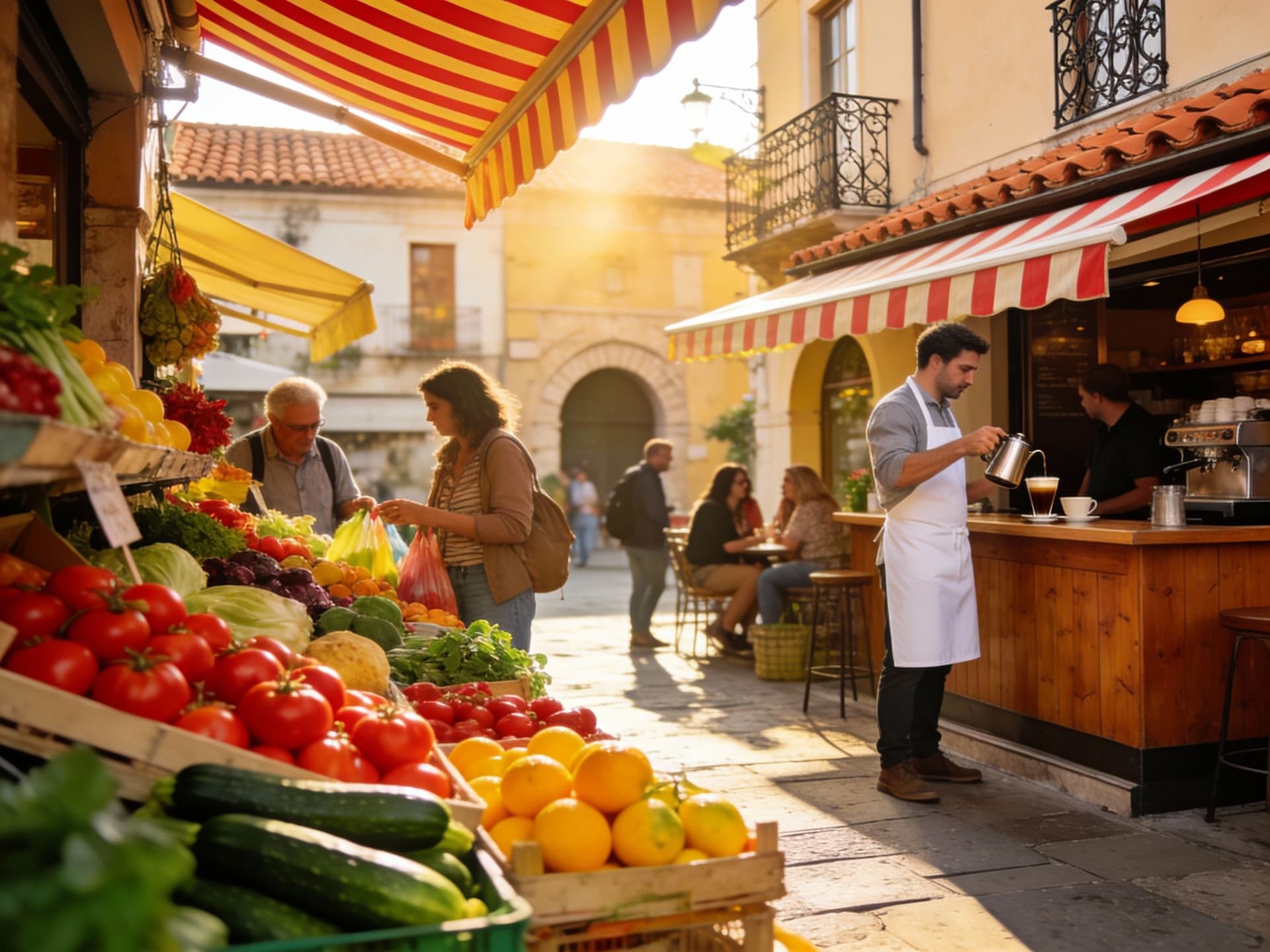
Italy is simultaneously postcard and living room: cobbled lanes in Florence, scooter choruses in Naples, and the hush of Dolomites mornings. Daily life is built around piazza rhythms — coffee, quick shopping at the mercato, and evenings that belong to conversation. For nomads that means charming off-hours workspaces, rooftop Wi‑Fi corners, and cafés where locals still read newspapers. National statistics show regional differences in price and services, so your lived experience will depend on whether you choose Milano, rural Puglia, or coastal Liguria. The journey starts with where you want those rituals to happen.
Neighbourhood spotlight: Trastevere to Brera — very different afternoons
Pick Trastevere and you get narrow lanes, tiny trattorie, and late-night chatter under grape vines — perfect for creatives who want vibrancy outside work hours. Choose Brera (Milan) and your afternoons are gallery-filled, espresso-fueled, and a five-minute walk from coworking hubs. Move south to Ostiense and you’ll find industrial-chic cafés and a growing startup scene, while Oltrarno in Florence hands you artisans and quieter evening strolls. Each neighbourhood shapes how you live: noisy versus contemplative, social cafés versus dedicated coworking studios.
Food, markets and weekend life
Saturday markets define social weekends: Mercato di Porta Portese in Rome for treasures, Mercato Centrale in Florence for foodie heaven, and Palermo’s Ballarò for raw street energy. Meals are a ritual — Sunday pranzo can last hours — and regional cooking means you’ll form deep allegiances (Puglian orecchiette, Ligurian pesto, Neapolitan pizza). For buyers, proximity to markets, bakeries, and a lively piazza often matters more than square metres. If you want to live like a local, anchor your home near the places you’ll actually use every week.
- Lifestyle highlights to look for when choosing a neighbourhood: • Morning market within a 10-minute walk (fresh produce matters) • A reliable café with outdoor seating for afternoon work sessions • A coworking space or fast-fiber cafe within 15 minutes • Green spaces or a nearby passeggiata for evening walks • Local community events (sagre, neighbourhood festivals) that signal social life
Making the move: practical considerations
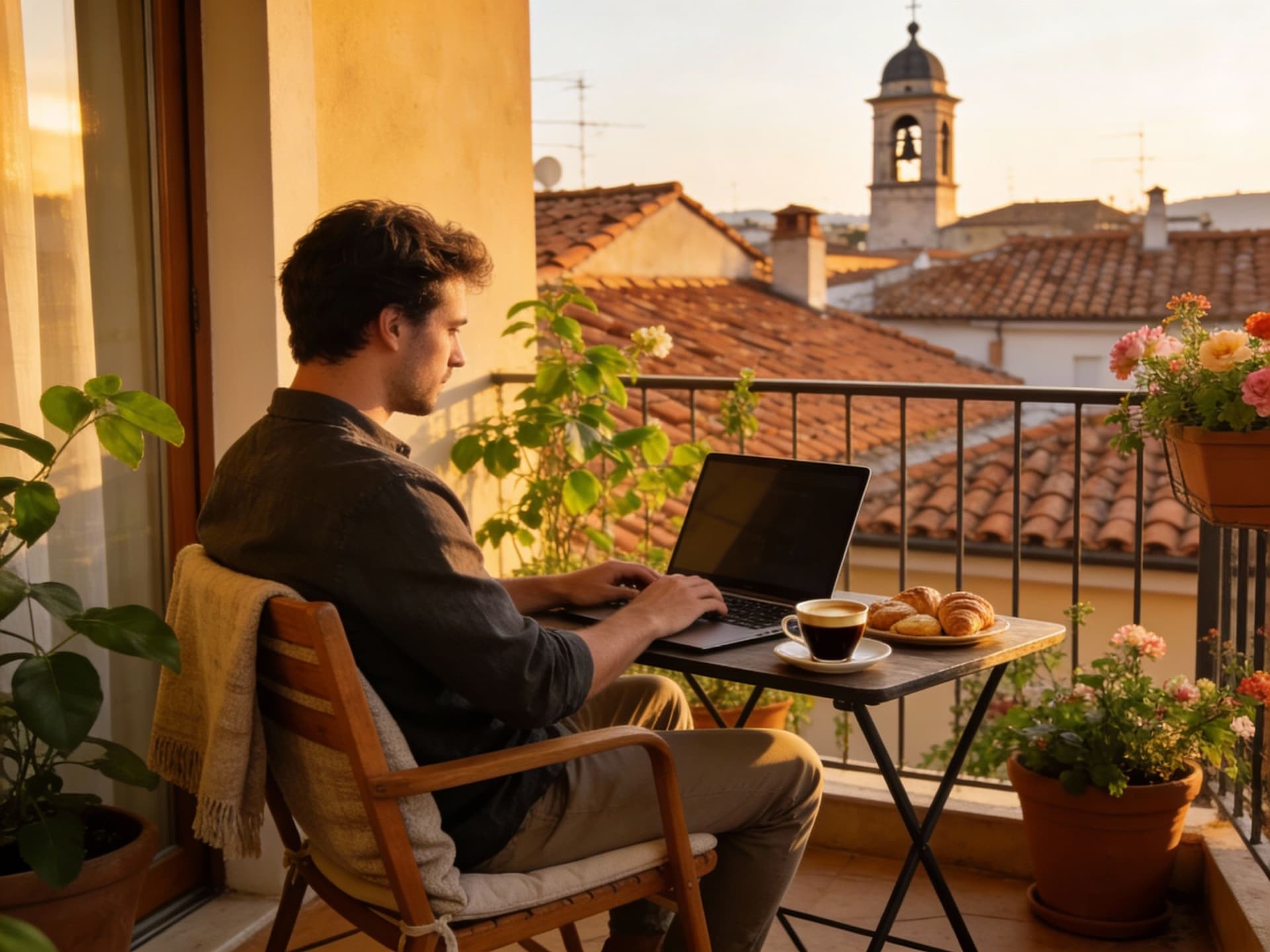
The romantic image collides with paperwork, but Italy now offers concrete visa paths that make living here possible — from the Investor Visa to the newer Digital Nomad route. The Investor Visa remains a route for deep-pocketed buyers who want a long-term foothold; details and application phases are handled through the official Invest in Italy portal. The Digital Nomad visa, launched in 2024, opened a practical doorway for remote workers with steady income who want to test the life for a year and potentially renew. Both options change the calculus of where you look and how long you can stay while your residency paperwork processes.
Property types & what they give you
Historic centro apartments deliver atmosphere — vaulted ceilings, stone floors, and balconies peering into piazzas — but expect renovation realities like old heating systems and strict heritage rules. New builds and conversions around city edges give fast fiber, elevators, and more workspace options (think room for a dedicated office nook). In the countryside, detached villas and restored farmhouses offer outdoor space and lower prices, but consider connectivity: confirm fiber availability or strong 5G before signing. Match property type to your work needs: a quiet apartment for deep-focus dev work; a light-filled flat with balcony for creative routines.
Working with local experts who get nomads
- How a lifestyle-savvy agent helps: 1. Maps fibre and coworking options during viewings so you can test connections on the spot. 2. Flags heritage restrictions, renovation permits, and hidden maintenance costs before you bid. 3. Knows seasonal rental demand if you plan short lets while you try a neighbourhood. 4. Helps arrange bilingual notaries and introduces you to relocation contacts (tax advisors, accountants, expat networks).
Insider knowledge: what expats wish they'd known
Here's the kind of real talk no brochure gives you: Italian bureaucracy runs on patience and the right local contacts. Expect a rhythm — weeks of progress, then a pause — and budget for extra time when applying for residency permits or opening local utility accounts. Language helps, but many services in bigger cities have English support; smaller towns reward relationship-building and a little Italian. Lifestyle tradeoffs are real: living near a mercato may mean noise at dawn but unbeatable food and community.
Cultural integration and community
To belong, get to know local rhythms: sign up to a language class in the local circolo, volunteer at a sagra, join a coworking meetup, or take a cooking course from a neighbour. Italians reward effort — showing up consistently opens doors. For families, scout schools early: international schools cluster in big cities, while smaller communities rely on local state schools and regional networks. The point is simple: community is built slowly, and your neighbourhood choice matters more than a flashy view.
Long-term lifestyle and residency realities
- Steps to turn a nomad trial into a longer stay: 1. Use a 1-year Digital Nomad visa to test a region’s slow seasons, services, and work setup. 2. If staying longer, evaluate tax residency (183-day rule) and consult a local tax advisor — this decision changes budgeting and benefits. 3. Consider local residency routes: Elective Residence or Investor Visa if you qualify and want permanence. 4. Lock in a long-term rental or buy in areas where infrastructure (fiber, healthcare, schools) meets your future needs.
Conclusion: fall for the life, plan the move Italy is a sensory country — it’ll seduce you with food, light, and community. But loving the life and securing it are distinct acts: test neighbourhood rhythm with a nomad visa or a long rental, work with agents who check fiber and notary history, and use official visa channels (Investor Visa portal; Digital Nomad guidance) when applicable. Start with where you want your mornings and evenings to feel like home, then let the paperwork follow. When you’re ready, a local agency that understands nomad routines will turn the dream into an address.
Dutch investment strategist guiding buyers to Greece and Spain; practical financing, tax, and portfolio diversification.