Italy’s Nomad Routes: Live La Dolce Vita on a Work Visa
Italy’s 2024–25 visa and market shifts make long-term remote life possible—learn which visas work, where value hides, and the local trade-offs that shape daily life.
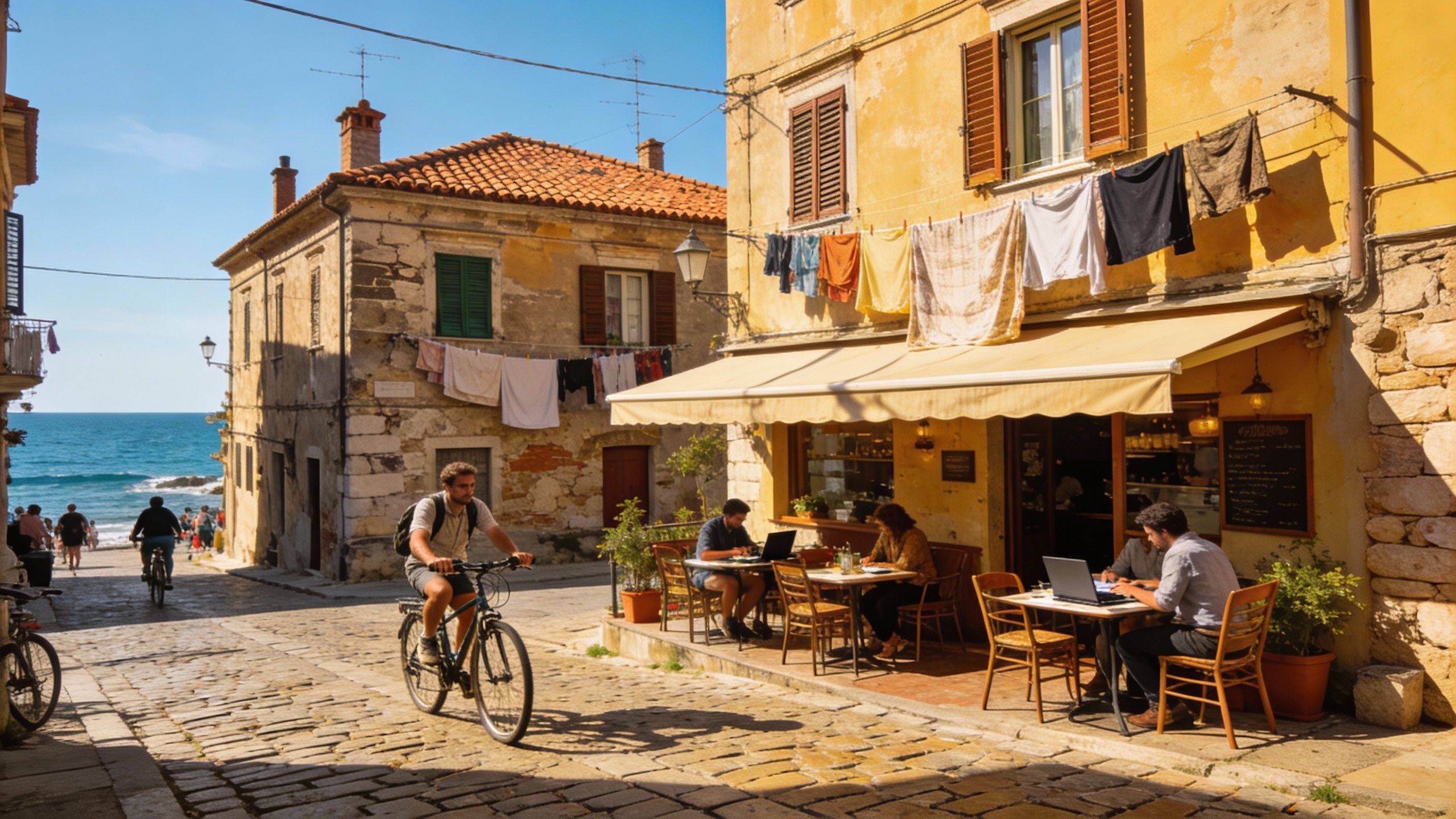
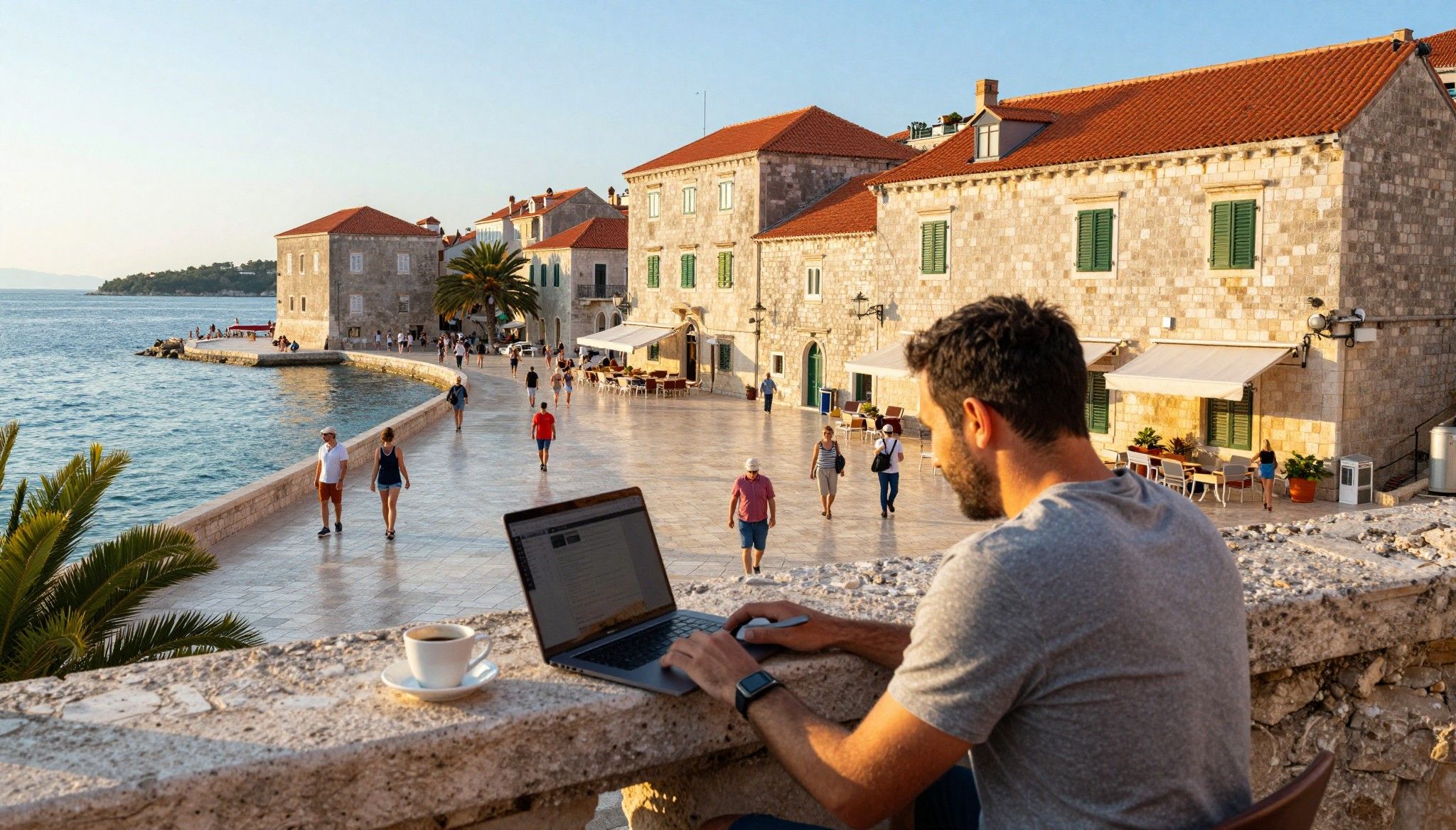
Imagine sipping an espresso at sunrise in Trastevere, laptop open, then biking to a coworking in Ostiense for afternoon calls. Italy already feels like a years‑long vacation—yet recent visa changes make that longer stay realistic. The new digital nomad route and established residency options now stitch lifestyle and paperwork together in ways many remote workers didn’t expect.
Living the Italy life: daily rhythms and real places
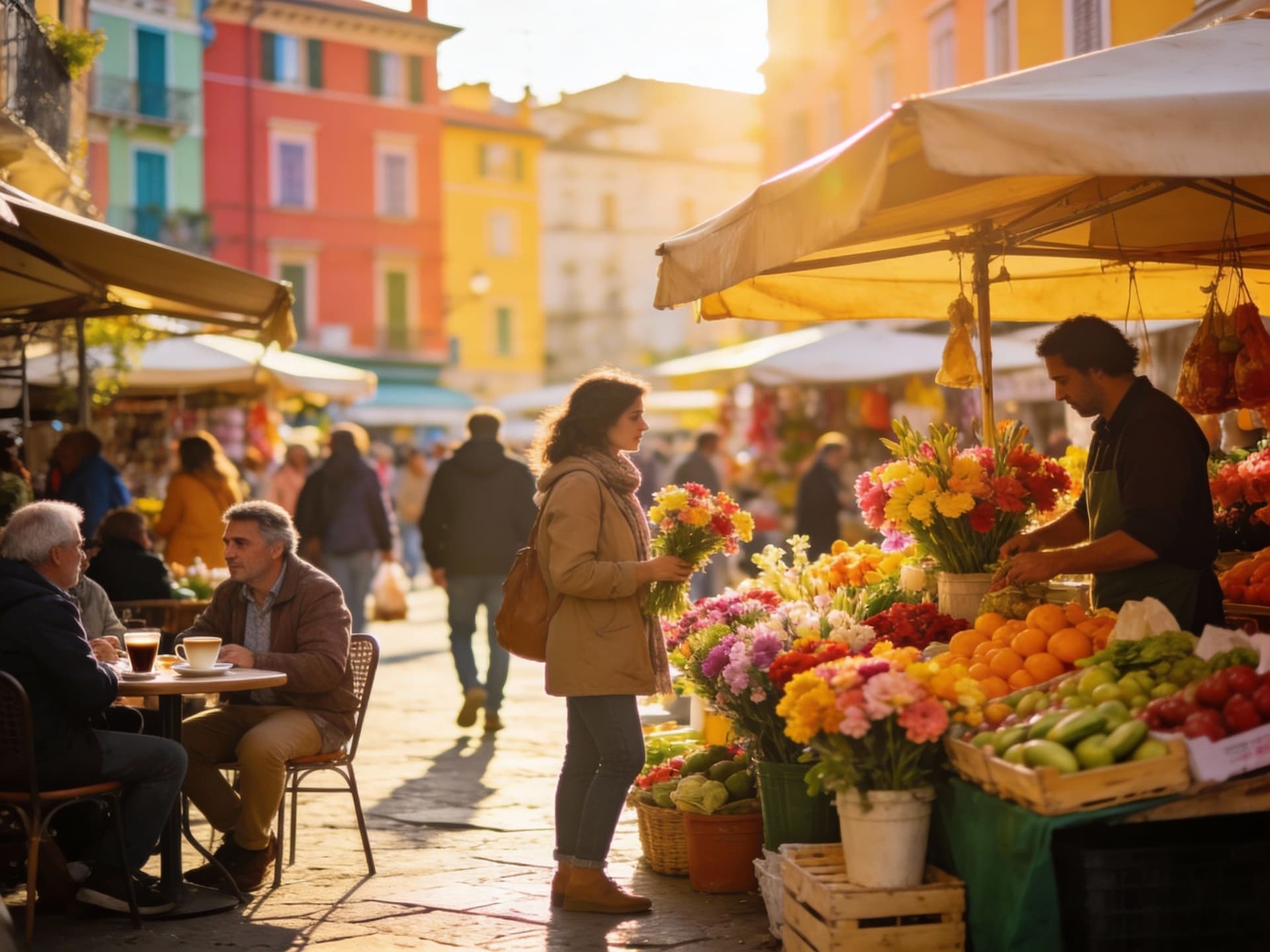
Italy isn’t one uniform fantasy — it’s a mosaic. Mornings in Rome’s Trastevere smell of fresh bread and espresso; afternoons in Milan pulse with design and coworking; evenings in Puglia mean long dinners under string lights. Picture walking cobbled lanes in Florence, popping into Mercato Centrale for lunch, or trading a mountain hike in the Dolomites for a seaside sunset in Amalfi.
City neighbourhoods that feel like communities
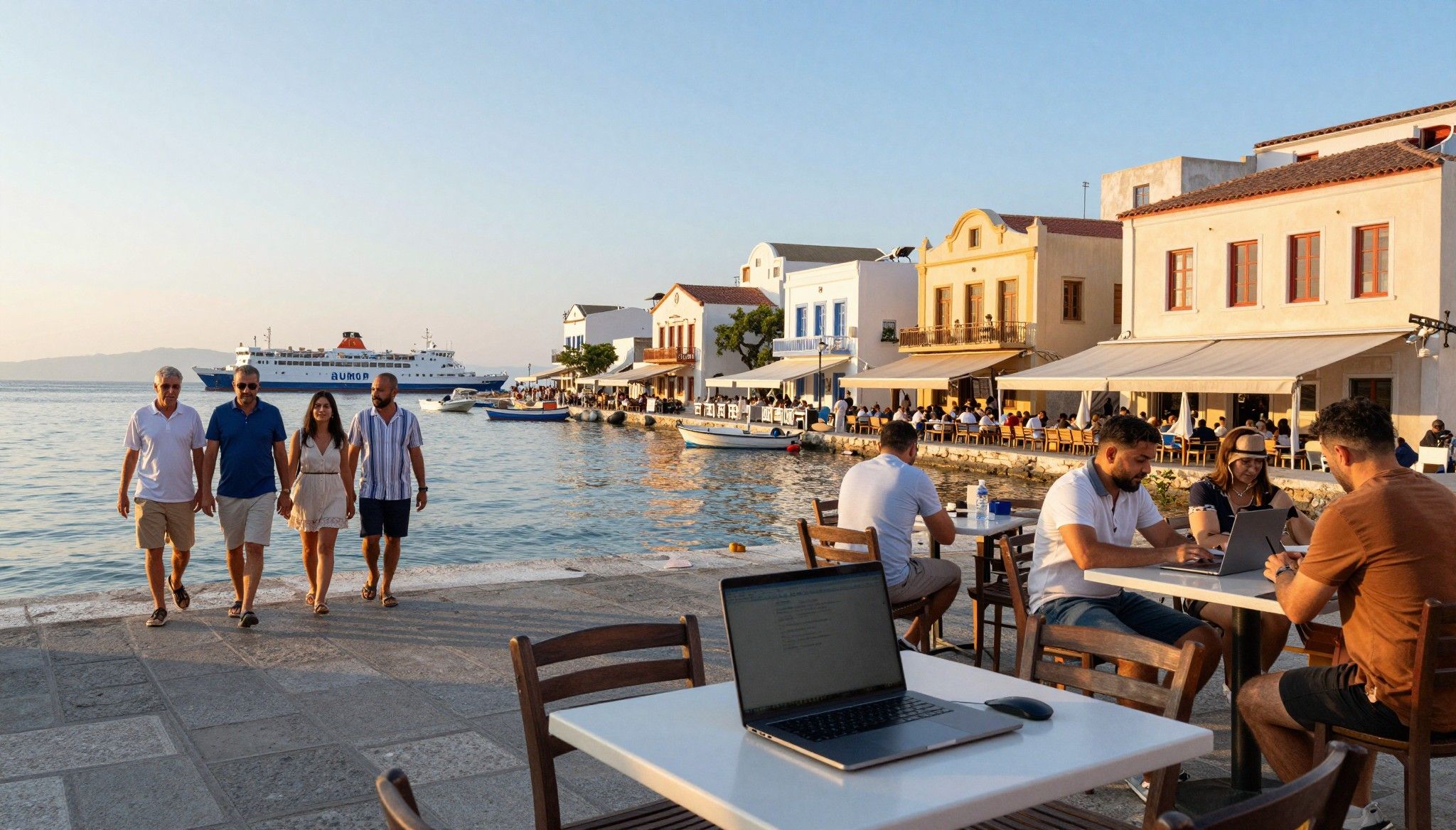
If you crave ritual — espresso, passeggiata, aperitivo — choose a historic centro: Trastevere in Rome or Oltrarno in Florence. If you want fast internet, coworking and a startup vibe, Porta Nuova and Brera in Milan deliver. Coastal towns like Polignano a Mare or Sorrento are slower, social and perfect for weekend beach-office days. Each neighbourhood shapes how you live more than any square footage number ever will.
Food, markets and small rituals that anchor life
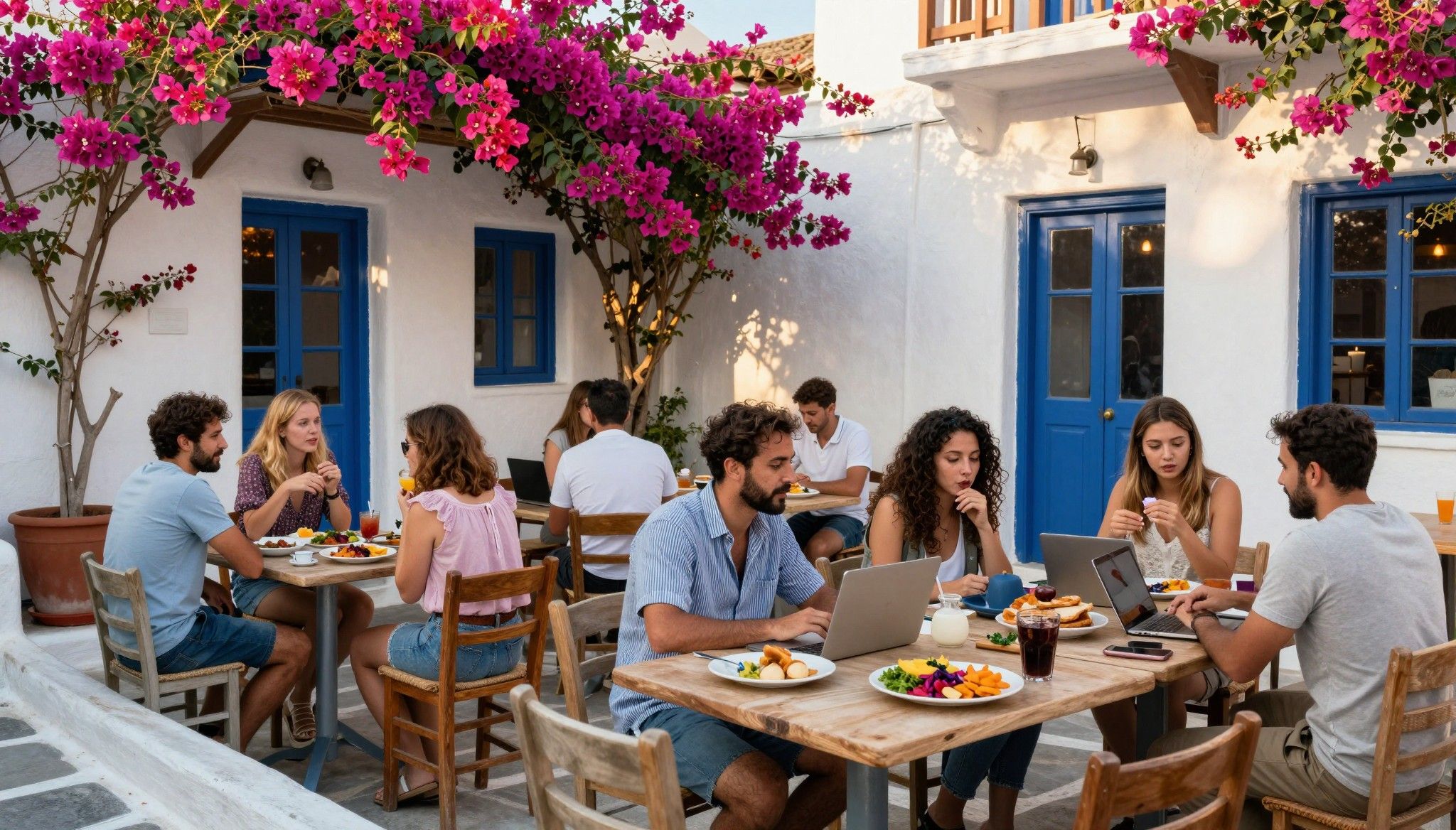
Weekends are for markets. Think Florentine lampredotto stands, Palermo’s street-food stalls, and Ligurian focaccia for breakfast. These rituals aren’t tourist theater — they’re the easiest way to meet neighbours, learn Italian phrases fast, and taste seasonal produce that changes how you cook at home.
- Morning espresso at Caffè Sant’Eustachio (Rome); coworking in Copernico (Milan); weekend truffle hunts (Piedmont); sunset aperitivo on Lungomare (Bari); farmers' market mornings in Campo de' Fiori (Rome).
Making the move: visas, residency and market reality

Dreams meet paperwork here. Italy introduced an official digital nomad visa implementation in April 2024, and practical residency paths (elective residency, investor routes) coexist with it. Knowing which route suits your work, income and family situation is the first practical step toward turning the fantasy into a daily routine.
Digital nomad visa: what it actually lets you do
The digital nomad visa targets non‑EU remote workers and was implemented by ministerial decree in 2024. It typically requires proof of stable remote income, health insurance and accommodation. You can apply through Italian consulates and then request a residence permit from inside Italy. For many nomads, this removes the quota bottleneck that blocked long stays previously.
Property market snapshot (data-backed)
Official ISTAT numbers show house prices rose year‑on‑year into 2025 (HPI +4.4% in Q1 2025 vs Q1 2024) while transaction volumes increased — good news if you worry Italy is frozen. But regional divergence is real: historic city centres and second‑home coasts behave differently than inland towns, so location choice matters as much as timing.
- Steps to align visa and property plans: 1) Confirm visa eligibility and timeline at your consulate; 2) Use local agents who handle non‑EU paperwork; 3) Check broadband and workspace options in desired neighbourhoods; 4) Budget for taxes, agency fees and minor renovations; 5) Apply for the residence permit within the legal window.
Insider knowledge: what expats wish they'd known
You’ll hear myths: "Italy is too pricey", or "you must speak Italian immediately." Truth? Prices are uneven and pockets of real value exist in Emilia‑Romagna, parts of Sicily and inland Tuscany. And while Italian helps, community is often built at the market, the bar and the local coworking — not at the language school.
Cultural cues that change where you buy
Italians prioritise central piazzas, building community life and preserving fabric. That means nicer facades but sometimes smaller interiors and trickier renovations in historic centres. For nomads who prize a balcony workspace or fast uploads, suburbs near transit hubs or regenerated waterfronts often win out.
Longer-term lifestyle trade-offs
- 1) Historic centre apartment: incredible vibe, limited workspace; 2) Renovated urban flat: better internet, more daylight; 3) Seaside town home: seasonal crowds, dreamy summers; 4) Countryside villa: space and land, extra upkeep and travel time.
Practical next steps: talk to a bilingual agency that understands visa timelines, demand a checklist for fibre availability, and visit at least twice in different seasons — Italy changes personality between winter and summer.
Conclusion: Italy now offers clearer legal routes for nomads and an active property market. Fall in love with a piazza, then let a local agency translate that feeling into a realistic plan — visa, broadband, taxes and all. Start with a short exploratory trip timed outside peak tourist season, and you’ll see how everyday Italian life could be yours.
Norwegian who has helped 200+ families relocate from Oslo to Spain; expert in relocation services and community integration.