Italy: Visa Rules, Lifestyle Tradeoffs & Smart Move Steps
Italy’s new digital nomad visa and varied market make it irresistible — fall for the lifestyle, then check visa rules, fibre, seasonality and micro‑market data before you buy.
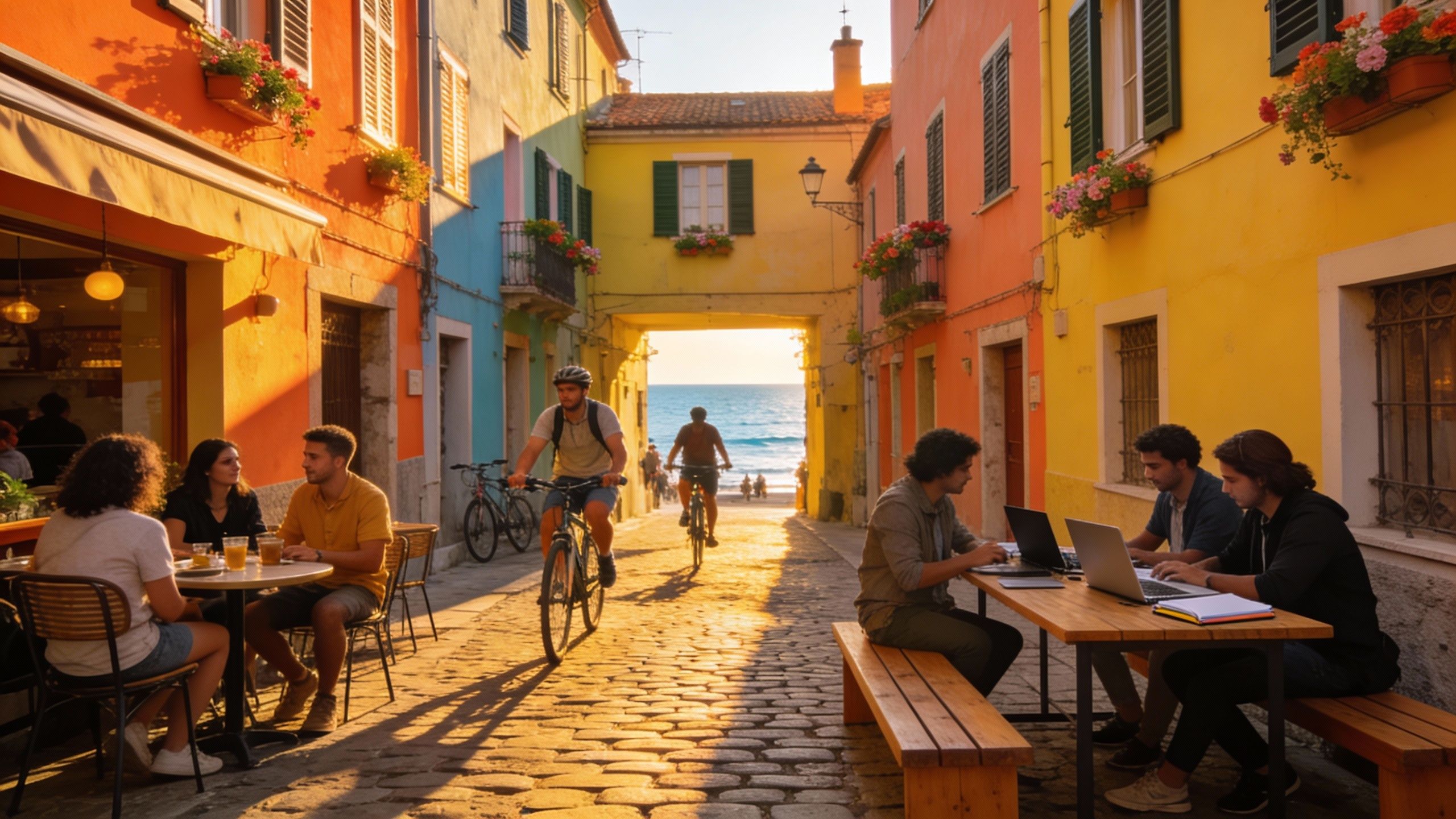
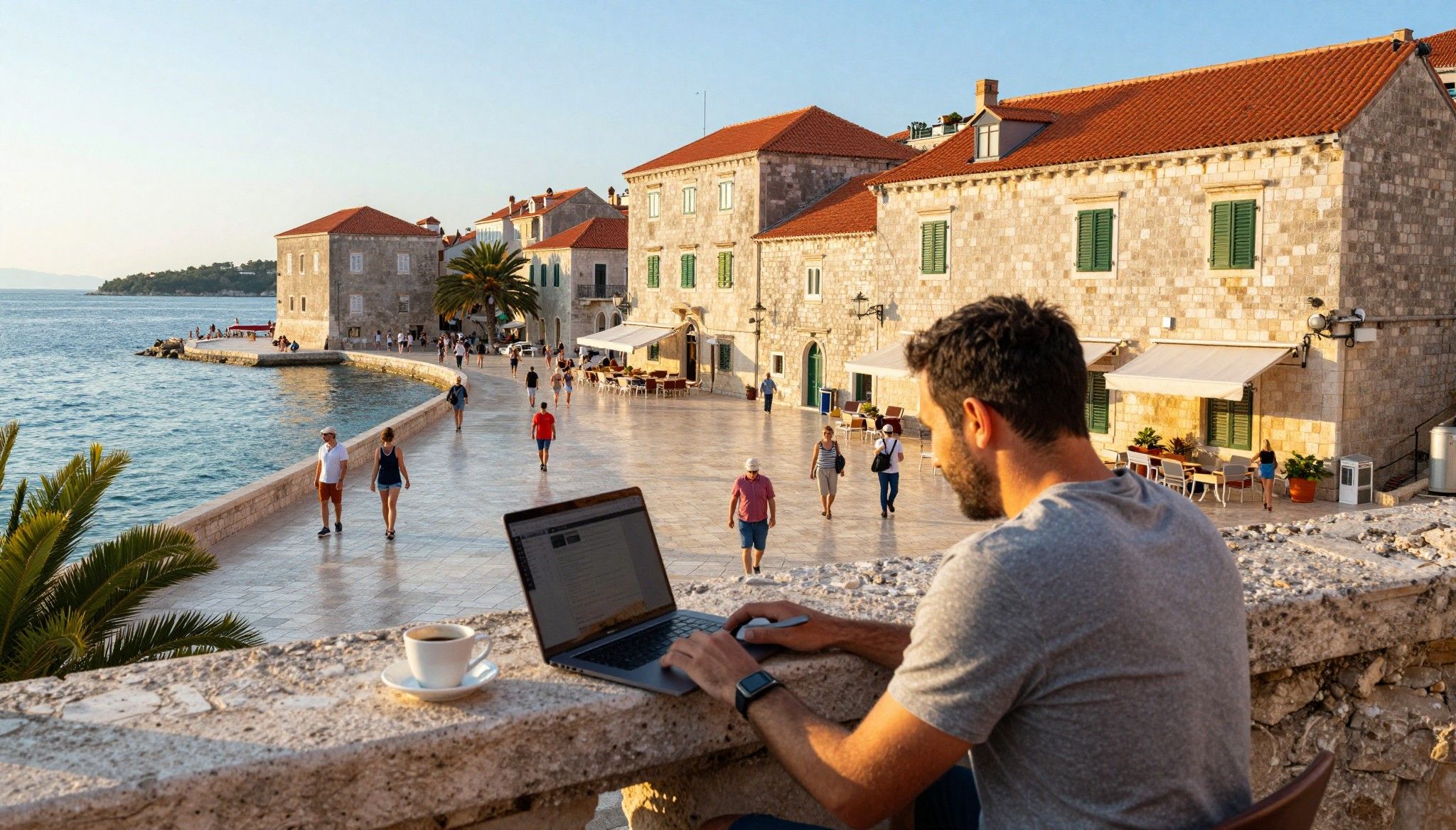
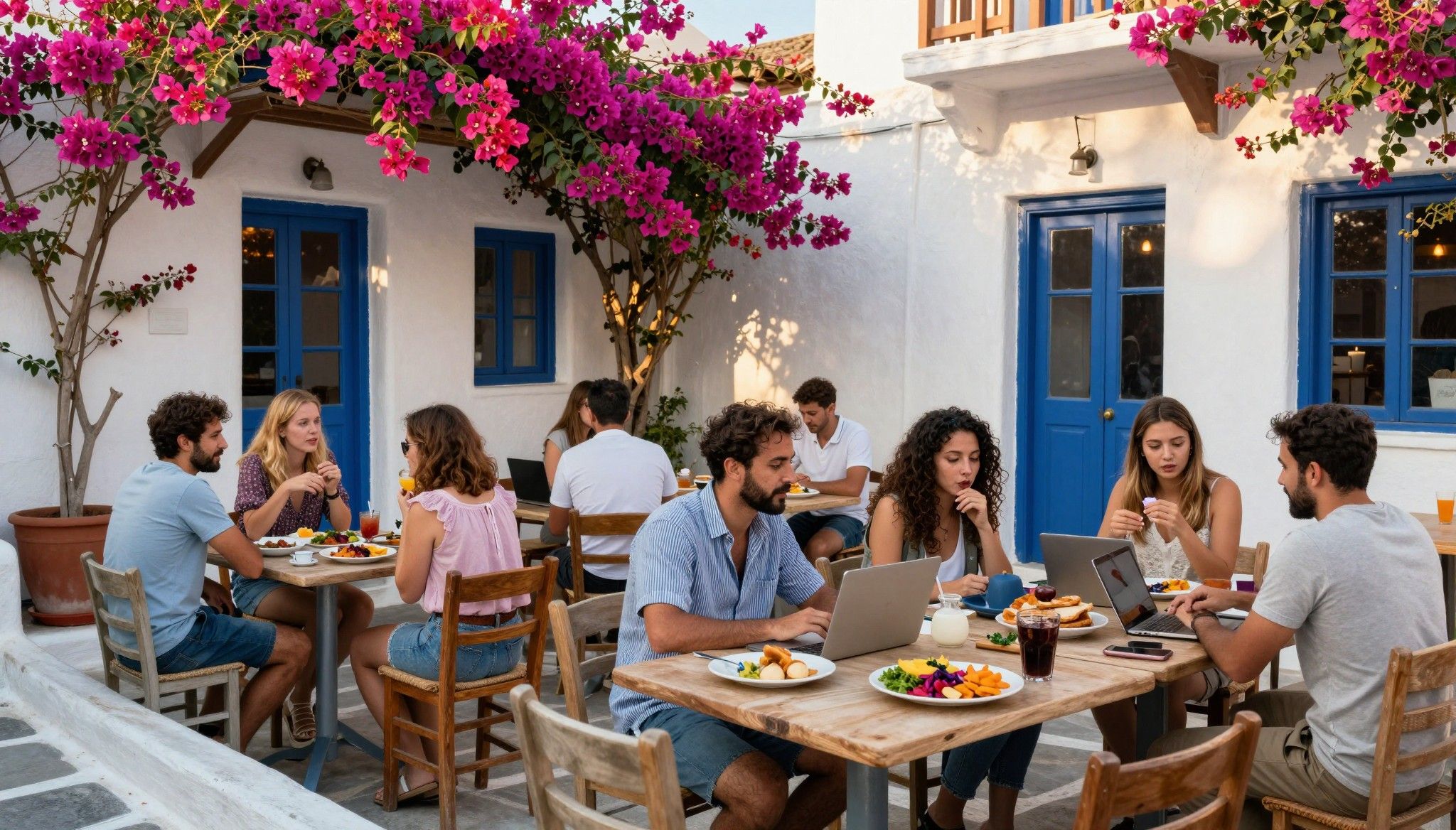
Imagine sipping an espresso at a corner bar in Bologna at 9am, then sliding into a sunlit coworking desk by noon, and finishing the day with a sunset walk along the Amalfi cliffs. Italy feels like a slow‑motion postcard — but lived. Narrow streets, markets that smell of citrus and fresh bread, neighbours who know your name: that rhythm is what draws nomads and families alike. For anyone thinking of moving here, the lifestyle is irresistible — but the paperwork and property market have very real quirks you should see coming.
Living the Italy lifestyle: rhythms, neighbourhoods, tastes
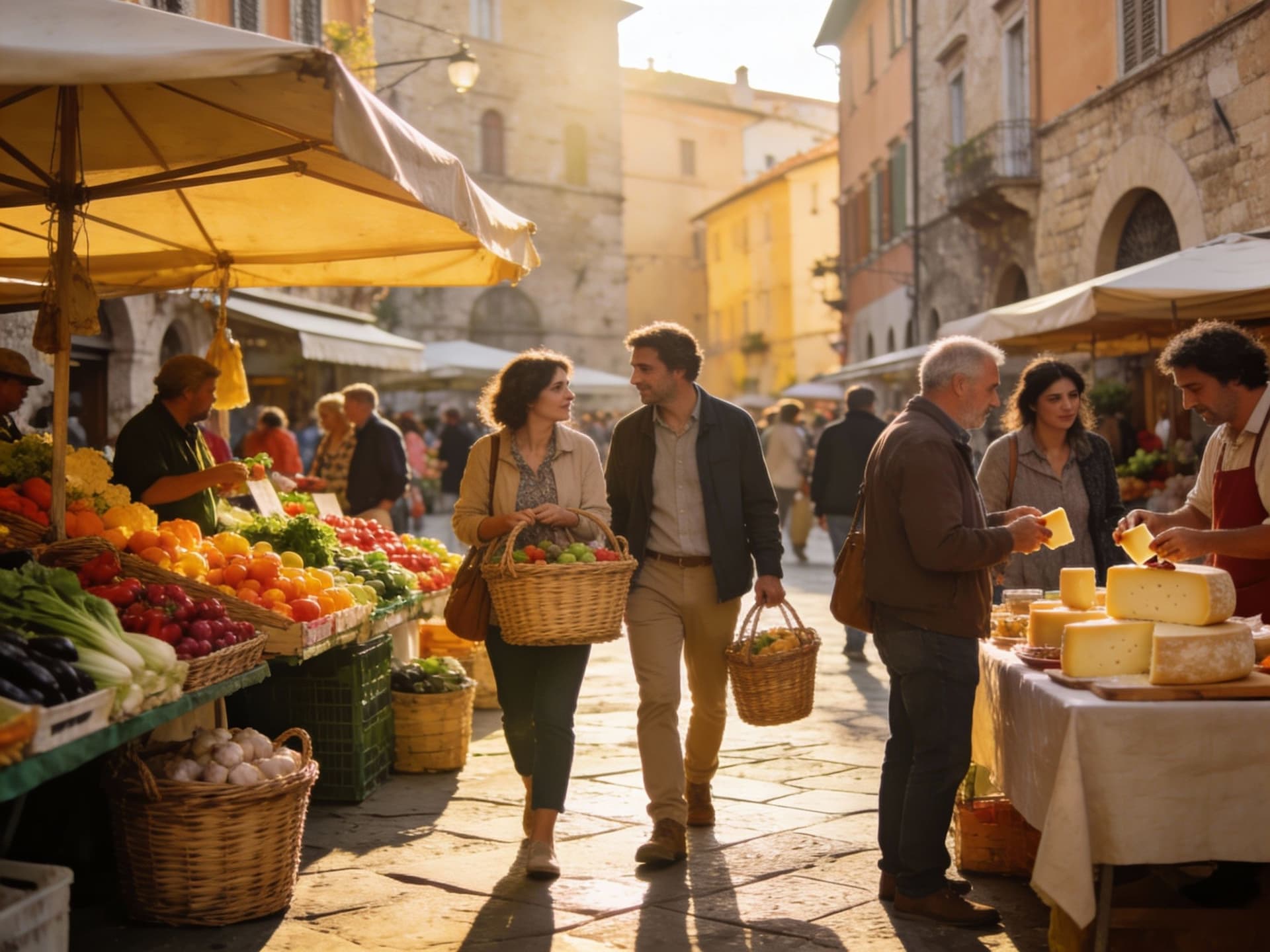
What does ‘living in Italy’ actually feel like day to day? Picture early walks through food markets — Mercato delle Erbe in Bologna or Campo de' Fiori in Rome — lunch breaks that turn into social time, and evenings built around slow dinners. Cities are layered: historic cores with tiny apartments, tree-lined borghi and villages with terraces, and coastal towns where mornings are for coffee and afternoons for swimming. Climate and season shape routines: northern fog and alpine weekends, southern light and year‑round outdoor life.
Neighborhood spotlight: Trastevere (Rome) vs. Navigli (Milan) — very different beats
Trastevere is narrow lanes, late-night trattorie and a village feel within the capital — perfect if you want cobblestones and community. Navigli in Milan hums with canal-side cafés, creative studios and nightlife, ideal for nomads craving a buzzy, design-forward scene. Both areas offer cafes with reliable Wi‑Fi, but expect smaller apartments and higher prices in central pockets. If workspace is a priority, look for apartments a tram or bike ride from coworking hubs rather than right in the tourist core.
Food, markets and the season that shapes property life
Markets like Palermo’s Ballarò or Florence’s Mercato Centrale shape weekend life — and your kitchen choices. Buying an apartment? Think about kitchen size, pantry space and proximity to daily markets; a compact flat near a market often beats a large suburban kitchen if you love fresh produce. Also consider seasonality: towns that bloom in summer (Cinque Terre, Amalfi) can be quiet off‑season, affecting rental demand and the social scene.
- Lifestyle highlights to weigh when choosing where to live
- Mercato routine: daily fruit, cheese and friendly vendor conversations
- Cafe coworking: neighbourhood cafés with consistent fiber and regulars who become your network
- Seaside seasonality: popular cliff towns double population in summer, quieter winters and lower off‑season prices
Making the move: lifestyle-first practical considerations
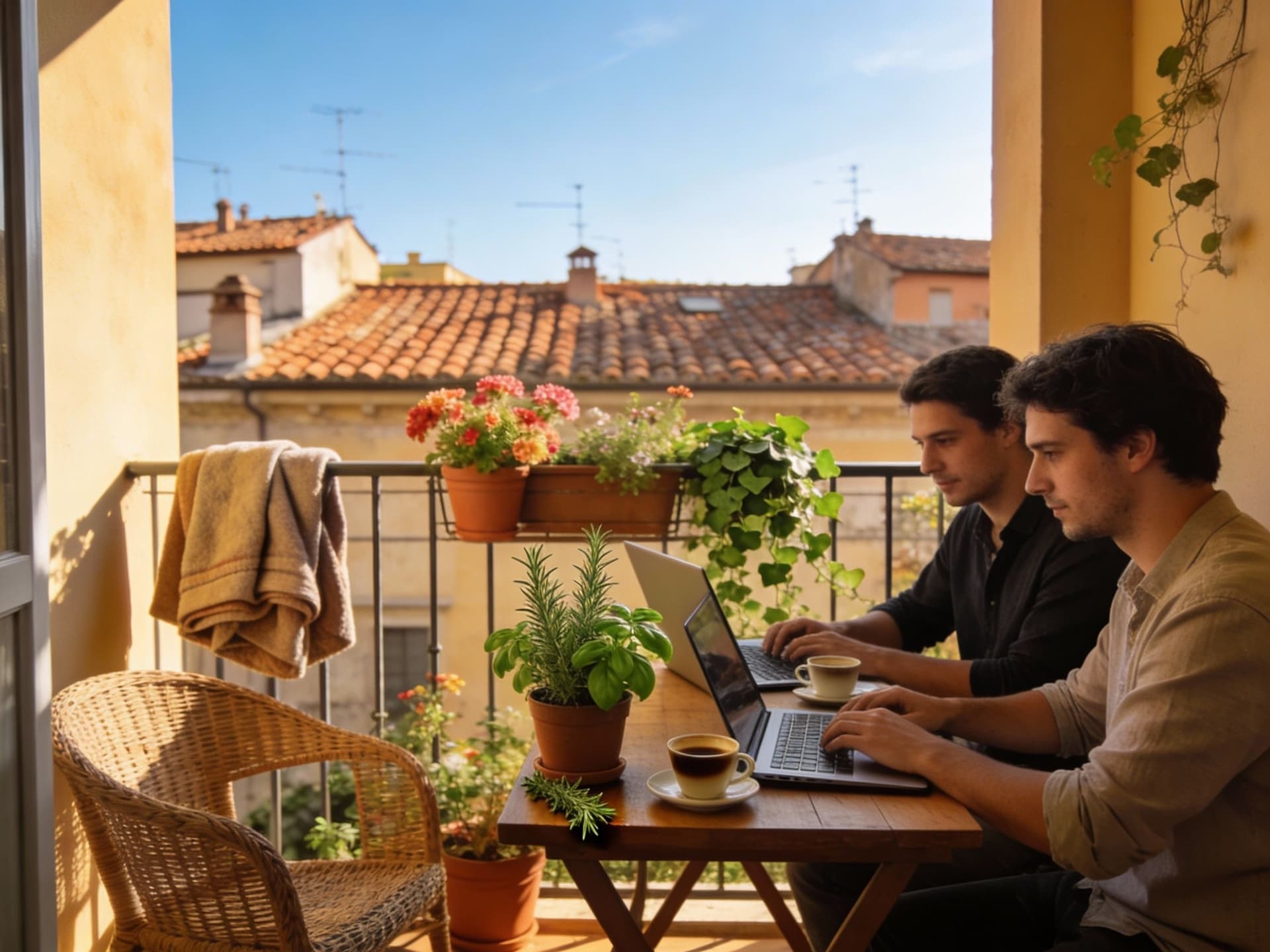
Your dreamy piazza should meet reality: Italy now offers a digital nomad / remote worker visa that makes staying easier for many non‑EU nationals. The visa is targeted at highly skilled remote workers and has clear documentation and income thresholds to meet. Before touring properties, check visa timing, proof of accommodation rules, and whether your planned work arrangement fits the definitions used by Italian authorities.
Property types and how they suit nomad life
Historic flats in city centres give incredible character and walkability, but often have thin walls, no elevators and older wiring — factor in renovation and fiber installation costs. New builds or recently restored conversions offer better insulation, elevators and dedicated work nooks but are pricier and often outside the oldest neighbourhoods. In towns, look for terraces or small gardens if you crave outdoor work time; in cities, prioritize proximity to coworking and transit.
Working with local experts who actually know the lifestyle
A local agent who knows where the best espresso, reliable fiber and late‑night grocers live will save you weeks. Look for agencies that specialise in expat placements, have referral relationships with lawyers who handle visa paperwork, and can arrange inspections outside office hours. Ask agents straight questions about noise, seasonal tourist surges, and whether neighbours are permanent residents or short-term renters — that affects both life quality and rental returns.
- Step-by-step lifestyle + practical checklist before making an offer
- Confirm visa eligibility and timing so a rental or purchase matches your residency start date
- Test internet speed in the apartment, café and nearby coworking spaces (download + upload at peak hours)
- Ask the agent for past 12‑month utility bills and condo fees to spot hidden running costs
- Check local seasonality — will the neighbourhood be empty in winter or loud with hotel guests in summer?
Insider knowledge: what expats wish they'd known
Real talk from people who made the move: paperwork takes longer than you expect and the best neighbourhood is rarely the prettiest tourist street. The new digital nomad visa (introduced April 2024) opens doors, but consulates apply strict documentation checks — income proof, health insurance and housing details matter. Meanwhile, national statistics show modest house price growth in recent years with local variation between new builds and existing stock, so do local comparables, not national averages.
Cultural integration: language, community, and the slow welcome
Italian social life takes time; your neighbourhood barista and market vendors become your social network long before formal expat meetups. Learning basic Italian opens doors — even simple greetings make shopkeepers more helpful during bureaucracy. Join local language classes, volunteer at food markets, or find neighbourhood sports clubs to meet locals. Expect a slower, relationship-driven bureaucracy and plan extra time for appointments and translations.
Long-term view: how life — and the investment — evolves
Buy with both lifestyle and flexibility in mind: smaller central flats often rent well to short-term visitors but can have higher maintenance; suburban or regional properties give space and a steadier local rental market. Italy’s house price index has shown steady, modest growth with strong regional differences, so pick a micro-location with proven demand for the type of tenant you’ll target. Work with local property managers who understand seasonal turnovers and utilities.
- Red flags nomads should watch for
- No reliable fiber on the street — a dealbreaker for remote work
- Condominium rules that ban short-term rentals if you plan to supplement income
- Unresolved building permissions or heritage restrictions that block renovations
Conclusion: fall in love first, check the facts second. Italy gives you slow dinners, market mornings and coastlines that feel personal — and the digital nomad visa now makes staying legally simpler for eligible remote professionals. Start by visiting the exact neighbourhood at different times, test work setups, and get a local agent who understands both lifestyle and residency paperwork. When you pair the Italian tempo with practical checks, you get the dream without the surprises.
British expat who moved from Manchester to Mallorca in 2017. Specializes in market analysis and helping fellow Brit navigate local regulations.