Malta: Sea‑side Mornings, Fast Fibre, and Residency Reality
Malta offers Mediterranean lifestyle and accessible residency paths, but its compact market and changing residency rules mean local knowledge, fibre checks and festa-aware buying matter.

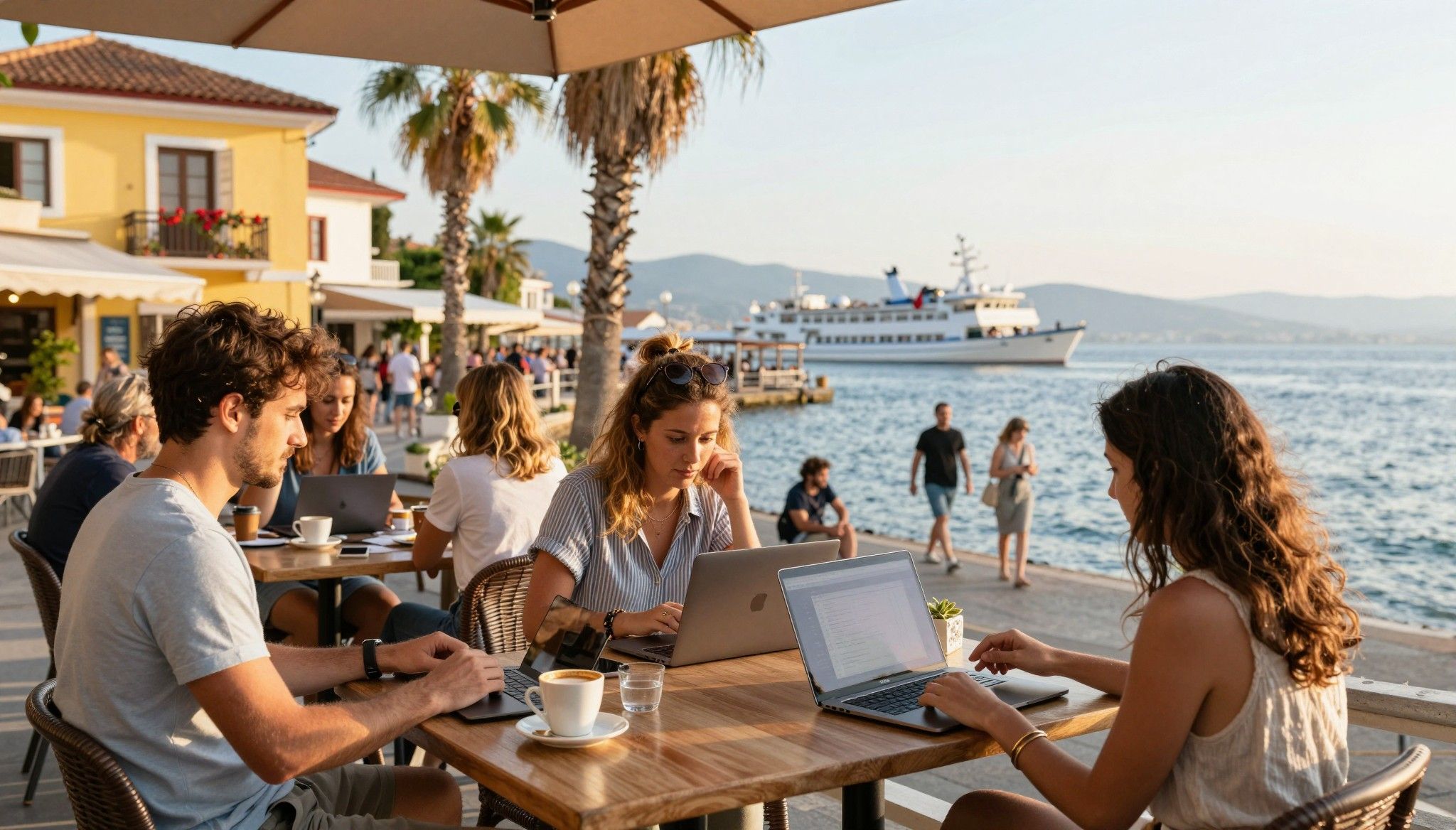
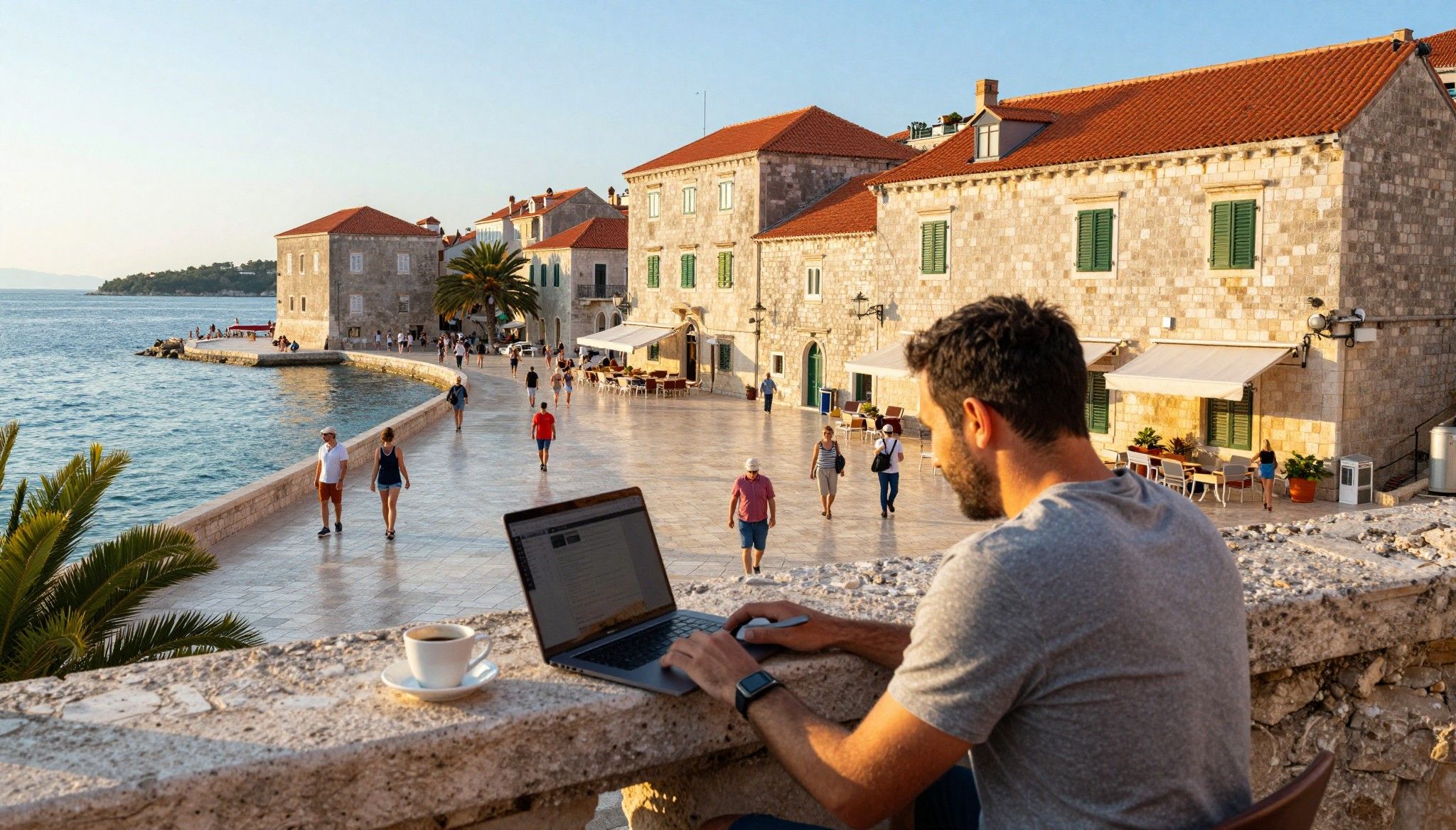
Imagine stepping out of a baroque courtyard in Valletta at 7am, espresso in hand, laptop tucked under your arm as the limestone streets warm under the first sun. Malta moves fast for such a small place — cafés hum, boats bob in harbours, and a handful of neighbourhoods still feel like secret pockets of Mediterranean life. For remote workers and nomads, the island promises bright mornings, sea-salty weekends and short commutes from rooftop-workspaces to beach swims. But behind the romance are real, shifting rules about residency, investment, and a compact market where timing and local knowledge change everything.
Living the Malta lifestyle
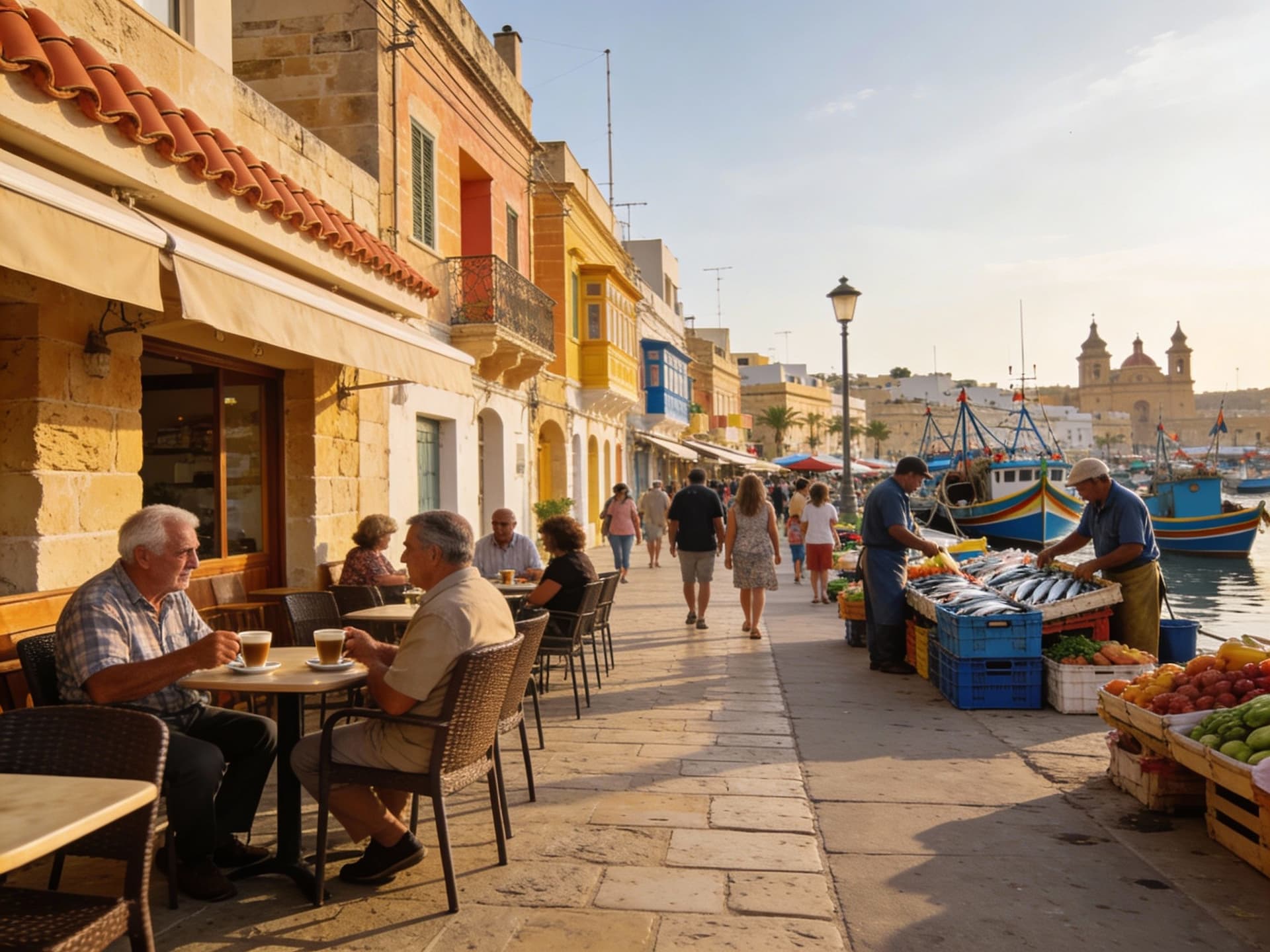
Malta feels like a town that scaled up to a small country. Walkable neighbourhoods, island-sized weekends and a warm, social culture define daily life. Morning markets in Marsaxlokk smell of grilled lampuki; afternoons in Sliema and St Julian’s are bright with beachfront cafés and coworking meetups; evenings in Mdina or Valletta invite slow dinners and spontaneous festas. English is widely spoken, which flattens the learning curve for many expats, but Maltese customs — long lunches, late-night passeggiata, and strong family ties — shape where people truly feel at home.
Neighbourhood spotlight: Valletta, Sliema, and Gozo
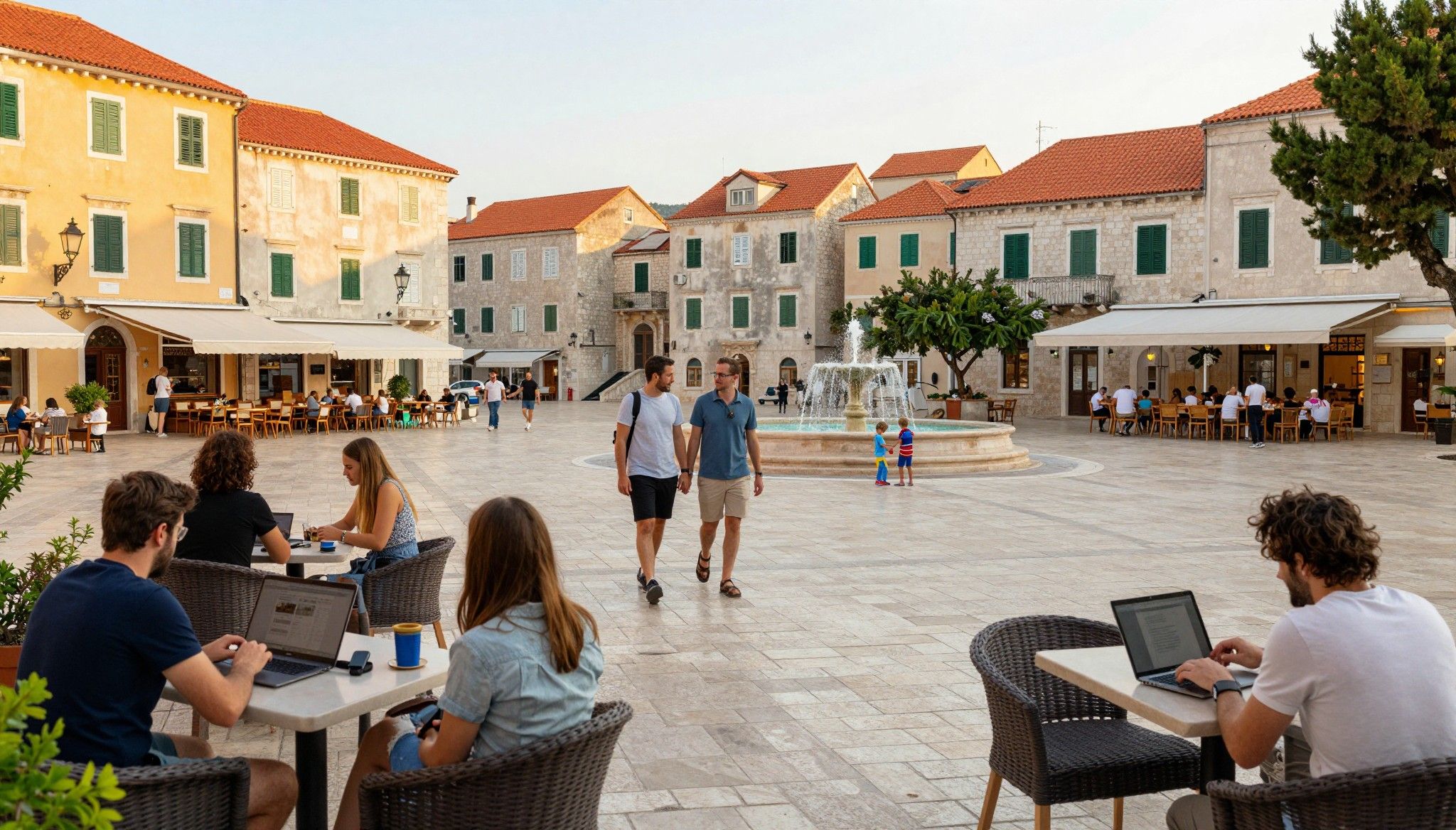
Valletta is theatrical — narrow streets, grand churches and a surprising number of tucked-away cafés that make working from a terrace feel cinematic. Sliema and St Julian’s are the island’s pulse for modern nomads: seafront promenades, fast fibre in many buildings, and a cluster of coworking spaces and international coffee shops. Then there’s Gozo: slower, greener, and ideal for anyone craving countryside hikes and rugged coves within an hour of main-island services. Each area offers a different tempo — choose the one that matches your day-to-day rhythm, not just the weekend Instagram shot.
Food, festas and the work–play loop
Weekends in Malta are deliciously local. Eat pastizzi at Caffe Cordina, grab fresh fish at Marsaxlokk market, and join a festa in a village square for fireworks and brass bands. For nomads, the key is learning the rhythm: mornings for focused work, late afternoons for swims and espresso, evenings for long social meals. That rhythm should influence property choices — terraces and sea-views support after-work dips, while apartments near cafés and coworking spots keep your routine smooth.
Making the move: practical considerations
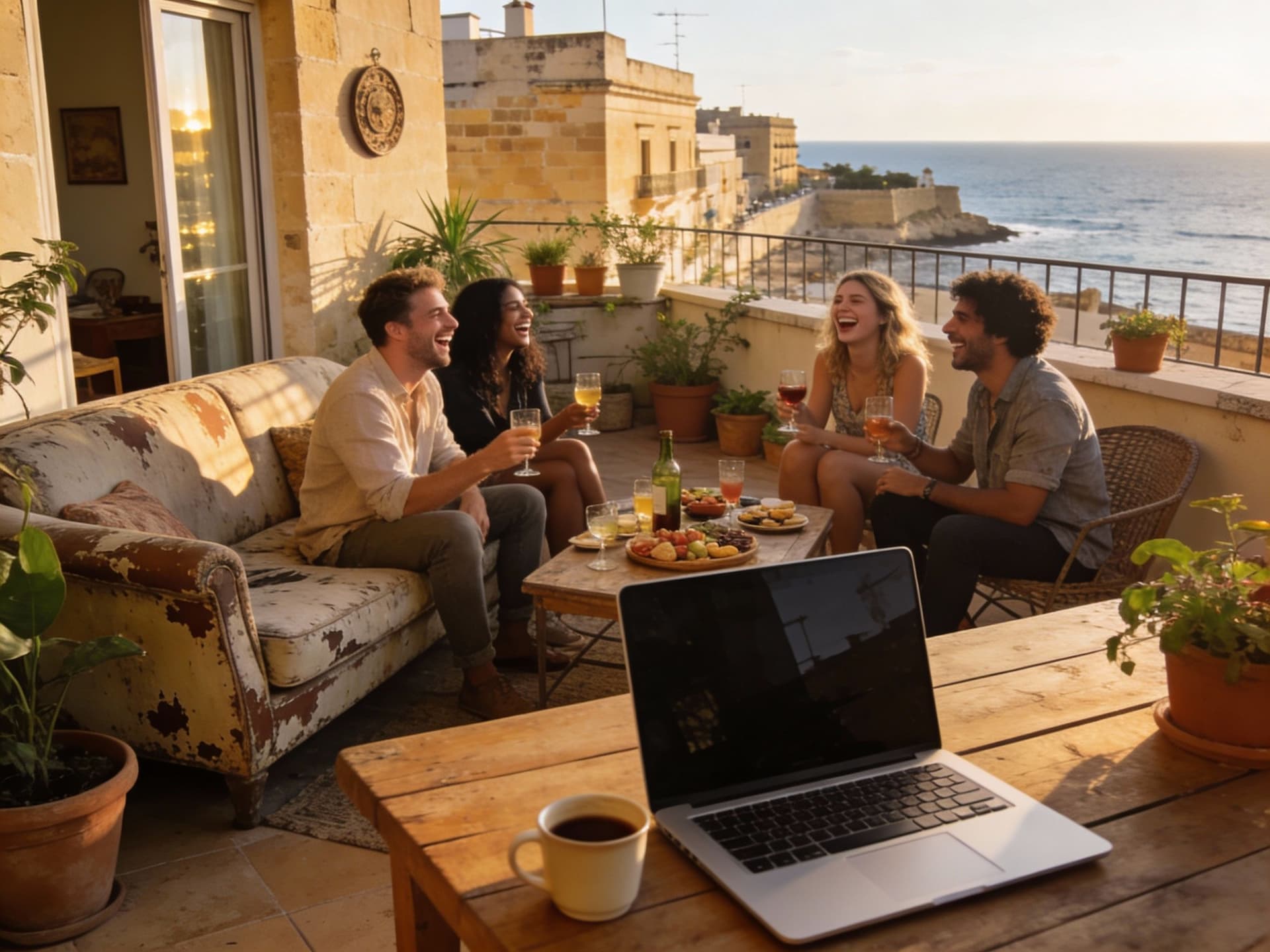
The lifestyle sells itself, but Malta’s property market is compact and has been rising steadily. Government data show property price indices creeping up year-on-year — a reminder that the best-value neighbourhoods can disappear quickly. That said, small, smart trades (a terrace over a bigger interior, proximity to good fibre, or a short walk to a favourite café) often deliver larger lifestyle wins than chasing square metres.
Property styles that match nomad life
Stone-fronted apartments with internal courtyards, modern seafront flats in Sliema, and converted townhouses in Rabat or Mdina are common. For remote work, prioritise: stable fibre, a quiet corner for a desk, and outdoor space for breaks. Renovation-friendly maisonettes can be a bargain if you’re ready to DIY; turnkey penthouses save time but cost more. Remember: in Malta, a small rooftop terrace often outvalues a slightly larger interior for everyday quality-of-life.
How a local agency helps you live the life you want
Work with an agent who knows where the fast-fibre buildings sit, which streets are noisy during festas, and which neighbourhoods have active expat meetups. A good agency will: 1) Map properties to your daily routine (coworking, coffee, swim times). 2) Check fibre availability and provide recent speed tests. 3) Flag seasonality (tourist bursts in summer) and festa schedules. 4) Negotiate around non-obvious items like built-in shutters or terrace rights. 5) Connect you to local electricians, architects and property managers for quick fixes.
Insider knowledge: what expats wish they'd known
Here’s the kind of local truth you only hear over coffee: residency rules and investor programmes change, sometimes fast. Recent legal scrutiny of citizenship-by-investment schemes in Malta has reshaped conversations about 'buying' status. That means permanent moves need more planning and less assumption — confirm current eligibility rules before you base life plans on a specific pathway.
Language, community and the social beat
English gets you far — doctors, banks and contracts commonly use it — but learning a few Maltese phrases opens doors. Expats cluster in Sliema/St Julian’s for convenience and Gozo for calm. Join beach clean-ups, language exchanges and tech meetups to make friends quickly. Local festas and volunteer groups are fast tracks into neighbourhood life; showing up matters more than perfection in Maltese.
Long-term lifestyle: what to expect
If you plan to stay long-term, think beyond a short visa. Malta offers a range of residence paths — from employment-based to tax-friendly options — but policy tweaks happen. For nomads, a sustainable plan mixes short-term permits with a clear path to longer residency, local tax advice, and a network of people who have already done it. That reduces the stress of renewals and keeps your focus on building daily life, not paperwork.
- Lifestyle highlights to look for when touring properties in Malta: - Fast-fibre buildings and cafés with stable Wi‑Fi (Sliema & St Julian’s clusters). - Morning sun terraces for winter workbreaks (Valletta & Three Cities). - Proximity to ferry links if you plan regular Gozo escapes (Cirkewwa / Mgarr). - Local market access for weekly food rituals (Marsaxlokk, Paola market stalls). - Coworking and meetup options within walking distance to build community. - Quiet side streets that avoid festa noise but are still walkable to cafés.
- A simple 4‑step check when you find a property you love: 1) Confirm fibre availability and exact speed tests in the flat. 2) Ask the agent about festa calendars and seasonal rentals nearby. 3) Verify terrace/roof rights in the title (rooftop access can be contested). 4) Hire a local property manager or architect for an on-the-ground inspection and renovation quote.
Conclusion: Malta is a compact island of possibilities — intense on personality, high on community, and full of practical tradeoffs. If you crave mornings by the sea, intimate neighbourhoods and English-friendly life, it can be magical. But treat residency pathways and small-market quirks seriously: work with agents who understand fibre, festas and title oddities, and lock in a residency plan that fits your timeline. Come for the sunlight; stay because you built a life that feels like home.
Danish investor and relocation advisor focusing on Portugal and the Algarve; loves coworking culture and expat networks.