Malta: Nomad Life, Residency Routes & Market Reality
Malta offers a warm, English-friendly nomad life but recent EU rulings and rising prices mean pick your visa and neighbourhood with local experts and current data.

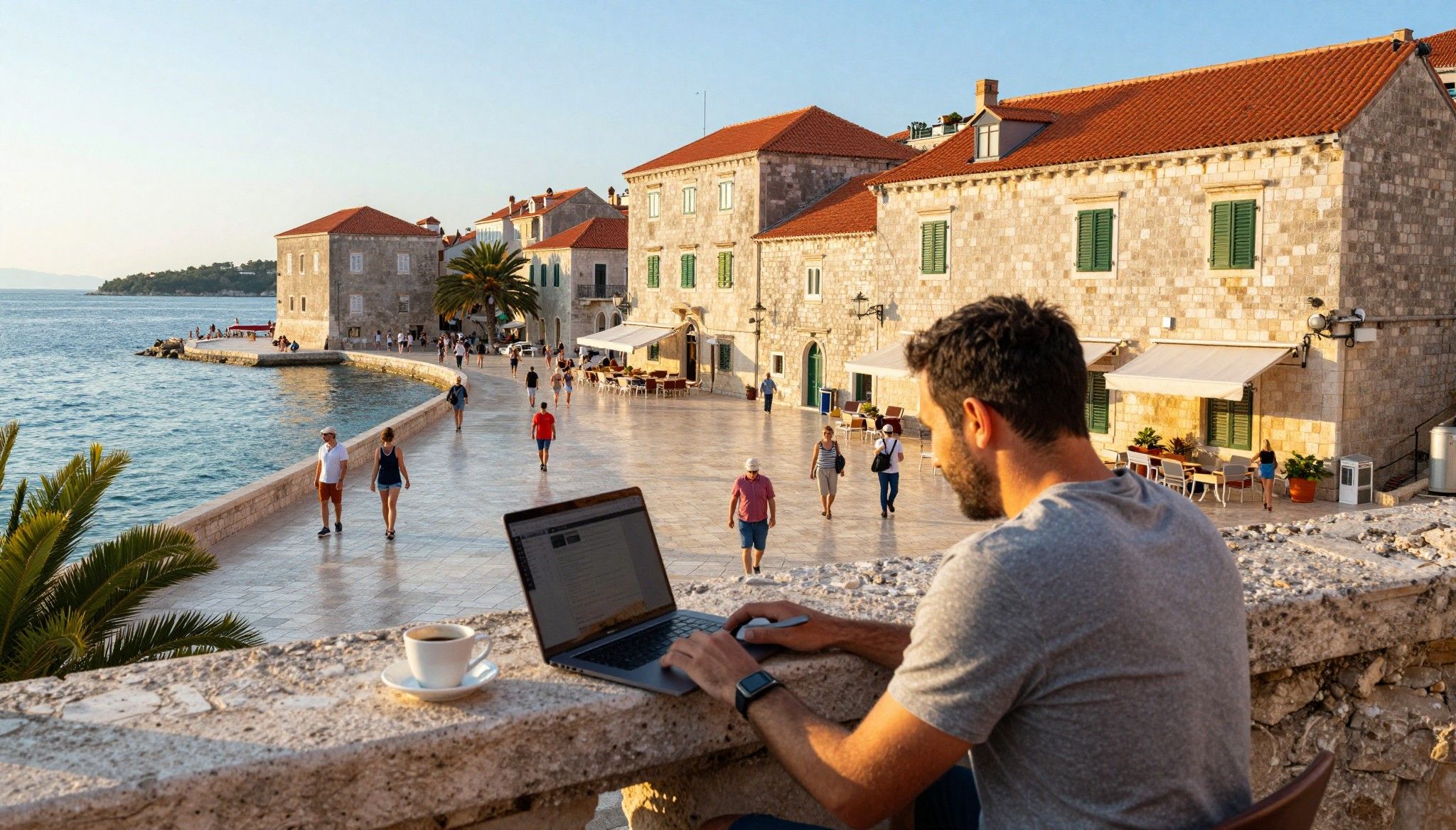
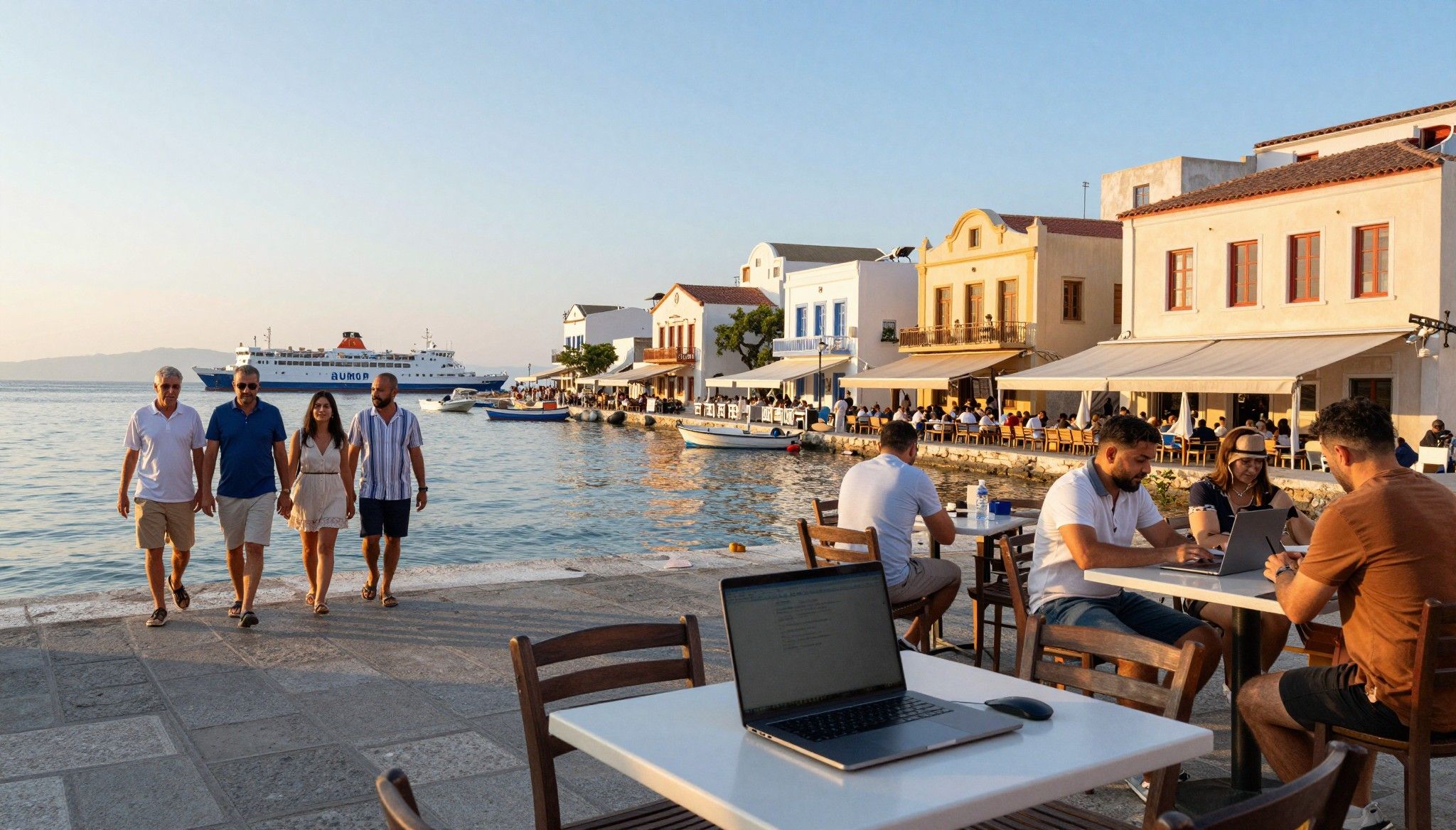
Imagine stepping out at 8am to buy a fresh ftira in Gzira, laptop in your bag, then drifting to a sea-front cafe to work for a few hours with Maltese sunlight warming the table. Malta is compact — 35 minutes can take you from ancient alleys to a sandy cove — which makes every weekend feel like a mini holiday. But behind that easy vibe, the island’s visa rules and fast-rising home prices quietly shape who ends up living this life and how.
Living the Malta lifestyle

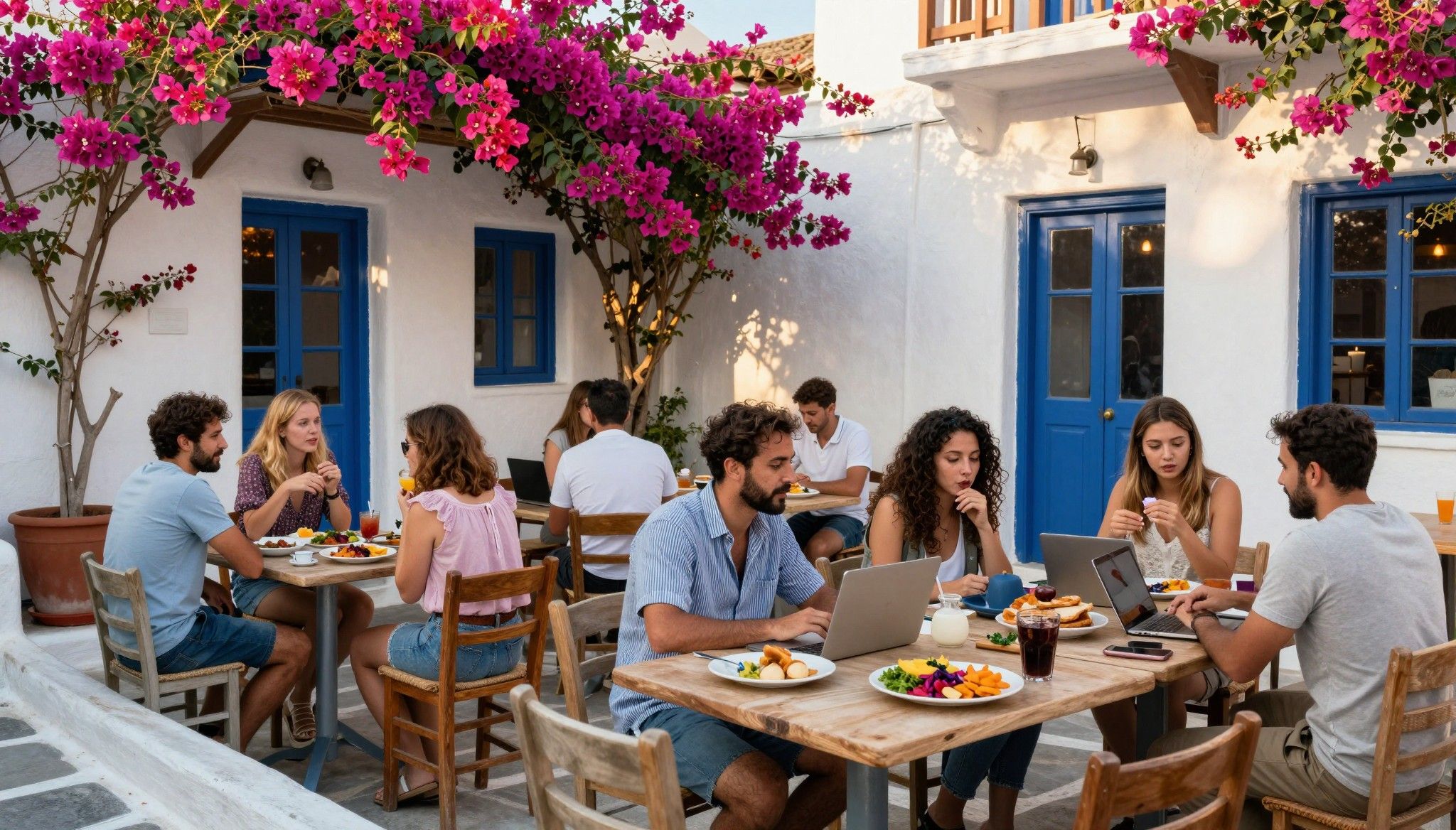
Malta moves at a Mediterranean pace — warm, social and loud in a way you learn to love. Morning espresso bars in Valletta and Msida turn into slow lunches in Sliema and boat trips from St. Julian’s in the afternoon. Streets hum with a mix of English and Maltese; English is an official language so daily life is refreshingly easy for many internationals. Expect late dinners, neighbourly chats, and a calendar full of festa fireworks if you arrive in summer.
Neighbourhood spotlight — Valletta, Sliema, and Marsaxlokk
Valletta is architectural theatre: limestone facades, tiny cafes and rooftop bars with harbour views — compact luxury with historic charm. Sliema and Gzira are the practical nomad hubs: seafront promenades, reliable fibre in apartment blocks and cafes that double as daytime workspaces. For a slower, local rhythm, head to Marsaxlokk on a Sunday morning fish market — bright boats, market chatter and family restaurants washing down the catch of the day with a glass of għasel (local honey) infused liqueur.
Food, markets and weekend rituals
Weekends in Malta are built around markets (Pjazza t’Għajn Wyn?), long lunches of rabbit stew or ftira sandwiches and spontaneous swims at Golden Bay. The cafe culture is serious: you’ll learn which baristas pull the best espresso in Sliema and which harbour cafe has the most reliable wifi. Evenings pulse in Paceville if you want nightlife, or in small-town festas where the whole street lights up and neighbours bring out folding chairs.
Visa-friendly but changing: what that means for lifestyle buyers

Malta markets itself to internationals with pragmatic residency routes — notably the Nomad Residence Permit — and a history of investment-based programmes that have rapidly evolved. The headline: EU pressure has shut down citizenship-for-sale routes (a major court ruling in 2025), while Malta’s Nomad route and other residency options remain attractive but have tightened in recent years. That matters because the visa route you choose affects taxes, where you can legally work, how long you can stay and which neighbourhoods feel like realistic long-term homes.
Nomad Residence Permit — the practical bits
From April 2024 Malta raised eligibility thresholds and clarified tax rules for digital nomads: expect an initial tax-exempt window (12 months in many cases) followed by a favourable flat tax on qualifying income in some scenarios. New applicants face higher income requirements than early adopters, and renewals have rules that can differ, so check the exact dates that apply to your application. These tweaks are Malta’s way of balancing nomad-friendly lifestyle perks with local economic policy.
Steps to determine which Malta residency suits your life
1. Map your income and work model — remote employee, freelancer, or business owner — and compare it to Nomad thresholds and tax rules.
2. Decide how long you want the stability — Nomad permits allow multi-year stays but typically don’t lead directly to citizenship after recent legal changes.
3. Talk to a local agency that understands Residency Malta Agency processes, because paperwork, police conduct certificates and rental/purchase proofs matter and small mistakes delay move-in.
Making the move: market realities & property types
Malta’s property market is small and fast-moving. Official NSO data shows residential prices rose ~5% year-on-year into late 2024, and local reporting suggests upward pressure continued into 2025. That means two things for lifestyle buyers: the sea-view studio you love may appreciate, but affordability squeezes neighbourhood choice — so where you buy determines both weekend life and monthly budget.
Property styles and how they shape daily life
Studio apartments in Sliema offer walkable cafes and instant sea access — great for social life but often noisy and smaller. Maisonettes and converted townhouses in Rabat or Mdina give historic charm and quiet courtyards for afternoon calls. New coastal developments bring terraces and pools but can be pricier and aimed at short-term rentals. Choose by lifestyle first: do you want morning swims or evening walks in ancient streets?
Lifestyle-minded buying checklist
Reliable fibre or fixed-line broadband in building
Outdoor workspace options — balcony/rooftop or nearby cafes with power outlets
Proximity to hospital/clinic and international school options if you plan family life
Noise profile — festa season and summer tourism can make central spots lively (or loud)
Insider knowledge: expat truths and agency help
Expats often say: the paperwork is doable, but local nuance matters. Agents who only list properties aren’t enough — you want an agency that understands Residency Malta Agency timelines, can recommend lawyers for title checks, and knows where fibre is installed. The right local partner lets you fall for a neighbourhood in person and close with confidence.
Cultural tips that affect where you live
Say yes to festa invites — they’re how neighbourhoods bond. Learn a few Maltese phrases and you'll be invited to more dinners. Understand that small islands move by connections: your local shopkeeper, building manager or property agent can make settling smoother than any official form.
How agencies can make your lifestyle move painless
1. Pre-visit scouting: agencies can vet buildings for broadband, noise, and community vibe before you fly in.
2. Residency support: good agents connect you with lawyers and Residency Malta Agency-experienced consultants for smoother permit submissions.
3. Post-sale management: they’ll recommend property managers who handle rentals, utilities and local compliance so you actually enjoy the island.
Bottom line: Malta still sells a lifestyle — vibrant cafes, easy English, Mediterranean summers and small-town warmth — and it offers several residency pathways that suit nomads and longer-term residents. But recent legal shifts around investment citizenship and steady property inflation mean you should pair lifestyle dreaming with up-to-date legal and market advice. Fall in love with the sunrise over the Grand Harbour, then call an agency that knows the Residency Malta Agency forms.
Ready to taste Maltese ftira for real? Next steps: book a short exploratory trip focused on the neighbourhoods you felt in love with, bring a simple checklist (internet test, noise check, proximity to cafes), and line up a local agent who’ll do the legal homework while you decide where to spend Saturday mornings. Malta rewards people who pair curiosity with a plan.
Norwegian who has helped 200+ families relocate from Oslo to Spain; expert in relocation services and community integration.