Malta: The Nomad Life, Residency Reality
A nomad’s take on Malta: seaside mornings, compact neighbourhoods and the exact residency rules (Nomad Permit vs residence-by-investment) you need before you buy.
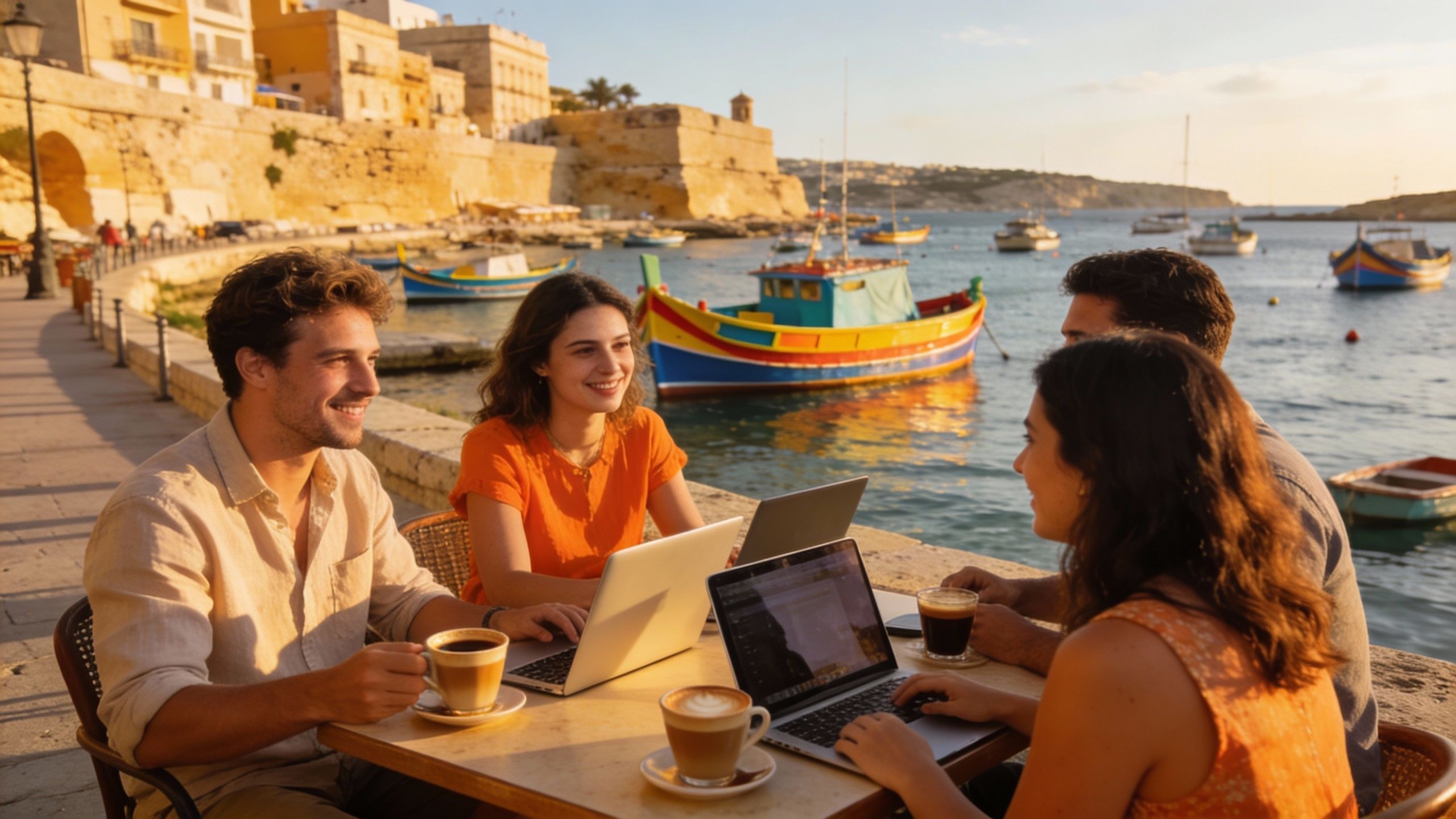
Imagine starting your morning with an espresso on a limestone balcony in Sliema, laptop open, a breeze carrying sea salt and conversation from the cafe below. In Malta that curiosity-heavy hour is normal: compact neighbourhoods, markets that still shout in Maltese, and a surprisingly deep digital-nomad energy. But lifestyle and visas intersect here in interesting ways — and some assumptions about 'easy EU access' or 'expensive island living' need to be challenged before you sign on the dotted line.
Living the Malta lifestyle
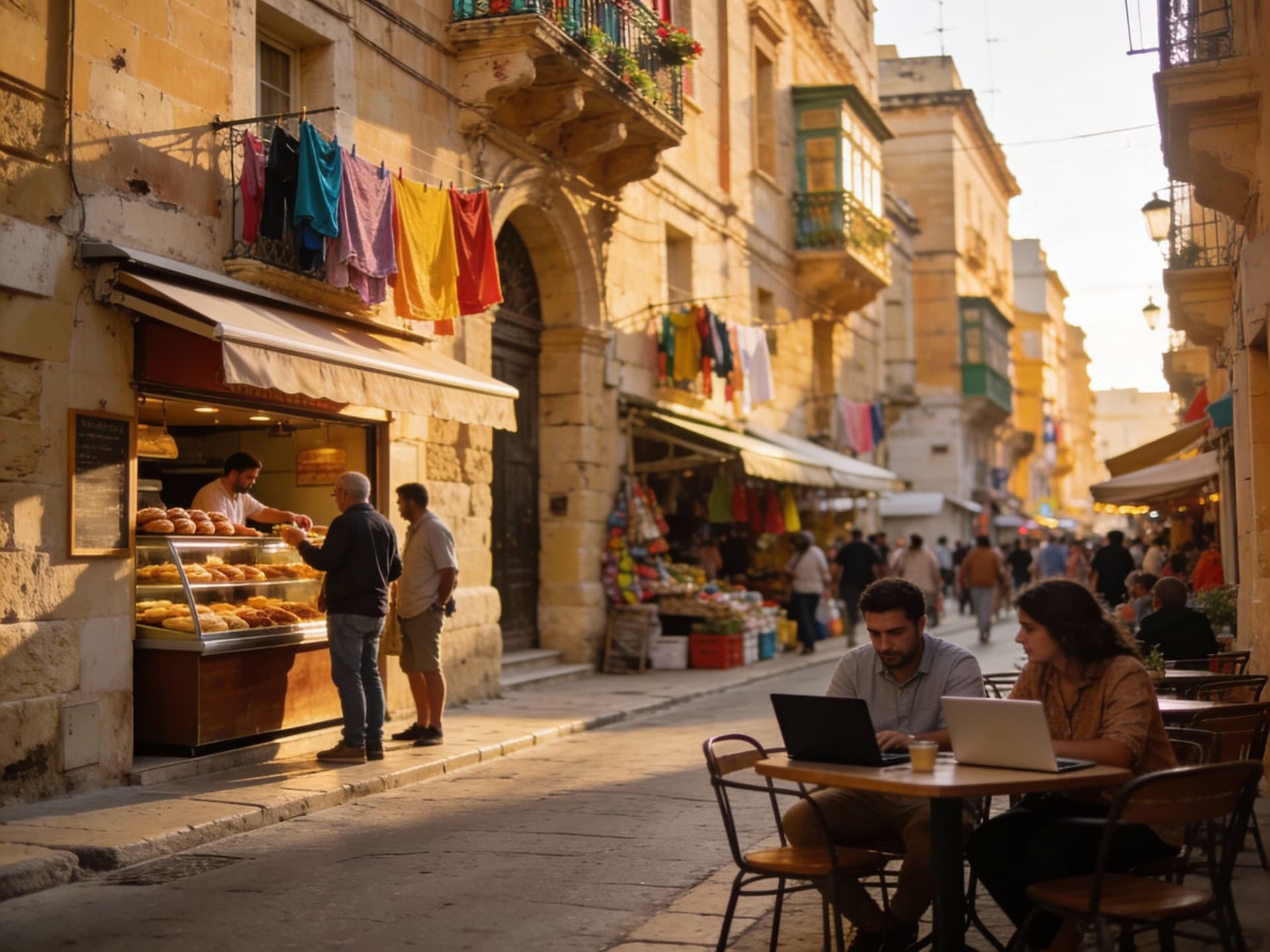
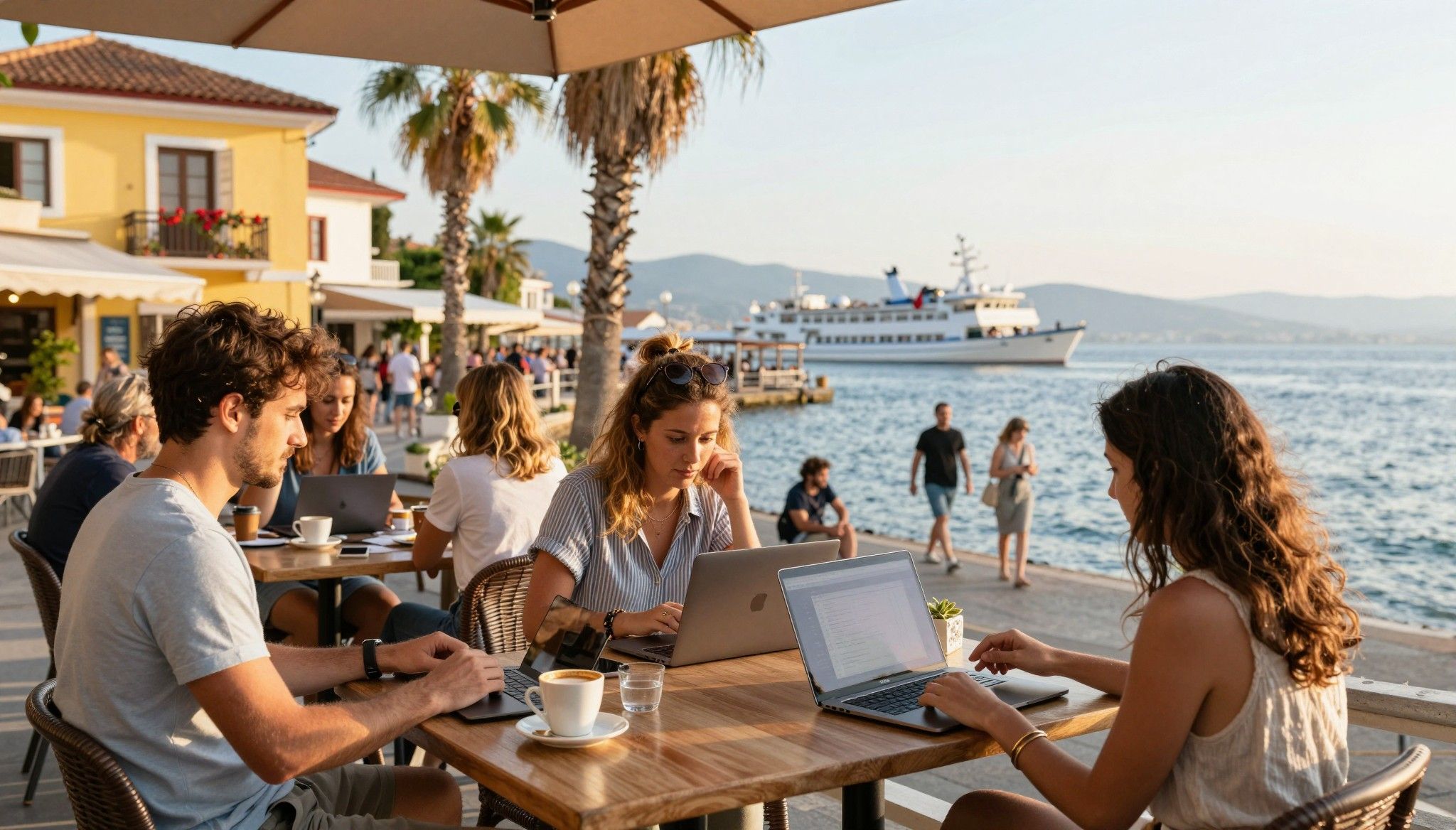
Malta is small, loud, and ridiculously walkable. Streets are a mosaic of narrow alleys in Valletta, breezy promenades in St. Julian’s, and village squares in Marsaxlokk where fishermen mend nets. Days are governed by espresso rituals, late plates of lampuki in season, and neighbourhood festas that transform entire streets. For nomads, that means instant social scaffolding — cafes double as coworking hubs, and rooftop terraces offer golden-hour meeting spots.
Neighborhood spotlight: Valletta & Sliema
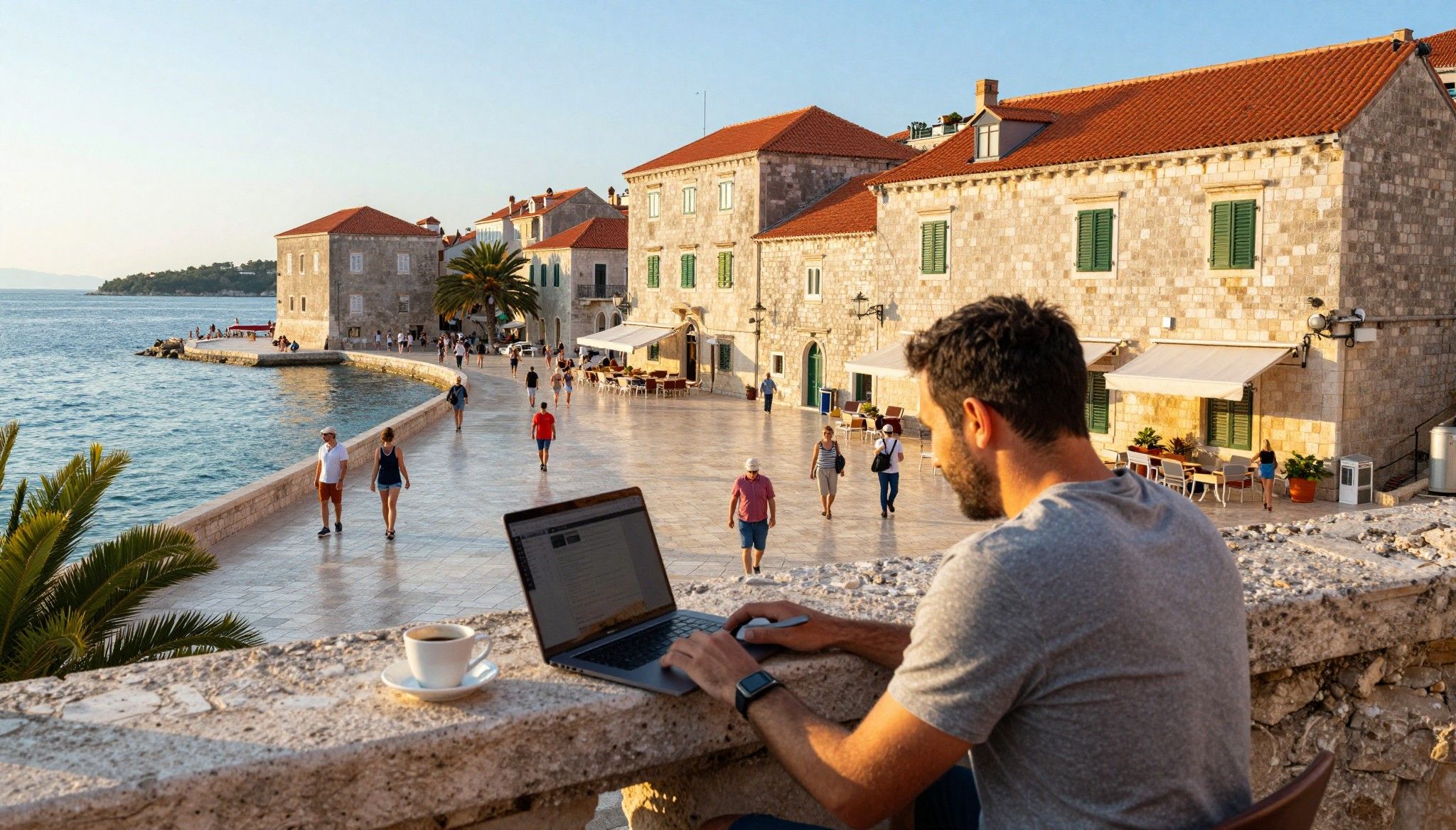
Valletta is theatrical — baroque facades, museums, and a compact grid where a 15-minute walk covers history and after-work cocktails. Sliema and nearby St. Julian’s are the practical heart for nomads: cafes with reliable fibre, co‑working meetups, and a seafront perfect for evening runs. If you value character and convenience, scan properties along Strait Street, Tower Road in Sliema, or the tiny lanes off Republic Street in Valletta.
Food, weekends and micro routines
Weekends shift from farmers’ market hauls at Marsa or Valletta to coastal swims at Għajn Tuffieħa or St. George’s Bay. The food scene mixes Sicilian influences with Maltese staples — pastizzi on early walks, fresh lampuki in autumn, and small trattorias where chefs double as neighbours. Join a festa and you’ll understand how social calendars shape where locals spend time — and where the best coffee-and-work spots cluster.
- Lifestyle highlights: - Espresso and coworking: Caffe Cordina, Busy Bee cafes in Sliema - Coastal breaks: St. Peter’s Pool and Golden Bay for weekend swims - Market culture: Valletta food market and Marsaxlokk fish market - Nightlife + serenity: Paceville energy vs. Gzira’s quieter terraces - Hidden gem: The quiet cliff-walk from Dingli to Buskett
Making the move: practical considerations
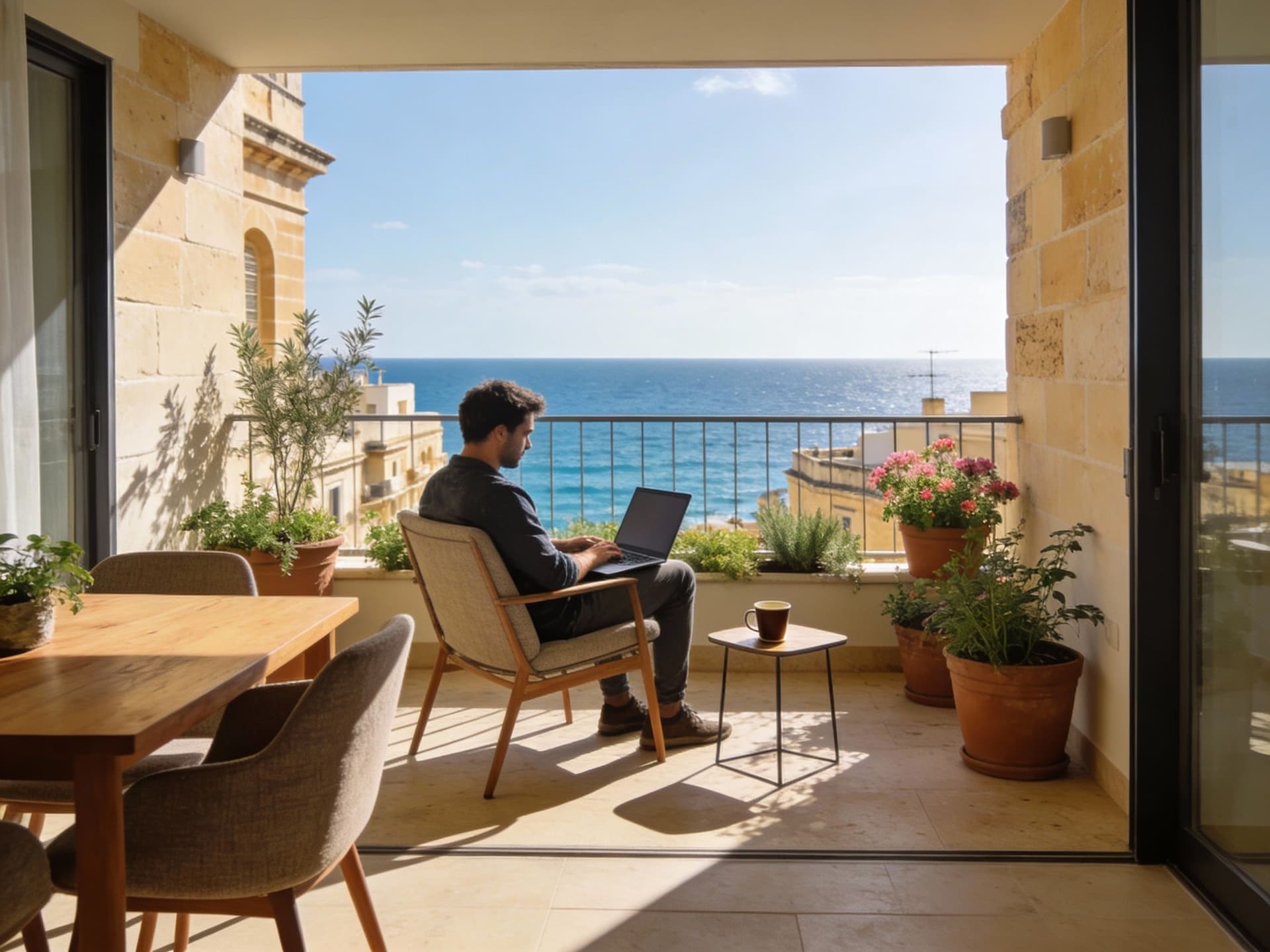
The island’s charm meets a real estate market that’s been steadily nudging prices upward — the National Statistics Office shows a multi-percent annual rise in the RPPI in recent quarters. That matters for timing, negotiation and the kind of property you can realistically afford if you want both a seaside lifestyle and a reliable workspace.
Property styles & how you’ll live
You’ll choose between character tenements in Valletta, modern apartments in Sliema/Gzira with fibre and lifts, or village maisonettes that give private terraces. For a remote-worker life, prioritise: broadband speed, a balcony or terrace for breaks, and a flexible layout that separates work from downtime. Restoration projects can be magical but expect stone-work, insulation upgrades, and permit timelines.
Working with local experts
Local agents and immigration advisors are worth their weight in gold. Residency Malta Agency runs the Nomad Residence Permit (introduced 2021) with specific income and document rules; firms like PwC and BDO outline eligibility and the tax implications. Use a firm that handles both property searches and the visa paperwork so you don’t get caught between a lease and an immigration deadline.
- Steps to combine lifestyle and legal readiness: 1. Verify Nomad Permit eligibility (income proof, insurance, rental contract). 2. Shortlist neighbourhoods and test them for fibre and noise levels. 3. Secure short-term rental while you apply for residency paperwork. 4. Engage a local lawyer for contracts and due-diligence checks. 5. Finalise purchase/long-term lease after residency approval to avoid timing gaps.
Insider knowledge: expat realities and red flags
There’s a big distinction between residence and citizenship here. Recent rulings and media coverage have constrained citizenship-by-investment routes — don’t assume a property purchase buys you EU citizenship. Treat residency routes (Nomad Permit, Permanent Residence Programme) on their own merits and plan according to current rules, not rumours.
Cultural integration, language and community
English is an official language, which flattens many initial hurdles. But everyday life is local: festa invites, neighbourhood gossip, and shopkeepers who know your coffee order. Join walking groups, volunteer at a church feast or take Maltese cooking classes — these are the accelerators for friendships. Expect warm curiosity and a slower bureaucratic beat compared with fast‑moving digital hubs.
Long-term lifestyle considerations
Think beyond the first year. If you plan to stay, weigh energy efficiency (stone homes can be chilly in winter), parking realities, schools (if you have kids), and whether your circle will be largely expat or local. Properties that feel dreamy in summer may feel cramped in mid‑winter when outdoor space is precious.
- Red flags and quick checks: - No fibre or unreliable broadband in the listing photo. - Missing planning permits for renovations or rooftop use. - Agents who promise automatic citizenship tied to purchase. - Unusual pricing pressure: large, fast price drops vs RPPI trend. - Vague heating/insulation details for older stone properties.
- If you’re serious about buying in Malta: 1. Book a two-week live-first stay (rent in target neighbourhood). 2. Test internet speed at your chosen property at different times. 3. Ask your agent for RPPI comparisons and transaction history for the street. 4. Get a local lawyer to run title and planning checks before deposit. 5. Coordinate residency paperwork alongside the property timeline.
Malta gives you seaside mornings, tight-knit neighbourhood life, and surprisingly strong infrastructure for a small island — but smart buying here is about matching the tiny physical scale to your lifestyle needs. Start with where you want to spend coffee and sunsets; let the visa and property checks follow. When you pair a local agent who knows festa calendars, fibre providers and RMA timelines, the island stops feeling like an exotic gamble and starts feeling like home.
Next steps: live there briefly, talk to a Residency Malta Agency‑experienced advisor, and request RPPI data for your preferred streets. If you want, we can compare 2–3 agencies who specialise in nomad clients, check fibre availability, and shortlist 6‑8 lived-in rentals to test before you buy.
Danish investor and relocation advisor focusing on Portugal and the Algarve; loves coworking culture and expat networks.